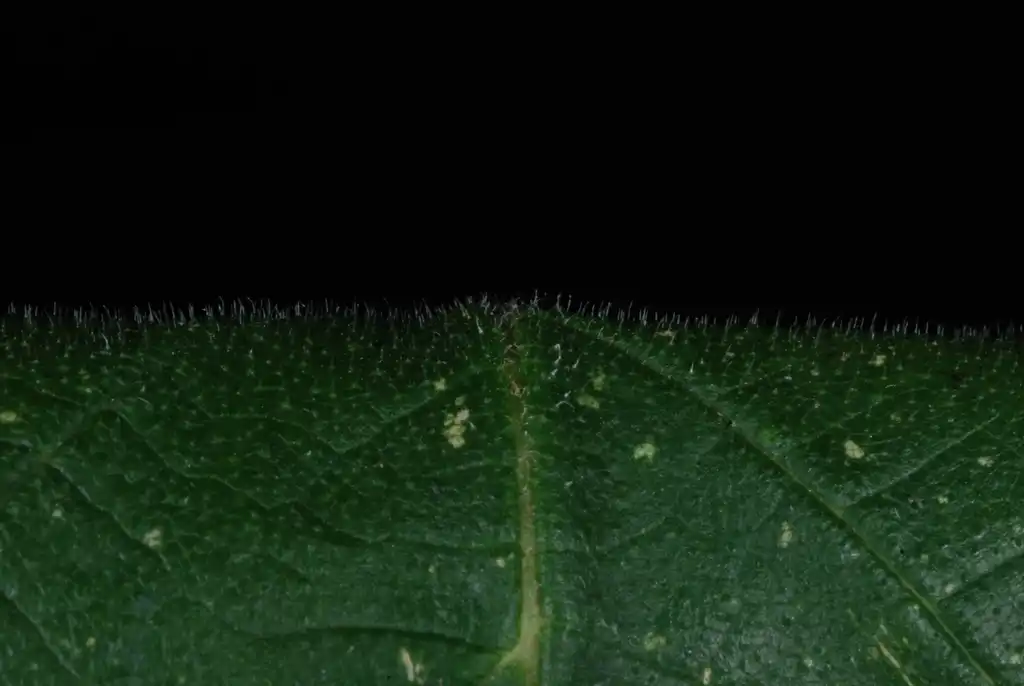
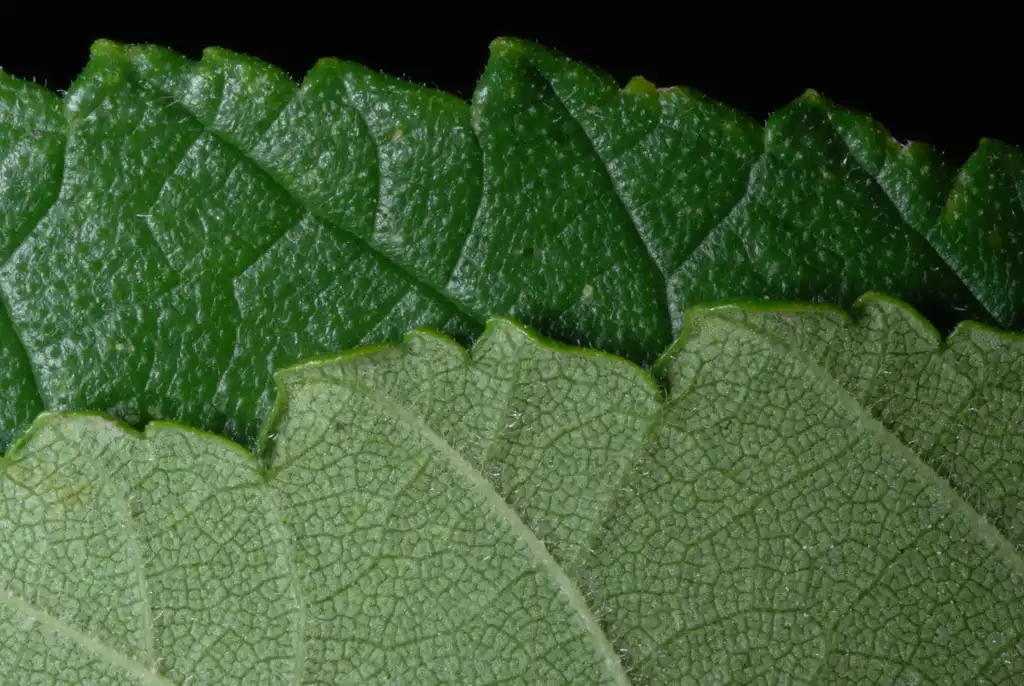
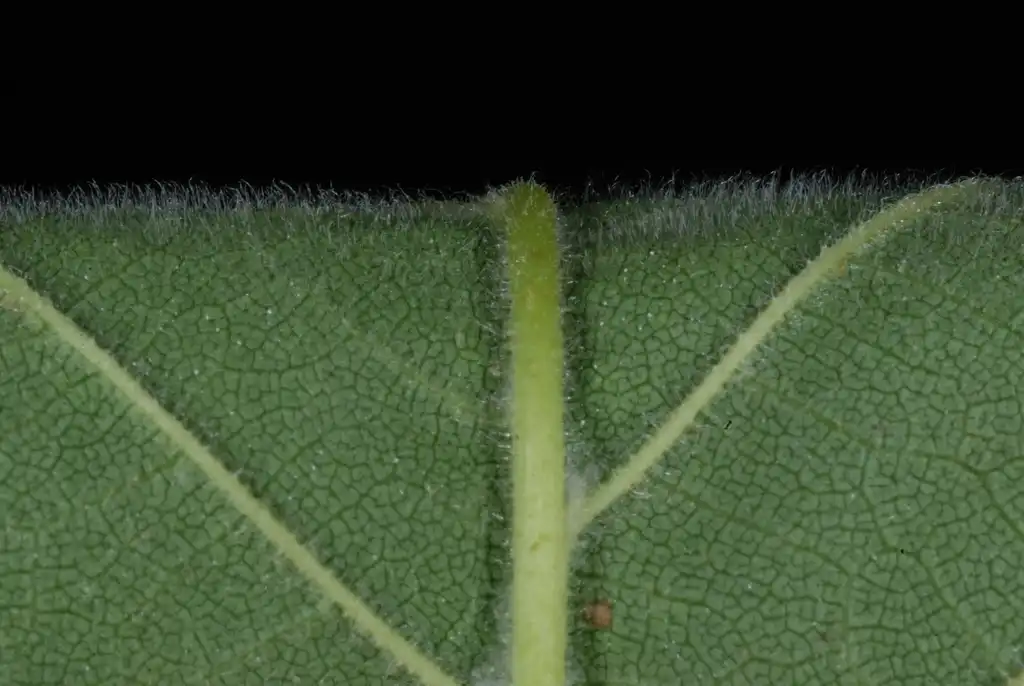
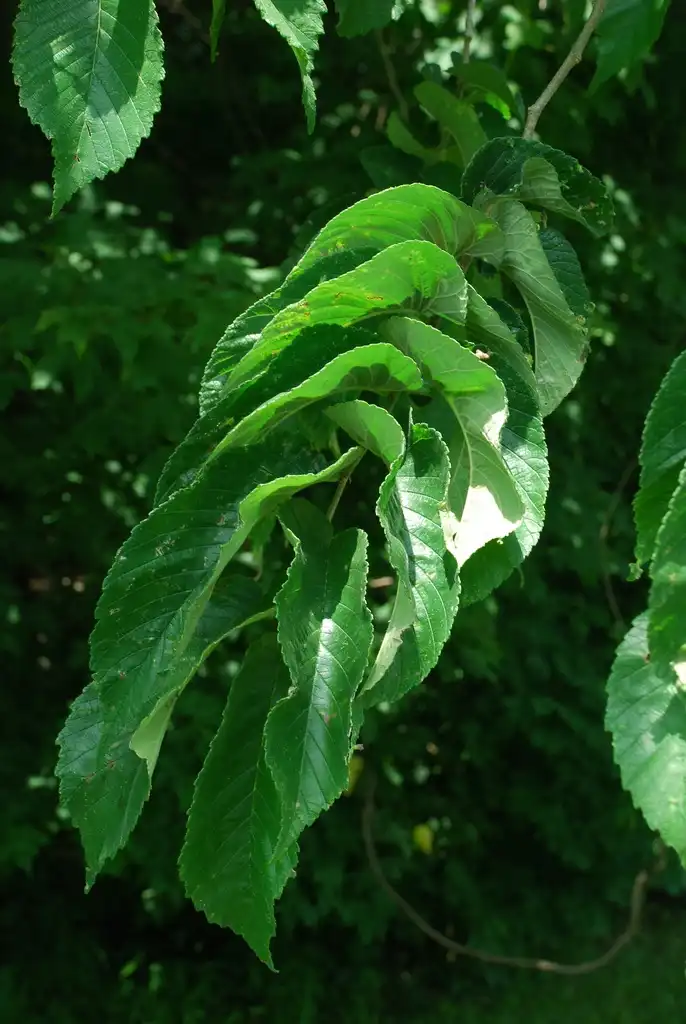
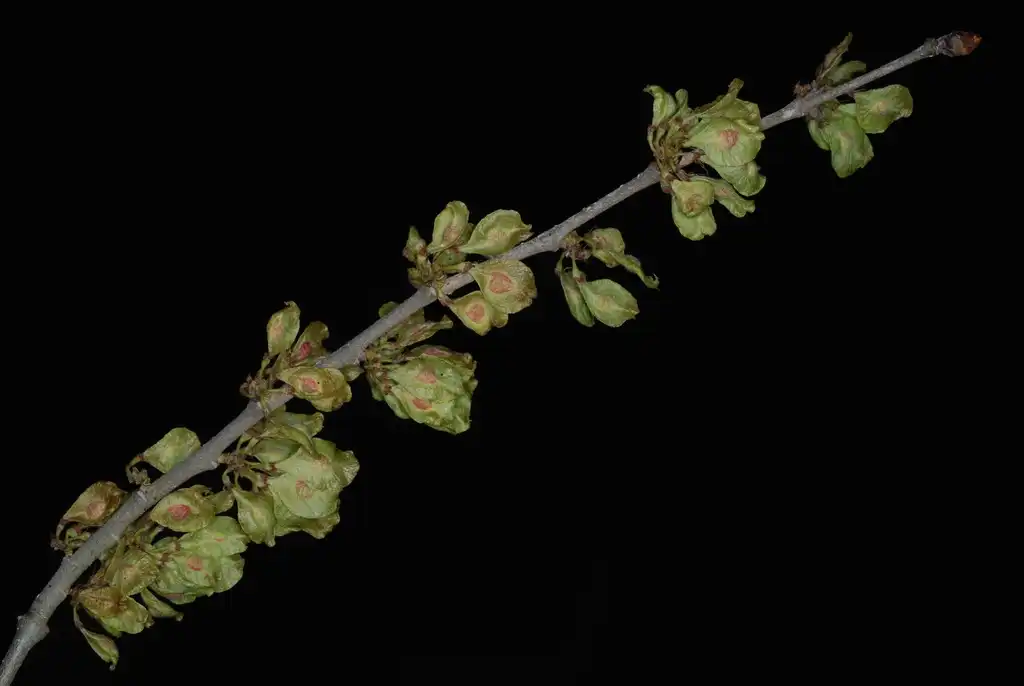
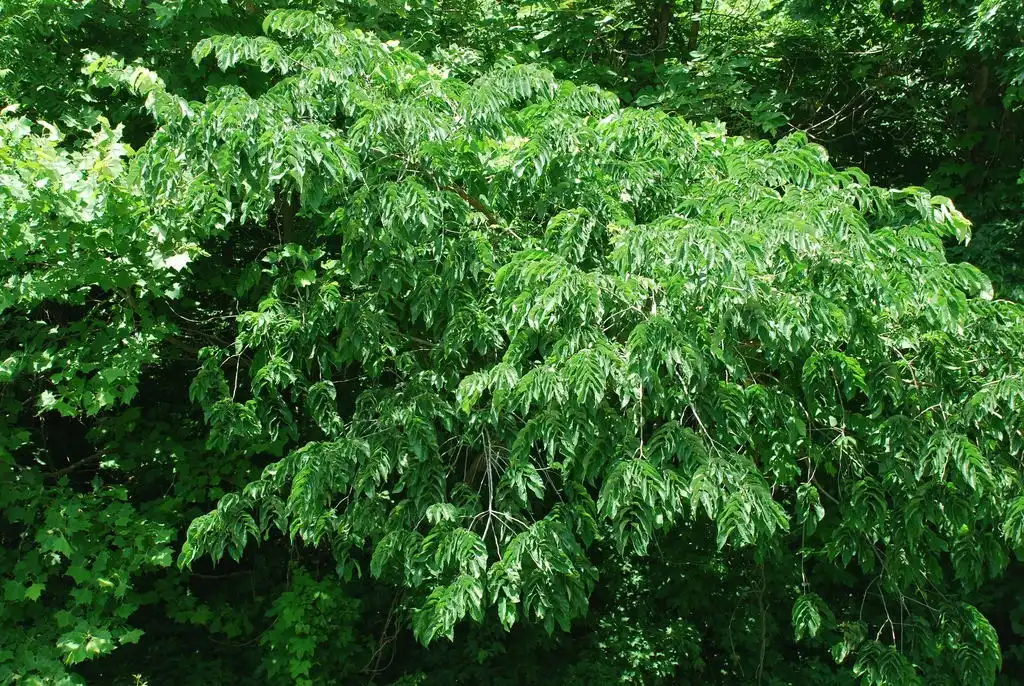
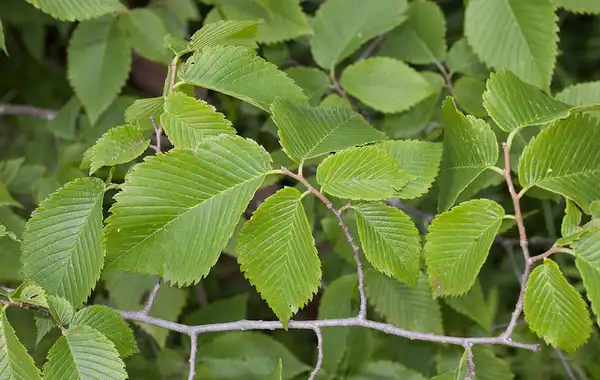
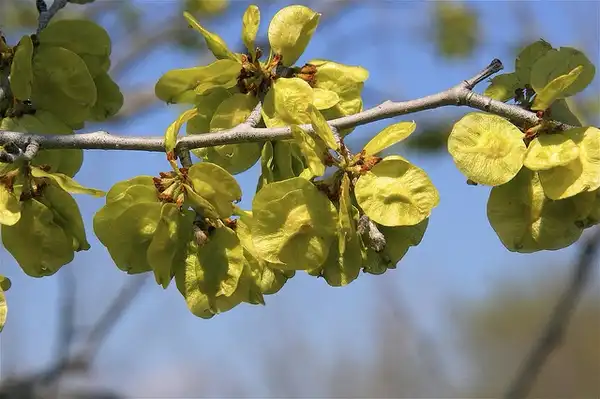
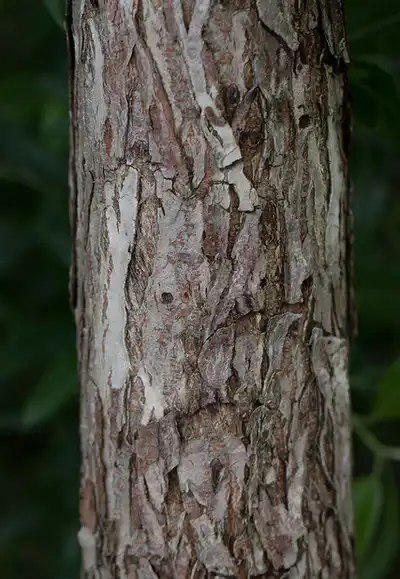
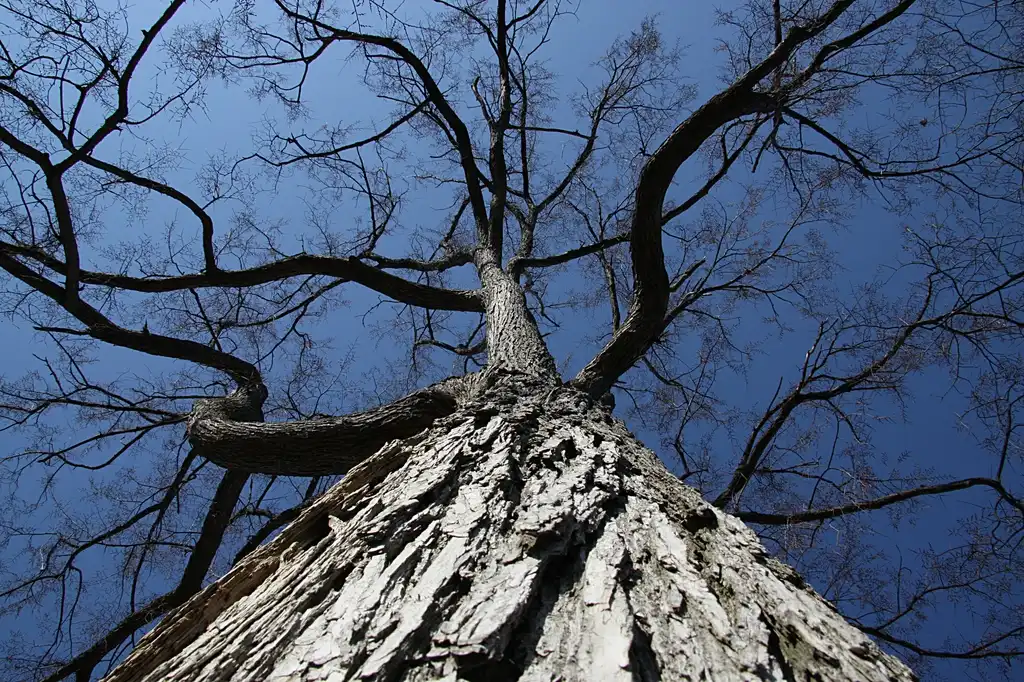
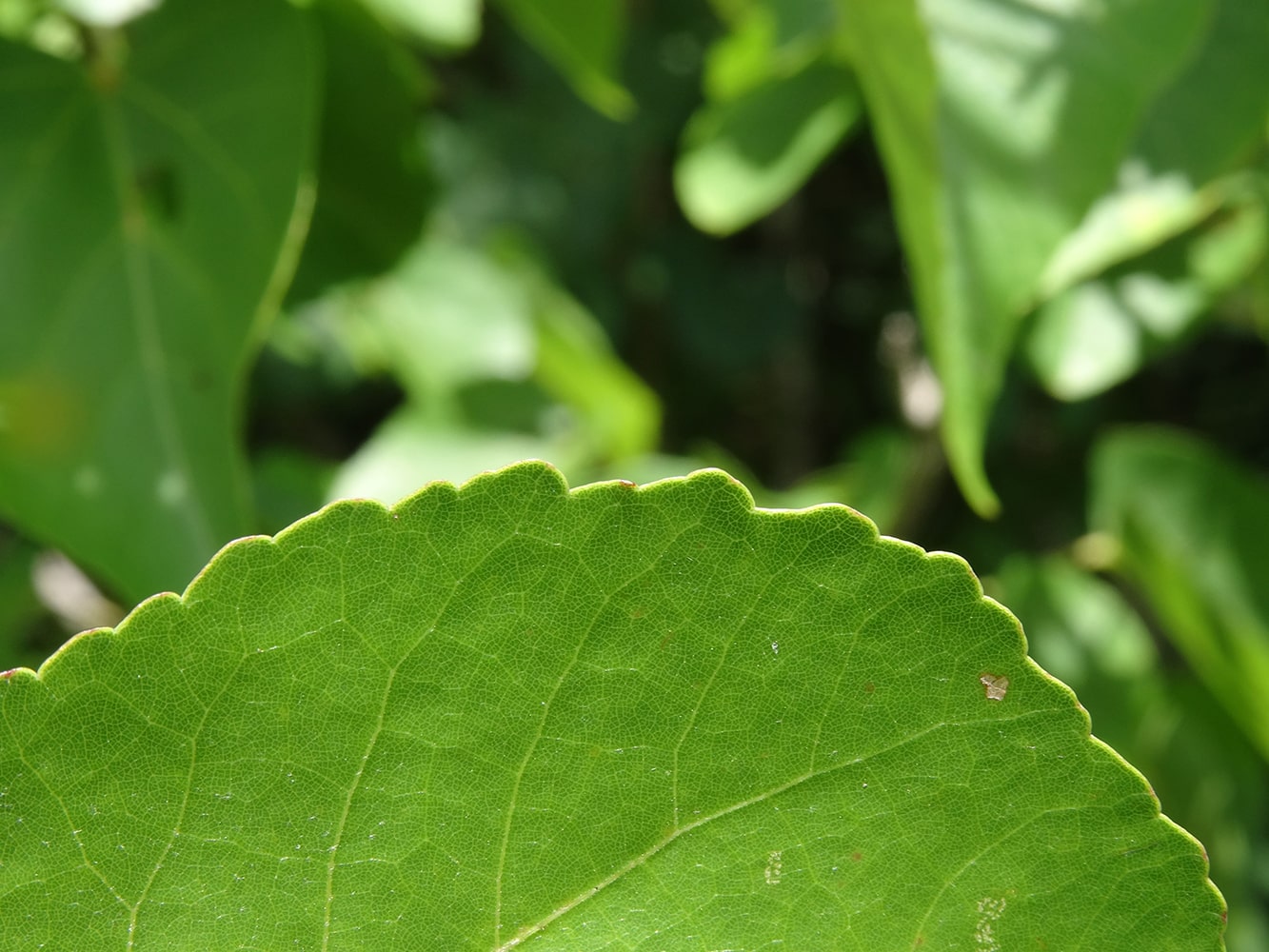
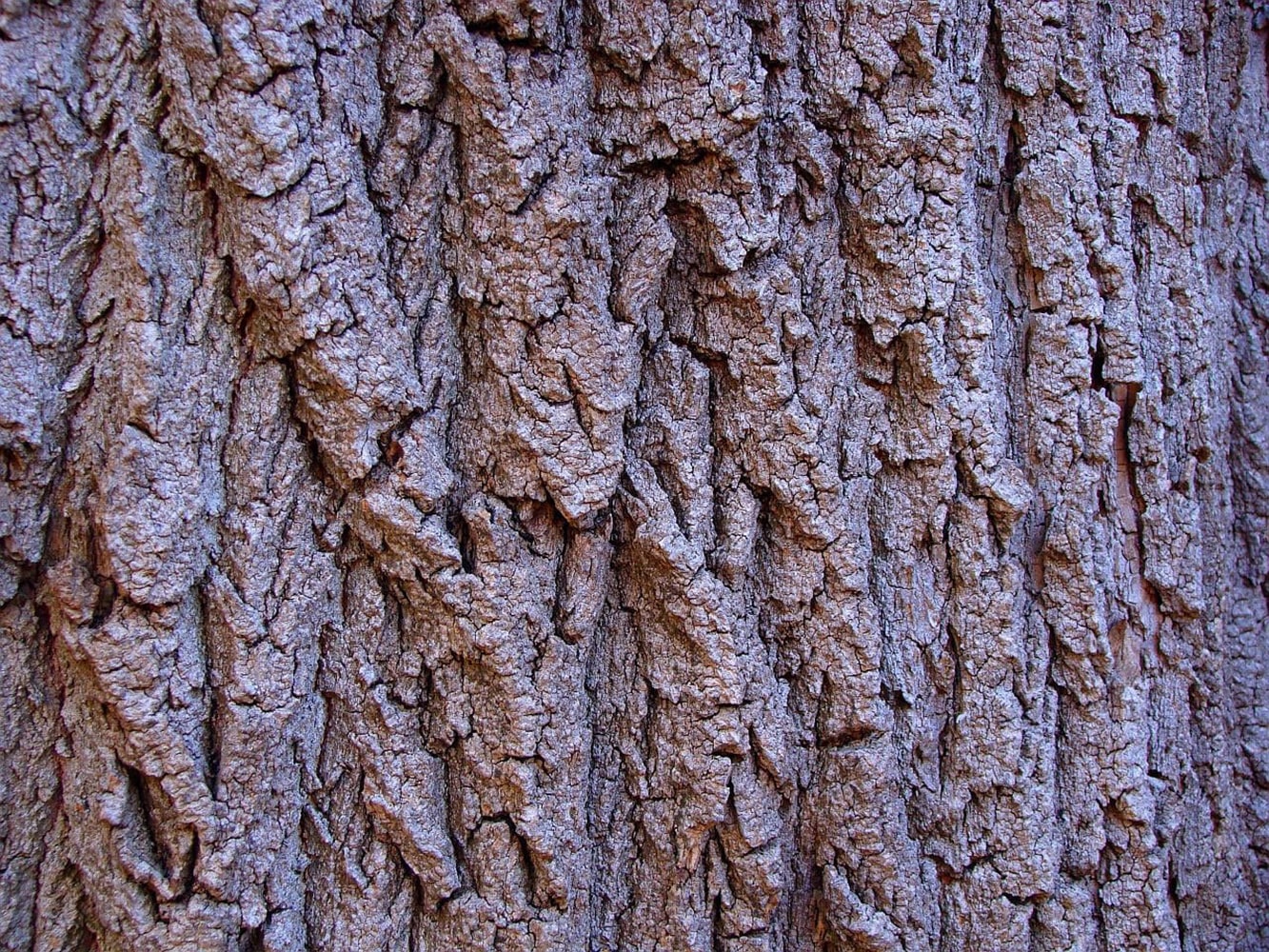
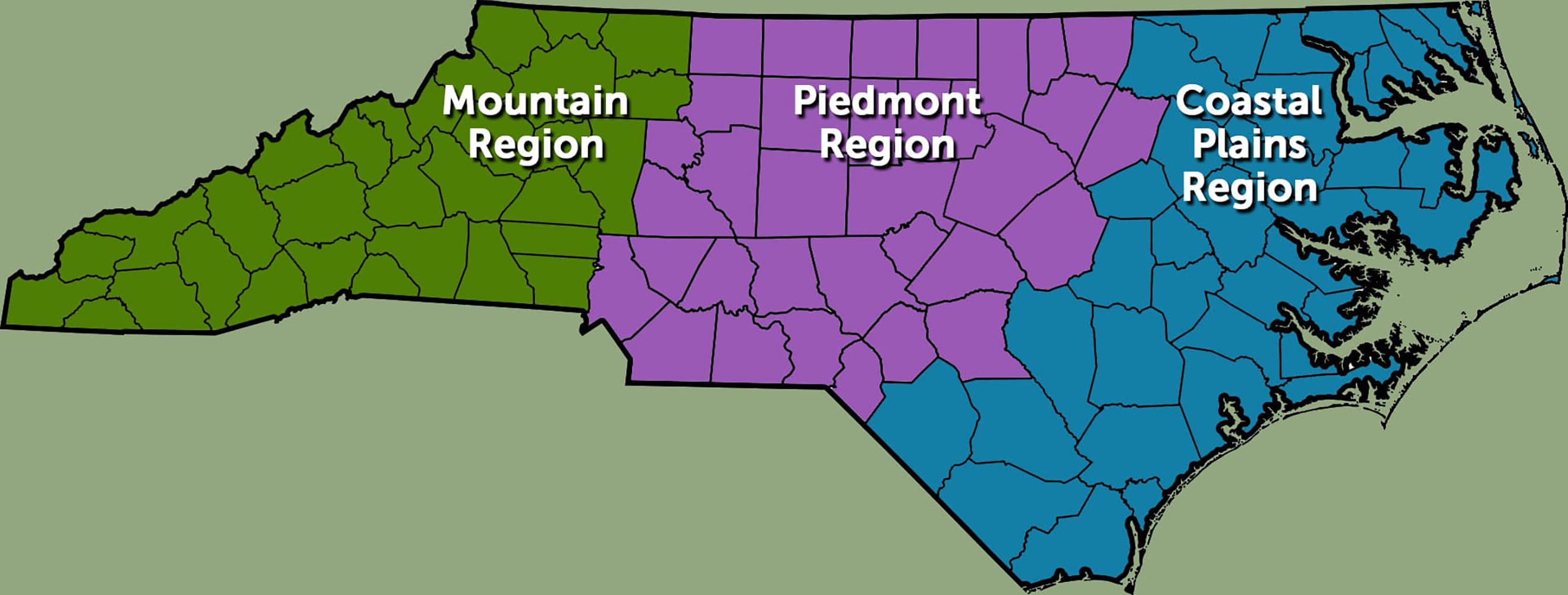
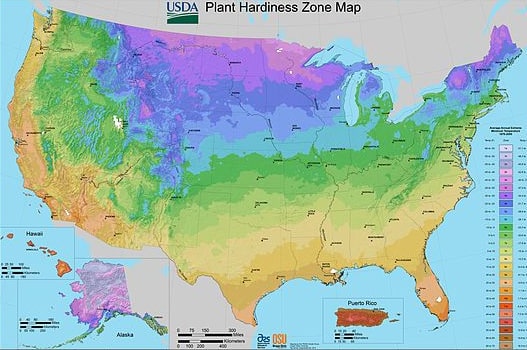
Ulmus rubra, commonly known as Slippery Elm, is a resilient elm species native to North Carolina. However, it is seldom utilized in landscaping due to its coarse texture and limited commercial availability. In its natural habitat, this tree thrives in wooded regions with a range of soil moisture, from moist to moderately dry calcareous soils, and is often found in cove forests of the low mountains where the soil is rich in organic matter, as well as in drier upland areas. It typically does not grow above an elevation of 1,800 feet. While it can withstand drought and partial shade, Slippery Elm prefers sunny conditions and moist loam or clay loam soils. It can adapt to various moderately fertile soils, provided they are well-drained. This moderately fast-growing tree can live for approximately 200 years in the wild, reaching heights of up to 70 feet, with a trunk diameter ranging from 2 to 3 feet. However, it can be somewhat invasive and untidy due to its prolific seed production.
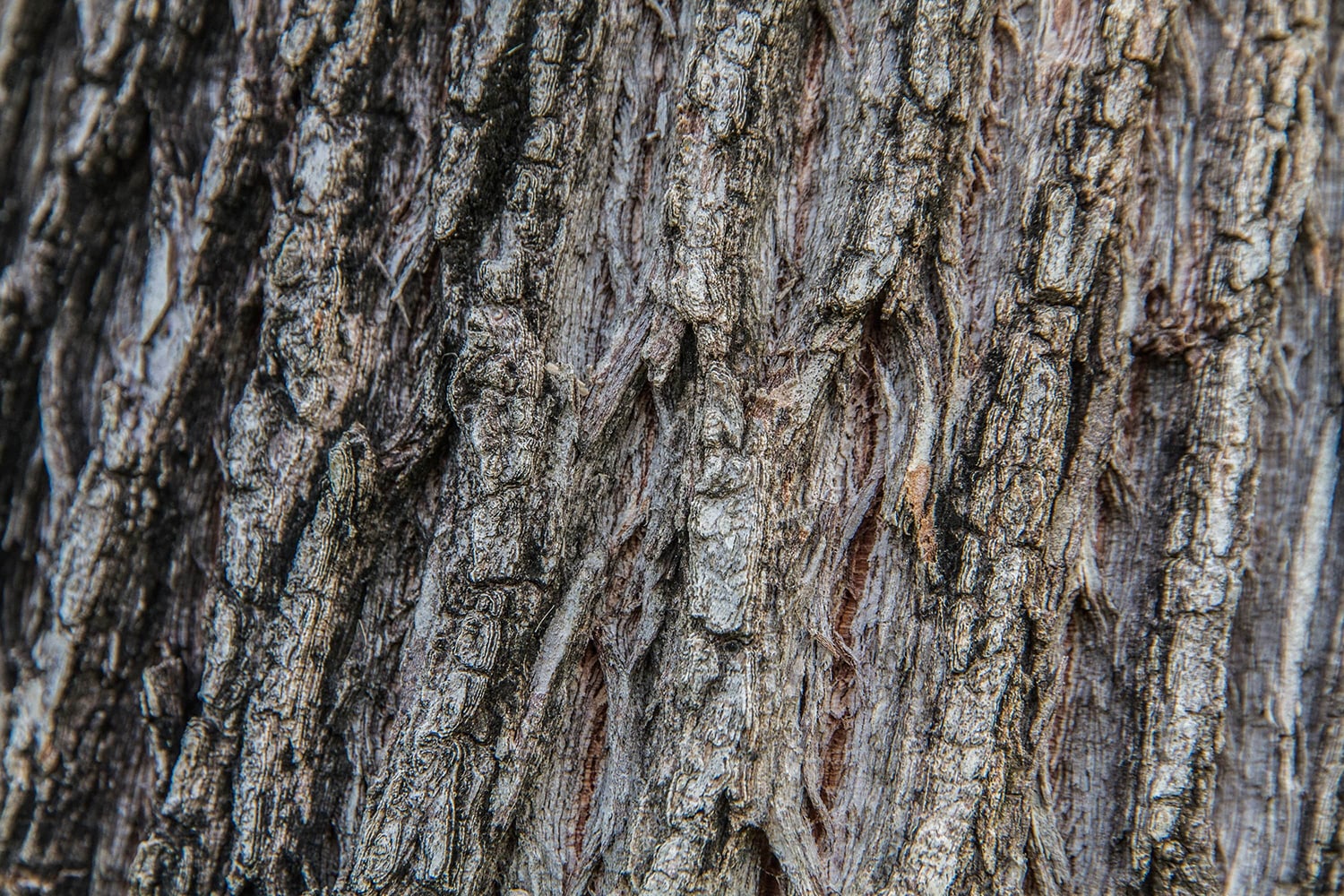
In traditional medicine, the moist inner bark of the Slippery Elm is recognized for its use in throat lozenges. Native Americans historically chewed the sweet, fibrous inner bark stripped from twigs and branches to alleviate thirst, which is reflected in its common name.
**Diseases, Insects, and Other Plant Issues:**
Slippery Elm is vulnerable to Dutch elm disease, a fungal infection transmitted by beetles that damages the tree's inner tissues, leading to wilting, leaf drop, and ultimately death. It is also susceptible to other elm-related diseases, such as phloem necrosis and wetwood, and may experience various issues like wilts, rots, cankers, and leaf spots. Insect threats include borers, leaf miners, beetles, mealybugs, caterpillars, and scale insects.