Centaurea cyanus: Country Or Region Of Origin
Western Asia, Europe
Phonetic Spelling:sen-TAR-ee-ah sigh-AN-us
Genus:Centaurea
Species:cyanus
Family:Asteraceae
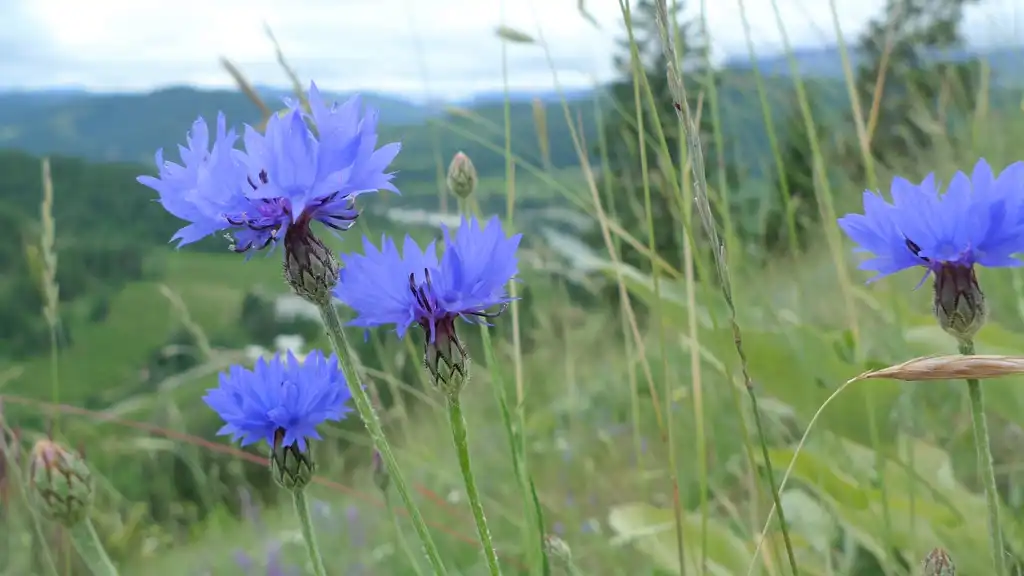
Cornflower, often regarded as a weed in fields and along roadsides and railways, is a resilient and low-maintenance annual that thrives in cooler seasons, showcasing vibrant blue blooms. This adaptable plant can flourish in poor soil conditions without the need for fertilization. While it can withstand low moisture levels, it thrives best in well-drained soils with moderate moisture. Cornflower prefers full sun to partial shade, although excessive shade may cause the stems to droop. Taller varieties might require staking or should be planted alongside sturdier plants for support. Given its preference for cooler climates, it's advisable to start seeds indoors 6 to 8 weeks before the last frost. In milder winter regions, seeds can be sown directly outdoors in the fall.
These plants readily reseed and can naturalize, making dead-heading essential to manage seed spread. However, if attracting birds and butterflies is a priority, it’s best to limit dead-heading. Cornflowers also serve as beautiful and long-lasting cut flowers, and they are generally free from significant pest or disease issues, though wilt, rot, and rust can occur. Keep an eye out for aphids and mealybugs.
The genus name originates from the late 14th century, derived from the Medieval Latin term "centaurea," which traces back to the Latin "centaureum" and the Greek "kentaureion," named after the centaur Chiron, who was known for his medicinal knowledge of the plant. The specific epithet refers to the flower's blue color.
Additionally, a blue cornflower design was prominently featured by Corning Glass Works in their original oven-to-table dinnerware line, becoming the trademark for Corning consumer products for thirty years.
Centaurea cyanus Feature Summary
Centaurea cyanus Image Gallery