Phlox subulata: Country Or Region Of Origin
Eastern and central United States
Phonetic Spelling:FLOCKS sub-yoo-LAH-tah
Genus:Phlox
Species:subulata
Family:Polemoniaceae
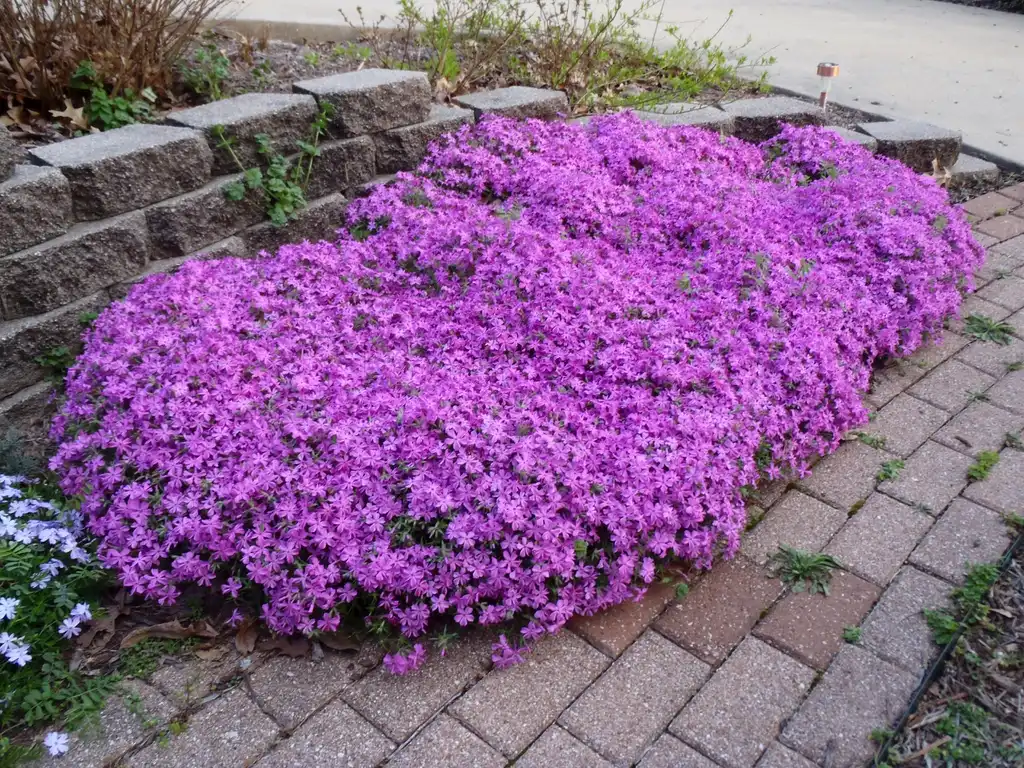
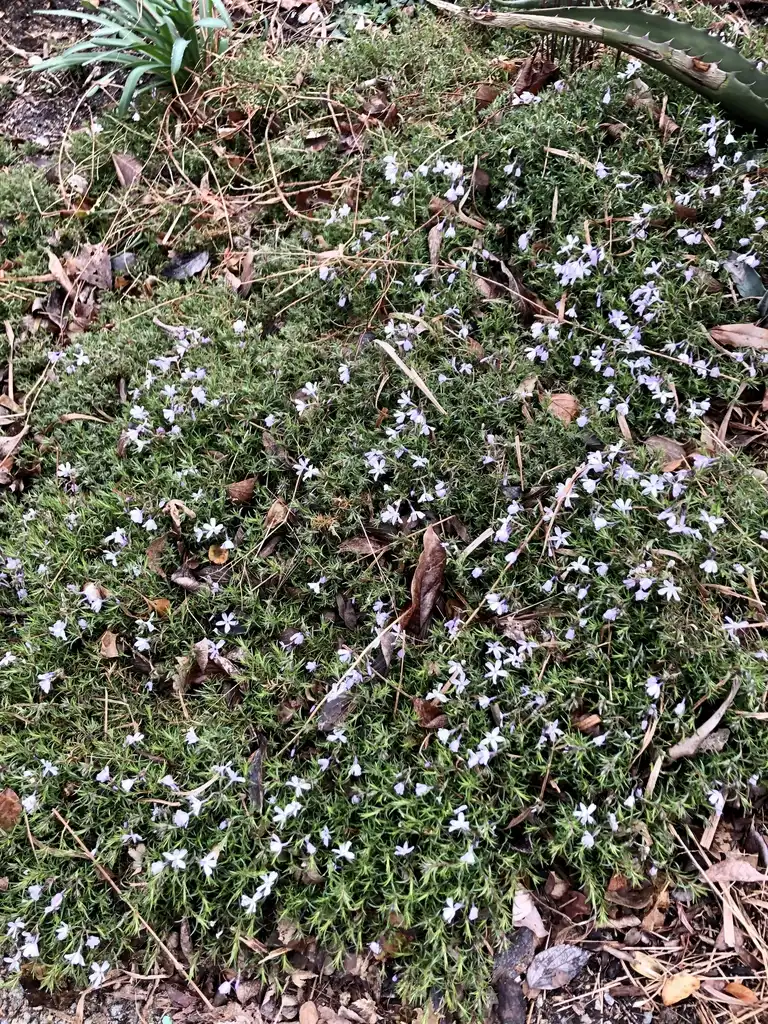
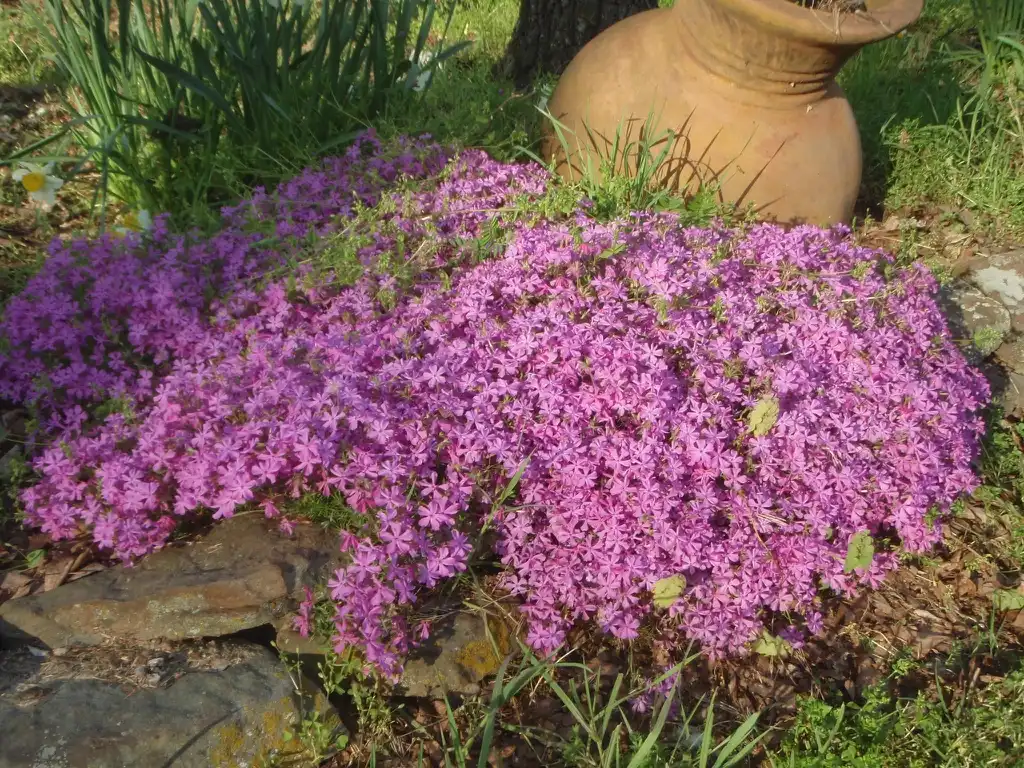
Phlox subulata, commonly known as moss phlox, is a robust plant recognized for its sprawling growth and the abundant display of flowers that bloom from early to mid-spring, continuing sporadically until frost. This species thrives in dry, rocky, or sandy environments, including savannas, rocky outcrops, slopes, clearings, and open woodlands. Its foliage forms dense, cushion-like mats that resemble moss.
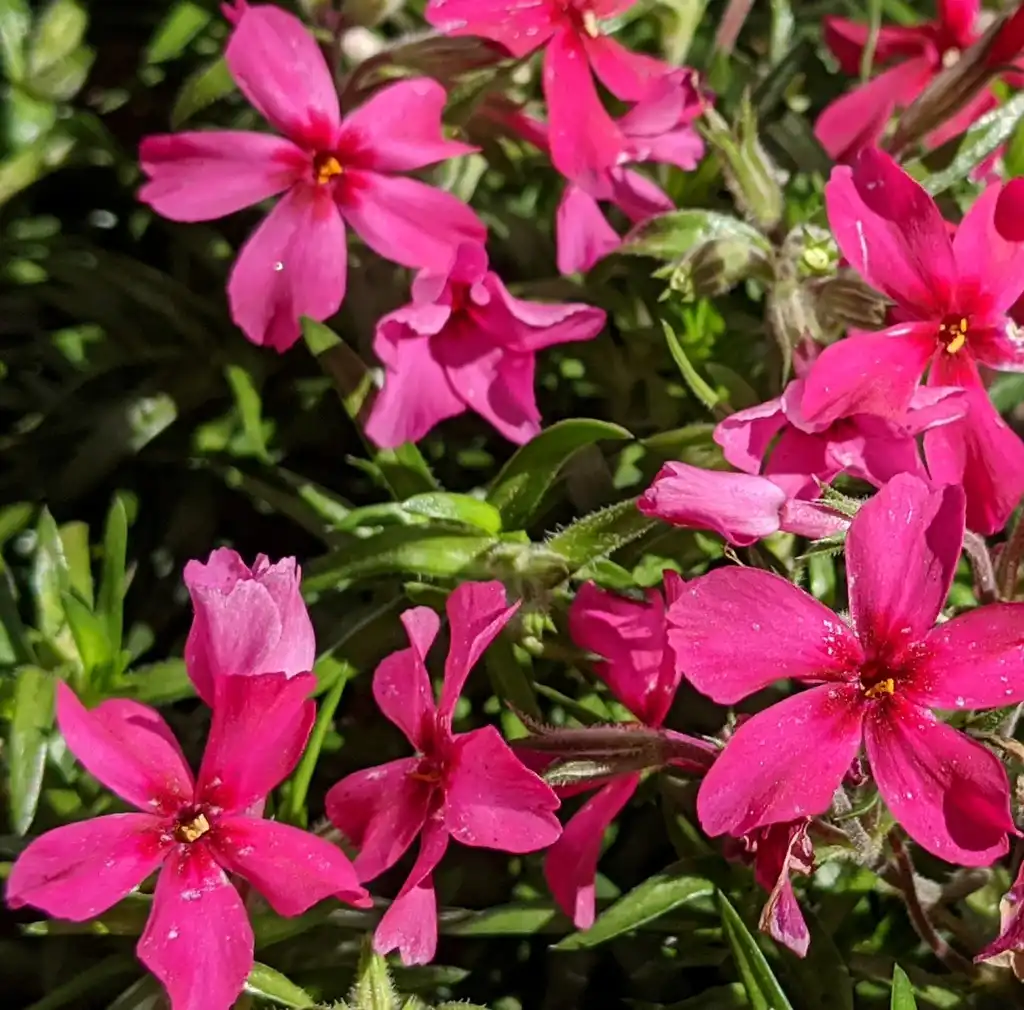
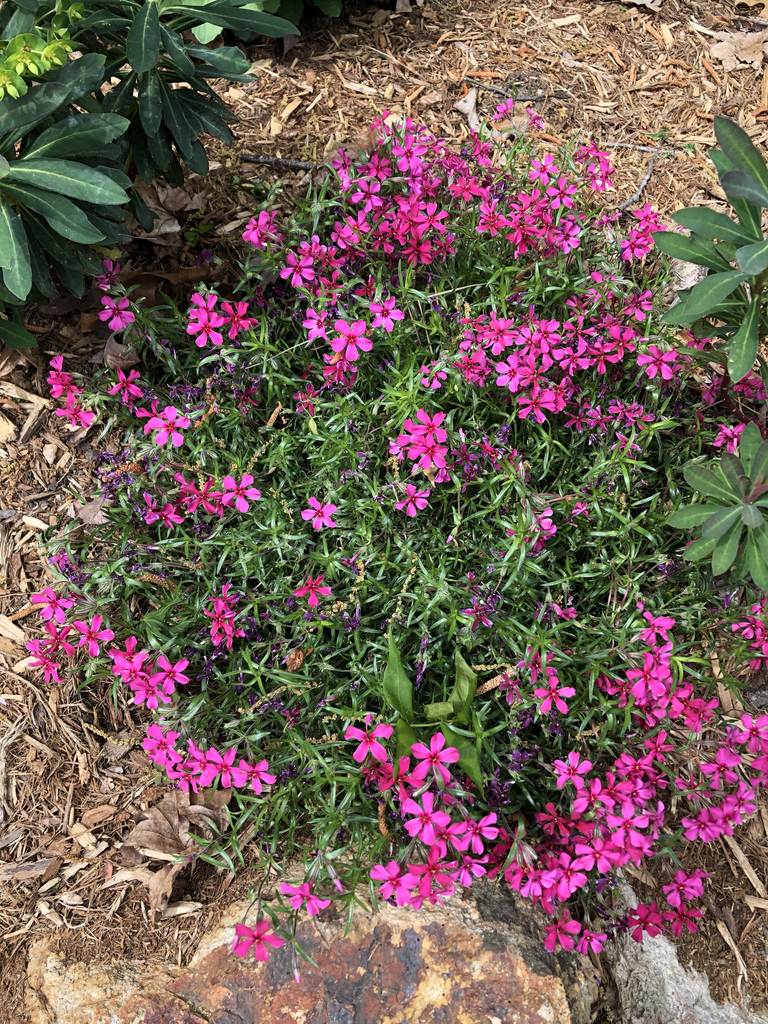
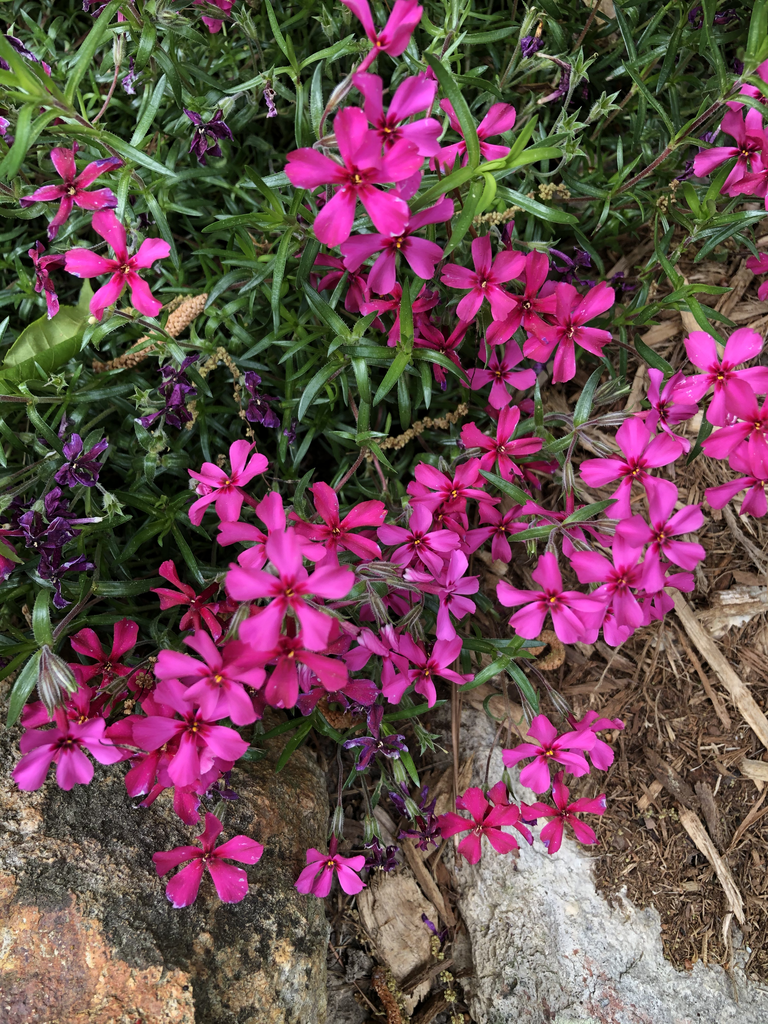
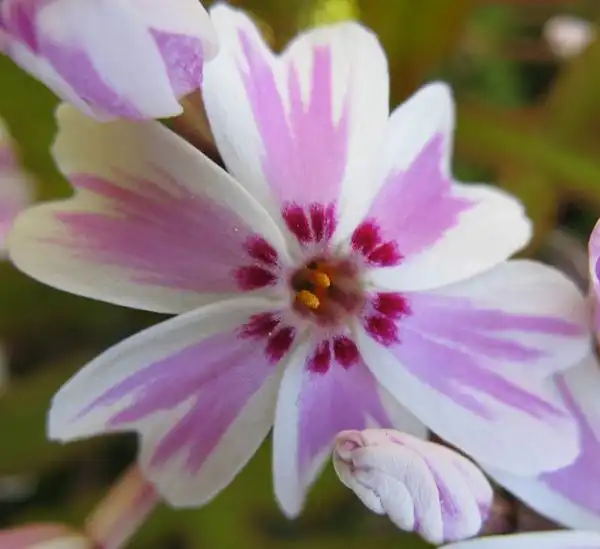
The young stems of Phlox subulata are green, transitioning to a tan, woody texture as they mature. As the plant ages, older sections may become sparse while new growth radiates outward from the center. There are numerous cultivars available, showcasing vibrant flowers in shades of pink, red, lavender, blue-purple, and white, which typically blanket the plant from late April to early May. Pruning the plants after they flower can promote a second, denser growth with smaller blooms. Moss phlox generally reaches a height of about 6 inches and thrives in sunny locations with well-drained, slightly alkaline soil.
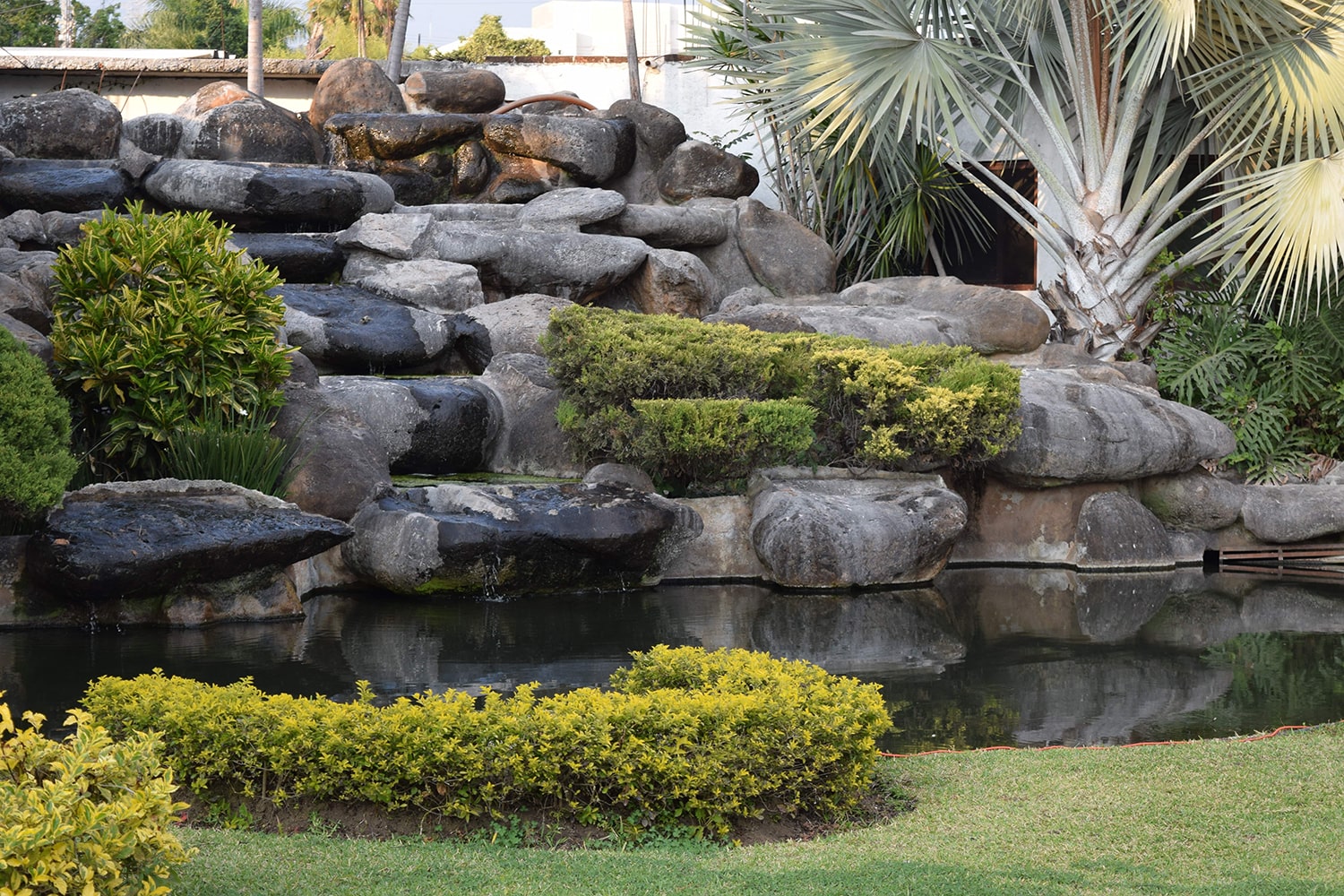
In the garden, moss phlox is versatile, suitable for rock gardens, edging, foundation plantings, or as ground cover in sunny woodland gardens, slopes, and naturalized areas. It can also gracefully cascade over low rock walls.
This plant is relatively resilient against pests and diseases, exhibiting moderate drought tolerance. Unlike many other phlox species, it is resistant to powdery mildew. However, spider mites may become an issue in hot, dry conditions, and nematodes can harm the leaves in wet, humid environments. While rabbits may nibble on the foliage, it is generally less appealing to deer.
Phlox subulata Feature Summary