Viola pedata: Country Or Region Of Origin
Eastern North America
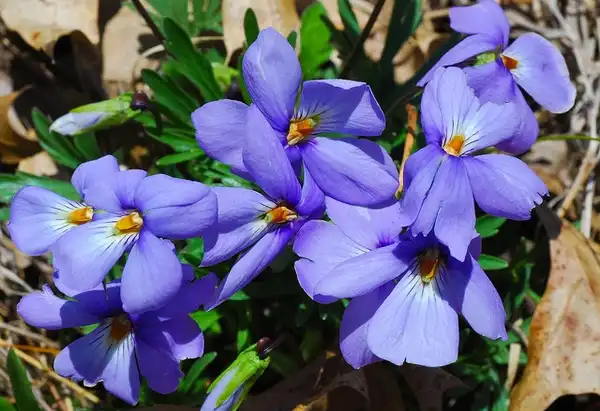
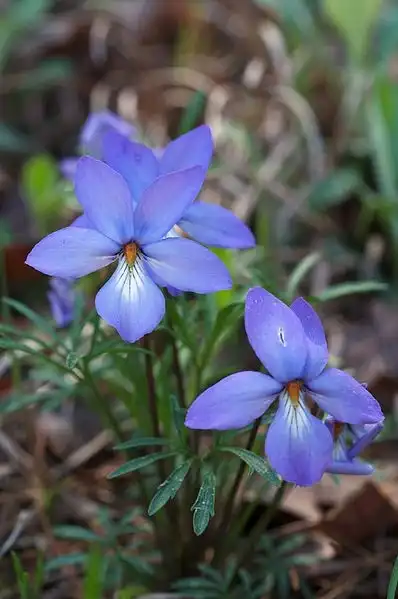
Phonetic Spelling:vy-OH-la ped-AY-tuh
Genus:Viola
Species:pedata
Family:Violaceae
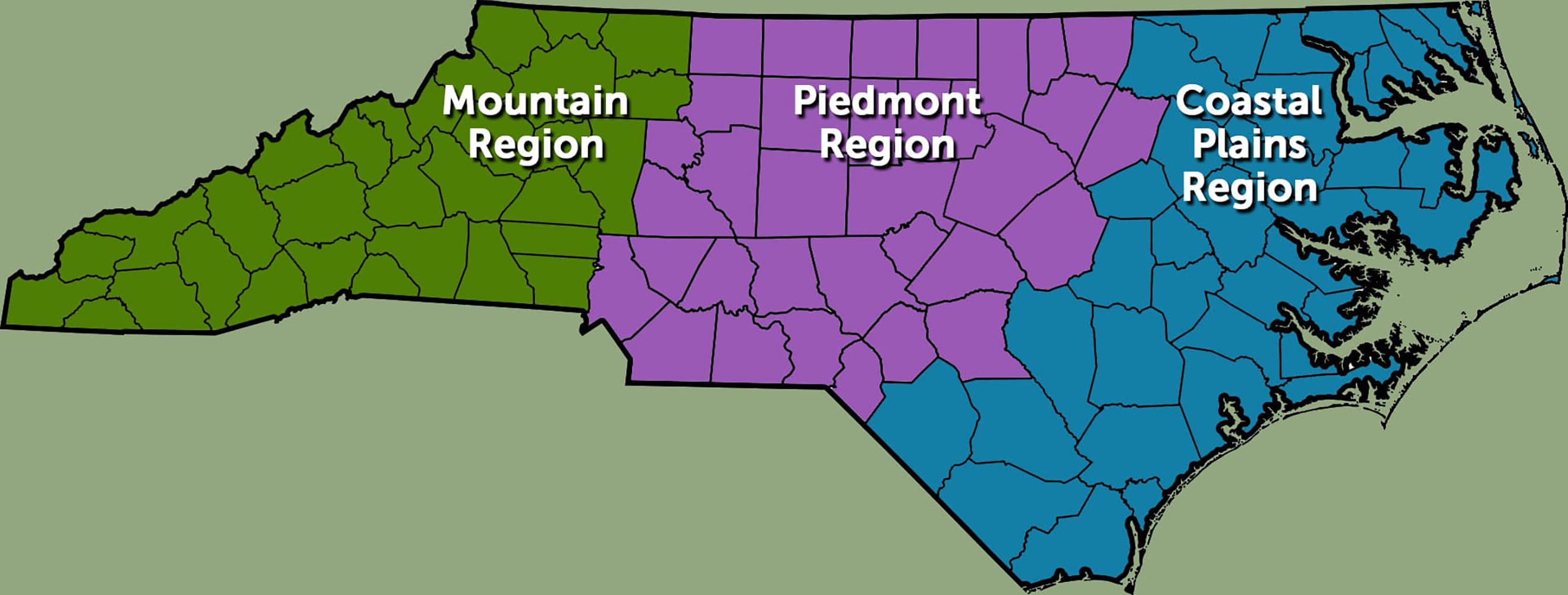
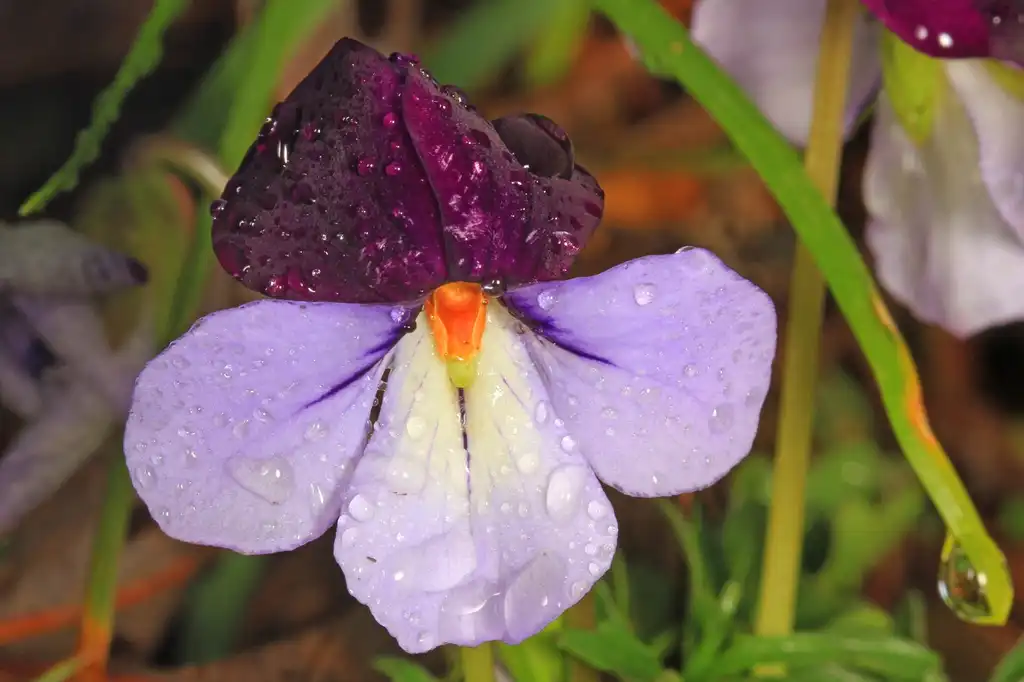
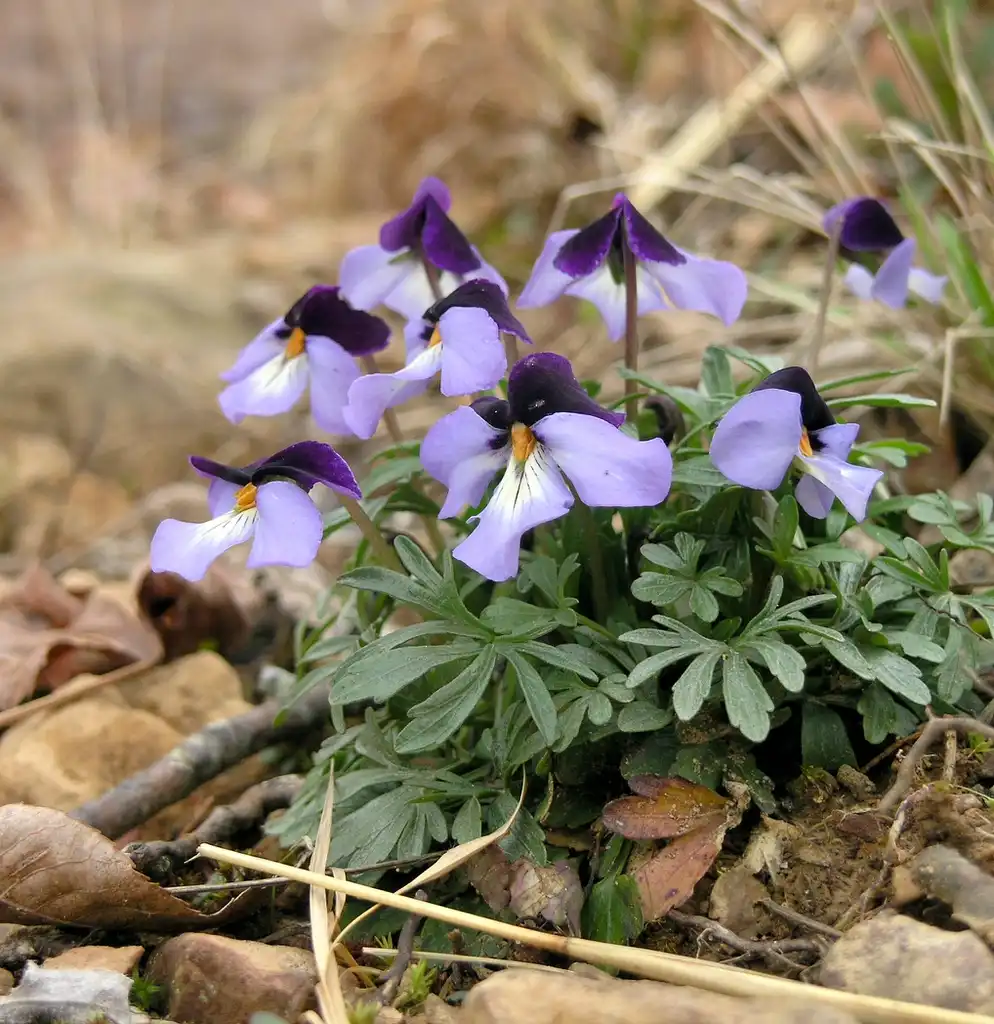
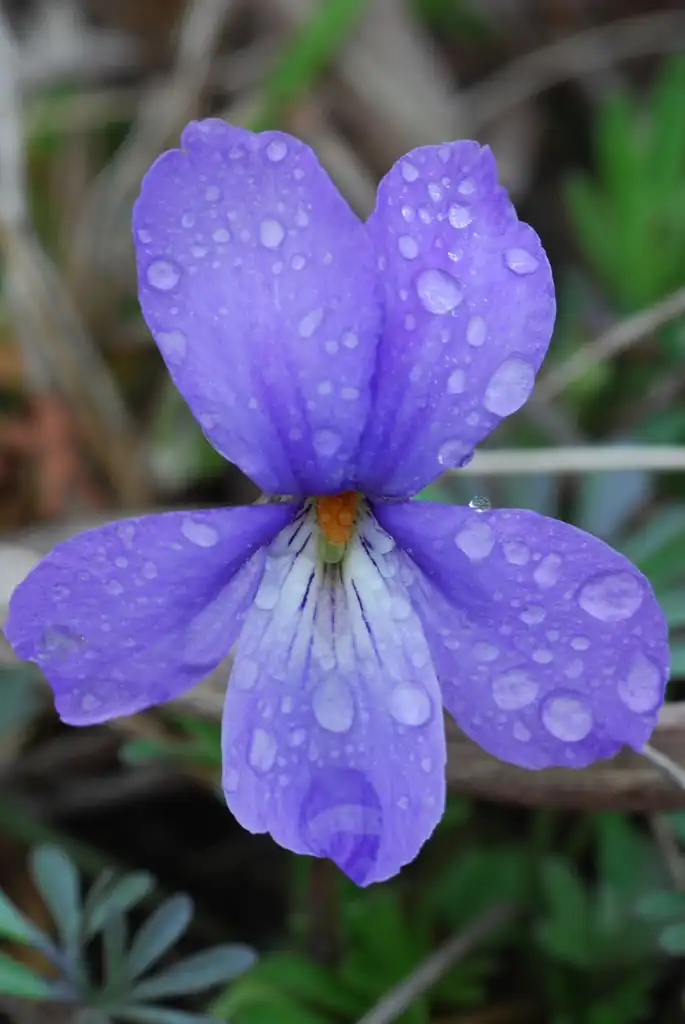
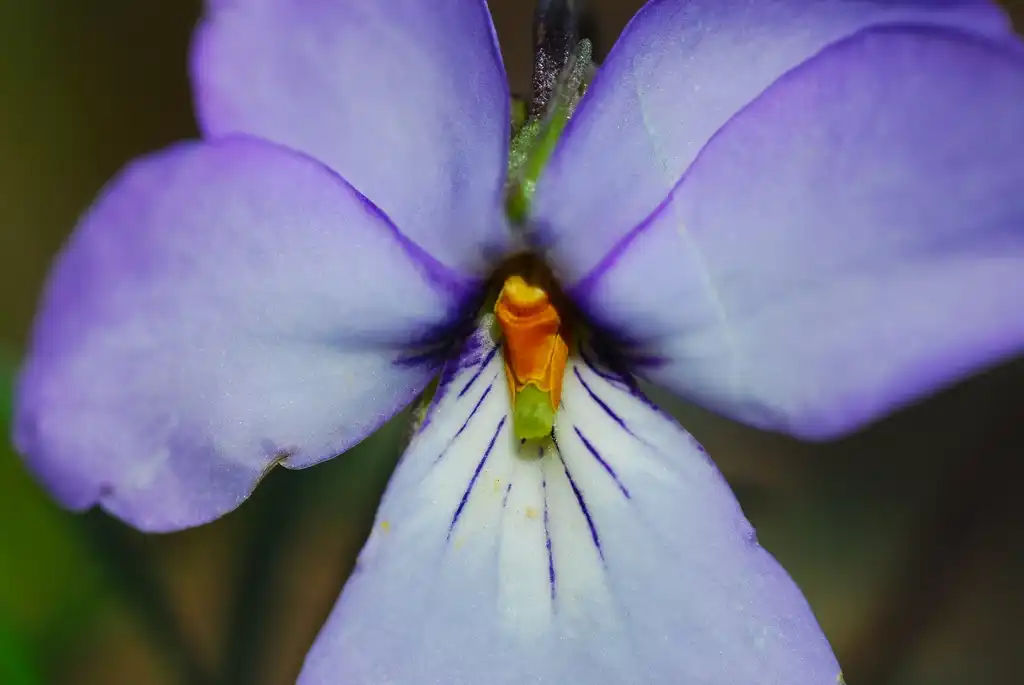
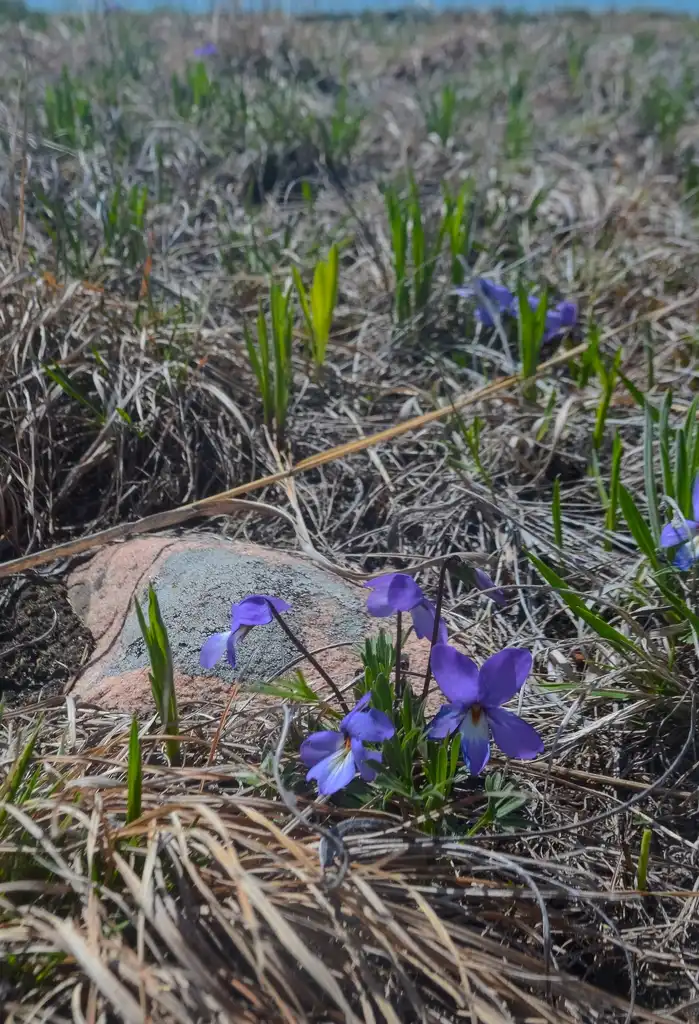
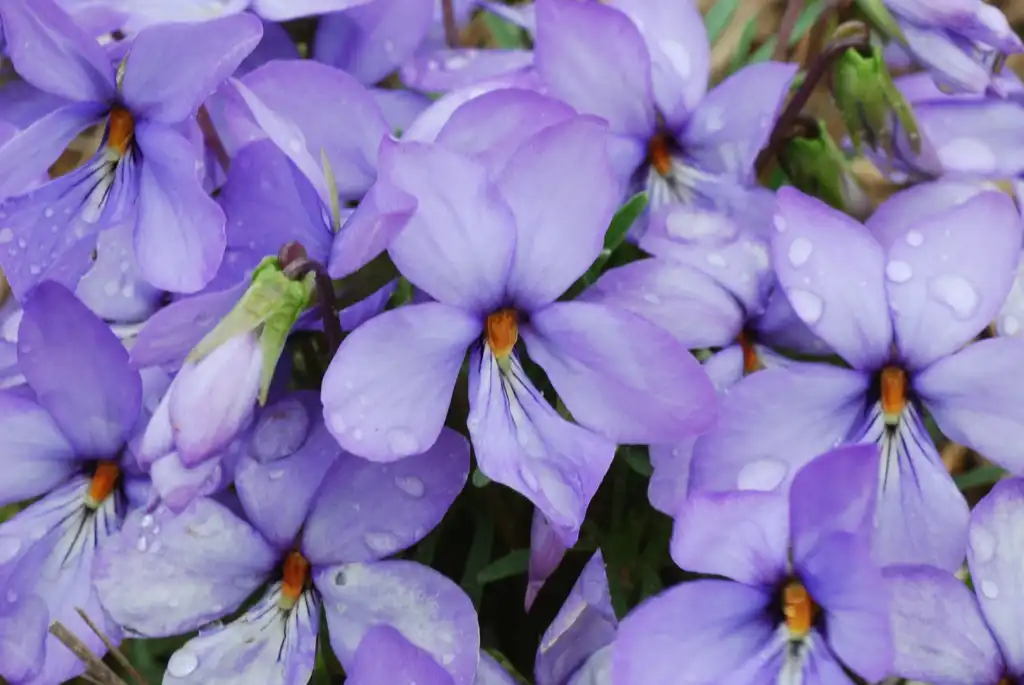
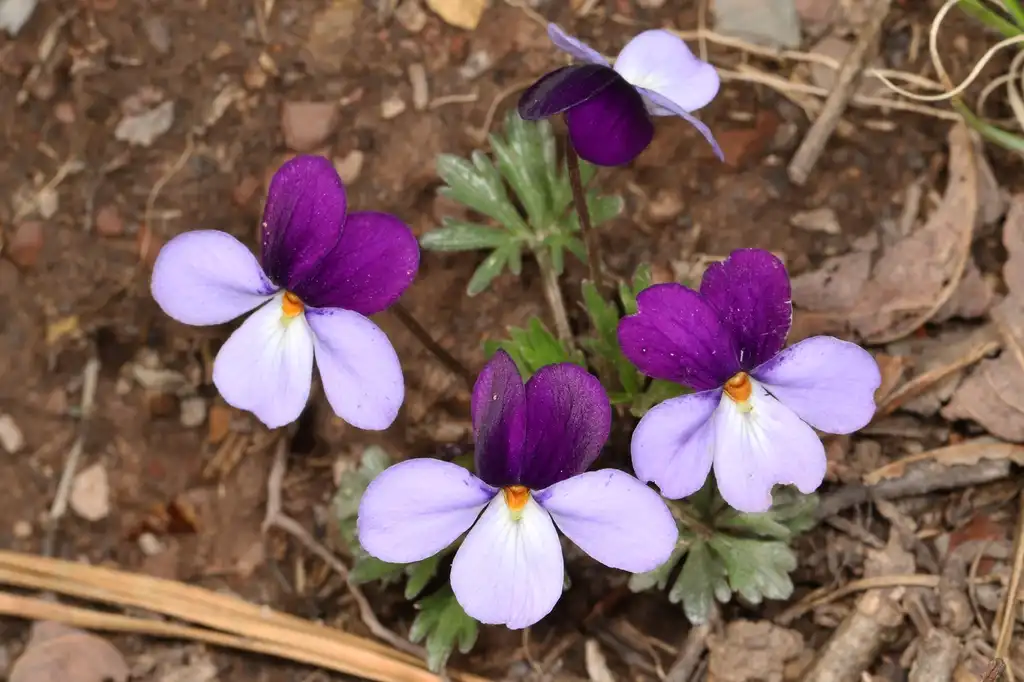
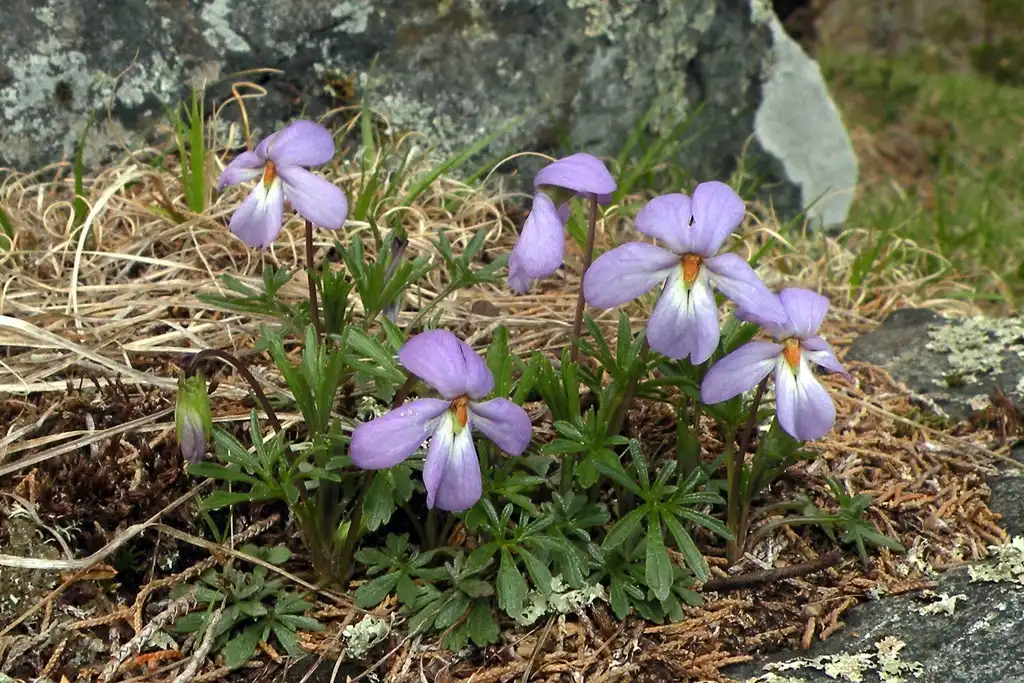
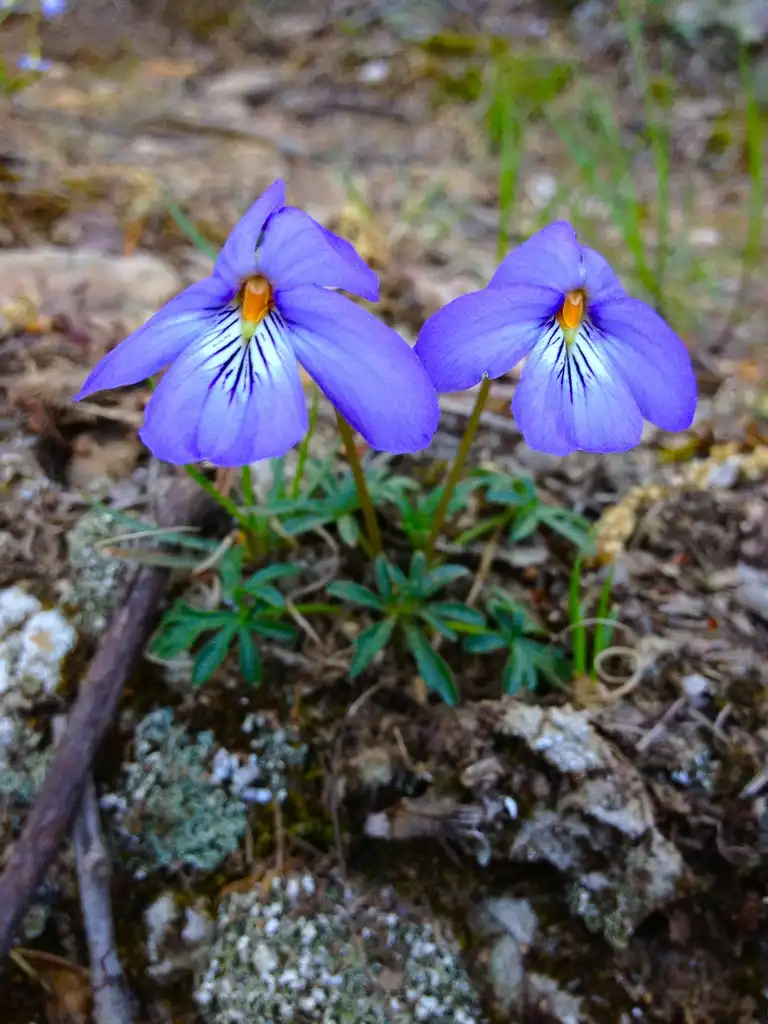
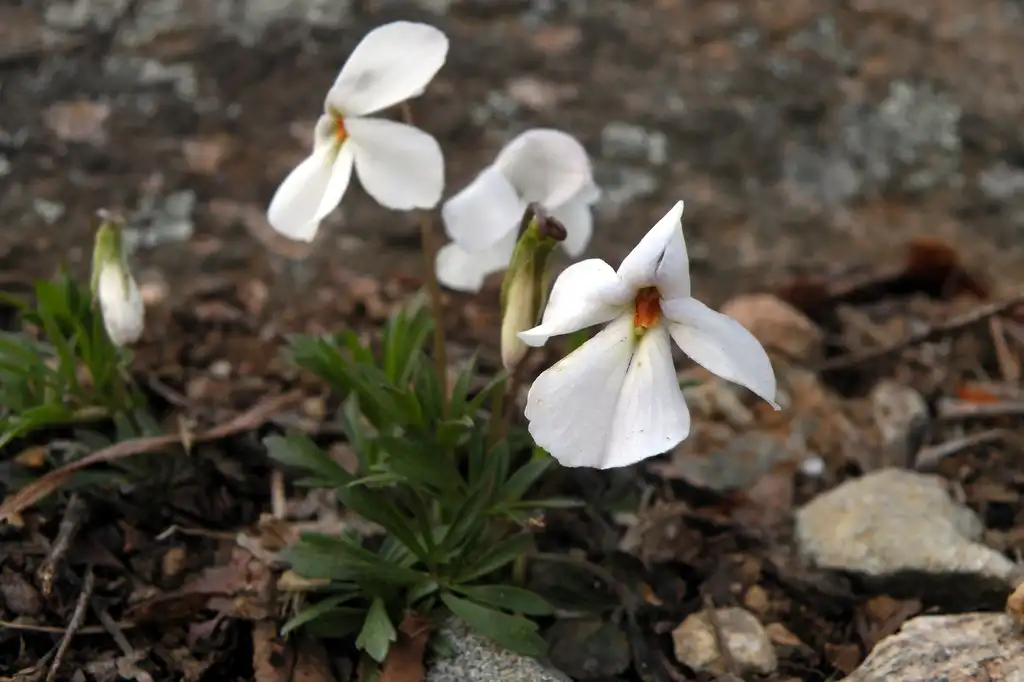
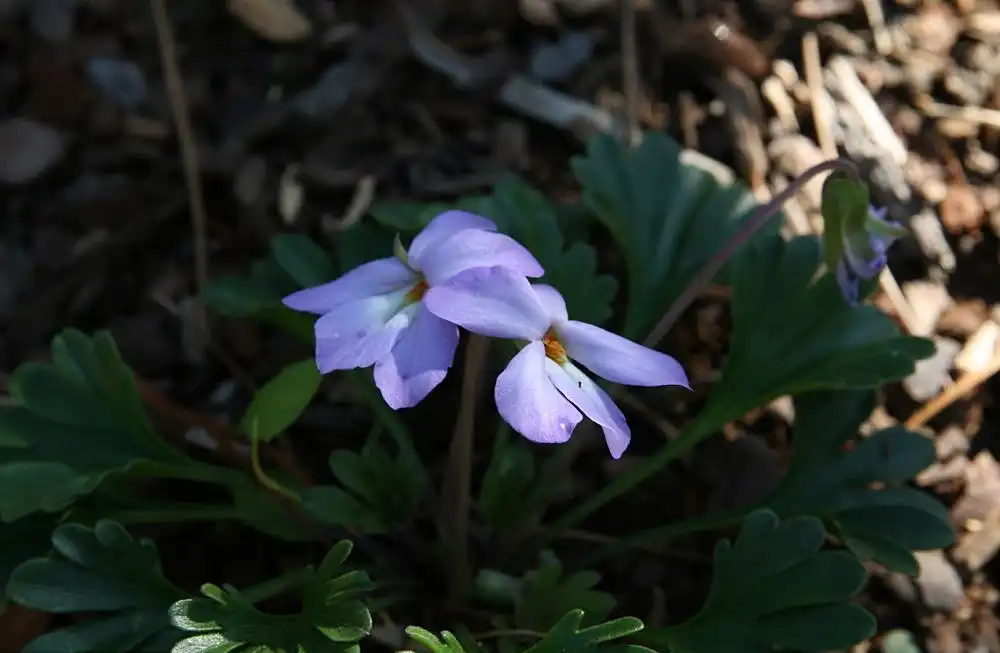
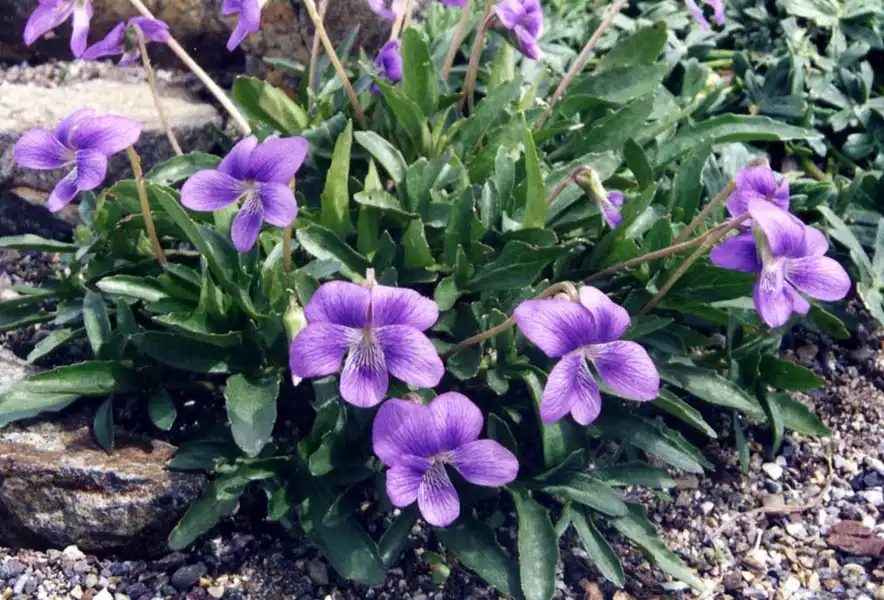
The Bird-Foot Violet is a native herbaceous plant that typically reaches heights of 4 to 8 inches. Characterized by its basal leaves, which usually feature three lobes, the plant's common name is derived from the resemblance of its leaves to a bird's foot. From early to late spring, it produces lavender-blue or bi-colored flowers adorned with orange anthers, with the possibility of blooming again in the fall. This species thrives in rocky, open woodlands, sandy prairies, and pine forests, and is primarily found in the undisturbed, high-quality habitats of the North Carolina mountains, Piedmont, and coastal regions. It is often regarded as one of the most attractive violas.
For optimal growth, this plant requires well-drained soil, favoring sandy or gravelly substrates with a slightly acidic pH, and it thrives in full sunlight, although it can tolerate partial shade. Unlike many other plants, it does not spread through stolons but may reseed itself under favorable conditions, making it somewhat more challenging to cultivate than other viola varieties.
This charming native viola is best utilized in clusters, along pathways, in rock gardens, or on slopes. While it may present some cultivation challenges compared to other violas, it has the potential to self-seed in ideal environments.
In North Carolina, the variety pedata can be found in dry, rocky, or sandy forests, woodlands, glades, and along road banks, while the variety ranunculifolia is typically located in sandhills.
**Quick Identification Tips:**
**Insects, Diseases, and Other Plant Issues:** This plant is particularly vulnerable to crown rot if it does not have excellent drainage. Poor drainage conditions can lead to the development of crown rot.