Cercis canadensis 'Whitewater': Country Or Region Of Origin
United States
Phonetic Spelling:
Genus:Cercis
Species:canadensis
Family:Fabaceae
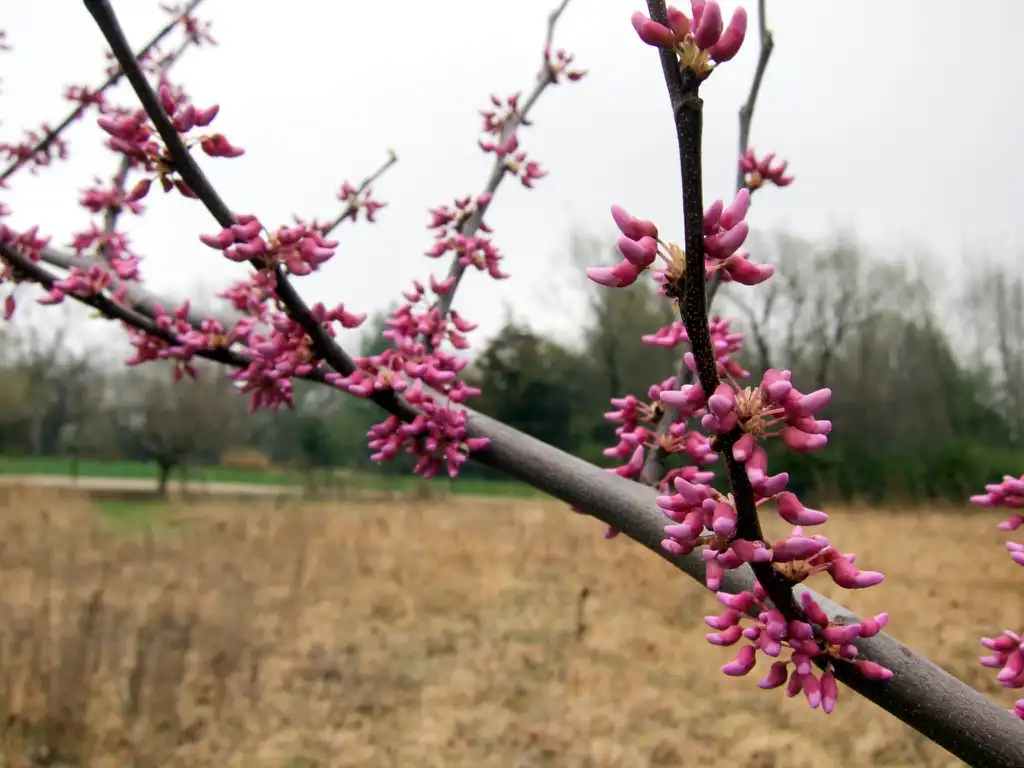
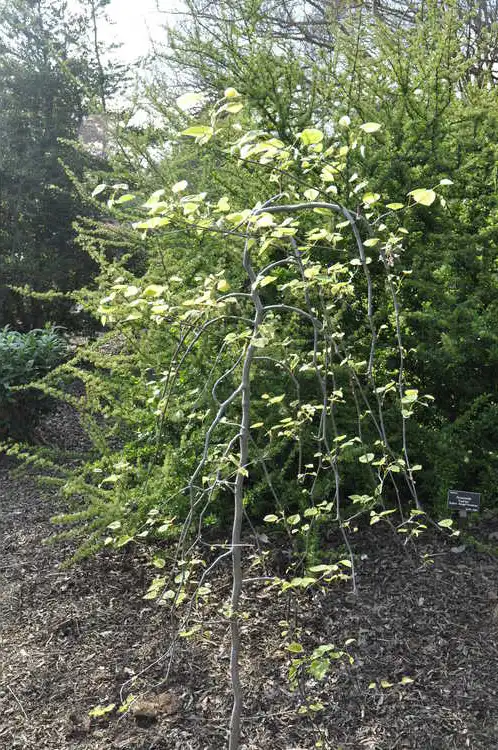
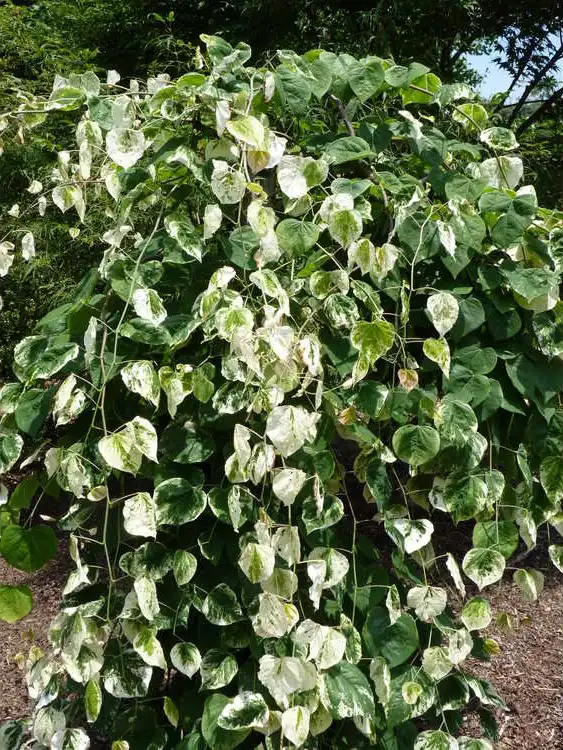
'Whitewater' is an exquisite redbud developed by the skilled Dr. Dennis Werner at North Carolina State University. This variety features a striking form of variegation alongside a gracefully weeping growth habit. Its pea-shaped flowers, which bloom in April and May, showcase a rich rose-purple hue and are prominently displayed on the tree's bare branches, a characteristic known as cauliflory typical of redbuds.
Following the flowers, heart-shaped leaves emerge, initially appearing mostly white with green speckles, and later maturing to a predominantly green color with white flecks. The weeping growth habit adds an exciting dimension to the vibrant variegated foliage.
The genus name, Cercis, is derived from the Greek term 'kerkis,' meaning weaver's shuttle, which alludes to the resemblance of the seed pods to the size and shape of a shuttle used in weaving.
This shrub thrives in full sun to partial shade, with full sun being ideal, although it appreciates some afternoon shade in hotter climates. It prefers average to moist soil conditions and should not be allowed to dry out. It is adaptable to various soil types and pH levels, demonstrating a high tolerance for urban pollution, making it suitable for inner-city environments. Planting it in a relatively sheltered spot is beneficial, and applying a thick layer of mulch around the root zone during winter can help protect it in exposed areas or colder microclimates. This selection is a native species of North America, requiring minimal maintenance, with any necessary pruning best done after flowering.
Wildlife Value: The flowers serve as a nectar source for bees, and once pollinated, they develop into leguminous pods that birds can eat. The genus Cercis is known to support the specialized bee species Habropoda laboriosa.
Insects, Diseases, and Other Plant Problems: This tree may experience damage from deer. Transplanting mature specimens is not advisable, as they often struggle to survive. It is also vulnerable to canker and dieback, with potential insect pests including twig borers, treehoppers, caterpillars, scales, and leafhoppers.
For more information on Cercis canadensis, please refer to additional resources.
Cercis canadensis 'Whitewater' Feature Summary
Cercis canadensis 'Whitewater' Image Gallery