Cercis gigantea: Country Or Region Of Origin
China
Phonetic Spelling:SER-sis jy-GAN-tee-uh
Genus:Cercis
Species:gigantea
Family:Fabaceae
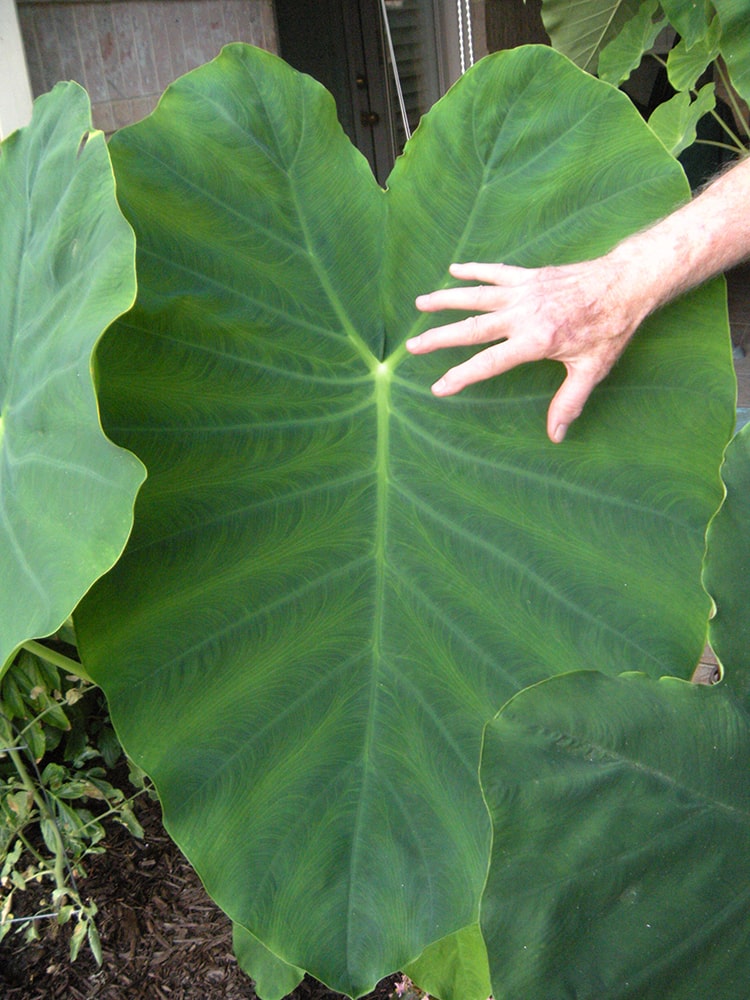
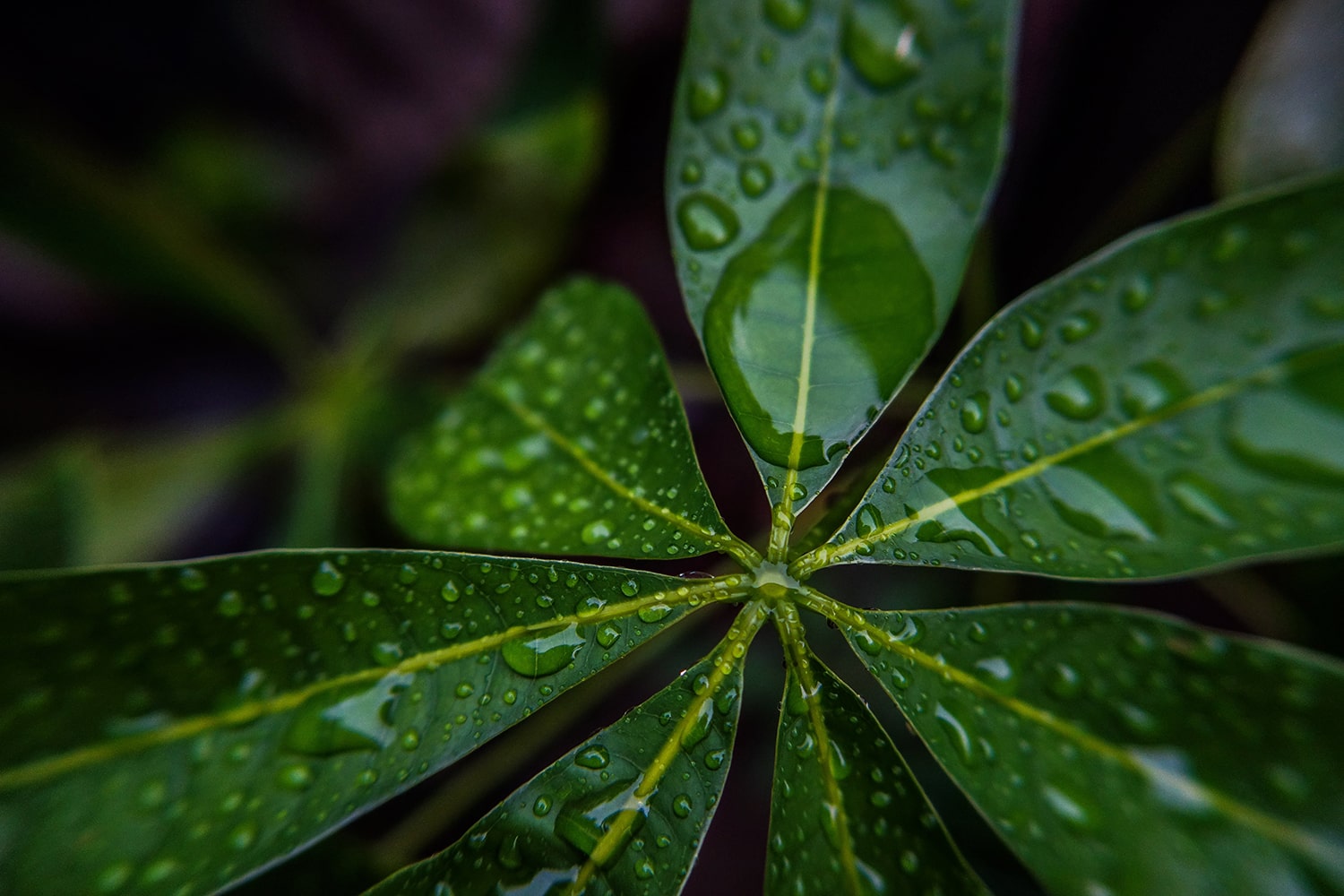
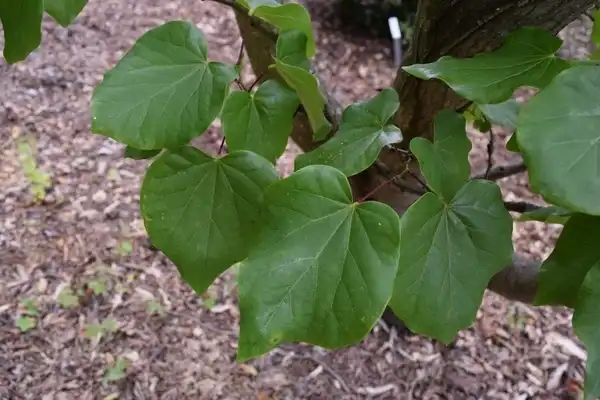
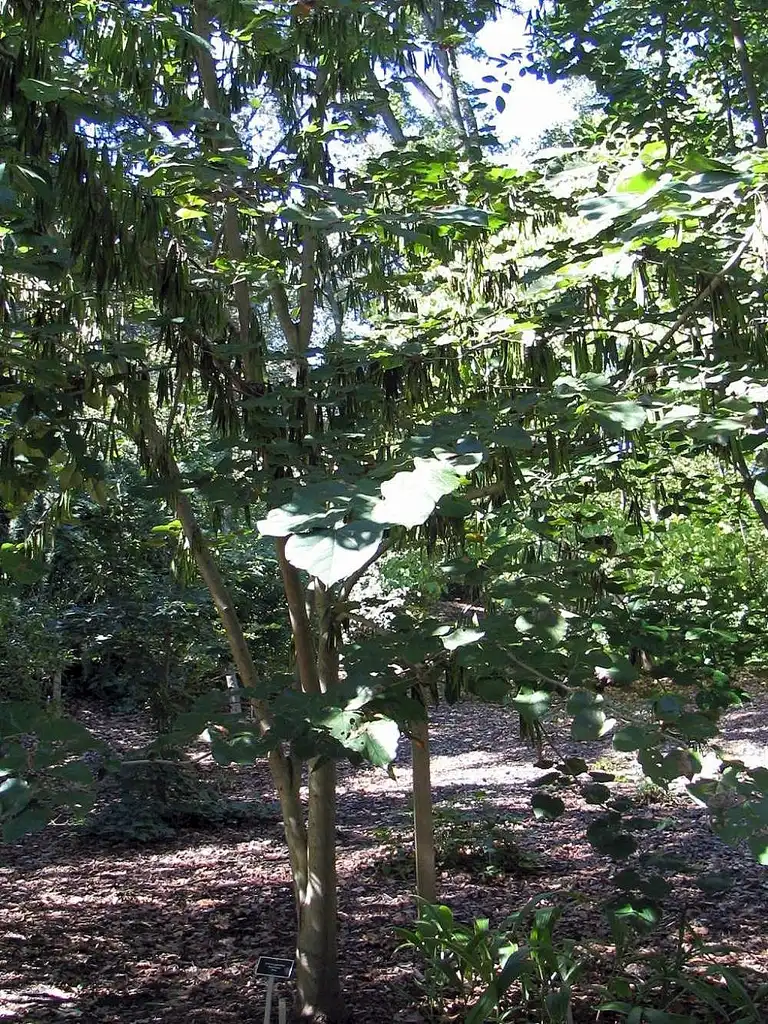
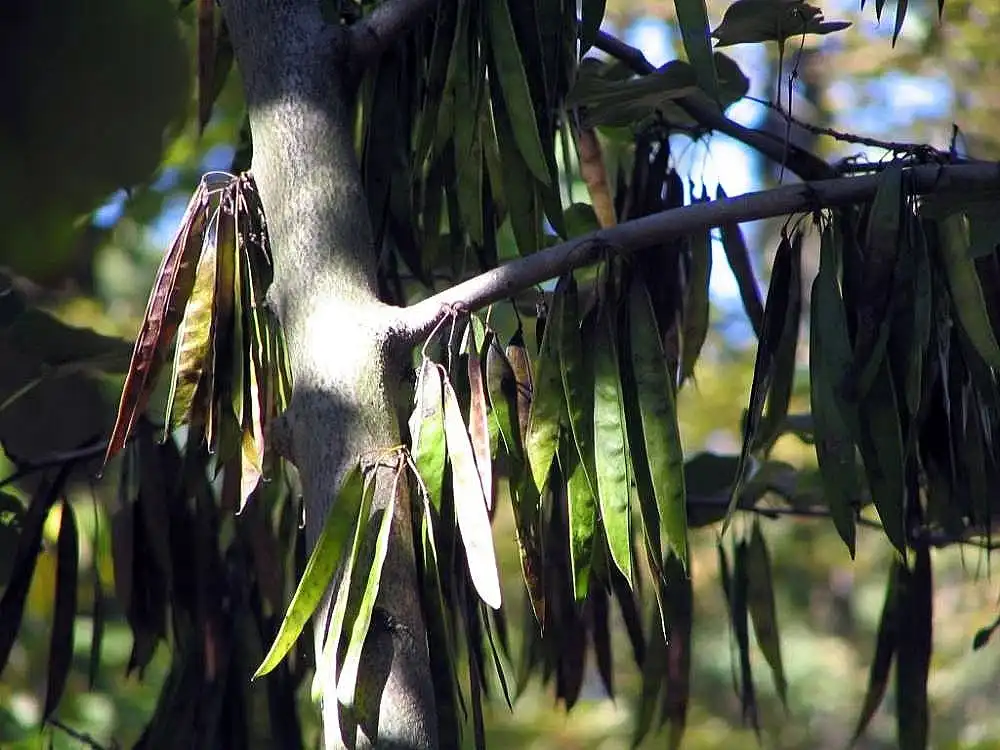
The foliage of the Giant Redbud is exactly as its name implies. With leaves measuring between 6 to 8 inches, it boasts the largest leaves within its genus. The name Cercis is derived from the Greek term "kerkis," which translates to "weaver's shuttle," a nod to the resemblance of its seed pods to the size and shape of the shuttles used in weaving. Additionally, the bark of its young shoots is utilized in basket weaving.
For optimal growth, this plant thrives in calcareous soils, which are characterized by their chalky texture and the presence of calcium carbonate.
While information on this species is somewhat limited, it is most closely related to Cercis chinensis. The Giant Redbud is notable for its significantly larger leaves and faster growth rate. Seeds obtained from the Shanghai Botanic Garden were propagated and were previously cultivated at the JC Raulston Arboretum at North Carolina State University. A particular specimen, which was removed in 2001, served as a crucial source of seeds. The propagation of these seeds has resulted in additional specimens, including one located at the US National Arboretum.
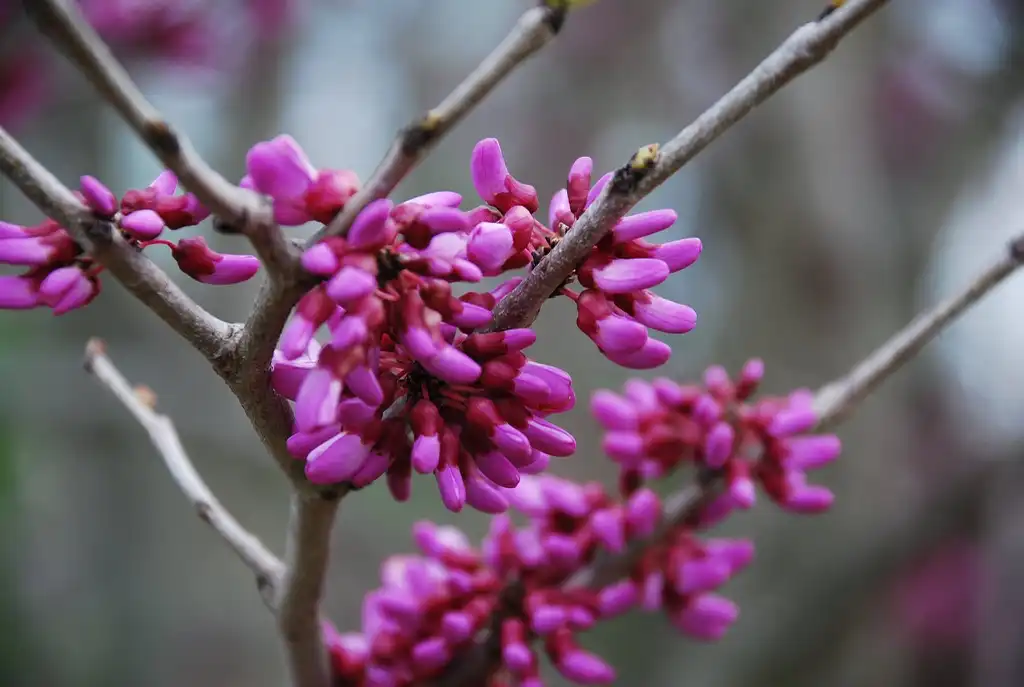
In terms of wildlife value, the flowers of the Giant Redbud attract bees with their nectar, and once pollinated, they develop into leguminous pods that birds can eat. This genus also supports the specialized bee species Habropoda laboriosa.
However, the tree is susceptible to damage from deer and does not fare well when its roots are confined by paving.
Cercis gigantea Feature Summary