Chamaecyparis nootkatensis: Uses (Ethnobotany)
The wood is used for cabinet making, boats, and cor carvings.
Phonetic Spelling:kal-ee-trop-sis noot-kuh-TEN-sis
Genus:Chamaecyparis
Species:nootkatensis
Family:Cupressaceae
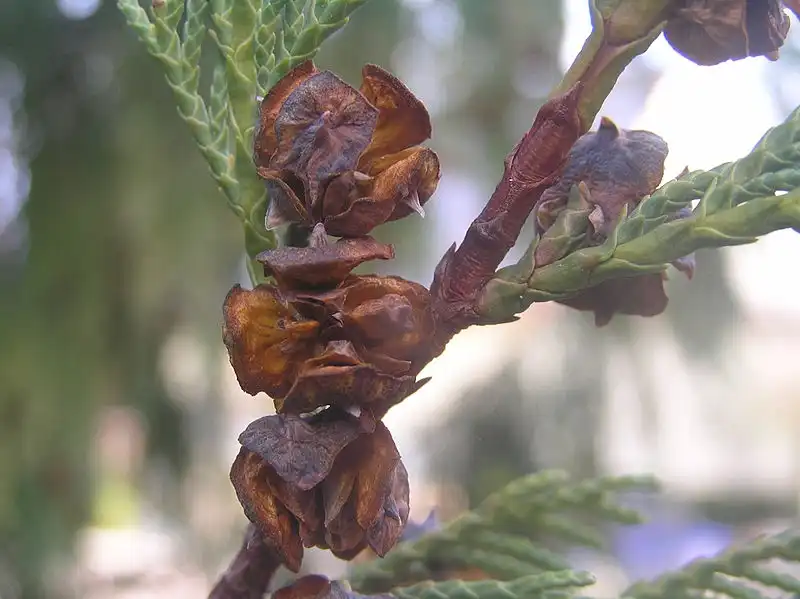
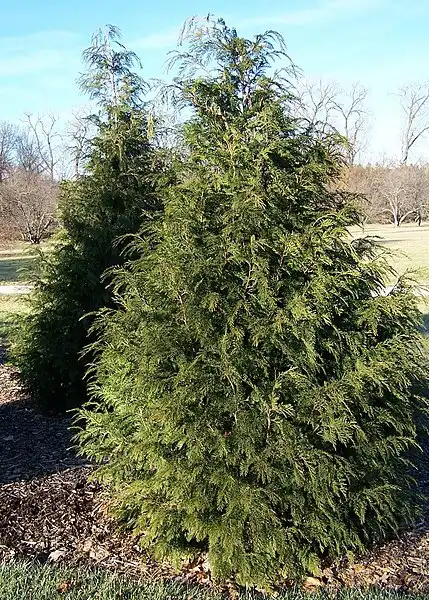
Nootka Cypress is an evergreen tree with needle-like leaves, belonging to the cypress family, and is indigenous to the Pacific coastline, stretching from Alaska to northern California. In its natural environment, it thrives in moist areas such as streams, ravines, and other locations with damp soil. This tree features elegant, drooping branches that curve upward at the tips, adorned with flattened sprays of gray-green or blue-green foliage. Typically, it grows slowly to heights of 30 to 45 feet and widths of 10 to 15 feet. However, under ideal conditions, particularly in the wild, it can experience rapid growth, sometimes adding over a foot in height each year, with some specimens reaching up to 90 feet tall.
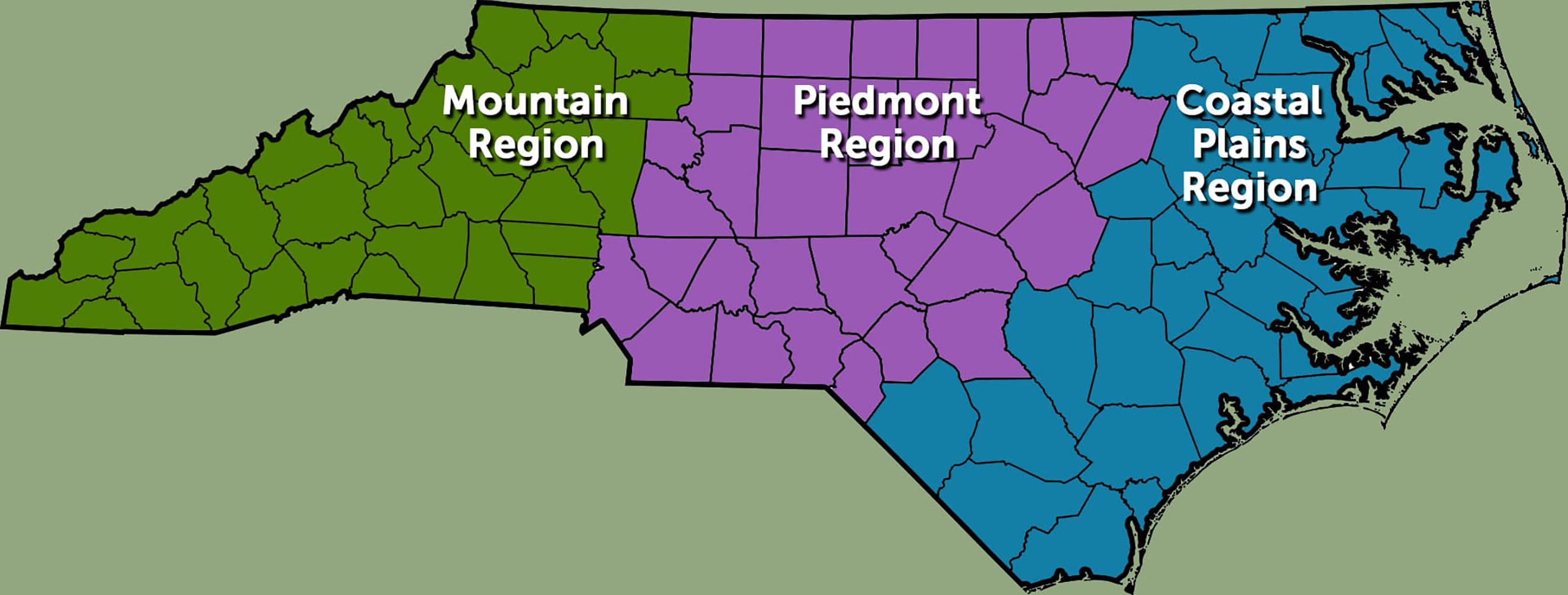
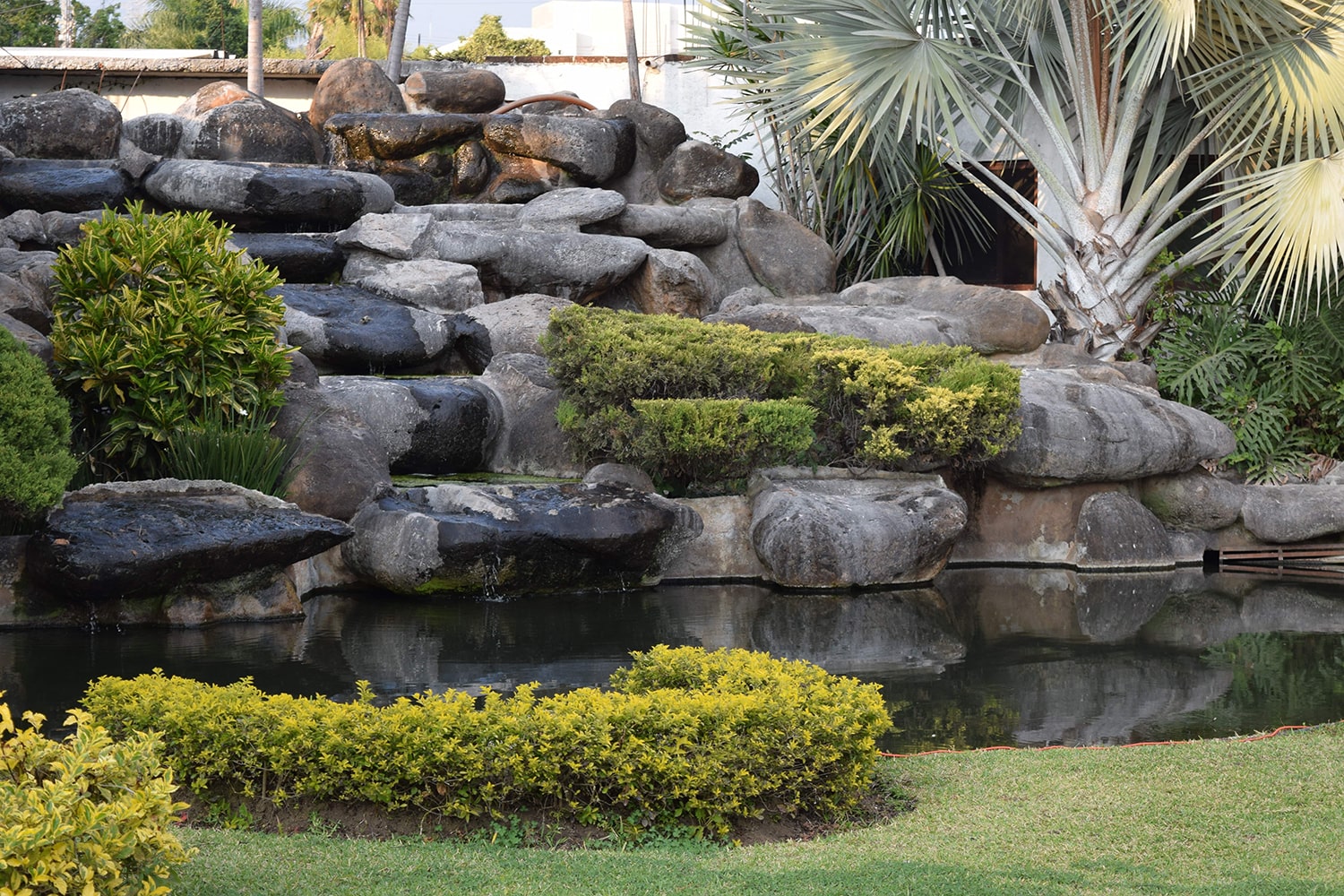
For optimal growth, Nootka Cypress prefers average moist soils with excellent drainage and thrives in full sun to partial shade. It is often cultivated as a specimen tree or planted along the edges of ponds and streams in the mountainous regions of North Carolina.
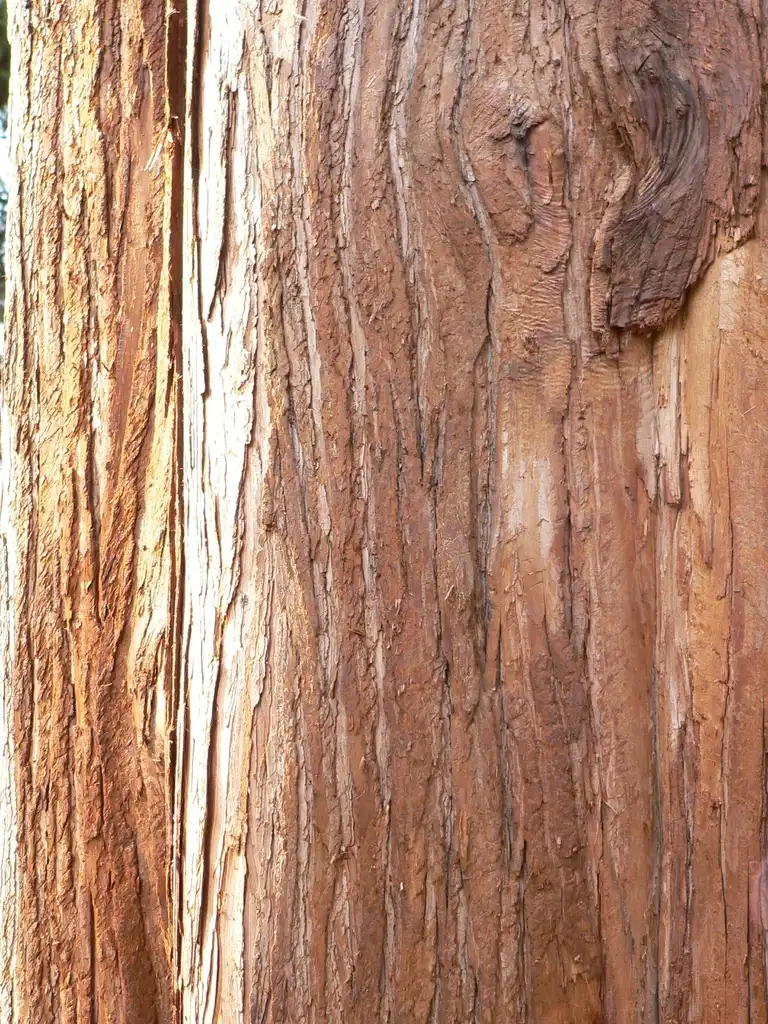
Pruning can be performed during the summer months, and this tree is quite resilient to trimming, provided that cuts do not penetrate into the brown bark wood, as such deep cuts can hinder its ability to regenerate.
The inner bark of the Nootka Cypress yields finely shredded fibers that are utilized in the production of mats and blankets. Its wood is known for being hard and durable, accompanied by a distinct resinous scent.
There has been some debate regarding the classification of this tree, which has been assigned to the genera Cupressus, Chamaecyparis, and Xanthocyparis. The species name is derived from its native region, Nootka Sound in British Columbia.
In terms of pests and diseases, while the Nootka Cypress is generally resistant, it can be vulnerable to beetle borers, spider mites, phytophthora, root rot, and rust. Additionally, it does not fare well in maritime conditions or areas with high atmospheric pollution.
Finding a supplier for this tree may prove to be challenging.
Chamaecyparis nootkatensis Feature Summary
Chamaecyparis nootkatensis Image Gallery