Plant Profile: Cirsium arvense

Taxonomy: Cirsium arvense

Names

Canada thistle, Creeping Thistle, Field Thistle, Swamp Thistle, Thistle

  • Photo of Cirsium arvense (Cirsium arvenses)

Phonetic Spelling:SIR-see-um ar-VEN-see

Genus:Cirsium

Species:arvense

Family:Asteraceae

Canadian Thistle is a robust, upright perennial weed belonging to the daisy family. This plant is originally from Europe, Asia, and Africa, where it thrives in wet meadows, swamps, bogs, and damp woodlands. It was brought to the United States in the 1600s and is now classified as a noxious weed in 43 states. Preferring moist soil and ranging from full sun to partial shade, it can adapt to various soil conditions and is often found in disturbed sites, clearings, or agricultural areas.

The name Creeping Thistle reflects its ability to spread through lateral root growth and wind-dispersed seeds, enabling it to quickly establish dense populations that can overshadow native vegetation. Its leaves are spiny, characteristic of thistles, and it produces purple-pink flowers during the summer months.

In terms of management challenges, Canada Thistle's extensive and aggressive root and shoot systems, along with its high seed production, make it particularly difficult to control. Regular mowing and hand-pulling over several years can help deplete its root reserves. However, effective management may require a combination of biological, chemical, and mechanical strategies.

Cirsium arvense Feature Summary
Cirsium arvense Image Gallery

Tags

#purple
#white
#full sun tolerant
#lavender
#perennial
#weedy
#fall interest
#aggressive
#NC native
#summer flowers
#wind dispersed seeds
#disturbed areas
#spring interest
#wildflower garden
#perennial weed
#partial shade tolerant

Similar Plants

Cirsium arvense Feature Summary

Attributes
The feathery pappus from the fruits was used by the Cherokee as fletching on their blow darts.
Eurasia, Northwestern Africa
Perennial
Fruit
Tiny dry 0.1" long with feathery white to light brown pappus
Flowers
There are male and female plants. Female flowers have a sence and male flowers do not. Pink, deep lavender, or white flowers; bracts are tomentose without spines. Flowering occurs from June-August and an average flower produces 2000 seeds per plant.
Purple/Lavender
White
< 1 inch
Leaves
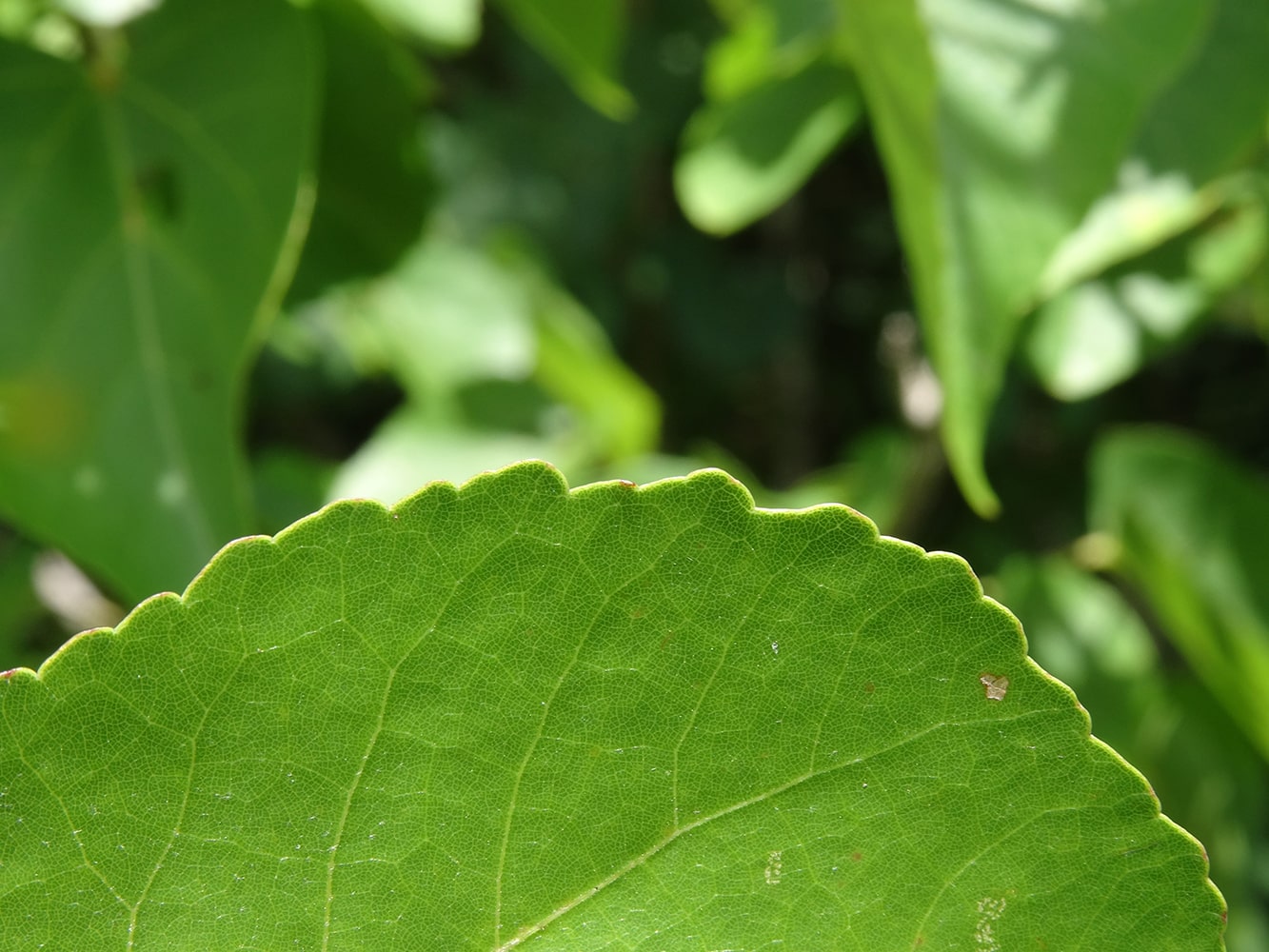
Dark green, deeply lobed, elliptic to oblong-lanceolate leaves 2"-6" long (5"-8" basal leaves) sometimes slightly clasping the stems; tomentose below and very prickly.
Alternate
Rosulate
Elliptical
Oblong
Lanceolate
3-6 inches
Prickly
Stem
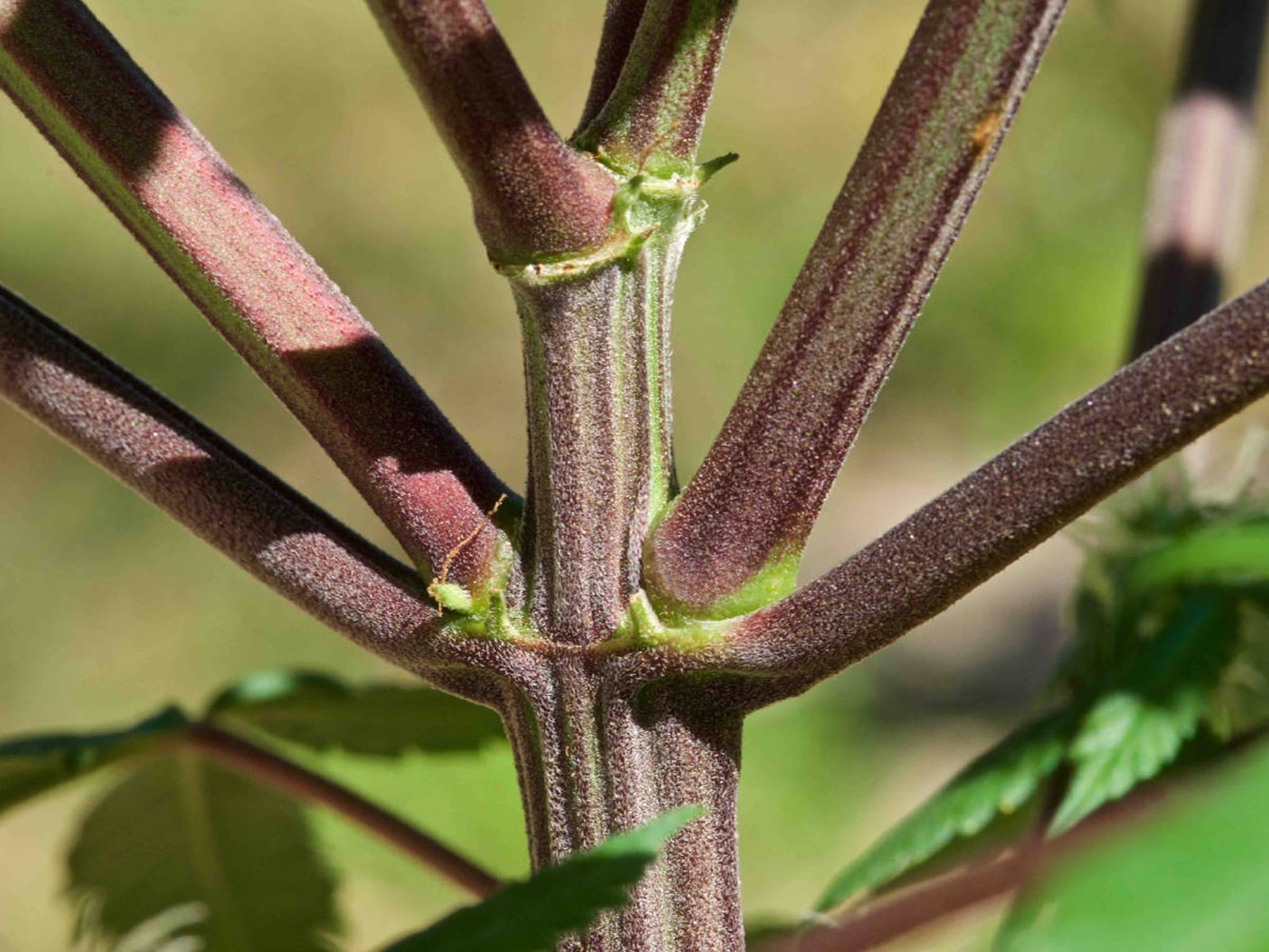
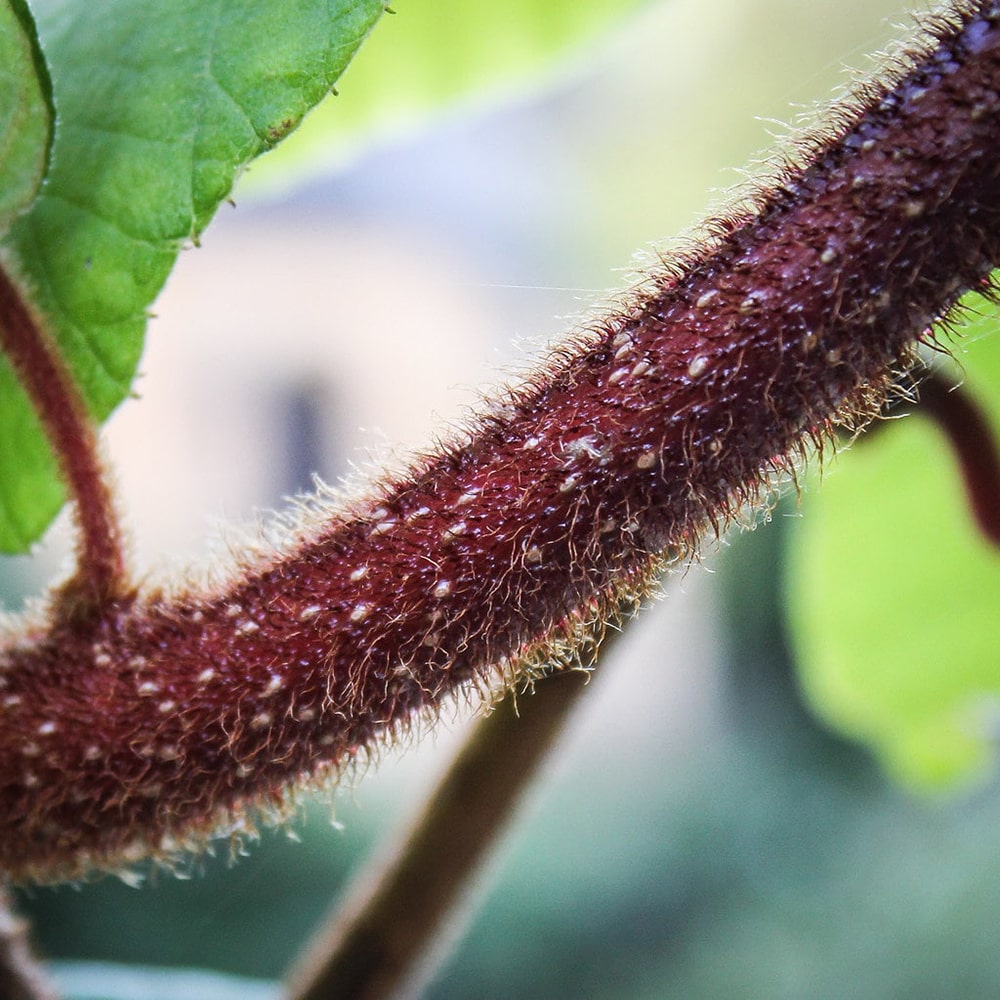
Ridged stems are hairy
Hairy (pubescent)
Whole Plant Traits
Perennial
Herbaceous Perennial
Weed
Coarse
Prickles
Cultural Conditions
Full sun (6 or more hours of direct sunlight a day)
Partial Shade (Direct sunlight only part of the day, 2-6 hours)
Moist
Occasionally Wet
Occasionally Dry
Very Dry
Clay
High Organic Matter
Loam (Silt)
Sand
Landscape
Weedy
Spines/Thorns

Cirsium arvense Attributes

Cirsium arvense: Uses (Ethnobotany)

The feathery pappus from the fruits was used by the Cherokee as fletching on their blow darts.

Cirsium arvense: Country Or Region Of Origin

Eurasia, Northwestern Africa

Cirsium arvense: Life Cycle

Annual
Biennial
Bulb
Perennial
Woody

Cirsium arvense: Recommended Propagation Strategy

Division
Grafting
Layering
Leaf Cutting
Root Cutting
Seed
Stem Cutting

Cirsium arvense Fruit

Cirsium arvense: Fruit Description

Tiny dry 0.1" long with feathery white to light brown pappus

Cirsium arvense: Fruit Type

Achene
Aggregate
Berry
Capsule
Caryopsis
Drupe
Follicle
Legume
Nut
Pome
Samara
Schizocarp
Siliqua

Cirsium arvense: Fruit Length

< 1 inch
1-3 inches
> 3 inches

Cirsium arvense Flowers

Cirsium arvense: Flower Description

There are male and female plants. Female flowers have a sence and male flowers do not. Pink, deep lavender, or white flowers; bracts are tomentose without spines. Flowering occurs from June-August and an average flower produces 2000 seeds per plant.

Cirsium arvense: Flower Color

filter_vintage
Purple/Lavender
filter_vintage
White

Cirsium arvense: Flower Value To Gardener

Edible
Fragrant
Good Cut
Good Dried
Long Bloom Season
Long-lasting
Showy

Cirsium arvense: Flower Bloom Time

Winter
Spring
Summer
Fall

Cirsium arvense: Flower Size

1-3 inches
3-6 inches
< 1 inch
> 6 inches

Cirsium arvense Leaves

Cirsium arvense: Leaf Description

Dark green, deeply lobed, elliptic to oblong-lanceolate leaves 2"-6" long (5"-8" basal leaves) sometimes slightly clasping the stems; tomentose below and very prickly.

Cirsium arvense: Leaf Color

spa
Green

Cirsium arvense: Leaf Type

Compound (Pinnately , Bipinnately, Palmately)
Fronds
Needles
Sheath
Simple

Cirsium arvense: Leaf Arrangement

Alternate
Opposite
Other/more complex
Rosulate
Whorled

Cirsium arvense: Leaf Shape

Acicular
Auriculate
Cordate
Cuneate
Deltoid
Elliptical
Filiform
Lanceolate
Linear
Oblanceolate
Oblong
Obovate
Obtuse
Orbicular
Ovate
Palmasect
Palmatifid
Peltate
Pinnatifid
Pinnatisect
Reniform
Rhomboidal
Spatulate
Subcordate
Subulate

Cirsium arvense: Leaf Margin

Crenate
Crenulate
Dentate
Denticulate
Doubly Crenate
Doubly Dentate
Doubly Serrate
Entire
Lobed
Serrate
Sinuate
Undulate

Cirsium arvense: Hairs Present

No
Yes

Cirsium arvense: Leaf Length

< 1 inch
1-3 inches
3-6 inches
> 6 inches

Cirsium arvense: Leaf Feel

Fleshy
Glossy
Leathery
Papery
Prickly
Rough
Rubbery
Slippery
Smooth
Soft
Velvety
Waxy

Cirsium arvense Stem

Cirsium arvense: Stem Description

Ridged stems are hairy

Cirsium arvense: Stem Color

grass
Green

Cirsium arvense: Stem Is Aromatic

No
Yes

Cirsium arvense: Stem Surface

Corky Ridges
Covered with a powdery bloom (glaucous)
Dull
Hairy (pubescent)
Polished
Smooth (glabrous)

Cirsium arvense Whole Plant Traits

Cirsium arvense: Plant Type

Annual
Bulb
Carnivorous
Edible
Epiphyte
Fern
Ground Cover
Herb
Herbaceous Perennial
Houseplant
Mushroom
Native Plant
Ornamental Grasses and Sedges
Perennial
Poisonous
Rose
Shrub
Succulent
Tree
Turfgrass
Vegetable
Vine
Water Plant
Weed
Wildflower

Cirsium arvense: Habit/Form

Arching
Ascending
Broad
Cascading
Climbing
Clumping
Columnar
Conical
Creeping
Dense
Erect
Horizontal
Irregular
Mounding
Multi-stemmed
Multi-trunked
Open
Oval
Prostrate
Pyramidal
Rounded
Spreading
Vase
Weeping

Cirsium arvense: Growth Rate

Slow
Medium
Rapid

Cirsium arvense: Maintenance

Low
Medium
High

Cirsium arvense: Texture

Fine
Medium
Coarse

Cirsium arvense: Appendage

Prickles
Spines
Tendrils
Thorns

Cirsium arvense Cultural Conditions

Cirsium arvense: Light

Dappled Sunlight (Shade through upper canopy all day)
Deep shade (Less than 2 hours to no direct sunlight)
Full sun (6 or more hours of direct sunlight a day)
Partial Shade (Direct sunlight only part of the day, 2-6 hours)

Cirsium arvense: Soil Drainage

Frequent Standing Water
Good Drainage
Moist
Occasional Flooding
Occasionally Dry
Occasionally Wet
Very Dry

Cirsium arvense: Available Space To Plant

12 inches-3 feet
12-24 feet
24-60 feet
3 feet-6 feet
6-feet-12 feet
Less than 12 inches
more than 60 feet

Cirsium arvense: Soil Texture

Clay
High Organic Matter
Loam (Silt)
Sand
Shallow Rocky

Cirsium arvense Landscape

Cirsium arvense: Problems

Allelopathic
Contact Dermatitis
Frequent Disease Problems
Frequent Insect Problems
Invasive Species
Malodorous
Messy
Poisonous to Humans
Problem for Cats
Problem for Children
Problem for Dogs
Problem for Horses
Short-lived
Spines/Thorns
Weak Wood
Weedy