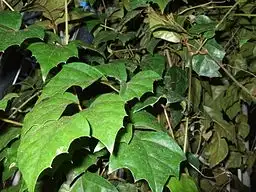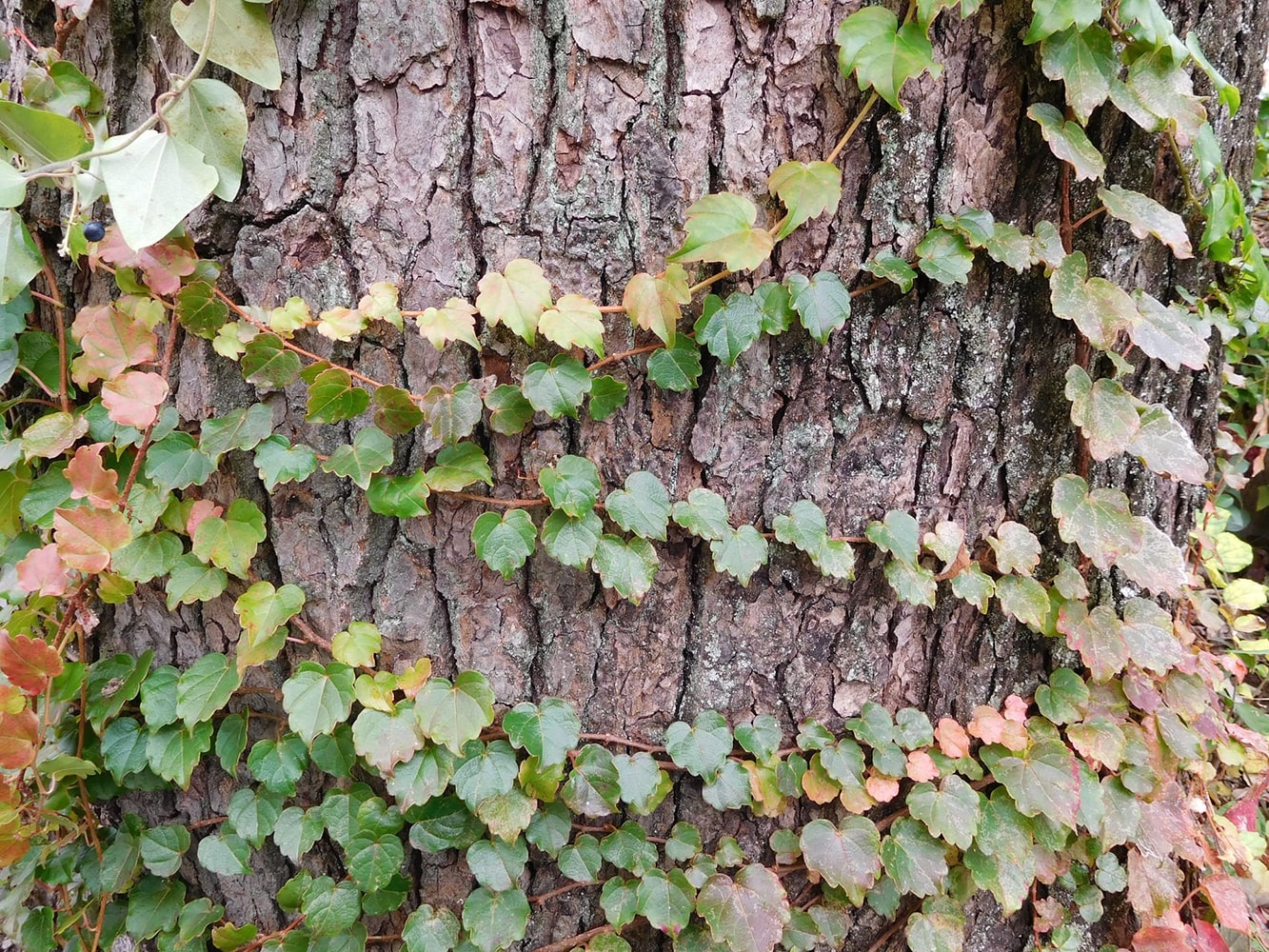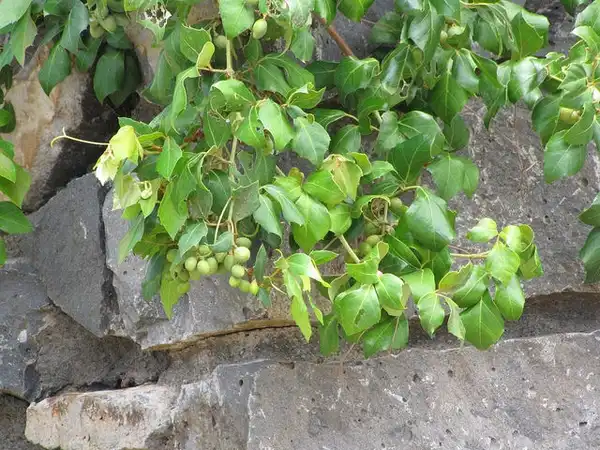
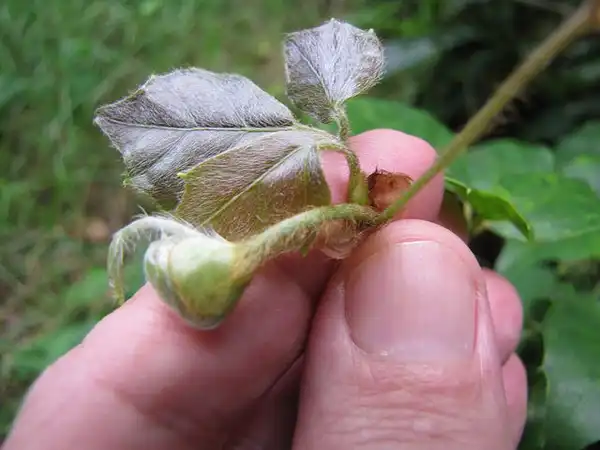
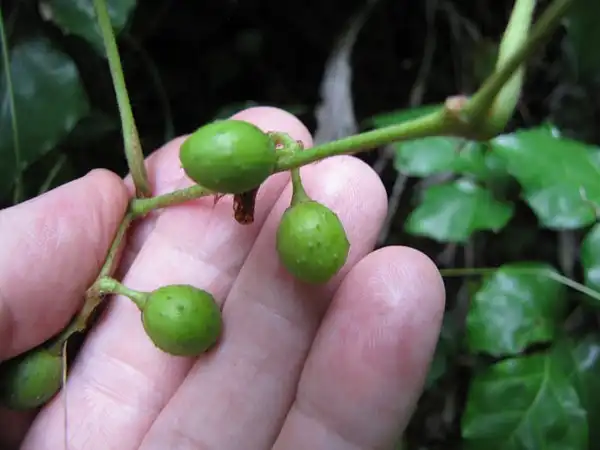
• Photo of Cissus alata (Cissus alatas)

Plant Profile: Cissus alata

Names

Grape Ivy, Grape Leaf Ivy, Oak Leaf Ivy, Venezuela treebine

  • Photo of Cissus alata (Cissus alatas)

Phonetic Spelling:SIS-us a-LAY-tuh

Genus:Cissus

Species:alata

Family:Vitaceae

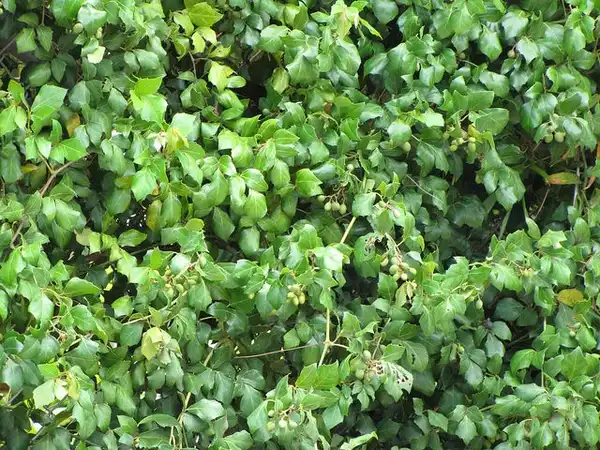
The Grape Ivy is a subtropical evergreen perennial vine that climbs using tendrils. This popular houseplant thrives in hanging baskets or on trellises. It’s important to let the soil dry out between waterings and to fertilize it four times a year during its growing season. The presence of dark green leaves indicates that the plant is receiving sufficient nutrients. It prefers average to cool indoor temperatures and bright, indirect sunlight.

Common Pests and Diseases: This plant may encounter issues such as leaf spots, mildew, mealybugs, spider mites, and scales. Leaves may drop if the plant is either overwatered or underwatered.

Identification Tips: A distinctive feature of this vine is its forked tendril, which is located opposite the three-parted leaf. It is prized for its glossy, dark green foliage and its ability to thrive in less-than-ideal conditions. Grape Ivy is often used in hanging arrangements, on trellises, or as ground cover in interior landscapes.

In indoor environments: This plant can tolerate low humidity and moderate light levels, prefers consistently moist soil, grows quickly, but is susceptible to root rot and pests.

Cissus alata Feature Summary

Cissus alata Image Gallery

Tags

#houseplant
#green
#showy leaves
#interiorscape
#hanging baskets
#spreading
#trellises
#vines
#ivy
#groundcover
#fantz
#partial shade tolerant
#non-toxic for horses
#non-toxic for dogs
#non-toxic for cats
#container plants

Similar Plants

Cissus alata Feature Summary

Attributes
Fruit
A dry berry, purple-black, non-ornamental and rare indoors.
Flowers
insignificant (3-10) greenish-white, small, seldom seen in cultivation, a compound cyme, axillary.
Insignificant
Cyme
Leaves
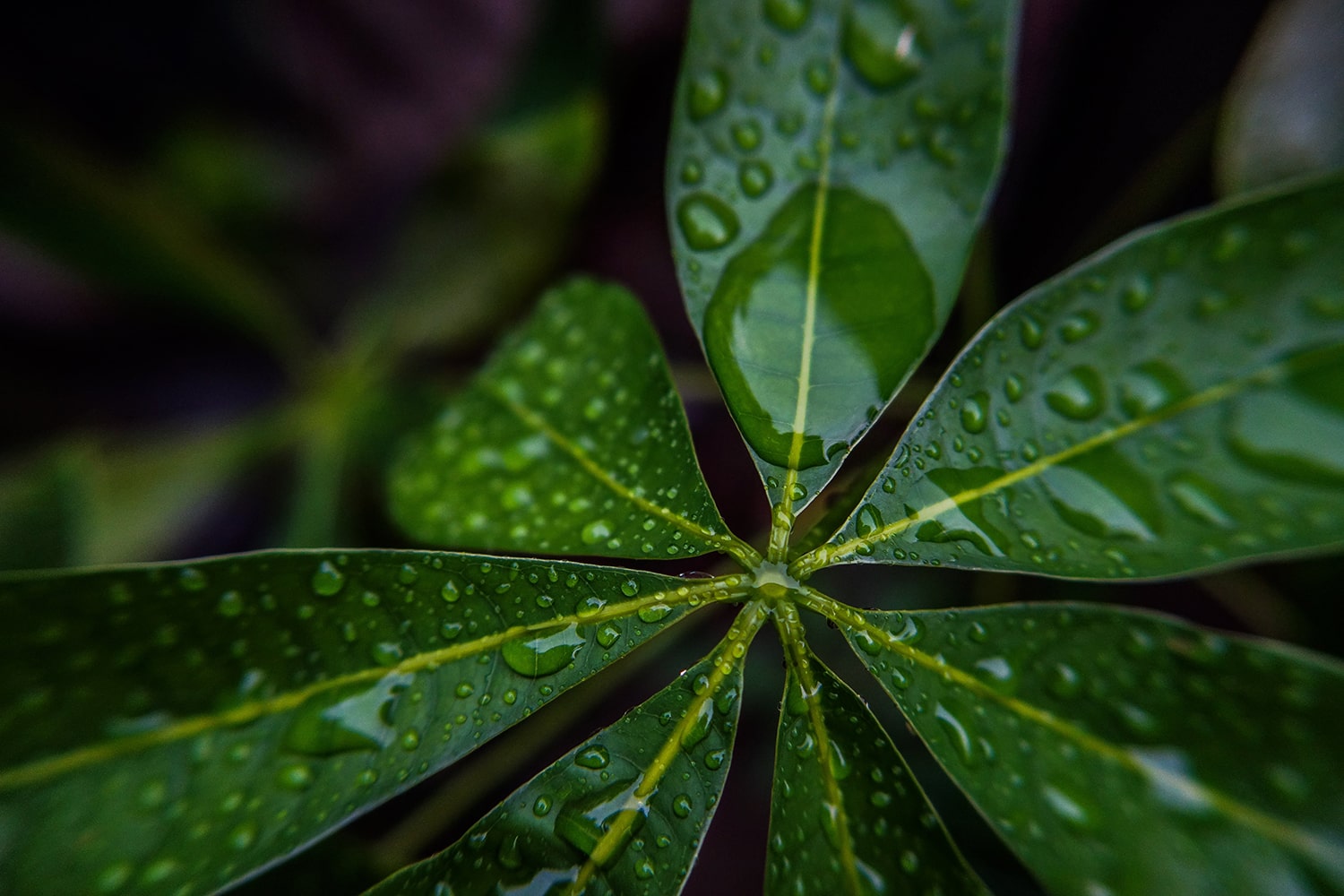
This plant has leathery, glossy, green, and ovate leaves in a trifoliate pattern that grows up to 8 inches long with toothed margins towards the tips. Silky brown hairs on the undersides. Opposite with one leaf missing or a forked tendril, ternately compound; segments rhombic-ovate, acute, cuneate, remotely sharply dentate, shiny dark green above, red pubescent on veins beneath; petioles rusty pubescent.
Compound (Pinnately , Bipinnately, Palmately)
Opposite
Other/more complex
Ovate
Rhomboidal
Cuneate
> 6 inches
Glossy
Leathery
Stem
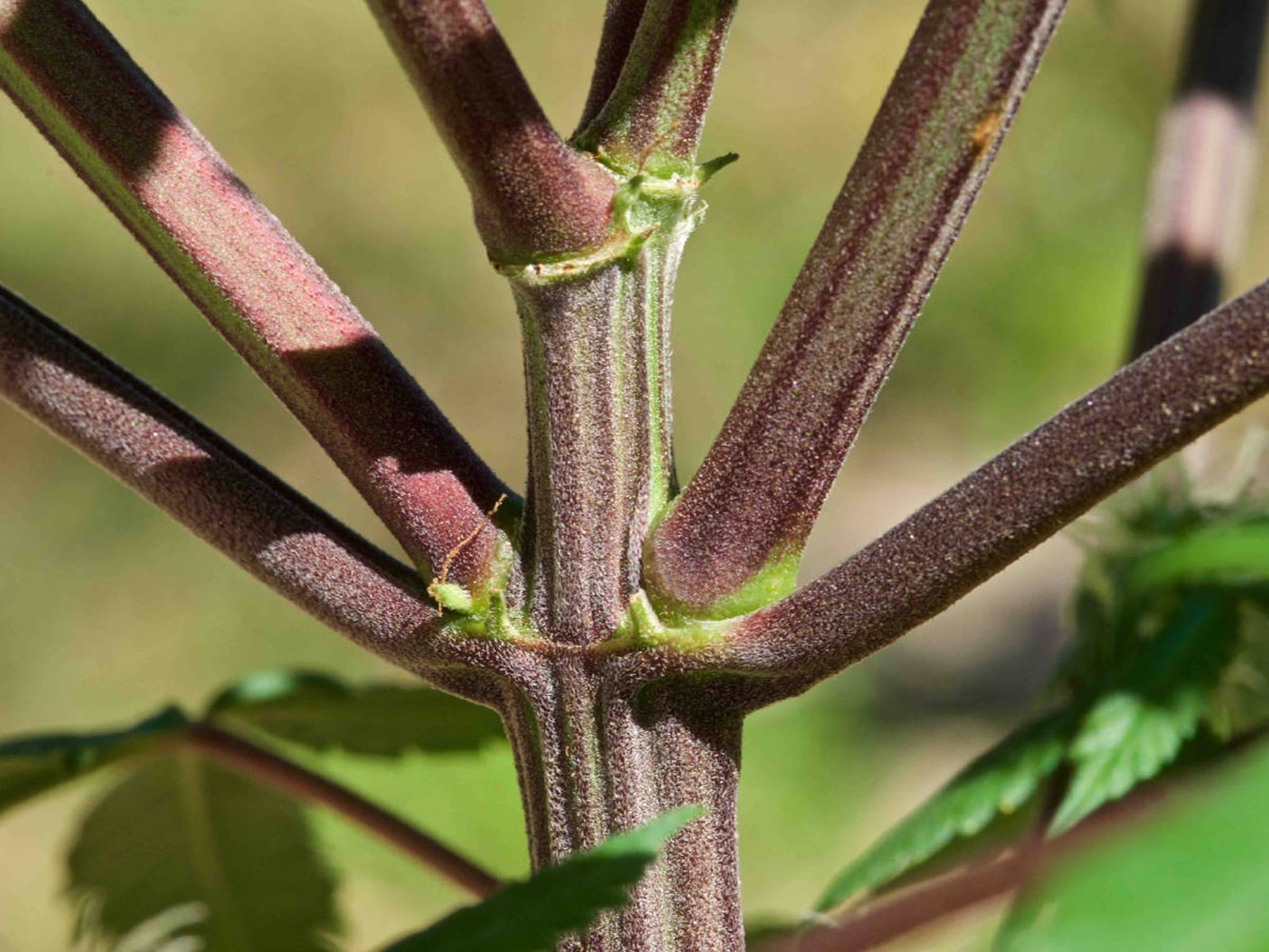
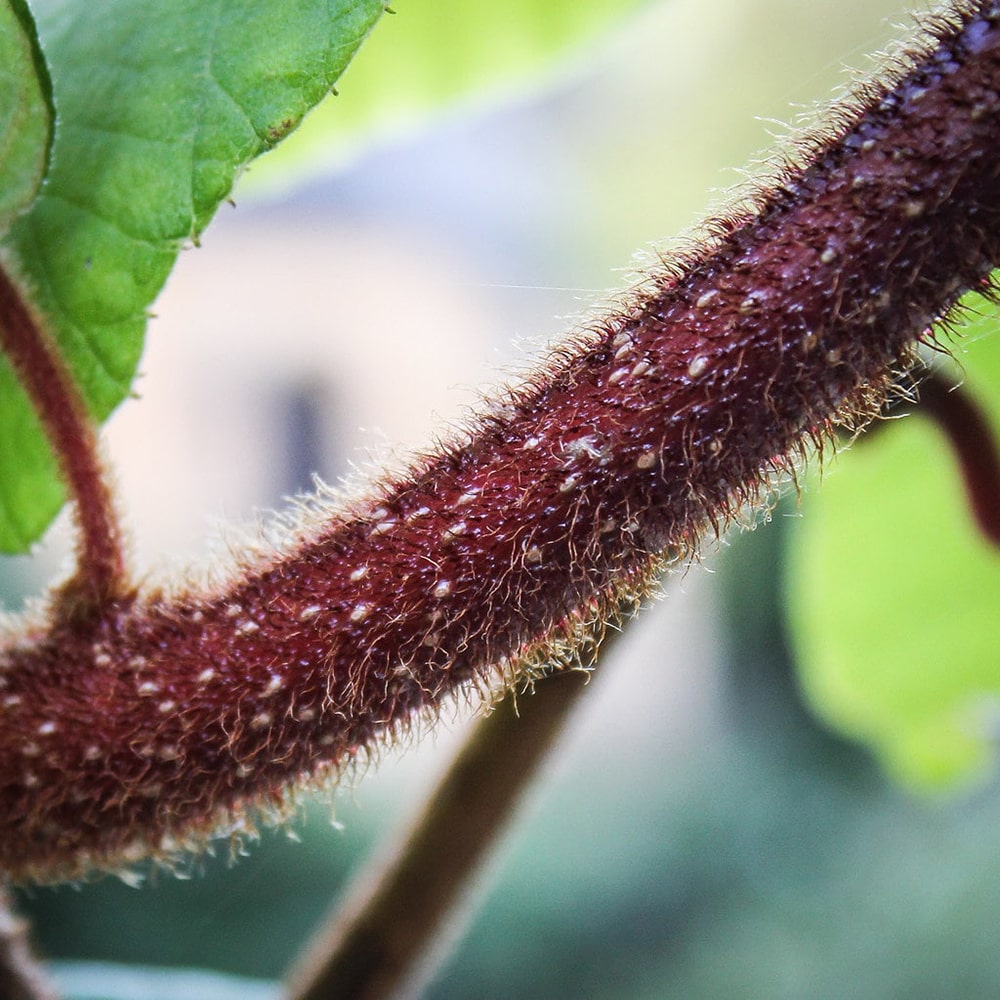
Stems yellow with reddish hairs when young.
Red/Burgundy
Gold/Yellow
Hairy (pubescent)
Whole Plant Traits
Vine
Houseplant
Climbing
Cascading
Medium
Cultural Conditions
Partial Shade (Direct sunlight only part of the day, 2-6 hours)
Dappled Sunlight (Shade through upper canopy all day)
Good Drainage
Loam (Silt)
Landscape
Container
Houseplants
Hanging Baskets

Cissus alata Attributes

Cissus alata: Country Or Region Of Origin

Mexico to Bolivia and Trinidad
Cissus alata: Life Cycle

Annual
Biennial
Bulb
Perennial
Woody

Cissus alata: Recommended Propagation Strategy

Division
Grafting
Layering
Leaf Cutting
Root Cutting
Seed
Stem Cutting

Cissus alata: Climbing Method

Clinging
Scrambler
Tendrils
Twining

Cissus alata Fruit

Cissus alata: Fruit Description

A dry berry, purple-black, non-ornamental and rare indoors.

Cissus alata: Fruit Type

Achene
Aggregate
Berry
Capsule
Caryopsis
Drupe
Follicle
Legume
Nut
Pome
Samara
Schizocarp
Siliqua

Cissus alata Flowers

Cissus alata: Flower Description

insignificant (3-10) greenish-white, small, seldom seen in cultivation, a compound cyme, axillary.

Cissus alata: Flower Color

filter_vintage
Green

Cissus alata: Flower Inflorescence

Catkin
Corymb
Cyme
Head
Insignificant
Panicle
Raceme
Solitary
Spadix
Spike
Umbel

Cissus alata Leaves

Cissus alata: Leaf Description

This plant has leathery, glossy, green, and ovate leaves in a trifoliate pattern that grows up to 8 inches long with toothed margins towards the tips. Silky brown hairs on the undersides. Opposite with one leaf missing or a forked tendril, ternately compound; segments rhombic-ovate, acute, cuneate, remotely sharply dentate, shiny dark green above, red pubescent on veins beneath; petioles rusty pubescent.

Cissus alata: Leaf Color

spa
Green

Cissus alata: Leaf Type

Compound (Pinnately , Bipinnately, Palmately)
Fronds
Needles
Sheath
Simple

Cissus alata: Leaf Arrangement

Alternate
Opposite
Other/more complex
Rosulate
Whorled

Cissus alata: Leaf Shape

Acicular
Auriculate
Cordate
Cuneate
Deltoid
Elliptical
Filiform
Lanceolate
Linear
Oblanceolate
Oblong
Obovate
Obtuse
Orbicular
Ovate
Palmasect
Palmatifid
Peltate
Pinnatifid
Pinnatisect
Reniform
Rhomboidal
Spatulate
Subcordate
Subulate

Cissus alata: Leaf Margin

Crenate
Crenulate
Dentate
Denticulate
Doubly Crenate
Doubly Dentate
Doubly Serrate
Entire
Lobed
Serrate
Sinuate
Undulate

Cissus alata: Hairs Present

No
Yes

Cissus alata: Leaf Length

< 1 inch
1-3 inches
3-6 inches
> 6 inches

Cissus alata: Leaf Feel

Fleshy
Glossy
Leathery
Papery
Prickly
Rough
Rubbery
Slippery
Smooth
Soft
Velvety
Waxy

Cissus alata Stem

Cissus alata: Stem Description

Stems yellow with reddish hairs when young.

Cissus alata: Stem Color

grass
Gold/Yellow
grass
Red/Burgundy

Cissus alata: Stem Is Aromatic

No
Yes

Cissus alata: Stem Surface

Corky Ridges
Covered with a powdery bloom (glaucous)
Dull
Hairy (pubescent)
Polished
Smooth (glabrous)

Cissus alata Whole Plant Traits

Cissus alata: Plant Type

Annual
Bulb
Carnivorous
Edible
Epiphyte
Fern
Ground Cover
Herb
Herbaceous Perennial
Houseplant
Mushroom
Native Plant
Ornamental Grasses and Sedges
Perennial
Poisonous
Rose
Shrub
Succulent
Tree
Turfgrass
Vegetable
Vine
Water Plant
Weed
Wildflower

Cissus alata: Habit/Form

Arching
Ascending
Broad
Cascading
Climbing
Clumping
Columnar
Conical
Creeping
Dense
Erect
Horizontal
Irregular
Mounding
Multi-stemmed
Multi-trunked
Open
Oval
Prostrate
Pyramidal
Rounded
Spreading
Vase
Weeping

Cissus alata: Growth Rate

Slow
Medium
Rapid

Cissus alata: Texture

Fine
Medium
Coarse

Cissus alata Cultural Conditions

Cissus alata: Light

Dappled Sunlight (Shade through upper canopy all day)
Deep shade (Less than 2 hours to no direct sunlight)
Full sun (6 or more hours of direct sunlight a day)
Partial Shade (Direct sunlight only part of the day, 2-6 hours)

Cissus alata: Soil Drainage

Frequent Standing Water
Good Drainage
Moist
Occasional Flooding
Occasionally Dry
Occasionally Wet
Very Dry

Cissus alata: Soil Texture

Clay
High Organic Matter
Loam (Silt)
Sand
Shallow Rocky

Cissus alata Landscape

Cissus alata: Landscape Location

Coastal
Container
Hanging Baskets
Houseplants
Lawn
Meadow
Naturalized Area
Near Septic
Patio
Pond
Pool/Hardscape
Recreational Play Area
Riparian
Rock Wall
Slope/Bank
Small Space
Vertical Spaces
Walkways
Woodland