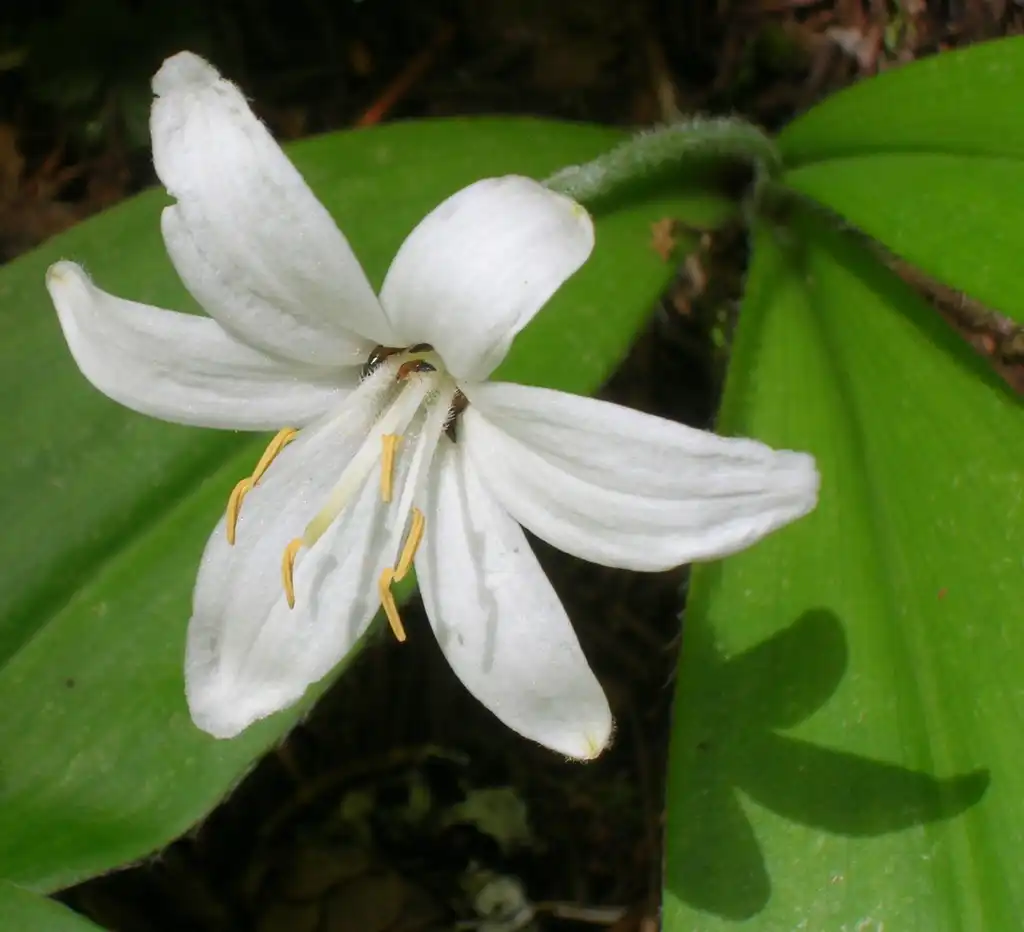
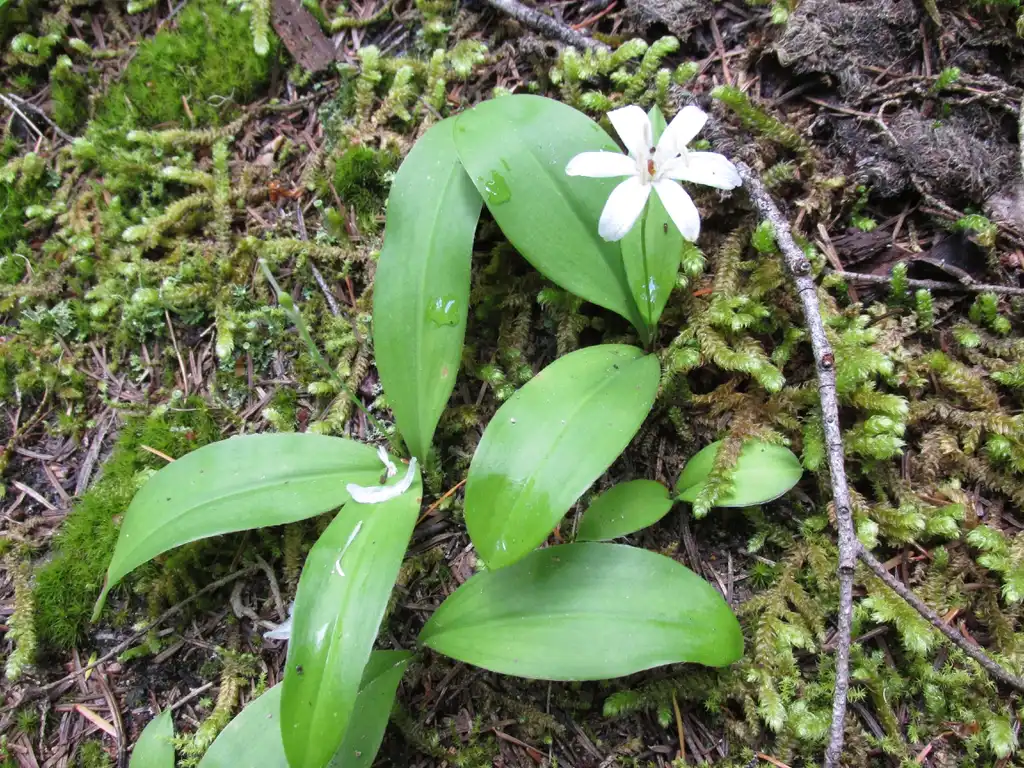
• Photo of Clintonia uniflora (Clintonia unifloras)

Plant Profile: Clintonia uniflora

Taxonomy: Clintonia uniflora

Names

Bride's Bonnet, Queencup, Queen's Cup

  • Photo of Clintonia uniflora (Clintonia unifloras)

Phonetic Spelling:klin-TOH-nee-uh yoo-nih-FLOR-uh

Genus:Clintonia

Species:uniflora

Family:Liliaceae

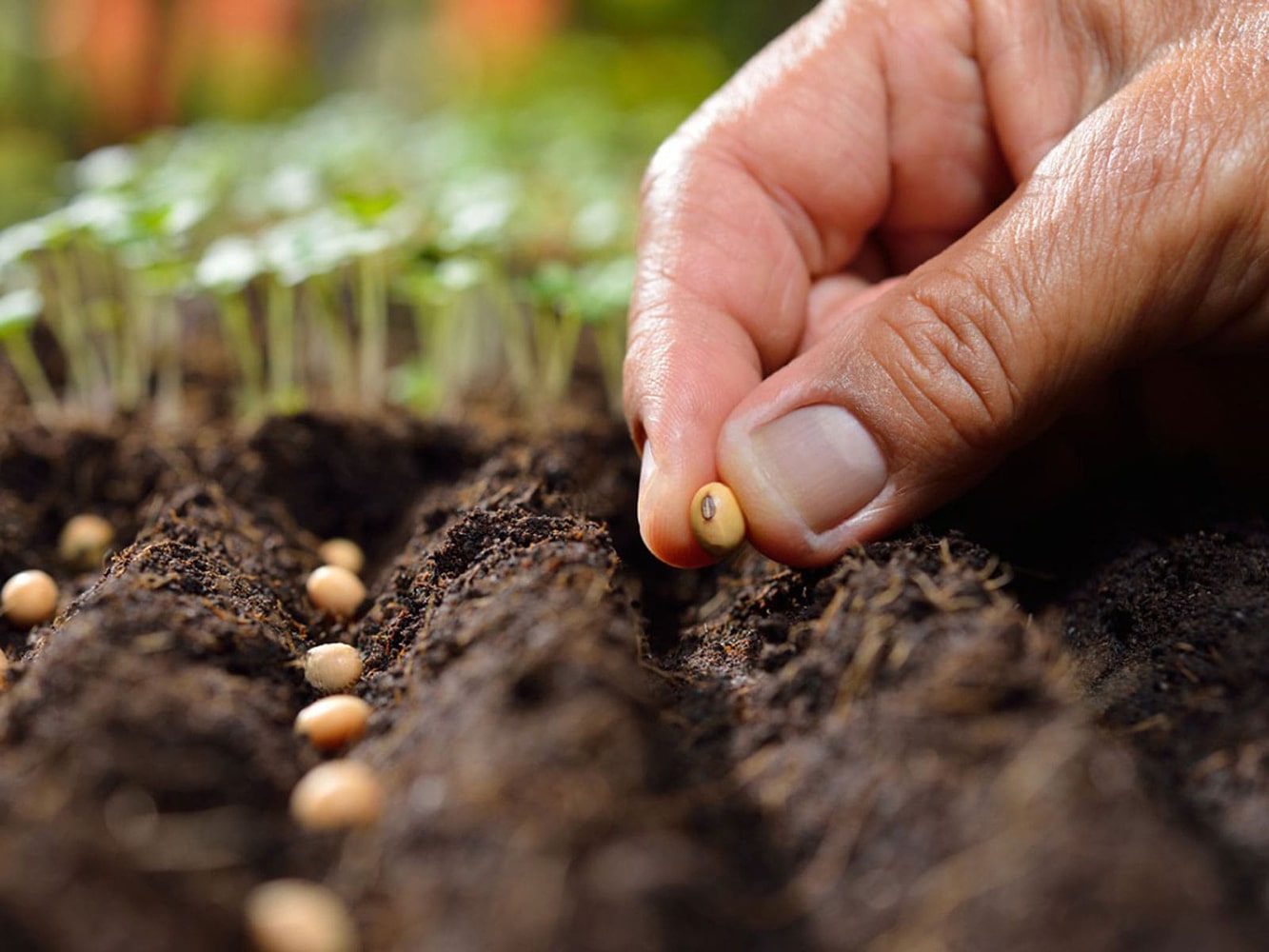
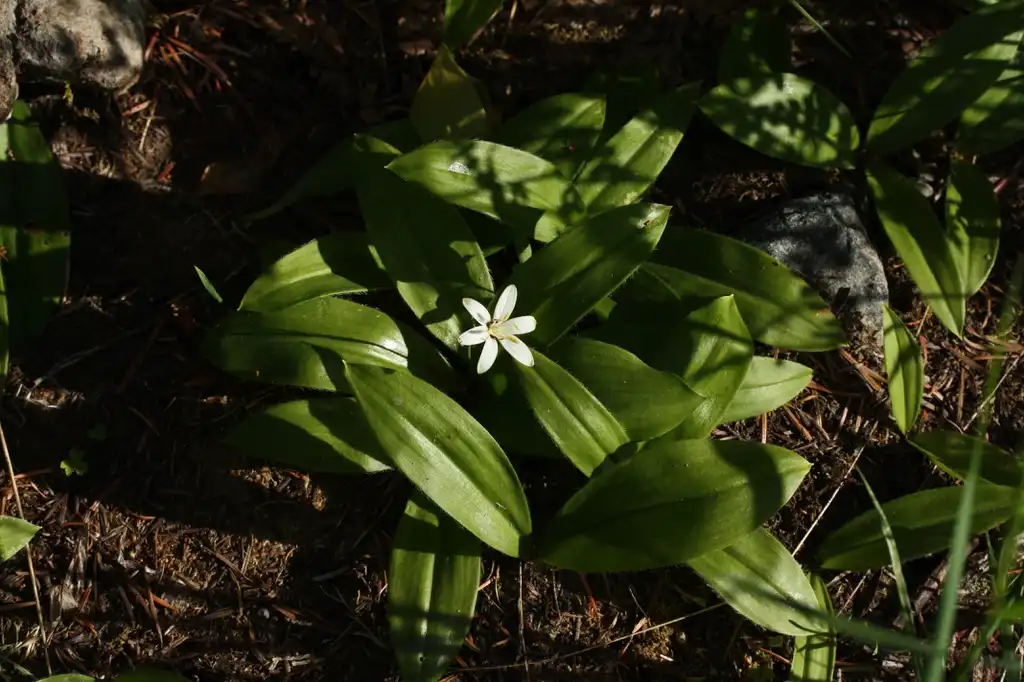
The Queen's Cup is a long-lasting flowering plant belonging to the lily family, found in the mountainous areas of western North America. It thrives in environments with partial to full shade and prefers rich, moist soil. This plant is characterized by its striking white flowers with six petals and large, blade-like green leaves. Propagation can be achieved through root division in the spring or by sowing seeds, although plants grown from seeds may take as long as four years to bloom. Additionally, it is susceptible to damage from slugs.

Clintonia uniflora Feature Summary

Clintonia uniflora Image Gallery

Tags

#showy flowers
#white flowers
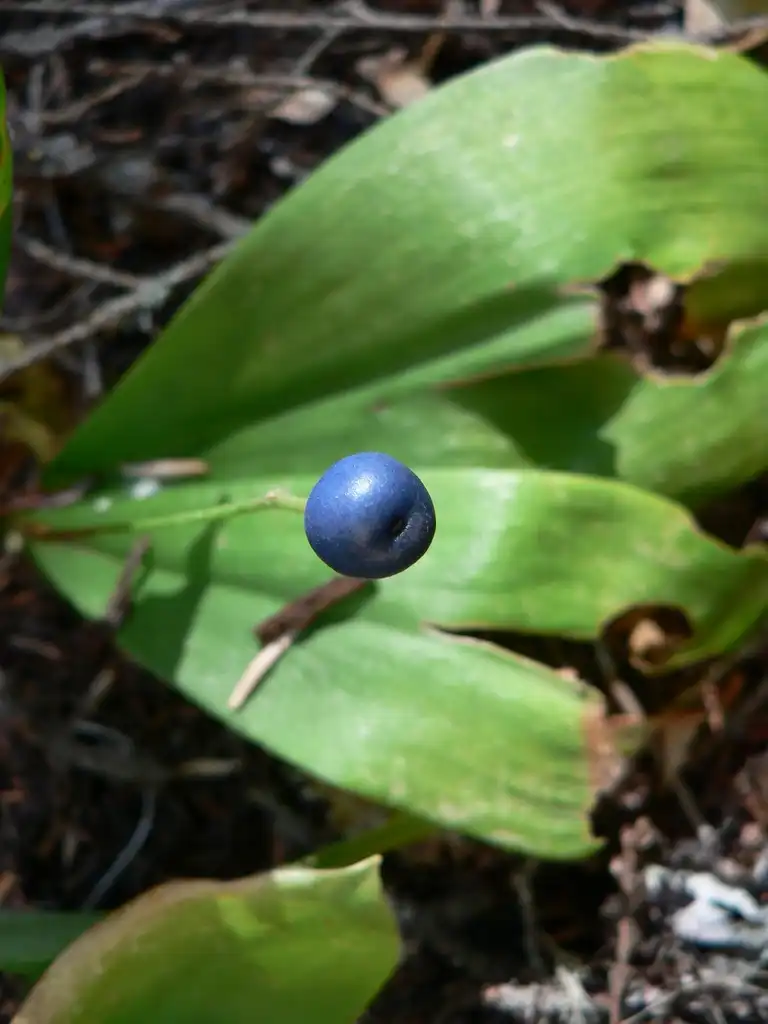
#blue fruits
#late spring flowers
#mid-summer flowers
#early summer flowers
#non-toxic for horses
#non-toxic for dogs
#non-toxic for cats
#heavy shade tolerant

Similar Plants

Clintonia uniflora Feature Summary

Attributes
Alaska to California
Ruffled grouse are attracted to the fruits.
Perennial
Whole Plant Traits
Perennial
Herbaceous Perennial
Cultural Conditions
Partial Shade (Direct sunlight only part of the day, 2-6 hours)
Deep shade (Less than 2 hours to no direct sunlight)
Landscape

Clintonia uniflora Attributes

Clintonia uniflora: Country Or Region Of Origin

Alaska to California
Clintonia uniflora: Wildlife Value

Ruffled grouse are attracted to the fruits.

Clintonia uniflora: Life Cycle

Annual
Biennial
Bulb
Perennial
Woody

Clintonia uniflora: Recommended Propagation Strategy

Division
Grafting
Layering
Leaf Cutting
Root Cutting
Seed
Stem Cutting

Clintonia uniflora Whole Plant Traits

Clintonia uniflora: Plant Type

Annual
Bulb
Carnivorous
Edible
Epiphyte
Fern
Ground Cover
Herb
Herbaceous Perennial
Houseplant
Mushroom
Native Plant
Ornamental Grasses and Sedges
Perennial
Poisonous
Rose
Shrub
Succulent
Tree
Turfgrass
Vegetable
Vine
Water Plant
Weed
Wildflower

Clintonia uniflora Cultural Conditions

Clintonia uniflora: Light

Dappled Sunlight (Shade through upper canopy all day)
Deep shade (Less than 2 hours to no direct sunlight)
Full sun (6 or more hours of direct sunlight a day)
Partial Shade (Direct sunlight only part of the day, 2-6 hours)

Clintonia uniflora Fruit

Clintonia uniflora: Fruit Type

Achene
Aggregate
Berry
Capsule
Caryopsis
Drupe
Follicle
Legume
Nut
Pome
Samara
Schizocarp
Siliqua

Clintonia uniflora: Fruit Color

grass
Blue

Clintonia uniflora Flowers

Clintonia uniflora: Flower Color

filter_vintage
White

Clintonia uniflora: Flower Value To Gardener

Edible
Fragrant
Good Cut
Good Dried
Long Bloom Season
Long-lasting
Showy

Clintonia uniflora: Flower Bloom Time

Winter
Spring
Summer
Fall

Clintonia uniflora: Flower Petals

2-3 rays/petals
4-5 petals/rays
6 petals/rays
7 - 20 petals/rays
asymmetrical petals
Bracts
Colored Sepals
fused petals
more than 20 petals/rays
Tepals

Clintonia uniflora Leaves

Clintonia uniflora: Hairs Present

No
Yes

Clintonia uniflora Stem

Clintonia uniflora: Stem Is Aromatic

No
Yes

Clintonia uniflora Landscape

Clintonia uniflora: Landscape Theme

Asian Garden
Butterfly Garden
Children's Garden
Cottage Garden
Cutting Garden
Drought Tolerant Garden
Edible Garden
English Garden
Fairy Garden
Garden for the Blind
Native Garden
Nighttime Garden
Pollinator Garden
Rain Garden
Rock Garden
Shade Garden
Water Garden
Winter Garden

Clintonia uniflora: Resistance To Challenges

Black Walnut
Compaction
Deer
Diseases
Drought
Dry Soil
Erosion
Fire
Foot Traffic
Heat
Heavy Shade
Humidity
Insect Pests
Pollution
Poor Soil
Rabbits
Salt
Slugs
Squirrels
Storm damage
Urban Conditions
Voles
Wet Soil
Wind

Clintonia uniflora: Attracts

Bats
Bees
Butterflies
Frogs
Hummingbirds
Moths
Pollinators
Predatory Insects
Reptiles
Small Mammals
Songbirds
Specialized Bees