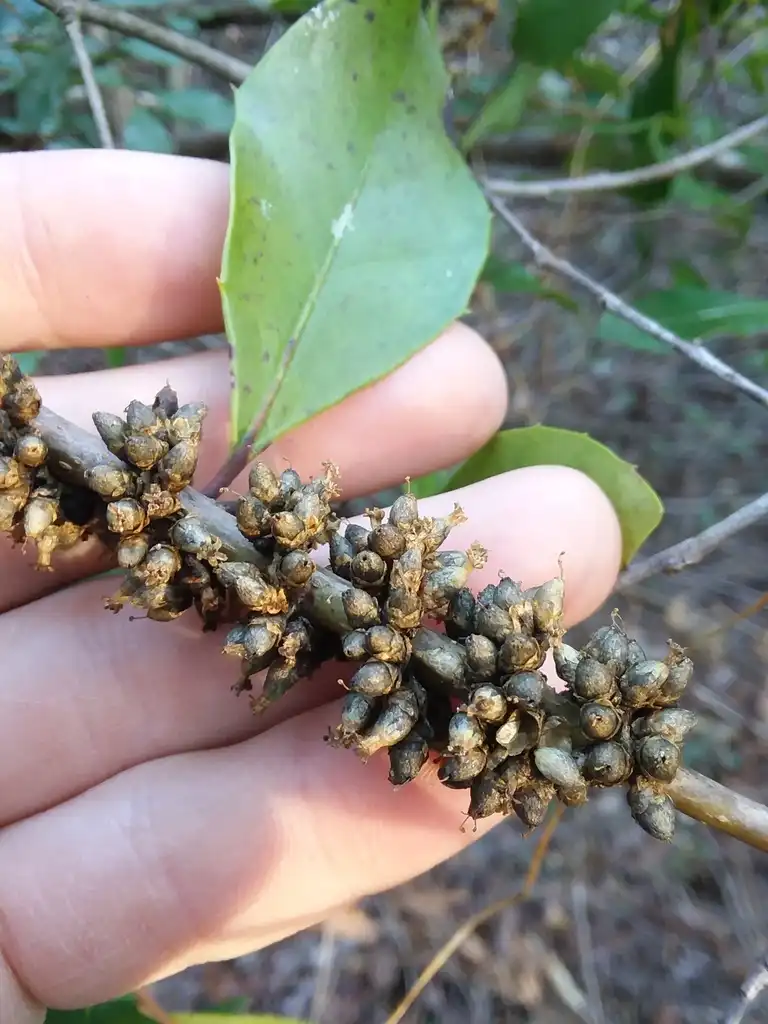
Cuscuta compacta: Country Or Region Of Origin
Central & Eastern U.S.A
Phonetic Spelling:kus-KEW-tuh kom-PAK-tuh
Genus:Cuscuta
Species:compacta
Family:Convolvulaceae
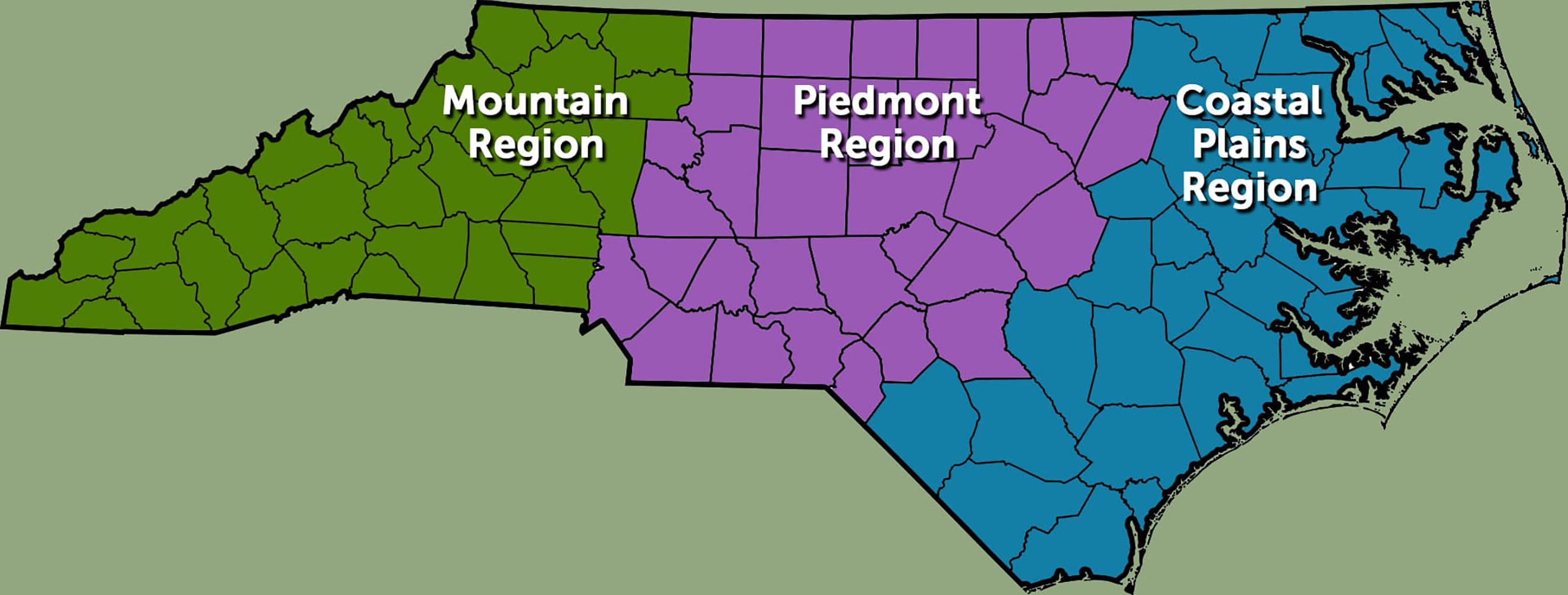
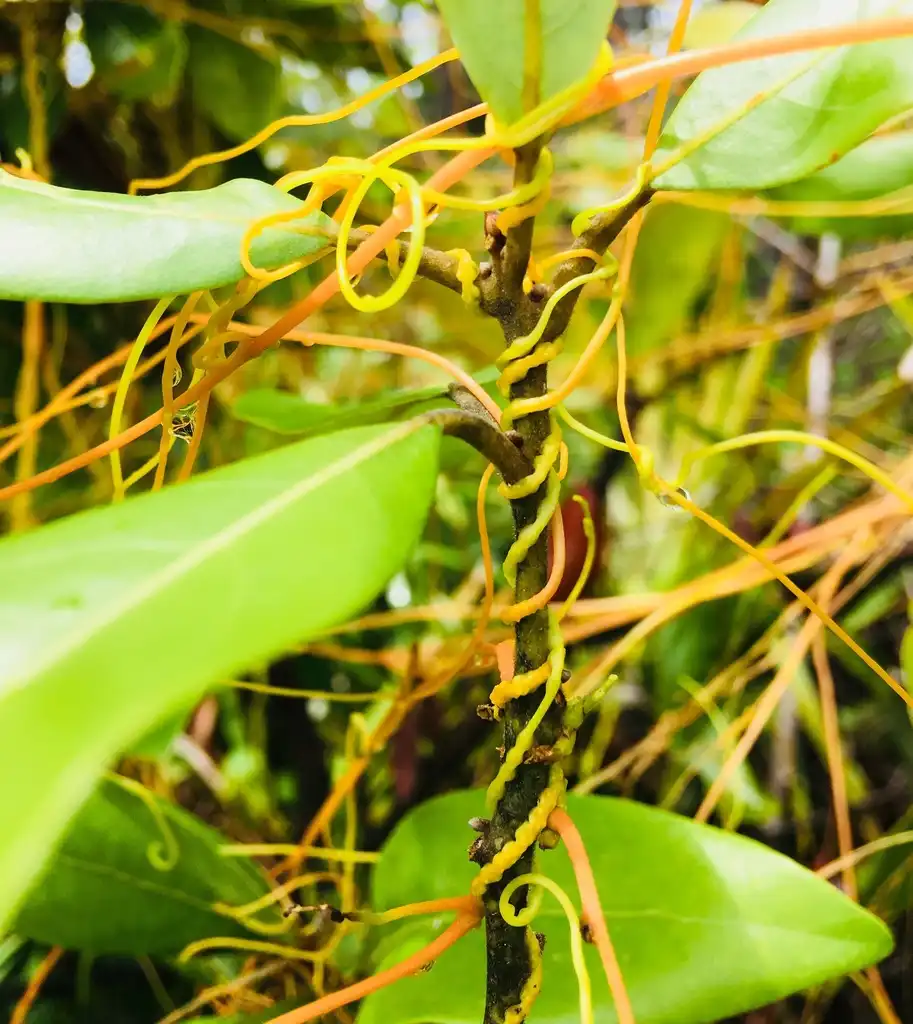
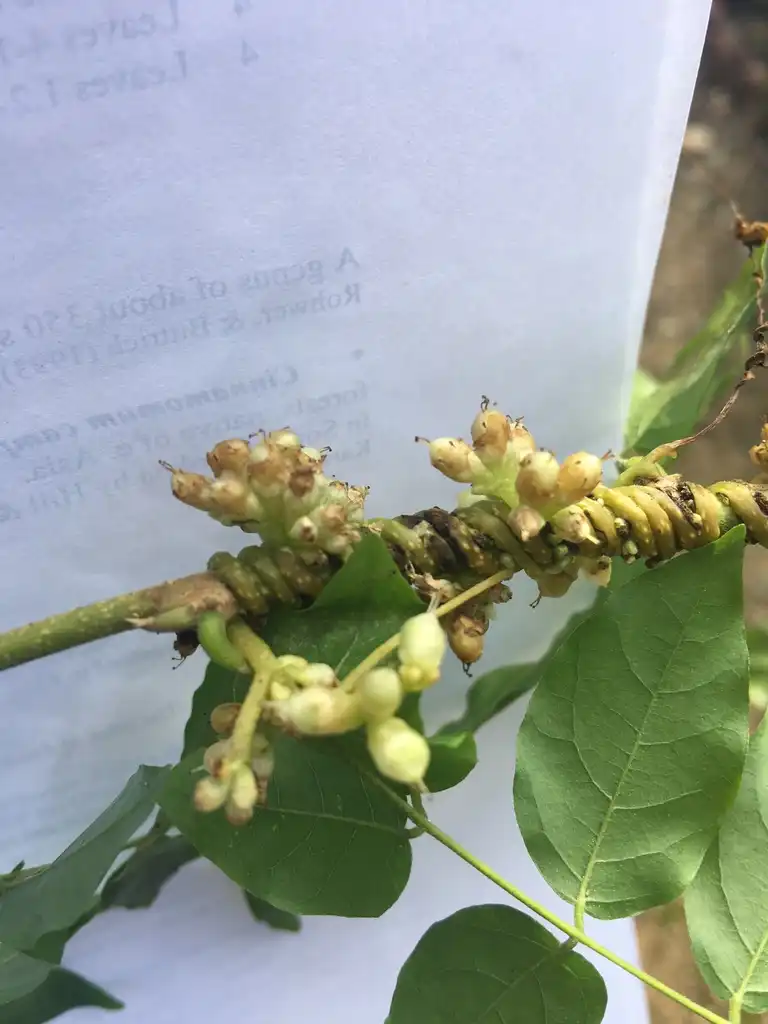
Compact Dodder is a parasitic plant belonging to the morning glory family, characterized by its annual and heterotrophic nature, as it derives nutrients from other plants. Upon germination, its seeds develop basic roots, which are soon discarded as the stems extend in search of a host. While it primarily targets woody plants, it is also known to attach to deciduous species. The stems, which range in color from yellowish to orange, entwine around the host plant, creating dense, rope-like clusters known as glomerules. The haustoria, or sucking roots, penetrate the host to extract essential nutrients. This plant poses a significant challenge in blueberry fields in certain regions of North Carolina.
Compact Dodder typically thrives in bottomland forests adjacent to stream banks and other moist environments. Its flowers, which are small, tubular, and stemless, grow in clusters of four to five, and the plant lacks both leaves and roots. Due to its invasive nature, it can be quite challenging to eliminate.
Cuscuta compacta Feature Summary
Cuscuta compacta Image Gallery