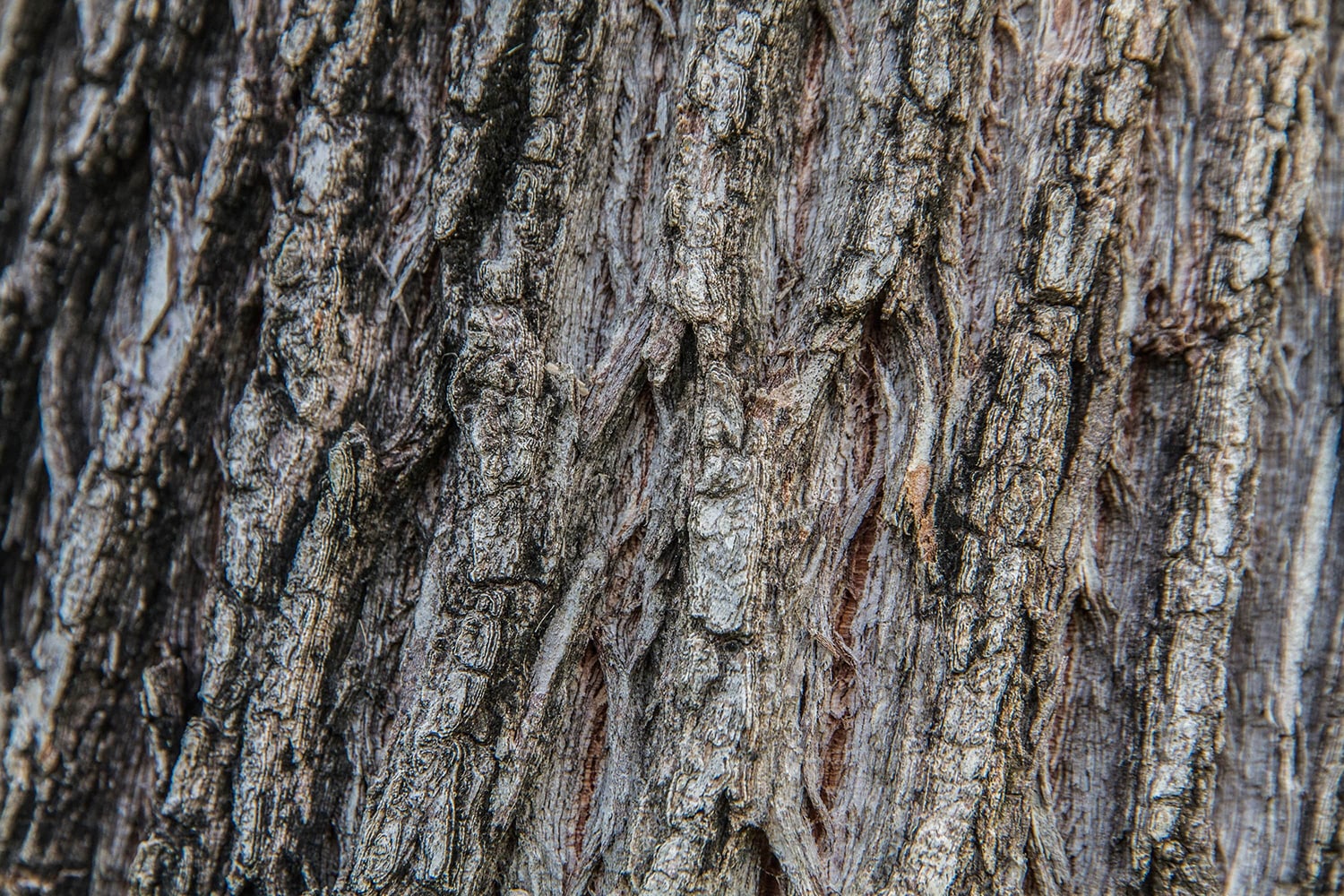
• Photo of Dactylis glomerata (Dactylis glomeratas)

Plant Profile: Dactylis glomerata

Taxonomy: Dactylis glomerata

Names

Ascherson's orchardgrass, Cat Grass, Cock's-Foot, Orchard Grass

  • Photo of Dactylis glomerata (Dactylis glomeratas)

Phonetic Spelling:DAK-ty-lis glahm-er-AH-tuh

Genus:Dactylis

Species:glomerata

Family:Poaceae

Dactylis glomerata, commonly known as Orchard Grass, is a perennial bunching grass that thrives in cooler seasons, reaching heights of up to 6 feet. This clumping grass, which is native to Eurasia and Africa, is often regarded as a weed. It typically grows in meadows, pastures, along roadsides, and in rough grasslands, and has become invasive in certain regions of the eastern United States. Orchard Grass develops a robust network of non-rhizomatous roots, making it effective for controlling erosion. It has been widely introduced in many cool-temperate areas around the globe for use as forage in pastures, as well as for hay and silage production. While it is highly palatable to various livestock species, it is often classified as a weed in turf grass settings. Interestingly, cats are known to enjoy chewing on it, which has led to its nickname, Cat Grass. Additionally, Orchard Grass is incorporated into grass-legume mixtures to provide nesting, cover, and escape routes for upland wildlife in conservation plantings.

Regarding potential issues, there are no significant diseases or insect threats associated with Orchard Grass. However, it is considered invasive in some states, and when it grows in abundance, its pollen can significantly contribute to hay fever symptoms.

Dactylis glomerata Feature Summary

Dactylis glomerata Image Gallery

Tags

#perennial
#weed
#erosion control
#grass
#pastures
#forage

Similar Plants

Dactylis glomerata Feature Summary

Attributes
It is used as a medicine to treat unspecified disorders. Feed for livestock and also used for erosion control.
Macaronesia, Mediterranean to Temperate Eurasia, Africa
throughout North America
Orchardgrass is used in grass-legume mixes for nesting, brood rearing, escape and winter cover in upland wildlife and conservation plantings. It also provides forage for livestock, deer, geese, and rabbits.
Perennial
Wildlife Food Source
Wildlife Nesting
Wildlife Cover/Habitat
Wildlife Larval Host
Fruit
Fruit are valuable to wildlife. Two to eight inches in panicle.
Gold/Yellow
> 3 inches
< 1 inch
Flowers
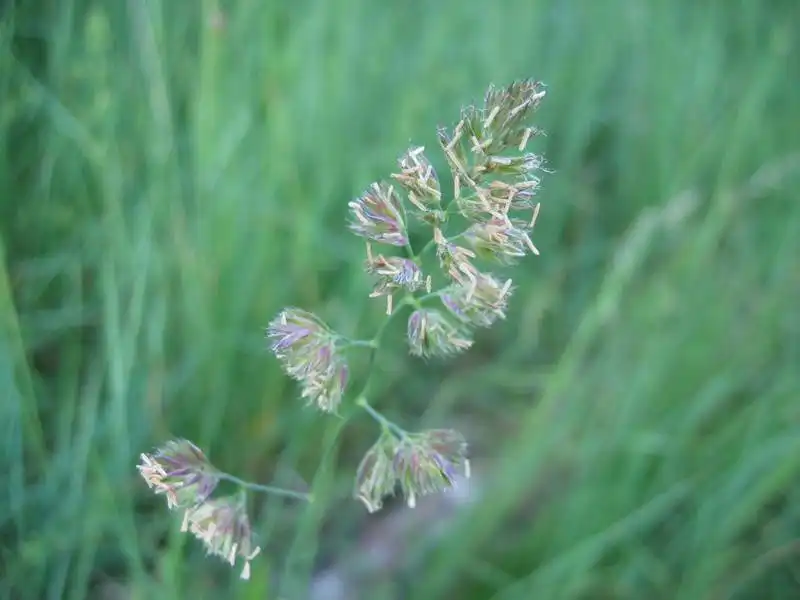
Panicle, 0.4 to 3 inches long, with spikelets grouped together in dense, one-sided clusters at the end of panicle branches, usually pyramidal. Spikelets greenish, contain 2 to 5 florets, lemmas pointed to short-awned. The flowers are very inconspicuous, without showy petals or sepals. The distinctive tufted triangular flowerhead is green to reddish and turns gray as the seeds mature.
Gold/Yellow
Long Bloom Season
Spring
Summer
1-3 inches
Leaves
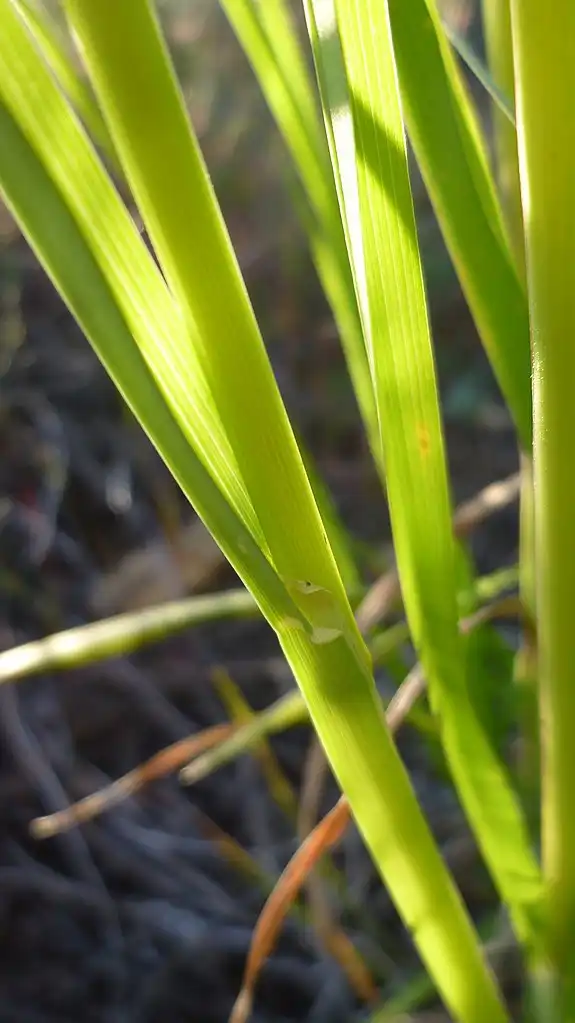
Leaves up to 10 inches long and 1/2 inch wide. Leaves have a bluish hue, folded when immature but later flat, with prominent white midrib on the under side. The leaf blades of infertile shoots spread outward and remain low, while the blades of alternate leaves on fertile shoots are more arching.
Green
Blue
> 6 inches
< 1 inch
Stem
Stems are hairless, geniculate the base. Plants are clump-forming.
Smooth (glabrous)
Whole Plant Traits
Perennial
Weed
Multi-stemmed
Erect
Dense
Clumping
Medium
Cultural Conditions
Full sun (6 or more hours of direct sunlight a day)
Partial Shade (Direct sunlight only part of the day, 2-6 hours)
Acid (<6.0)
Neutral (6.0-8.0)
Good Drainage
Moist
Occasionally Wet
Coastal
Mountains
Piedmont
4a
4b
5b
5a
6a
6b
7a
7b
8b
8a
Clay
Loam (Silt)
Landscape
Drought Tolerant Garden
Woodland
Meadow
Naturalized Area
Slope/Bank
Small Mammals

Dactylis glomerata Attributes

Dactylis glomerata: Uses (Ethnobotany)

It is used as a medicine to treat unspecified disorders. Feed for livestock and also used for erosion control.

Dactylis glomerata: Country Or Region Of Origin

Macaronesia, Mediterranean to Temperate Eurasia, Africa

Dactylis glomerata: Distribution

throughout North America

Dactylis glomerata: Wildlife Value

Orchardgrass is used in grass-legume mixes for nesting, brood rearing, escape and winter cover in upland wildlife and conservation plantings. It also provides forage for livestock, deer, geese, and rabbits.

Dactylis glomerata: Particularly Resistant To (Insects/Diseases/Other Problems)

drought

Dactylis glomerata: Life Cycle

Annual
Biennial
Bulb
Perennial
Woody

Dactylis glomerata: Recommended Propagation Strategy

Division
Grafting
Layering
Leaf Cutting
Root Cutting
Seed
Stem Cutting

Dactylis glomerata: Play Value

Attractive Flowers
Attracts Pollinators
Buffer
Colorful
Defines Paths
Easy to Grow
Edible fruit
Fragrance
Pieces Used in Games
Screening
Shade
Sound
Textural
Wildlife Cover/Habitat
Wildlife Food Source
Wildlife Larval Host
Wildlife Nesting
Wind Break
Wind Shimmer

Dactylis glomerata Fruit

Dactylis glomerata: Fruit Description

Fruit are valuable to wildlife. Two to eight inches in panicle.

Dactylis glomerata: Fruit Color

grass
Gold/Yellow

Dactylis glomerata: Display/Harvest Time

Fall
Spring
Summer
Winter

Dactylis glomerata: Fruit Length

< 1 inch
1-3 inches
> 3 inches

Dactylis glomerata: Fruit Width

< 1 inch
1-3 inches
> 3 inches

Dactylis glomerata Flowers

Dactylis glomerata: Flower Description

Panicle, 0.4 to 3 inches long, with spikelets grouped together in dense, one-sided clusters at the end of panicle branches, usually pyramidal. Spikelets greenish, contain 2 to 5 florets, lemmas pointed to short-awned. The flowers are very inconspicuous, without showy petals or sepals. The distinctive tufted triangular flowerhead is green to reddish and turns gray as the seeds mature.

Dactylis glomerata: Flower Color

filter_vintage
Gold/Yellow

Dactylis glomerata: Flower Inflorescence

Catkin
Corymb
Cyme
Head
Insignificant
Panicle
Raceme
Solitary

Spadix
Spike
Umbel

Dactylis glomerata: Flower Value To Gardener

Edible
Fragrant
Good Cut
Good Dried
Long Bloom Season
Long-lasting
Showy

Dactylis glomerata: Flower Bloom Time

Winter
Spring
Summer
Fall

Dactylis glomerata: Flower Size

1-3 inches
3-6 inches
< 1 inch
> 6 inches

Dactylis glomerata Leaves

Dactylis glomerata: Leaf Description

Leaves up to 10 inches long and 1/2 inch wide. Leaves have a bluish hue, folded when immature but later flat, with prominent white midrib on the under side. The leaf blades of infertile shoots spread outward and remain low, while the blades of alternate leaves on fertile shoots are more arching.

Dactylis glomerata: Woody Plant Leaf Characteristics

Broadleaf Evergreen
Deciduous
Needled Evergreen
Semi-evergreen

Dactylis glomerata: Leaf Color

spa
Blue
spa
Green

Dactylis glomerata: Leaf Type

Compound (Pinnately , Bipinnately, Palmately)
Fronds
Needles
Sheath
Simple

Dactylis glomerata: Leaf Arrangement

Alternate
Opposite
Other/more complex
Rosulate
Whorled

Dactylis glomerata: Hairs Present

No
Yes

Dactylis glomerata: Leaf Length

< 1 inch
1-3 inches
3-6 inches
> 6 inches

Dactylis glomerata: Leaf Feel

Fleshy
Glossy
Leathery
Papery
Prickly
Rough
Rubbery
Slippery
Smooth
Soft
Velvety
Waxy

Dactylis glomerata: Leaf Width

< 1 inch
1-3 inches
3-6 inches
> 6 inches

Dactylis glomerata Stem

Dactylis glomerata: Stem Description

Stems are hairless, geniculate the base. Plants are clump-forming.

Dactylis glomerata: Stem Color

grass
Green

Dactylis glomerata: Stem Is Aromatic

No
Yes

Dactylis glomerata: Stem Surface

Corky Ridges
Covered with a powdery bloom (glaucous)
Dull
Hairy (pubescent)
Polished
Smooth (glabrous)

Dactylis glomerata Whole Plant Traits

Dactylis glomerata: Plant Type

Annual
Bulb
Carnivorous
Edible
Epiphyte
Fern
Ground Cover
Herb
Herbaceous Perennial
Houseplant
Mushroom
Native Plant
Ornamental Grasses and Sedges
Perennial
Poisonous
Rose
Shrub
Succulent
Tree
Turfgrass
Vegetable
Vine
Water Plant
Weed
Wildflower

Dactylis glomerata: Woody Plant Leaf Characteristics

Broadleaf Evergreen
Deciduous
Needled Evergreen
Semi-evergreen

Dactylis glomerata: Habit/Form

Arching
Ascending
Broad
Cascading
Climbing
Clumping
Columnar
Conical
Creeping
Dense
Erect
Horizontal
Irregular
Mounding
Multi-stemmed
Multi-trunked
Open
Oval
Prostrate
Pyramidal
Rounded
Spreading
Vase
Weeping

Dactylis glomerata: Growth Rate

Slow
Medium
Rapid

Dactylis glomerata: Maintenance

Low
Medium
High

Dactylis glomerata: Texture

Fine
Medium
Coarse

Dactylis glomerata Cultural Conditions

Dactylis glomerata: Light

Dappled Sunlight (Shade through upper canopy all day)
Deep shade (Less than 2 hours to no direct sunlight)
Full sun (6 or more hours of direct sunlight a day)
Partial Shade (Direct sunlight only part of the day, 2-6 hours)

Dactylis glomerata: Soil pH

Acid (<6.0)
Alkaline (>8.0)
Neutral (6.0-8.0)

Dactylis glomerata: Soil Drainage

Frequent Standing Water
Good Drainage
Moist
Occasional Flooding
Occasionally Dry
Occasionally Wet
Very Dry

Dactylis glomerata: Available Space To Plant

12 inches-3 feet
12-24 feet
24-60 feet
3 feet-6 feet
6-feet-12 feet
Less than 12 inches
more than 60 feet

Dactylis glomerata: NC Region

Coastal
Mountains
Piedmont

Dactylis glomerata: USDA Plant Hardiness Zone

thermostat
4a
thermostat
4b
thermostat
5a
thermostat
5b
thermostat
6a
thermostat
6b
thermostat
7a
thermostat
7b
thermostat
8a
thermostat
8b

Dactylis glomerata: Soil Texture

Clay
High Organic Matter
Loam (Silt)
Sand
Shallow Rocky

Dactylis glomerata Landscape

Dactylis glomerata: Landscape Theme

Asian Garden
Butterfly Garden
Children's Garden
Cottage Garden
Cutting Garden
Drought Tolerant Garden
Edible Garden
English Garden
Fairy Garden
Garden for the Blind
Native Garden
Nighttime Garden
Pollinator Garden
Rain Garden
Rock Garden
Shade Garden
Water Garden
Winter Garden

Dactylis glomerata: Resistance To Challenges

Black Walnut
Compaction
Deer
Diseases
Drought
Dry Soil
Erosion
Fire
Foot Traffic
Heat
Heavy Shade
Humidity
Insect Pests
Pollution
Poor Soil
Rabbits
Salt
Slugs
Squirrels
Storm damage
Urban Conditions
Voles
Wet Soil
Wind

Dactylis glomerata: Landscape Location

Coastal
Container
Hanging Baskets
Houseplants
Lawn
Meadow
Naturalized Area
Near Septic
Patio
Pond
Pool/Hardscape
Recreational Play Area
Riparian
Rock Wall
Slope/Bank
Small Space
Vertical Spaces
Walkways
Woodland

Dactylis glomerata: Attracts

Bats
Bees
Butterflies
Frogs
Hummingbirds
Moths
Pollinators
Predatory Insects
Reptiles
Small Mammals
Songbirds
Specialized Bees

Dactylis glomerata: Problems

Allelopathic
Contact Dermatitis
Frequent Disease Problems
Frequent Insect Problems
Invasive Species
Malodorous
Messy
Poisonous to Humans
Problem for Cats
Problem for Children
Problem for Dogs
Problem for Horses
Short-lived
Spines/Thorns
Weak Wood
Weedy