Uniola paniculata: Country Or Region Of Origin
Southern U.S.A., Mexico, Bahamas and Cuba.
Phonetic Spelling:yoo-nee-OH-luh pan-ick-yoo-LAY-tuh
Genus:Uniola
Species:paniculata
Family:Poaceae
Sea oats are a resilient, native grass that thrives in warm seasons, characterized by their slow growth and longevity. These plants play a crucial role in safeguarding dunes from storm damage, thanks to their deep taproots and lateral rhizomes that effectively anchor the soil. Interestingly, repeated sand coverage actually promotes their growth. However, they face threats from pollution, particularly runoff from marinas, urban development, foot traffic, and off-road vehicles. In several southeastern Atlantic coast states, including North Carolina, sea oats are designated as a protected species.
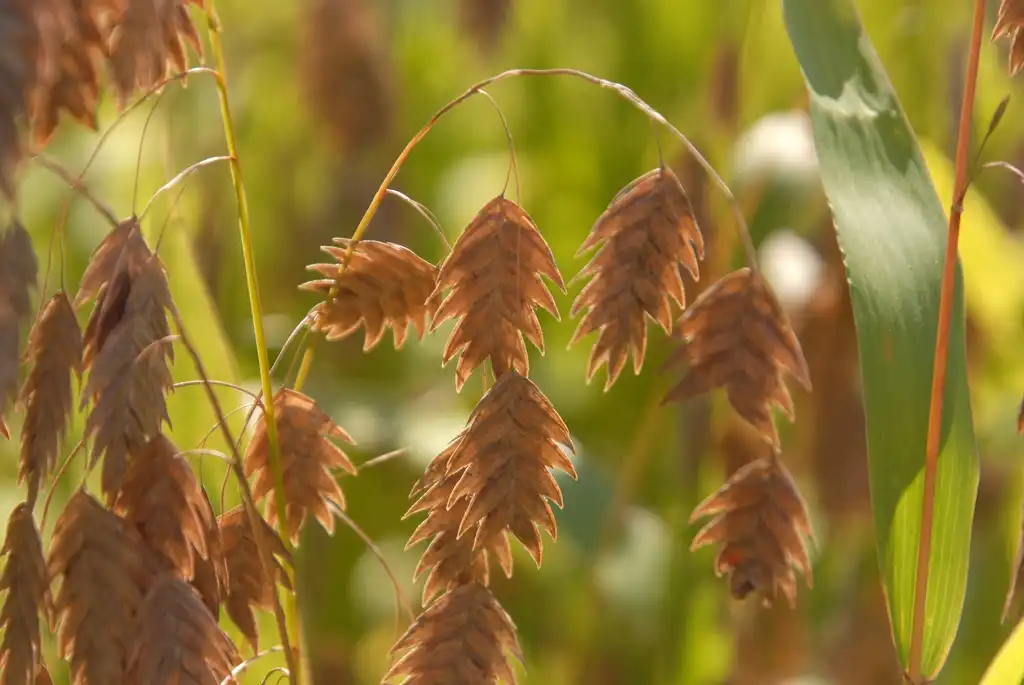
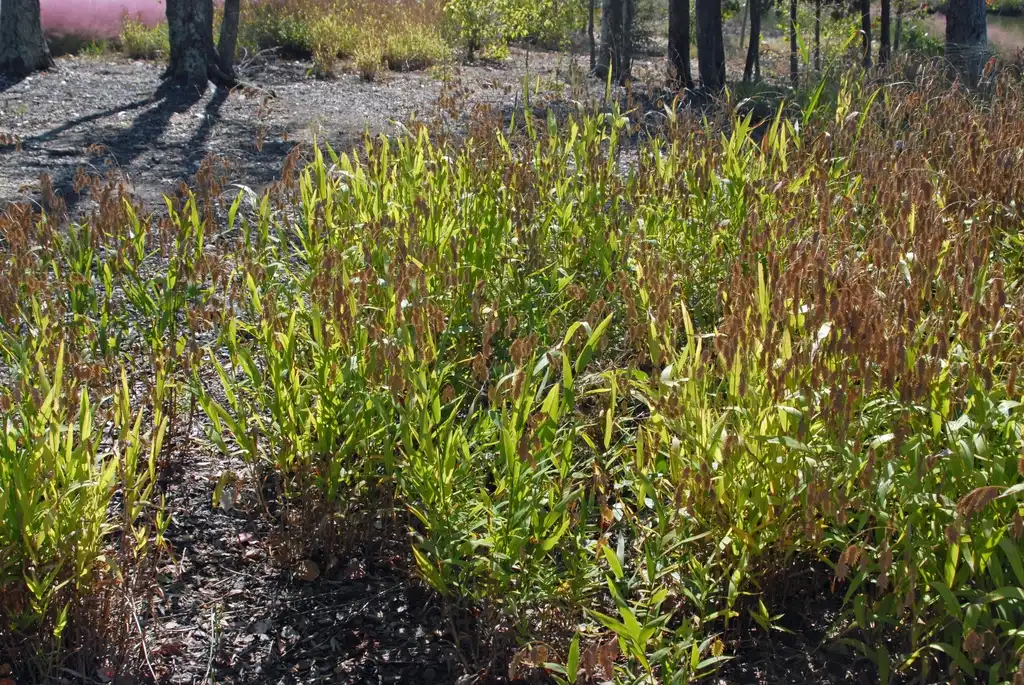
Reaching heights of up to 6 feet, sea oats feature slender green leaves that can grow as long as 2 feet and are less than an inch wide. Their panicles consist of numerous flat spikelets that transition from green to light brown as they mature, each containing seeds. The attractive, drooping seed heads of the panicles make them suitable for use in dried floral arrangements.
For optimal growth, plant sea oats in full sunlight and sandy soils. They are well-adapted to dune environments, capable of withstanding blowing sand, drought, and brief periods of saltwater inundation.
As for pests and potential issues, this species is notably free from any known pests or significant problems.
Uniola paniculata Feature Summary
Uniola paniculata Image Gallery