Plant Profile: Desmodium

Taxonomy: Desmodium

Names

Beggarlice, Beggars Lice, Hitch Hikers, Tick's Clover, Tick-trefoil

  • Photo of Desmodium (Desmodiums)

Phonetic Spelling:des-MOH-dee-um

Genus:Desmodium

Species:

Family:Fabaceae

Desmodium spp., often referred to as Beggar's lice, is a woody, trailing legume belonging to the Fabaceae family. With numerous species under its umbrella, there is ongoing debate among taxonomists regarding the classification of this genus. This plant serves multiple purposes, including acting as a living mulch or green manure, as it enhances soil fertility through nitrogen fixation. Additionally, it can be utilized as fodder for livestock. The plant's hairy seedpods easily attach to fur and clothing, allowing both animals and humans to inadvertently disperse its seeds, which germinate quickly and can lead to weedy growth.

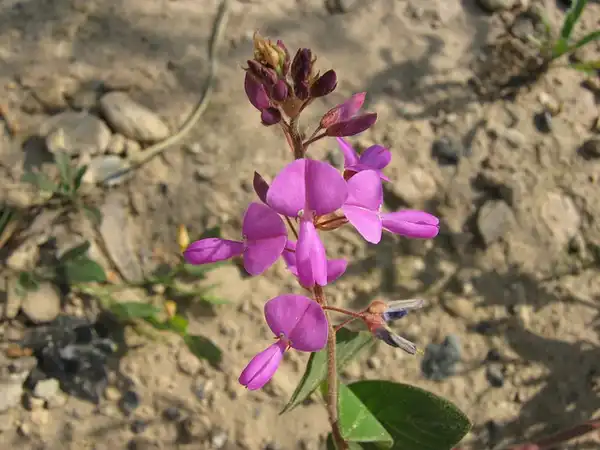
Beggar's lice, within the genus Desmodium, are herbaceous perennials that typically reach heights of 2 to 4 feet. The leaves are arranged alternately and are trifoliate, featuring hooked hairs on their undersides. The flowers can range in color from white to violet, and the plant produces triangular seeds that adhere like ticks.

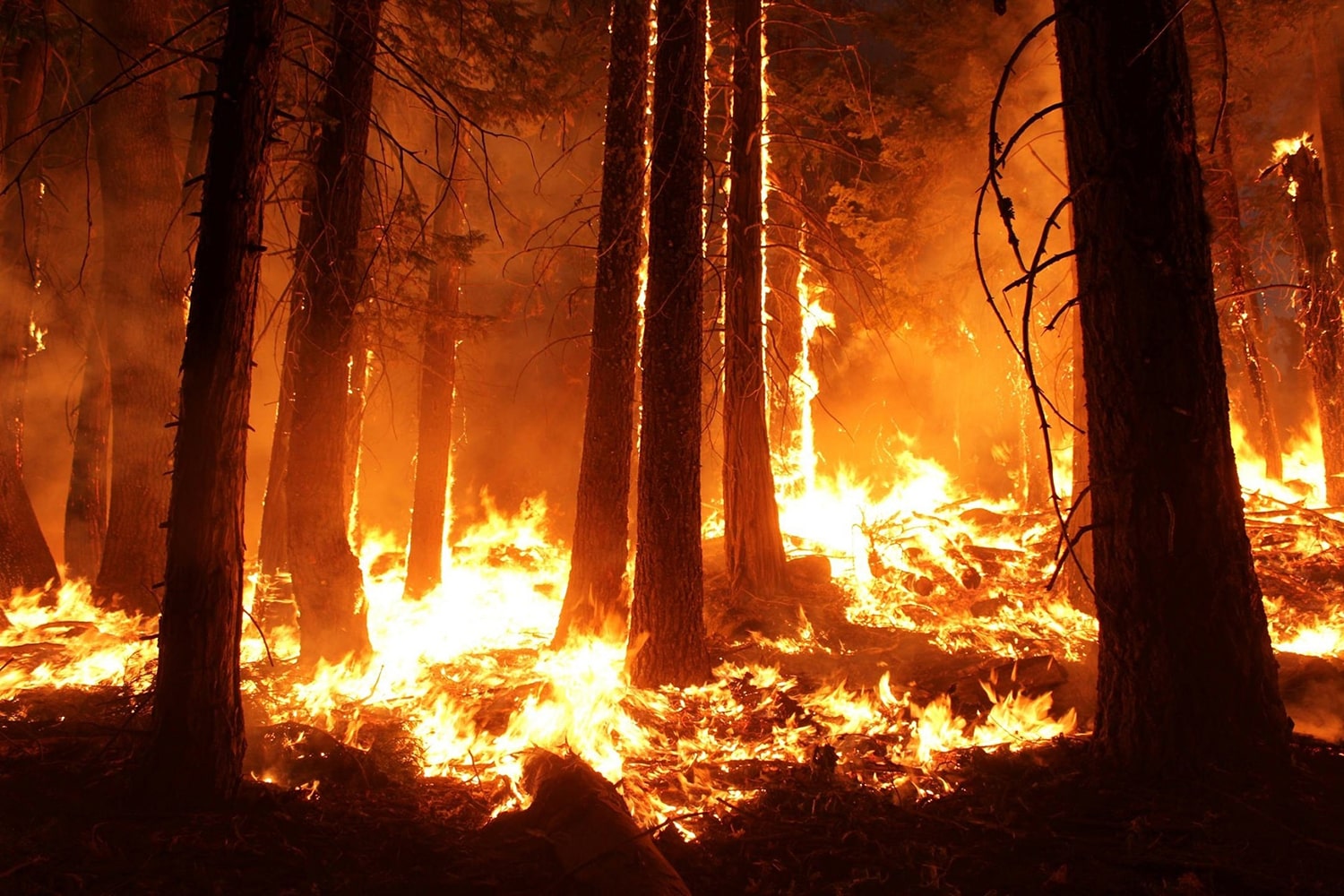
Fire Risk: This species is rated low in flammability.

Habitat: Found in mountainous regions, the Piedmont, and Coastal Plains.

Seasons of Interest:
- Blooms: Late summer
- Nut/Fruit/Seed: Fall

Desmodium Feature Summary

Desmodium Image Gallery

Tags

#wildlife plant
#small mammals
#food source
#NC native
#pollinator plant
#native wildflower
#wildflower garden
#larval host plant
#food source fall
#bird friendly
#butterfly friendly
#pollinator garden
#gray hairstreak butterfly
#silver-spotted skipper butterfly
#hoary edge butterfly
#southern cloudywing butterfly
#northern cloudywing butterfly
#eastern tailed-blue butterfly

Similar Plants

Desmodium Feature Summary

Attributes
Tropics & Subtropics to North America
They make a quality food source for bobwhite, turkey, grouse, and deer. This is a larval host plant for many species of butterfly. Silver-Spotted Skipper (Epargyreus clarus) appears from May-September with three-four broods in the deep south, two broods in the east, and one brood in the north and west. Hoary Edge (Achalarus lyciades) has two broods from April-September in most of its range, one brood from June-August in the north. Northern Cloudywing (Thorybes pylades) broods from May-July in the north, earlier in the south and two broods from March-September in Texas. Southern Cloudywing (Thorybes bathyllus) which has two broods (possibly three) from June-early October in most of its range, one brood mid-June-mid-July in the north. Gray Hairstreak (Strymon melinus) has three to four flights from February-November in the south and two flights from May-September in the north. Eastern Tailed-Blue (Everes comyntas) has many broods from February-November. In the winter, its seeds serve as a food source for songbirds, quail, and small mammals.
fire in the landscape, moderately resistant to damage from deer, drought tolerant
Perennial
low flammability
Fruit
Legume hairy seed pod in triangular form which readily clings to fur and clothing so both animals and humans unwittingly spread their seeds. They germinate readily and can become weedy.
Flowers
The central stem of the Beggars lice flower terminates in an elongated raceme of pale purple or white flowers about ½–1½' long. Usually, only a few flowers are in bloom at the same time. Flowers are attractive to some pollinators. Blooms in late summer.
Purple/Lavender
White
1-3 inches
Leaves
Beggars lice has alternate, trifoliate, compound leaves, light green above and whitish green below, which have prominent veins with fine hooked hairs. Leaflets are up to 3½" long and 1" across, lanceolate-oblong or lanceolate-ovate, with smooth margins, and a leathery texture. The base of a leaflet is rounded, while the tip is usually blunt.
Compound (Pinnately , Bipinnately, Palmately)
Ovate
Oblong
Lanceolate
3-6 inches
Leathery
< 1 inch
Whole Plant Traits
Perennial
Native Plant
Wildflower
Herb
Cultural Conditions
Full sun (6 or more hours of direct sunlight a day)
Partial Shade (Direct sunlight only part of the day, 2-6 hours)
Moist
Occasionally Dry
Coastal
Mountains
Piedmont
Clay
Loam (Silt)
Landscape
Butterfly Garden
Pollinator Garden
Butterflies
Pollinators
Songbirds
Small Mammals

Desmodium Attributes

Desmodium: Country Or Region Of Origin

Tropics & Subtropics to North America
Desmodium: Wildlife Value

They make a quality food source for bobwhite, turkey, grouse, and deer. This is a larval host plant for many species of butterfly. Silver-Spotted Skipper (Epargyreus clarus) appears from May-September with three-four broods in the deep south, two broods in the east, and one brood in the north and west. Hoary Edge (Achalarus lyciades) has two broods from April-September in most of its range, one brood from June-August in the north. Northern Cloudywing (Thorybes pylades) broods from May-July in the north, earlier in the south and two broods from March-September in Texas. Southern Cloudywing (Thorybes bathyllus) which has two broods (possibly three) from June-early October in most of its range, one brood mid-June-mid-July in the north. Gray Hairstreak (Strymon melinus) has three to four flights from February-November in the south and two flights from May-September in the north. Eastern Tailed-Blue (Everes comyntas) has many broods from February-November. In the winter, its seeds serve as a food source for songbirds, quail, and small mammals.

Desmodium: Particularly Resistant To (Insects/Diseases/Other Problems)

fire in the landscape, moderately resistant to damage from deer, drought tolerant

Desmodium: Edibility

Edible

Desmodium: Life Cycle

Annual
Biennial
Bulb
Perennial
Woody

Desmodium: Recommended Propagation Strategy

Division
Grafting
Layering
Leaf Cutting
Root Cutting
Seed
Stem Cutting

Desmodium: Fire Risk Rating

extreme flammability
high flammability
low flammability
medium flammability

Desmodium Fruit

Desmodium: Fruit Description

Legume hairy seed pod in triangular form which readily clings to fur and clothing so both animals and humans unwittingly spread their seeds. They germinate readily and can become weedy.

Desmodium: Fruit Type

Achene
Aggregate
Berry
Capsule
Caryopsis
Drupe
Follicle
Legume
Nut
Pome
Samara
Schizocarp
Siliqua

Desmodium: Fruit Color

grass
Green

Desmodium: Fruit Value To Gardener

Edible
Fragrant
Good Cut
Good Dried
Long Bloom Season
Long-lasting
Showy

Desmodium: Display/Harvest Time

Fall

Spring
Summer
Winter

Desmodium Flowers

Desmodium: Flower Description

The central stem of the Beggars lice flower terminates in an elongated raceme of pale purple or white flowers about ½–1½' long. Usually, only a few flowers are in bloom at the same time. Flowers are attractive to some pollinators. Blooms in late summer.

Desmodium: Flower Color

filter_vintage
Purple/Lavender
filter_vintage
White

Desmodium: Flower Inflorescence

Catkin
Corymb
Cyme
Head
Insignificant
Panicle
Raceme
Solitary
Spadix
Spike
Umbel

Desmodium: Flower Bloom Time

Winter
Spring
Summer
Fall

Desmodium: Flower Size

1-3 inches
3-6 inches
< 1 inch
> 6 inches

Desmodium Leaves

Desmodium: Leaf Description

Beggars lice has alternate, trifoliate, compound leaves, light green above and whitish green below, which have prominent veins with fine hooked hairs. Leaflets are up to 3½" long and 1" across, lanceolate-oblong or lanceolate-ovate, with smooth margins, and a leathery texture. The base of a leaflet is rounded, while the tip is usually blunt.

Desmodium: Woody Plant Leaf Characteristics

Broadleaf Evergreen
Deciduous
Needled Evergreen
Semi-evergreen

Desmodium: Leaf Color

spa
Green

Desmodium: Leaf Type

Compound (Pinnately , Bipinnately, Palmately)
Fronds
Needles
Sheath
Simple

Desmodium: Leaf Arrangement

Alternate
Opposite
Other/more complex
Rosulate
Whorled

Desmodium: Leaf Shape

Acicular
Auriculate
Cordate
Cuneate
Deltoid
Elliptical
Filiform
Lanceolate
Linear
Oblanceolate
Oblong
Obovate
Obtuse
Orbicular
Ovate
Palmasect
Palmatifid
Peltate
Pinnatifid
Pinnatisect
Reniform
Rhomboidal
Spatulate
Subcordate
Subulate

Desmodium: Hairs Present

No
Yes

Desmodium: Leaf Length

< 1 inch
1-3 inches
3-6 inches
> 6 inches

Desmodium: Leaf Feel

Fleshy
Glossy
Leathery
Papery
Prickly
Rough
Rubbery
Slippery
Smooth
Soft
Velvety
Waxy

Desmodium: Leaf Value To Gardener

Edible
Fragrant
Good Cut
Good Dried
Long-lasting
Showy

Desmodium: Leaf Width

< 1 inch
1-3 inches
3-6 inches
> 6 inches

Desmodium Whole Plant Traits

Desmodium: Plant Type

Annual
Bulb
Carnivorous
Edible
Epiphyte
Fern
Ground Cover
Herb
Herbaceous Perennial
Houseplant
Mushroom
Native Plant
Ornamental Grasses and Sedges
Perennial
Poisonous
Rose
Shrub
Succulent
Tree
Turfgrass
Vegetable
Vine
Water Plant
Weed
Wildflower

Desmodium: Woody Plant Leaf Characteristics

Broadleaf Evergreen
Deciduous
Needled Evergreen
Semi-evergreen

Desmodium Cultural Conditions

Desmodium: Light

Dappled Sunlight (Shade through upper canopy all day)
Deep shade (Less than 2 hours to no direct sunlight)
Full sun (6 or more hours of direct sunlight a day)

Partial Shade (Direct sunlight only part of the day, 2-6 hours)

Desmodium: Soil Drainage

Frequent Standing Water
Good Drainage
Moist
Occasional Flooding
Occasionally Dry
Occasionally Wet
Very Dry

Desmodium: NC Region

Coastal
Mountains
Piedmont

Desmodium: Soil Texture

Clay
High Organic Matter
Loam (Silt)
Sand
Shallow Rocky

Desmodium Stem

Desmodium: Stem Is Aromatic

No
Yes

Desmodium Landscape

Desmodium: Landscape Theme

Asian Garden
Butterfly Garden
Children's Garden
Cottage Garden
Cutting Garden
Drought Tolerant Garden
Edible Garden
English Garden
Fairy Garden
Garden for the Blind
Native Garden
Nighttime Garden
Pollinator Garden
Rain Garden
Rock Garden
Shade Garden
Water Garden
Winter Garden

Desmodium: Resistance To Challenges

Black Walnut
Compaction
Deer
Diseases
Drought
Dry Soil
Erosion
Fire
Foot Traffic
Heat
Heavy Shade
Humidity
Insect Pests
Pollution
Poor Soil
Rabbits
Salt
Slugs
Squirrels
Storm damage
Urban Conditions
Voles
Wet Soil
Wind

Desmodium: Attracts

Bats
Bees
Butterflies
Frogs
Hummingbirds
Moths
Pollinators
Predatory Insects
Reptiles
Small Mammals
Songbirds
Specialized Bees

Desmodium: Problems

Allelopathic
Contact Dermatitis
Frequent Disease Problems
Frequent Insect Problems
Invasive Species
Malodorous
Messy
Poisonous to Humans
Problem for Cats
Problem for Children
Problem for Dogs
Problem for Horses
Short-lived
Spines/Thorns
Weak Wood
Weedy