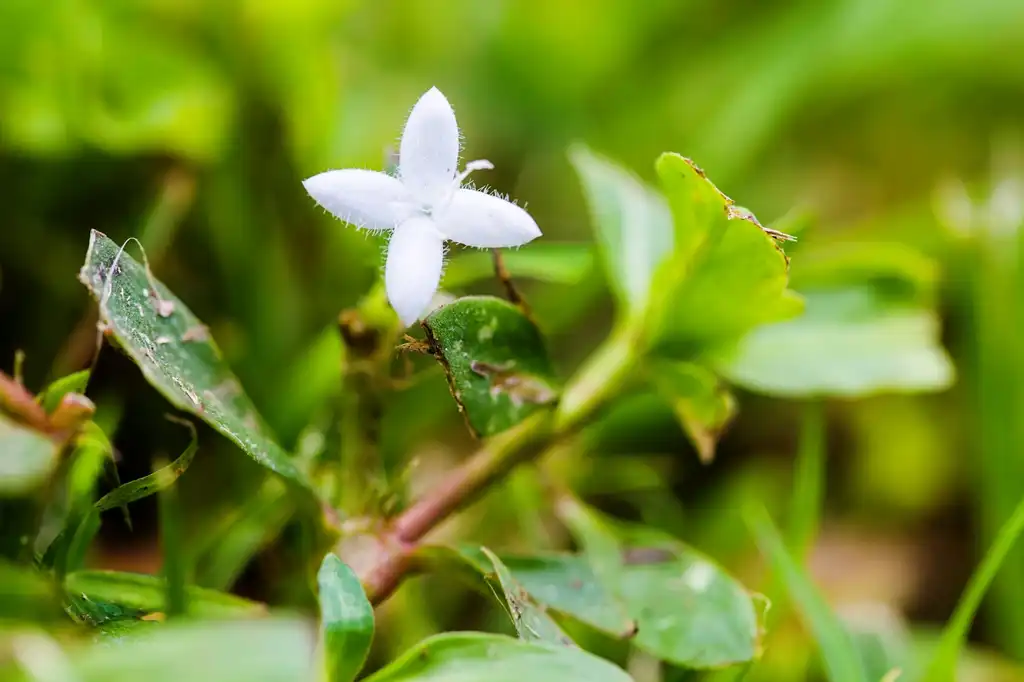
Diodia virginiana: Country Or Region Of Origin
Central and Eastern United States to North East Mexico and Cuba
Phonetic Spelling:dy-OH-dee-uh vir-jin-ee-AN-uh
Genus:Diodia
Species:virginiana
Family:Rubiaceae
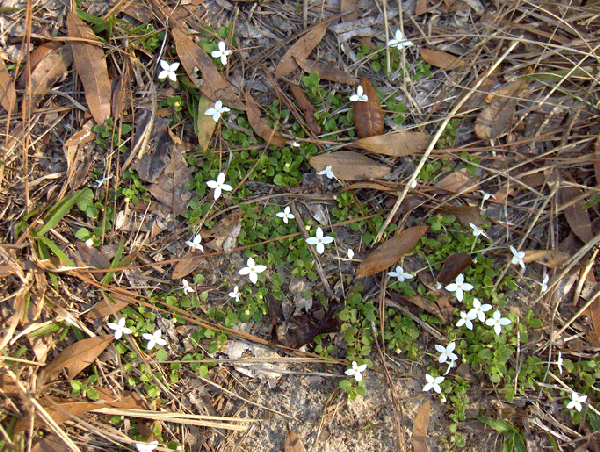
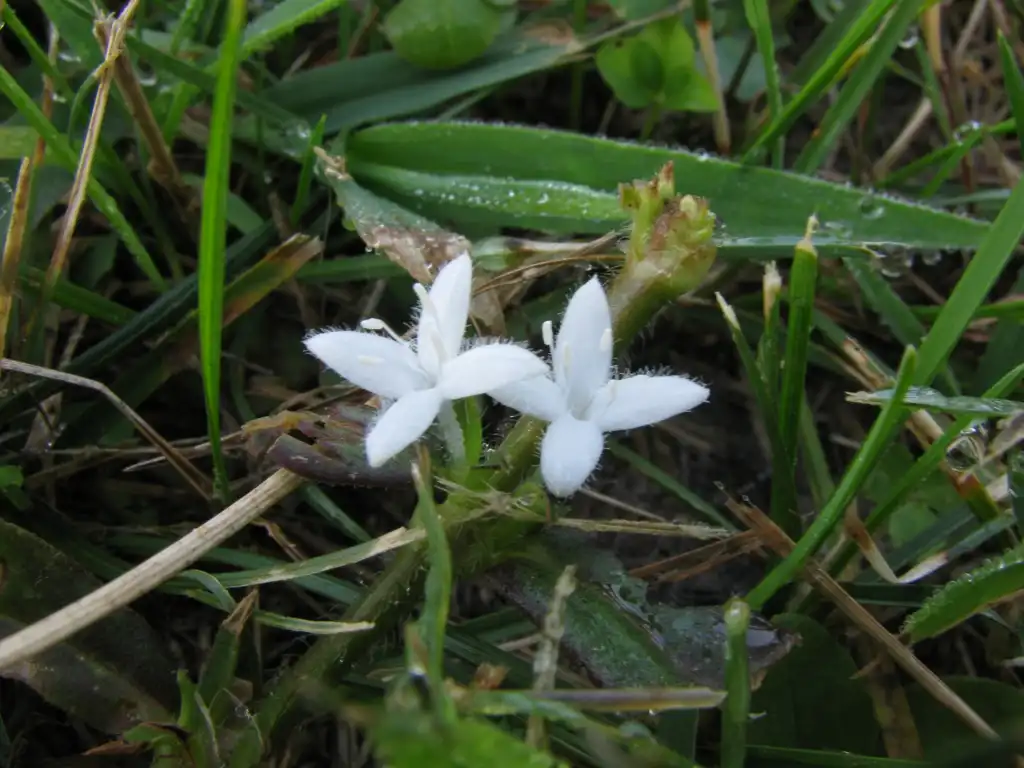
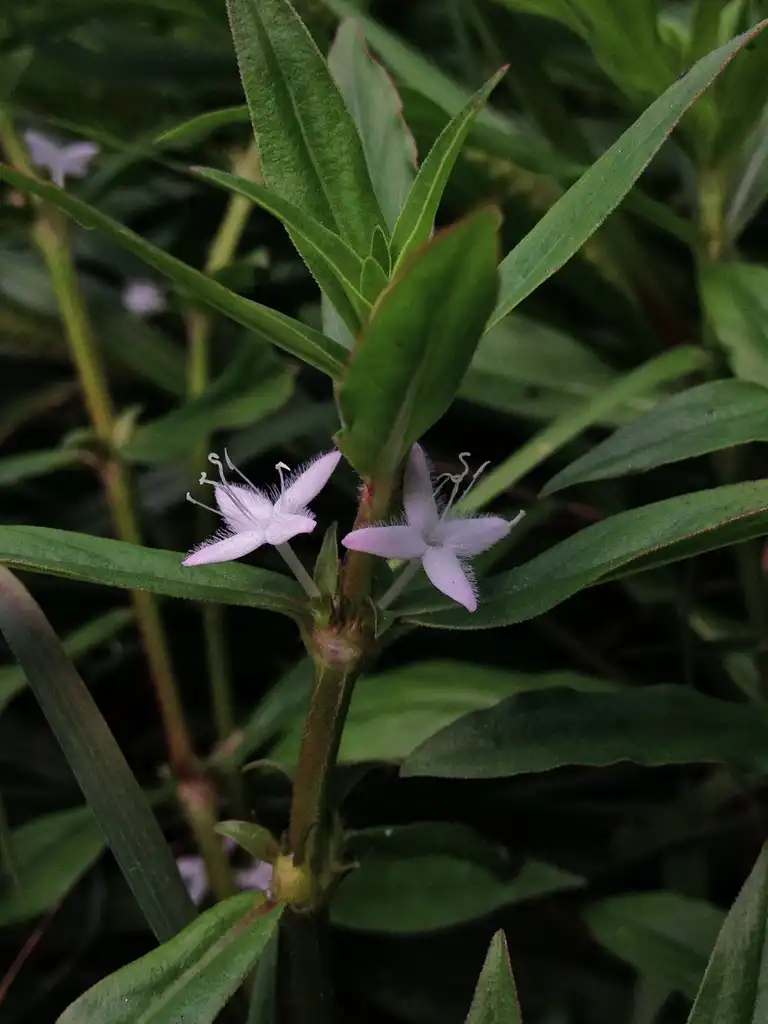
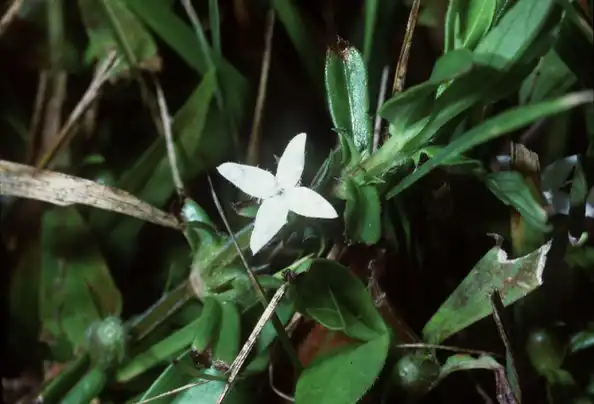
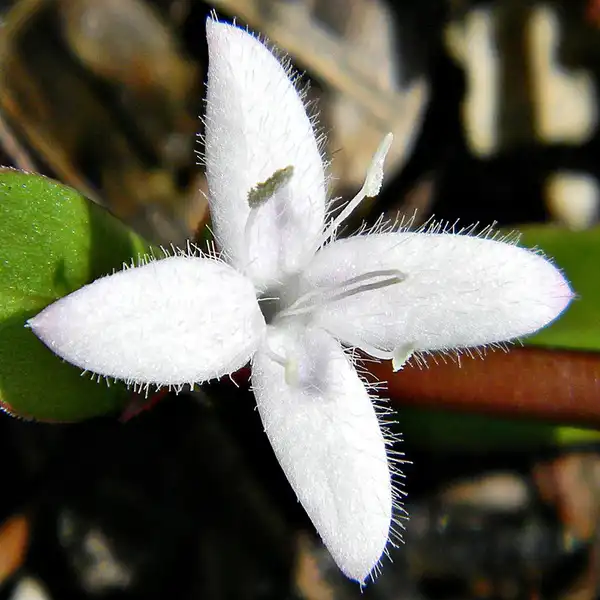
Diodia virginiana, commonly known as Virginia Buttonweed, is a native plant characterized by its sprawling, branching growth and small, star-shaped white flowers that appear in the leaf axils. This species thrives in wet environments such as swamps, marshes, coastal prairies, and muddy areas along streams and ponds. While many consider it a perennial weed, particularly in southern regions where it can invade lawns and disturbed sites, it is regarded as rare in northern states like New Jersey and Indiana. Virginia Buttonweed is a favorite among bees, with its delicate white flowers blooming during the summer and fall.
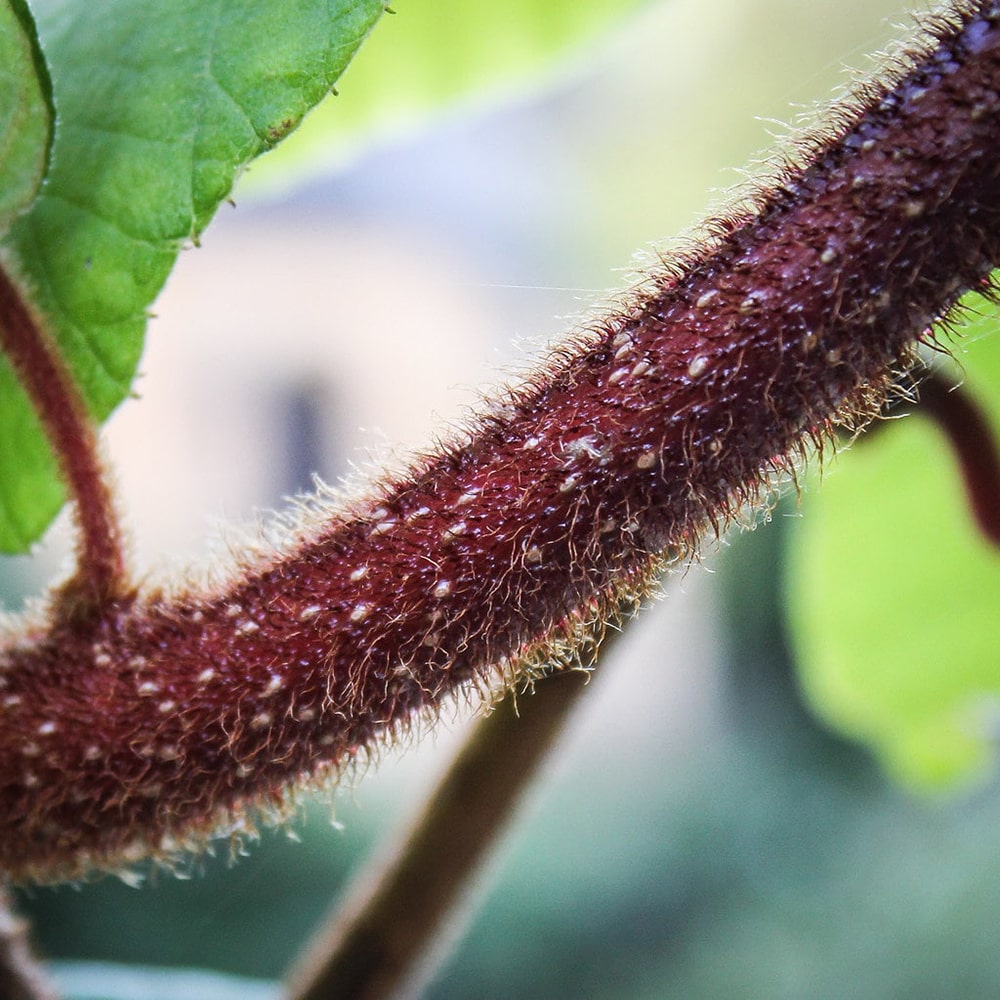
In the United States, there are eight recognized species of Virginia Buttonweed, though only four are found on the mainland. The remaining four species inhabit U.S. territories, including Puerto Rico and the Virgin Islands. Among the mainland varieties, two are native: Diodia teres, known as Rough Buttonweed or Poor Joe, and Diodia virginiana. While Virginia Buttonweed shares similarities with Diodia teres, it typically grows more upright, has a hairier texture, and features narrower leaves. This plant is indigenous to the eastern United States, extending its range just south of New England, and possesses thick roots that enable it to spread vegetatively.
**Diseases, Insects, and Other Plant Issues:**
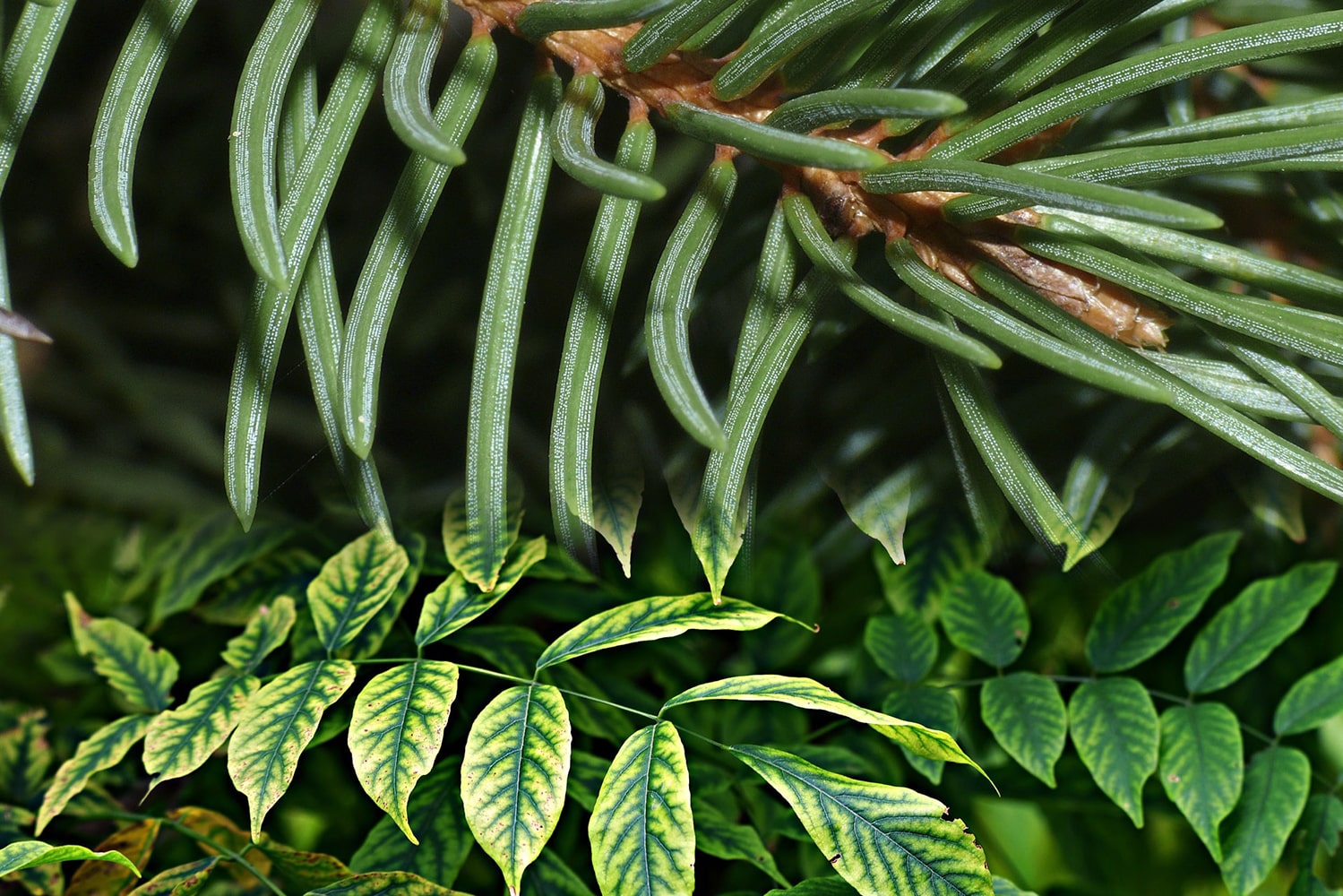
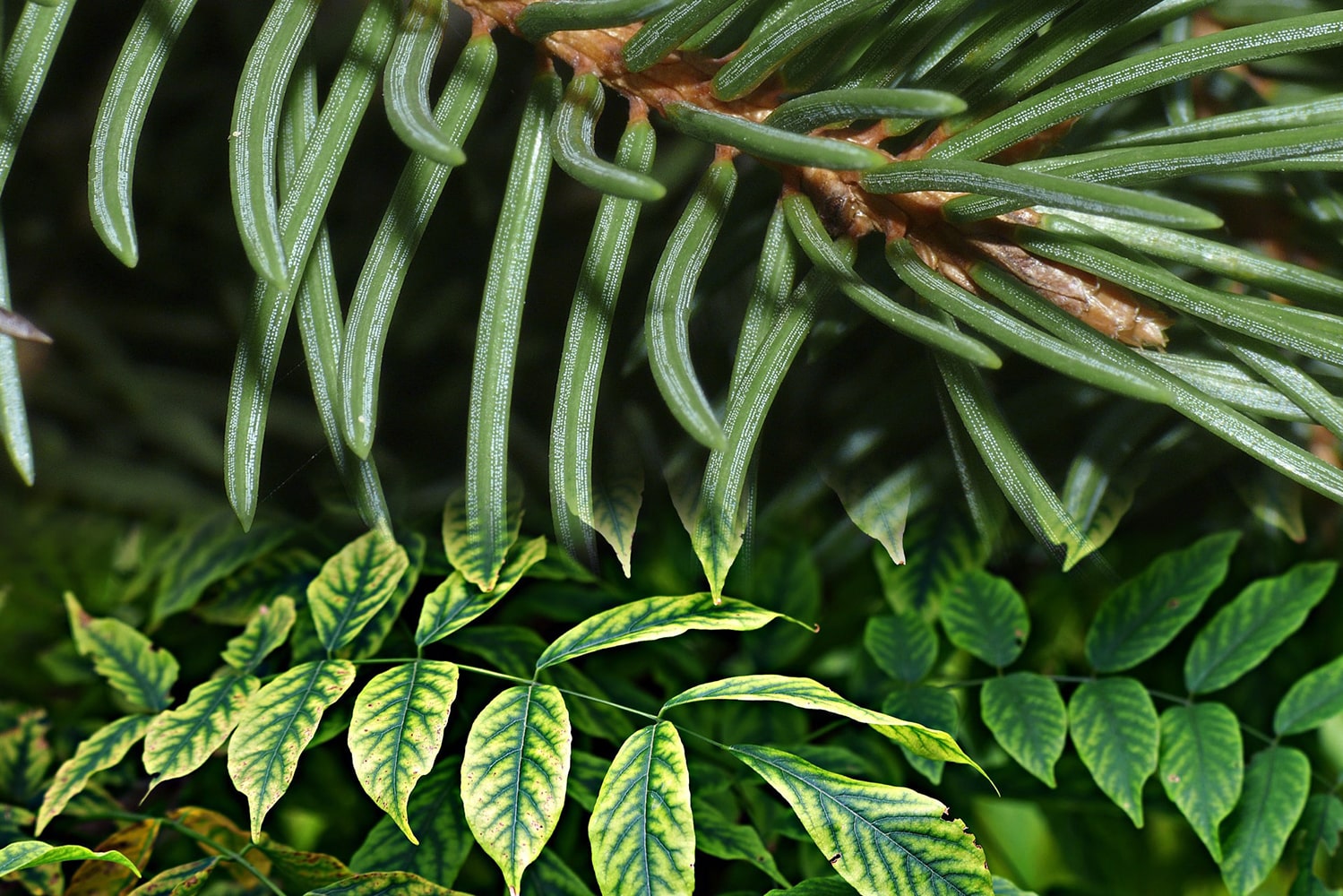
Virginia Buttonweed may exhibit yellow mottling on its leaves due to viral infections. It is not advisable to include this plant in home landscapes, as it can be challenging to eliminate due to its resilient underground structures that often remain after the plant is uprooted.
Diodia virginiana Feature Summary
Diodia virginiana Image Gallery