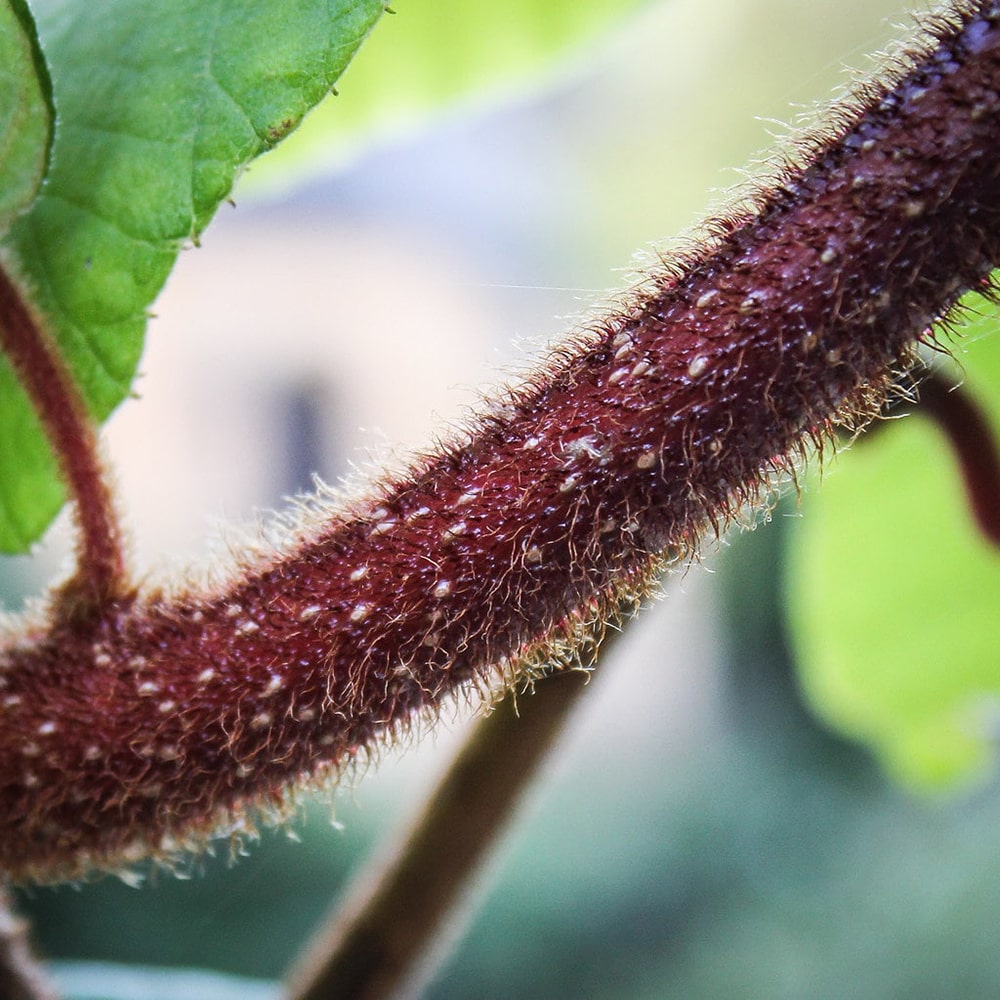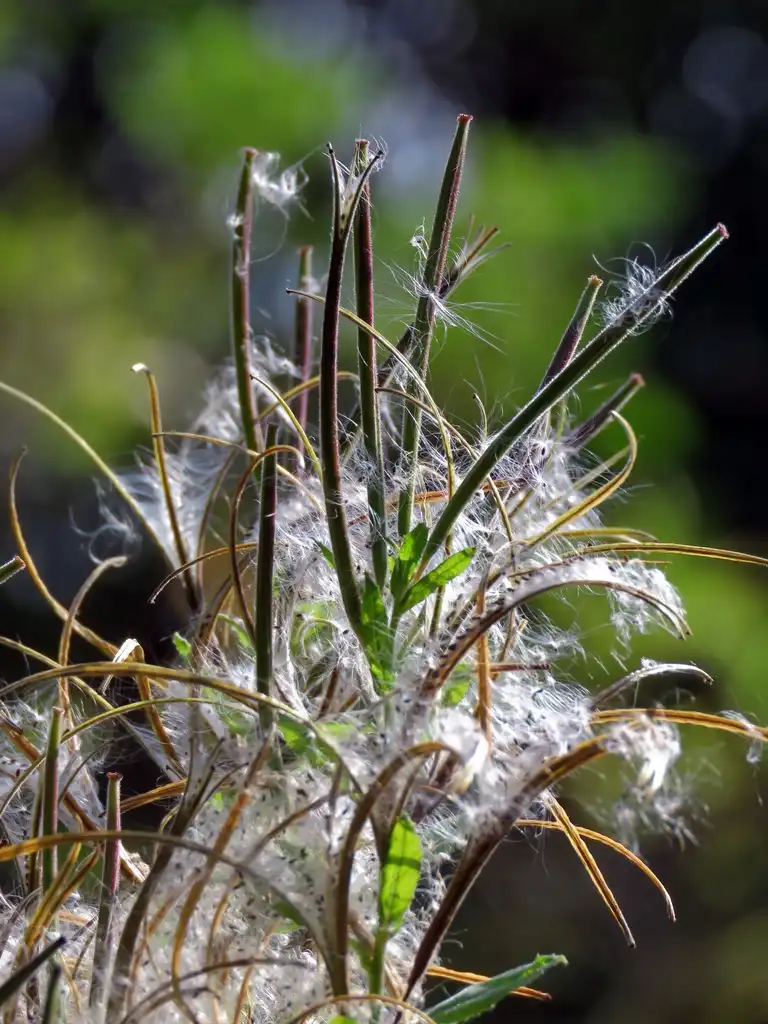
• Photo of Epilobium (Epilobiums)

Plant Profile: Epilobium

Taxonomy: Epilobium

Names

Willowherbs

  • Photo of Epilobium (Epilobiums)

Phonetic Spelling:ep-ih-LOW-bee-um

Genus:Epilobium

Species:

Family:Onagraceae

Epilobium is a genus belonging to the evening primrose family, encompassing approximately 197 species. Commonly known as willowherbs, these plants are primarily herbaceous, with some being annuals and others perennials, while a few take the form of subshrubs. Willowherbs are known for their rapid growth, often covering extensive areas and potentially becoming the predominant species within their ecosystems.

The Hairy Willowherb, also referred to as Codling-and-Cream, is frequently found in the eastern United States, reaching heights of up to 6 feet. It features hairy leaves and stems, along with notched petals. In contrast, the Rock Fringe is a low-growing variant native to the western United States. Fireweed is known to emerge in areas affected by fire. Annual species are more prevalent in cooler climates but can occasionally appear as cool-season weeds in warmer regions.

While some of these plants are cultivated, they require careful management to prevent uncontrolled spread. Their soil preferences vary by species; some thrive in wet environments, while others favor drier conditions.

It is important to note that willowherbs are increasingly found in container nurseries, likely due to contamination from nursery crops. To mitigate this risk, it is essential to inspect liners to avoid introducing these plants. Additionally, measures should be taken to prevent them from seeding in or near production areas. Current herbicides labeled for use in container nurseries are not very effective against willowherbs, and the rankings for herbicide efficacy are based on limited experimental findings.

Certain species within this genus are classified as invasive or noxious weeds in various states.

Epilobium Feature Summary

Epilobium Image Gallery

Tags

#edible plant
#weed
#weedy
#honey bees
#herb garden
#bee friendly

Similar Plants

Epilobium Feature Summary

Attributes
Used as a herbal supplement in the treatment of prostate, bladder (incontinence) and hormone disorders. Sap from the stem used on wounds for anti-inflammatory properties.
All over the world except the hotest areas.
Most of North America
Attracts bees
Fireweed is used as a sweetener in northwestern North America. It is put in candy, jellies, ice cream, syrup, and sxusem ("Indian ice cream"). Bees produce rich spicy honey from the nectar. Leaves and stems edible if cooked.
Perennial
Annual
Attracts Pollinators
Fruit
The fruit is a slender cylindrical capsule containing numerous seeds embedded in fine, soft silky fluff which disperses the seeds in the wind.
Flowers
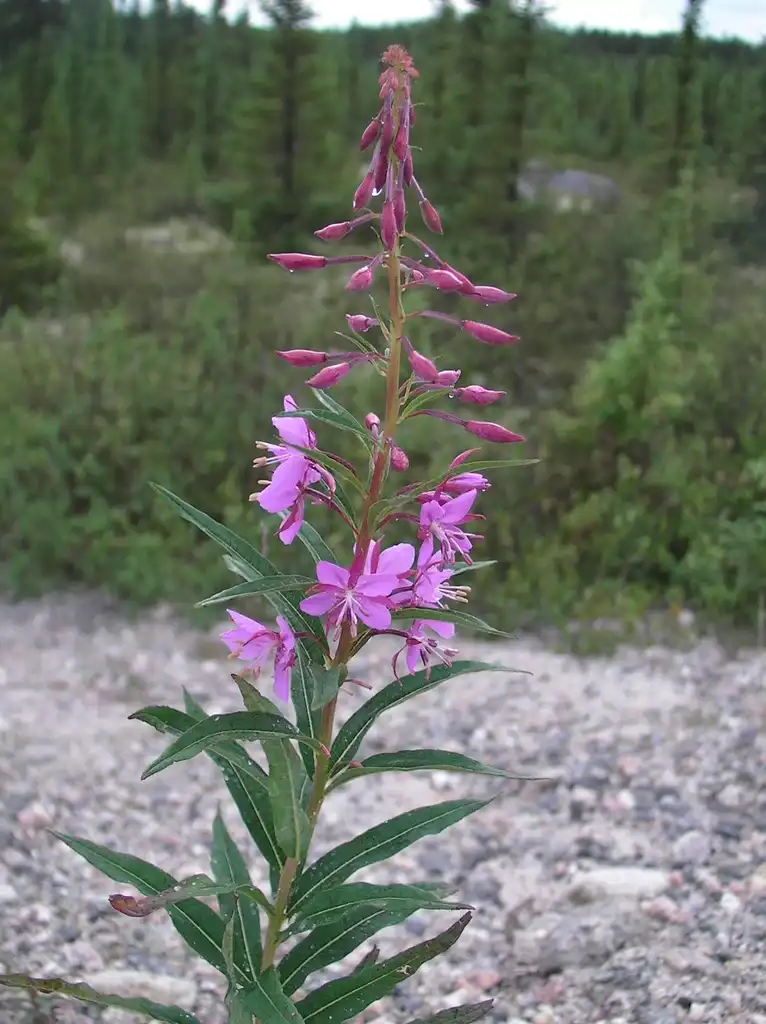
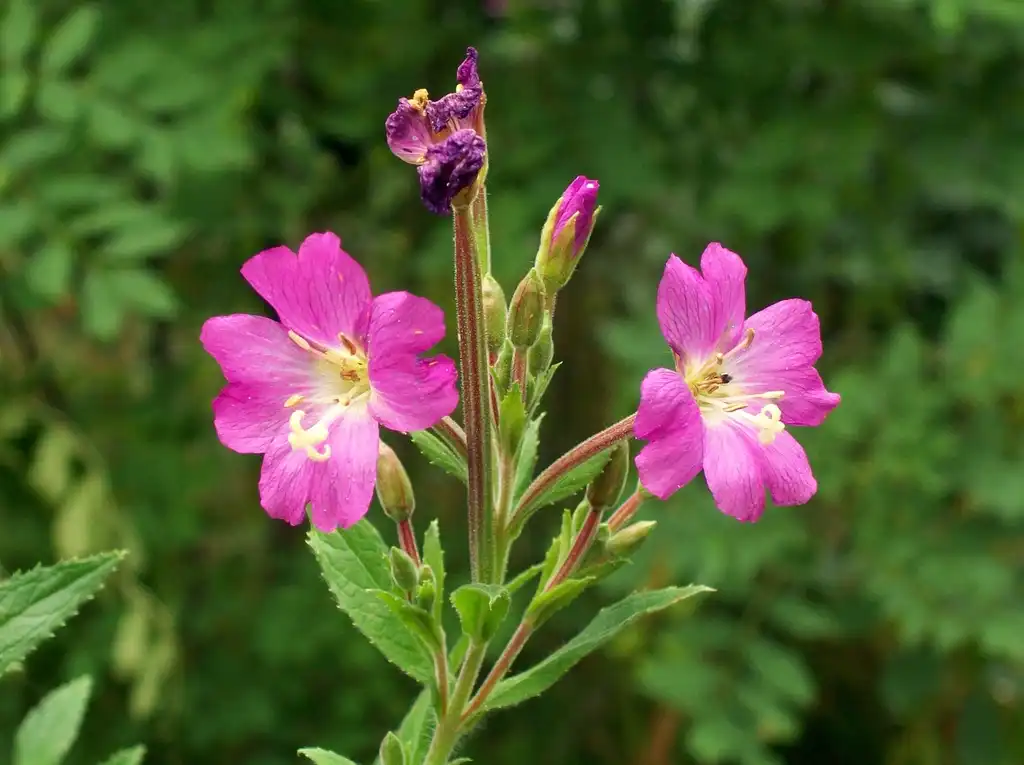
The flowers have four petals that may be notched to deeply notched. These are usually smallish and pink in most species, but red, orange or yellow in a few. May occur as a panicle.
Pink
Gold/Yellow
Red/Burgundy
Orange
4-5 petals/rays
Cup
Saucer
Leaves
Leaves are usually opposite and rarely whorled and sometimes sessile. They are simple and ovate to lanceolate in shape. The leaves may or may not have hairs.
Opposite
Whorled
Ovate
Lanceolate
Entire
Serrate
Stem
Stems may be smooth or hairy and are winged.
Straight
Cultural Conditions
Full sun (6 or more hours of direct sunlight a day)
Partial Shade (Direct sunlight only part of the day, 2-6 hours)
Landscape

Epilobium Attributes

Epilobium: Uses (Ethnobotany)

Used as a herbal supplement in the treatment of prostate, bladder (incontinence) and hormone disorders. Sap from the stem used on wounds for anti-inflammatory properties.

Epilobium: Country Or Region Of Origin

All over the world except the hotest areas.

Epilobium: Distribution

Most of North America

Epilobium: Wildlife Value

Attracts bees

Epilobium: Edibility

Fireweed is used as a sweetener in northwestern North America. It is put in candy, jellies, ice cream, syrup, and sxusem ("Indian ice cream"). Bees produce rich spicy honey from the nectar. Leaves and stems edible if cooked.

Epilobium: Life Cycle

Annual
Biennial
Bulb
Perennial
Woody

Epilobium: Play Value

Attractive Flowers
Attracts Pollinators
Buffer
Colorful
Defines Paths
Easy to Grow
Edible fruit
Fragrance
Pieces Used in Games
Screening
Shade
Sound
Textural
Wildlife Cover/Habitat
Wildlife Food Source
Wildlife Larval Host
Wildlife Nesting
Wind Break
Wind Shimmer

Epilobium Fruit

Epilobium: Fruit Description

The fruit is a slender cylindrical capsule containing numerous seeds embedded in fine, soft silky fluff which disperses the seeds in the wind.

Epilobium: Fruit Type

Achene
Aggregate
Berry
Capsule
Caryopsis
Drupe
Follicle
Legume
Nut
Pome
Samara
Schizocarp
Siliqua

Epilobium Flowers

Epilobium: Flower Description

The flowers have four petals that may be notched to deeply notched. These are usually smallish and pink in most species, but red, orange or yellow in a few. May occur as a panicle.

Epilobium: Flower Color

filter_vintage
Gold/Yellow
filter_vintage
Orange
filter_vintage
Pink
filter_vintage
Red/Burgundy

Epilobium: Flower Inflorescence

Catkin
Corymb
Cyme
Head
Insignificant
Panicle
Raceme
Solitary
Spadix
Spike
Umbel

Epilobium: Flower Bloom Time

Winter
Spring
Summer
Fall

Epilobium: Flower Petals

2-3 rays/petals
4-5 petals/rays
6 petals/rays
7 - 20 petals/rays
asymmetrical petals
Bracts
Colored Sepals
fused petals
more than 20 petals/rays
Tepals

Epilobium: Flower Shape

Bell
Cross
Crown
Cup
Dome
Funnel
Irregular
Lipped
Radial
Saucer
Star
Trumpet
Tubular
Urn
Wheel

Epilobium Leaves

Epilobium: Leaf Description

Leaves are usually opposite and rarely whorled and sometimes sessile. They are simple and ovate to lanceolate in shape. The leaves may or may not have hairs.

Epilobium: Woody Plant Leaf Characteristics

Broadleaf Evergreen
Deciduous
Needled Evergreen
Semi-evergreen

Epilobium: Leaf Color

spa
Green

Epilobium: Leaf Type

Compound (Pinnately , Bipinnately, Palmately)
Fronds
Needles
Sheath
Simple

Epilobium: Leaf Arrangement

Alternate
Opposite
Other/more complex
Rosulate
Whorled

Epilobium: Leaf Shape

Acicular
Auriculate
Cordate
Cuneate
Deltoid
Elliptical
Filiform
Lanceolate
Linear
Oblanceolate
Oblong
Obovate
Obtuse
Orbicular
Ovate
Palmasect
Palmatifid
Peltate
Pinnatifid
Pinnatisect
Reniform
Rhomboidal
Spatulate
Subcordate
Subulate

Epilobium: Leaf Margin

Crenate
Crenulate
Dentate
Denticulate
Doubly Crenate
Doubly Dentate
Doubly Serrate
Entire
Lobed
Serrate
Sinuate
Undulate

Epilobium: Hairs Present

No
Yes

Epilobium Stem

Epilobium: Stem Description

Stems may be smooth or hairy and are winged.

Epilobium: Stem Color

grass
Green

Epilobium: Stem Is Aromatic

No
Yes

Epilobium: Stem Form

Straight
Zig Zags

Epilobium Whole Plant Traits

Epilobium: Plant Type

Annual
Bulb
Carnivorous
Edible
Epiphyte
Fern
Ground Cover
Herb
Herbaceous Perennial
Houseplant
Mushroom
Native Plant
Ornamental Grasses and Sedges
Perennial
Poisonous
Rose
Shrub
Succulent
Tree
Turfgrass
Vegetable
Vine
Water Plant
Weed
Wildflower

Epilobium: Woody Plant Leaf Characteristics

Broadleaf Evergreen
Deciduous
Needled Evergreen
Semi-evergreen

Epilobium: Habit/Form

Arching
Ascending
Broad
Cascading
Climbing
Clumping
Columnar
Conical
Creeping
Dense
Erect
Horizontal
Irregular
Mounding
Multi-stemmed
Multi-trunked
Open
Oval
Prostrate
Pyramidal
Rounded
Spreading
Vase
Weeping

Epilobium: Growth Rate

Slow
Medium
Rapid

Epilobium: Maintenance

Low
Medium
High

Epilobium Cultural Conditions

Epilobium: Light

Dappled Sunlight (Shade through upper canopy all day)
Deep shade (Less than 2 hours to no direct sunlight)
Full sun (6 or more hours of direct sunlight a day)
Partial Shade (Direct sunlight only part of the day, 2-6 hours)

Epilobium Landscape

Epilobium: Problems

Allelopathic
Contact Dermatitis
Frequent Disease Problems
Frequent Insect Problems
Invasive Species
Malodorous
Messy
Poisonous to Humans
Problem for Cats
Problem for Children
Problem for Dogs
Problem for Horses
Short-lived
Spines/Thorns
Weak Wood
Weedy