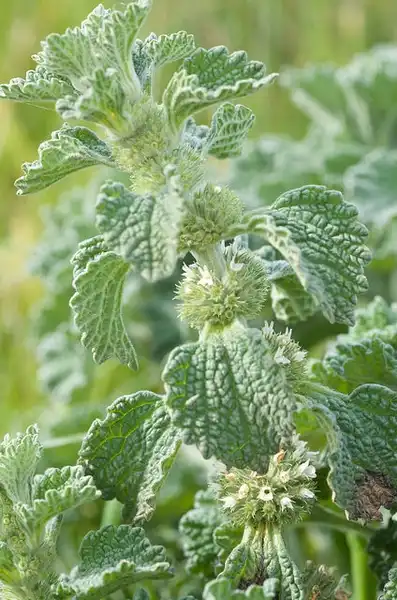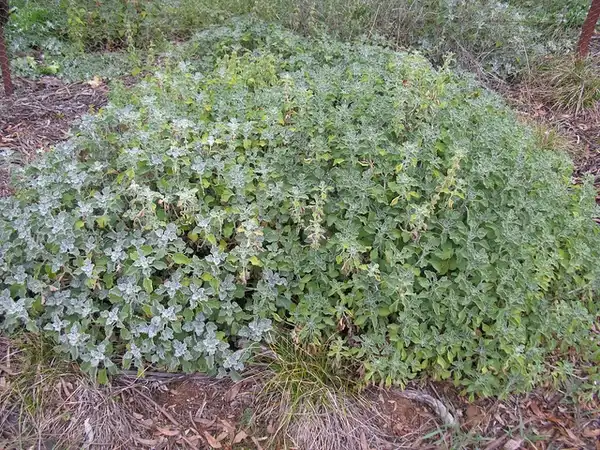
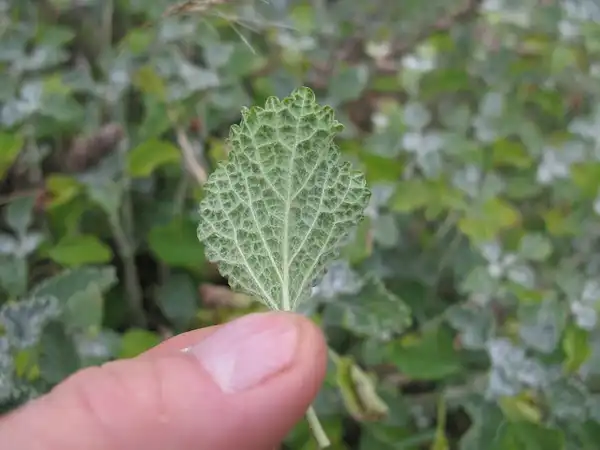
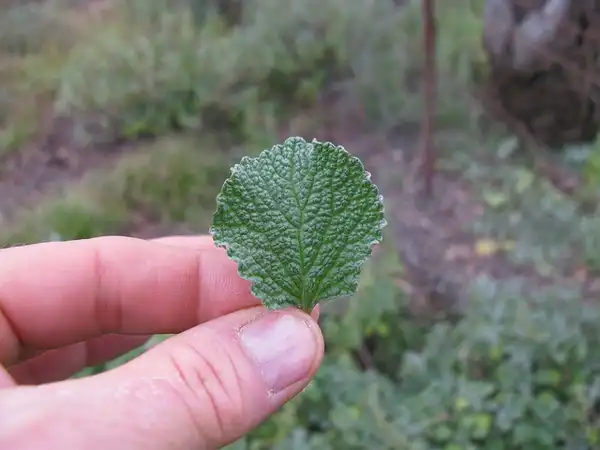
• Photo of Marrubium vulgare (Marrubium vulgares)

Plant Profile: Marrubium vulgare

Taxonomy: Marrubium vulgare

Names

Horehound, White Horehound

  • Photo of Marrubium vulgare (Marrubium vulgares)

Phonetic Spelling:mar-ROO-bee-um vul-GAR-ay

Genus:Marrubium

Species:vulgare

Family:Lamiaceae

White Horehound is a perennial herb belonging to the mint family, originally found in Europe, Asia, and Africa, and has since spread across many regions of North and South America. Its flowering period extends from June to September. This plant thrives in full sunlight and favors sandy, dry soil with a pH ranging from acidic to neutral. However, it can become invasive in certain areas.

Marrubium vulgare Feature Summary

Marrubium vulgare Image Gallery

Tags

#edible plant
#weedy
#herb garden
#bee friendly

Similar Plants

Marrubium vulgare Feature Summary

Attributes
It has been used in herbal medicine since the 1st century and is still used today.
Europe, northern Africa, and southwestern and central Asia
Attracts bees
Teas and beer, flavoring in hard candies and crafts.
Perennial
Seed
Division
Leaf Cutting
Flowers
Clusters of white flowers around the stem in the leaf axils
Spring
Summer
Fall
Leaves
Up to 2 inch long crinkled green leaves covered in downy hairs.
Whole Plant Traits
Cultural Conditions
Full sun (6 or more hours of direct sunlight a day)
Partial Shade (Direct sunlight only part of the day, 2-6 hours)
Landscape

Marrubium vulgare Attributes

Marrubium vulgare: Uses (Ethnobotany)

It has been used in herbal medicine since the 1st century and is still used today.
Marrubium vulgare: Country Or Region Of Origin

Europe, northern Africa, and southwestern and central Asia

Marrubium vulgare: Wildlife Value

Attracts bees

Marrubium vulgare: Edibility

Teas and beer, flavoring in hard candies and crafts.

Marrubium vulgare: Life Cycle

Annual
Biennial
Bulb
Perennial
Woody

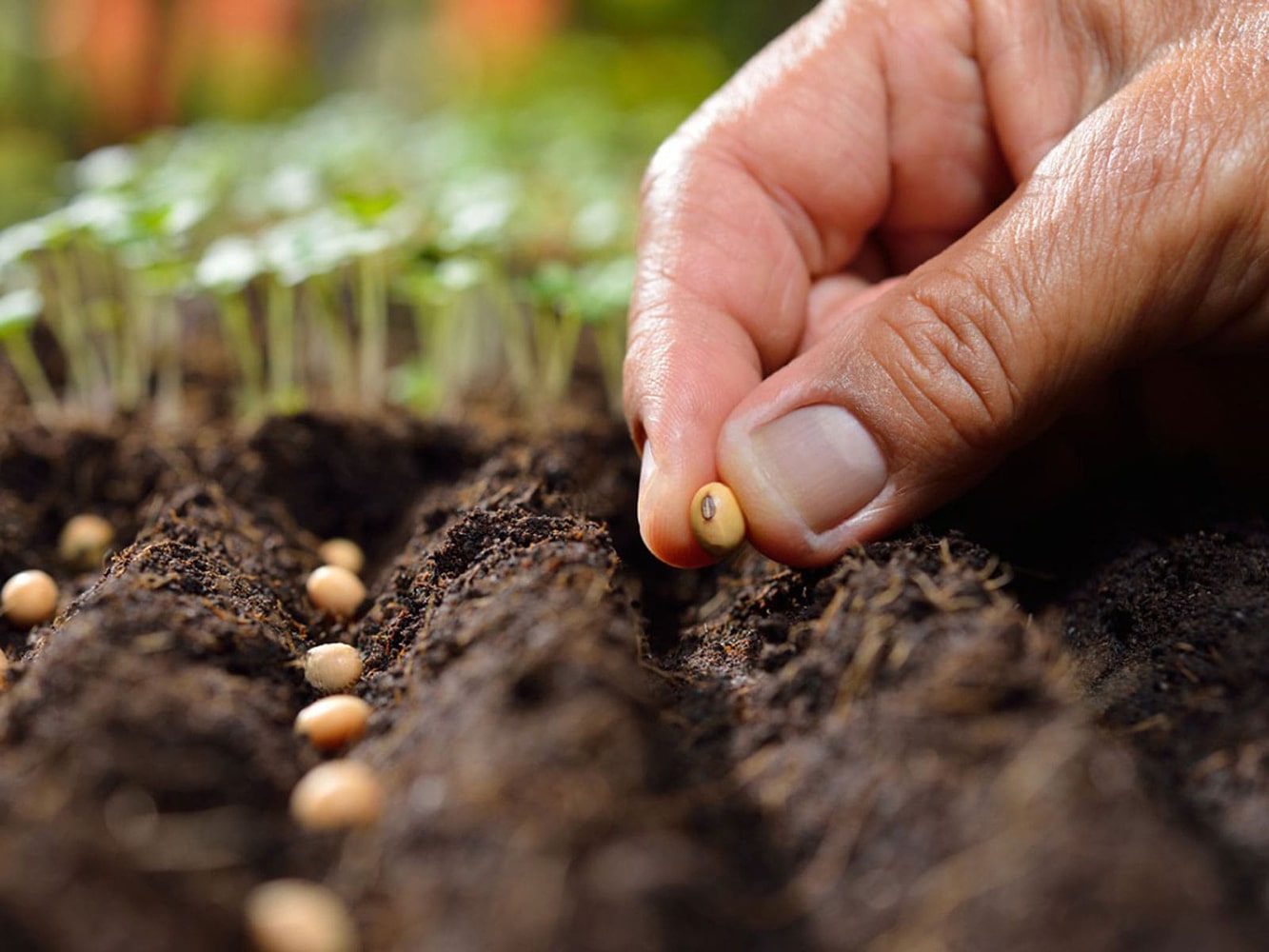
Marrubium vulgare: Recommended Propagation Strategy

Division
Grafting
Layering
Leaf Cutting
Root Cutting
Seed
Stem Cutting

Marrubium vulgare Flowers

Marrubium vulgare: Flower Description

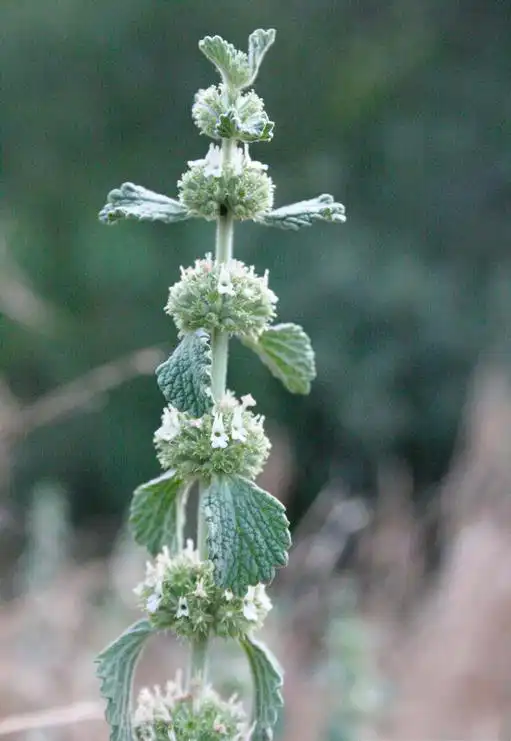
Clusters of white flowers around the stem in the leaf axils

Marrubium vulgare: Flower Color

filter_vintage
White

Marrubium vulgare: Flower Bloom Time

Winter
Spring
Summer
Fall

Marrubium vulgare Leaves

Marrubium vulgare: Leaf Description

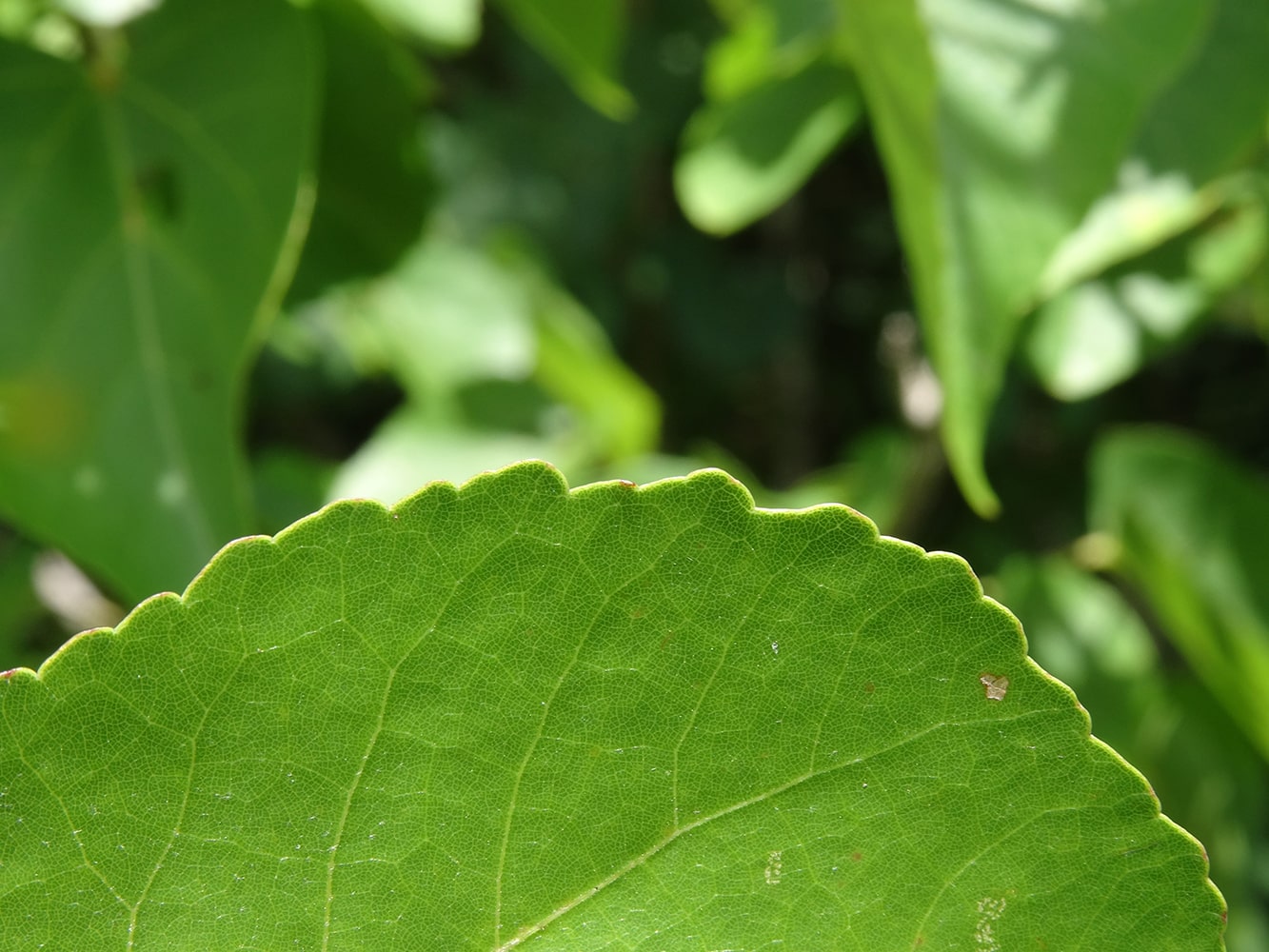
Up to 2 inch long crinkled green leaves covered in downy hairs.

Marrubium vulgare: Woody Plant Leaf Characteristics

Broadleaf Evergreen
Deciduous
Needled Evergreen
Semi-evergreen

Marrubium vulgare: Leaf Color

spa
Green

Marrubium vulgare: Leaf Margin

Crenate
Crenulate
Dentate
Denticulate
Doubly Crenate
Doubly Dentate
Doubly Serrate
Entire
Lobed
Serrate
Sinuate
Undulate

Marrubium vulgare: Hairs Present

No
Yes

Marrubium vulgare: Leaf Value To Gardener

Edible
Fragrant
Good Cut
Good Dried
Long-lasting
Showy

Marrubium vulgare Whole Plant Traits

Marrubium vulgare: Plant Type

Annual
Bulb
Carnivorous
Edible
Epiphyte
Fern
Ground Cover
Herb
Herbaceous Perennial
Houseplant
Mushroom
Native Plant
Ornamental Grasses and Sedges
Perennial
Poisonous
Rose
Shrub
Succulent
Tree
Turfgrass
Vegetable
Vine
Water Plant
Weed
Wildflower

Marrubium vulgare: Woody Plant Leaf Characteristics

Broadleaf Evergreen
Deciduous
Needled Evergreen
Semi-evergreen

Marrubium vulgare: Growth Rate

Slow
Medium
Rapid

Marrubium vulgare: Maintenance

Low
Medium
High

Marrubium vulgare Cultural Conditions

Marrubium vulgare: Light

Dappled Sunlight (Shade through upper canopy all day)
Deep shade (Less than 2 hours to no direct sunlight)
Full sun (6 or more hours of direct sunlight a day)
Partial Shade (Direct sunlight only part of the day, 2-6 hours)

Marrubium vulgare: Available Space To Plant

12 inches-3 feet
12-24 feet
24-60 feet
3 feet-6 feet
6-feet-12 feet
Less than 12 inches
more than 60 feet

Marrubium vulgare Stem

Marrubium vulgare: Stem Is Aromatic

No
Yes

Marrubium vulgare Landscape

Marrubium vulgare: Problems

Allelopathic
Contact Dermatitis
Frequent Disease Problems
Frequent Insect Problems
Invasive Species
Malodorous
Messy
Poisonous to Humans
Problem for Cats
Problem for Children
Problem for Dogs
Problem for Horses
Short-lived
Spines/Thorns
Weak Wood
Weedy