Plant Profile: Eranthis hyemalis

Taxonomy: Eranthis hyemalis

Names

Winter Aconite

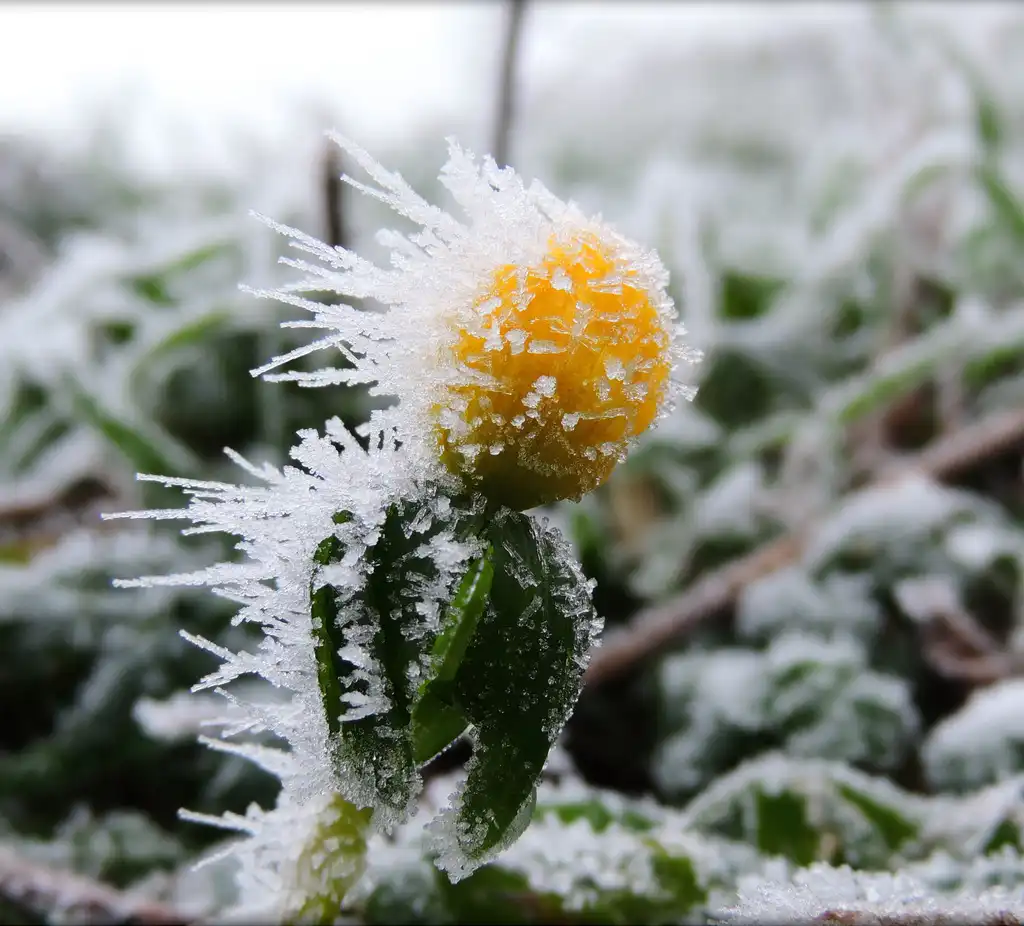
  • Photo of Eranthis hyemalis (Eranthis hyemaliss)

Phonetic Spelling:er-AN-thiss hy-eh-MAY-liss

Genus:Eranthis

Species:hyemalis

Family:Ranunculaceae

This charming yellow flower brings a vibrant touch to rock gardens, flower beds, and woodland settings. When planting, space the tubers 1 inch apart, aiming for 60 to 100 per square foot, and bury them 5 inches deep, reaching the base of the tuber. Be aware that this plant is susceptible to damage when temperatures drop below 5 degrees Fahrenheit (-15 degrees Celsius). While it can withstand drought conditions, it's important to maintain moist soil throughout the growing season.

**Quick Identification Tips:**
This flower blooms from late winter to early spring and is ideal for borders or patios in sheltered, shady areas. However, be cautious, as its leaves and roots are toxic—derived from the Greek words 'helein' meaning to harm and 'bora' meaning food. It is particularly valued for its long-lasting winter blooms.

There are many hybrid varieties and species available, which can often be challenging to differentiate, leading to misidentification in the market. All are commonly referred to as lenten roses, a term historically linked to H. orientalis.

This plant thrives in partial to full shade and prefers soil rich in organic matter. It does not tolerate intense winter sunlight or high temperatures well, and fungal diseases are a significant concern.

Eranthis hyemalis Feature Summary

Eranthis hyemalis Image Gallery

Tags

#evergreen
#yellow
#poisonous
#drought tolerant
#yellow flowers
#rock gardens
#bedding plants
#fantz
#HS302
#woodlands

Similar Plants

Eranthis hyemalis is often confused with:

Eranthis hyemalis Feature Summary

Attributes
Asia Minor and Europe
Perennial
Bulb
Fruit
Clustered, green, fleshy capsules, long-beaked, surrounded by persistent sepals.
Flowers
Blooms in early spring, February/March. A stalked cyme or panicle, terminal, bracteated, often nodding; bracts gigantic, leaf-like, dark green, entire to sparsely toothed, +/- lobed. 1-many, usually greenish, tinted gold or brown, pink or purple, cup or bowl-shaped, nodding, 3-4" dia; sepals 5, showy, pigmented, broadly ovate-elliptic; inner petal segments numerous, consisting of tubular nectaries, green to greenish-yellow, ephemeral; stamens numerous, anther yellow.
Gold/Yellow
Green
6 petals/rays
Leaves
Basal or cauline, palmately compound, coriaceous, glabrous; petiloes elongate, peltate; leaflets 3-9, irregularly toothed or serrate.
Compound (Pinnately , Bipinnately, Palmately)
Stem
Stout, rhizomatous or exposed.
Poisonous to Humans
HIGHLY TOXIC, MAY BE FATAL IF EATEN! Stomach pain, nausea, vomiting, diarrhea, disturbed vision, shortness of breath, irregular pulse, and potential cardiac arrest.
Cardiac glycosides of the bufadienolide group
Seeds
Leaves
Stems
Sap/Juice
Flowers
Bark
Fruits
Roots
Whole Plant Traits
Perennial
Herbaceous Perennial
Poisonous
Bulb
Cultural Conditions
Full sun (6 or more hours of direct sunlight a day)
Partial Shade (Direct sunlight only part of the day, 2-6 hours)
Less than 12 inches
Landscape
Rock Garden
Woodland
Rock Wall
Poisonous to Humans

Eranthis hyemalis Attributes

Eranthis hyemalis: Country Or Region Of Origin

Asia Minor and Europe
Eranthis hyemalis: Life Cycle

Annual
Biennial
Bulb
Perennial
Woody

Eranthis hyemalis Fruit

Eranthis hyemalis: Fruit Description

Clustered, green, fleshy capsules, long-beaked, surrounded by persistent sepals.

Eranthis hyemalis: Fruit Type

Achene
Aggregate
Berry
Capsule
Caryopsis
Drupe
Follicle
Legume
Nut
Pome
Samara
Schizocarp
Siliqua

Eranthis hyemalis: Fruit Color

grass
Green

Eranthis hyemalis Flowers

Eranthis hyemalis: Flower Description

Blooms in early spring, February/March. A stalked cyme or panicle, terminal, bracteated, often nodding; bracts gigantic, leaf-like, dark green, entire to sparsely toothed, +/- lobed. 1-many, usually greenish, tinted gold or brown, pink or purple, cup or bowl-shaped, nodding, 3-4" dia; sepals 5, showy, pigmented, broadly ovate-elliptic; inner petal segments numerous, consisting of tubular nectaries, green to greenish-yellow, ephemeral; stamens numerous, anther yellow.

Eranthis hyemalis: Flower Color

filter_vintage
Gold/Yellow
filter_vintage
Green

Eranthis hyemalis: Flower Inflorescence

Catkin
Corymb
Cyme
Head
Insignificant
Panicle
Raceme
Solitary
Spadix
Spike
Umbel

Eranthis hyemalis: Flower Value To Gardener

Edible
Fragrant
Good Cut
Good Dried
Long Bloom Season
Long-lasting
Showy

Eranthis hyemalis: Flower Bloom Time

Winter
Spring
Summer
Fall

Eranthis hyemalis: Flower Petals

2-3 rays/petals
4-5 petals/rays
6 petals/rays
7 - 20 petals/rays
asymmetrical petals
Bracts
Colored Sepals
fused petals
more than 20 petals/rays
Tepals

Eranthis hyemalis Leaves

Eranthis hyemalis: Leaf Description

Basal or cauline, palmately compound, coriaceous, glabrous; petiloes elongate, peltate; leaflets 3-9, irregularly toothed or serrate.

Eranthis hyemalis: Leaf Color

spa
Green

Eranthis hyemalis: Leaf Type

Compound (Pinnately , Bipinnately, Palmately)
Fronds
Needles
Sheath
Simple

Eranthis hyemalis: Leaf Margin

Crenate
Crenulate
Dentate
Denticulate
Doubly Crenate
Doubly Dentate
Doubly Serrate
Entire
Lobed
Serrate
Sinuate
Undulate

Eranthis hyemalis: Hairs Present

No
Yes

Eranthis hyemalis Stem

Eranthis hyemalis: Stem Description

Stout, rhizomatous or exposed.

Eranthis hyemalis: Stem Is Aromatic

No
Yes

Eranthis hyemalis Poisonous to Humans

Eranthis hyemalis: Poison Symptoms

HIGHLY TOXIC, MAY BE FATAL IF EATEN! Stomach pain, nausea, vomiting, diarrhea, disturbed vision, shortness of breath, irregular pulse, and potential cardiac arrest.

Eranthis hyemalis: Poison Toxic Principle

Cardiac glycosides of the bufadienolide group

Eranthis hyemalis: Poison Severity

High
Low
Medium

Eranthis hyemalis: Causes Contact Dermatitis

No
Yes

Eranthis hyemalis: Poison Part

Bark
Flowers
Fruits
Leaves
Roots
Sap/Juice
Seeds
Stems

Eranthis hyemalis Whole Plant Traits

Eranthis hyemalis: Plant Type

Annual
Bulb
Carnivorous
Edible
Epiphyte
Fern
Ground Cover
Herb
Herbaceous Perennial
Houseplant
Mushroom
Native Plant
Ornamental Grasses and Sedges
Perennial
Poisonous
Rose
Shrub
Succulent
Tree
Turfgrass
Vegetable
Vine
Water Plant
Weed
Wildflower

Eranthis hyemalis Cultural Conditions

Eranthis hyemalis: Light

Dappled Sunlight (Shade through upper canopy all day)
Deep shade (Less than 2 hours to no direct sunlight)
Full sun (6 or more hours of direct sunlight a day)
Partial Shade (Direct sunlight only part of the day, 2-6 hours)

Eranthis hyemalis: Soil Drainage

Frequent Standing Water
Good Drainage
Moist
Occasional Flooding
Occasionally Dry
Occasionally Wet
Very Dry

Eranthis hyemalis: Available Space To Plant

12 inches-3 feet
12-24 feet
24-60 feet
3 feet-6 feet
6-feet-12 feet
Less than 12 inches
more than 60 feet

Eranthis hyemalis Landscape

Eranthis hyemalis: Landscape Theme

Asian Garden
Butterfly Garden
Children's Garden
Cottage Garden
Cutting Garden
Drought Tolerant Garden
Edible Garden
English Garden
Fairy Garden
Garden for the Blind
Native Garden
Nighttime Garden
Pollinator Garden
Rain Garden
Rock Garden
Shade Garden
Water Garden
Winter Garden

Eranthis hyemalis: Resistance To Challenges

Black Walnut
Compaction
Deer
Diseases
Drought
Dry Soil
Erosion
Fire
Foot Traffic
Heat
Heavy Shade
Humidity
Insect Pests
Pollution
Poor Soil
Rabbits
Salt
Slugs
Squirrels
Storm damage
Urban Conditions
Voles
Wet Soil
Wind

Eranthis hyemalis: Landscape Location

Coastal
Container
Hanging Baskets
Houseplants
Lawn
Meadow
Naturalized Area
Near Septic
Patio
Pond
Pool/Hardscape
Recreational Play Area
Riparian
Rock Wall
Slope/Bank
Small Space
Vertical Spaces
Walkways
Woodland

Eranthis hyemalis: Problems

Allelopathic
Contact Dermatitis
Frequent Disease Problems
Frequent Insect Problems
Invasive Species
Malodorous
Messy
Poisonous to Humans
Problem for Cats
Problem for Children
Problem for Dogs
Problem for Horses
Short-lived
Spines/Thorns
Weak Wood
Weedy