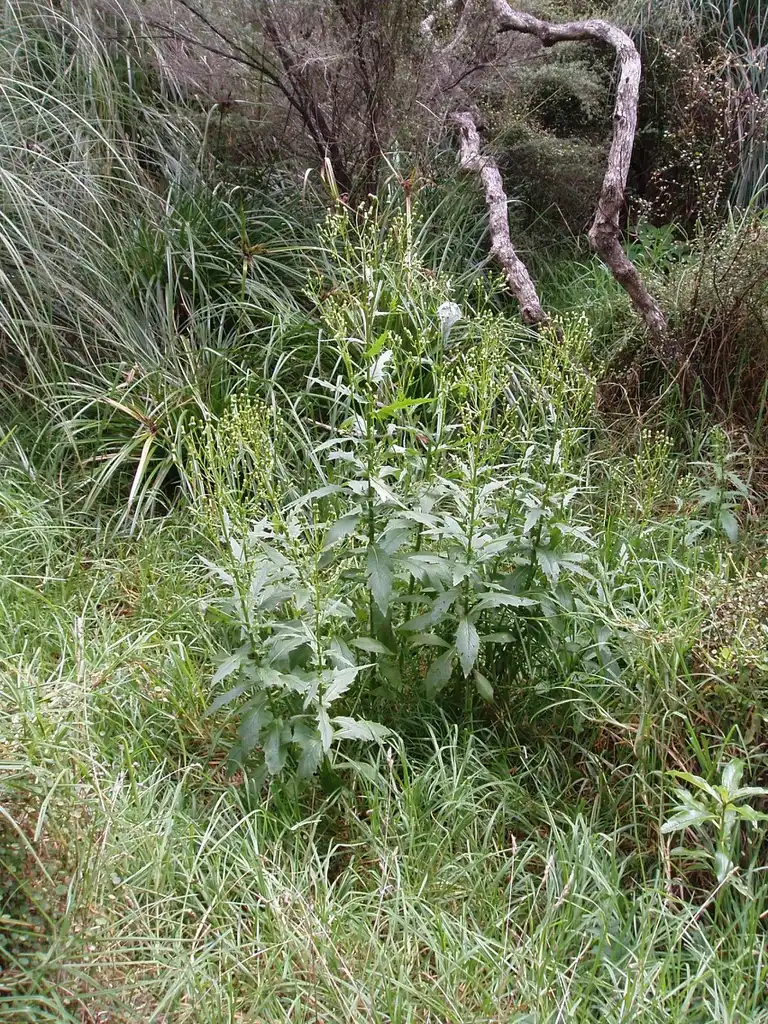
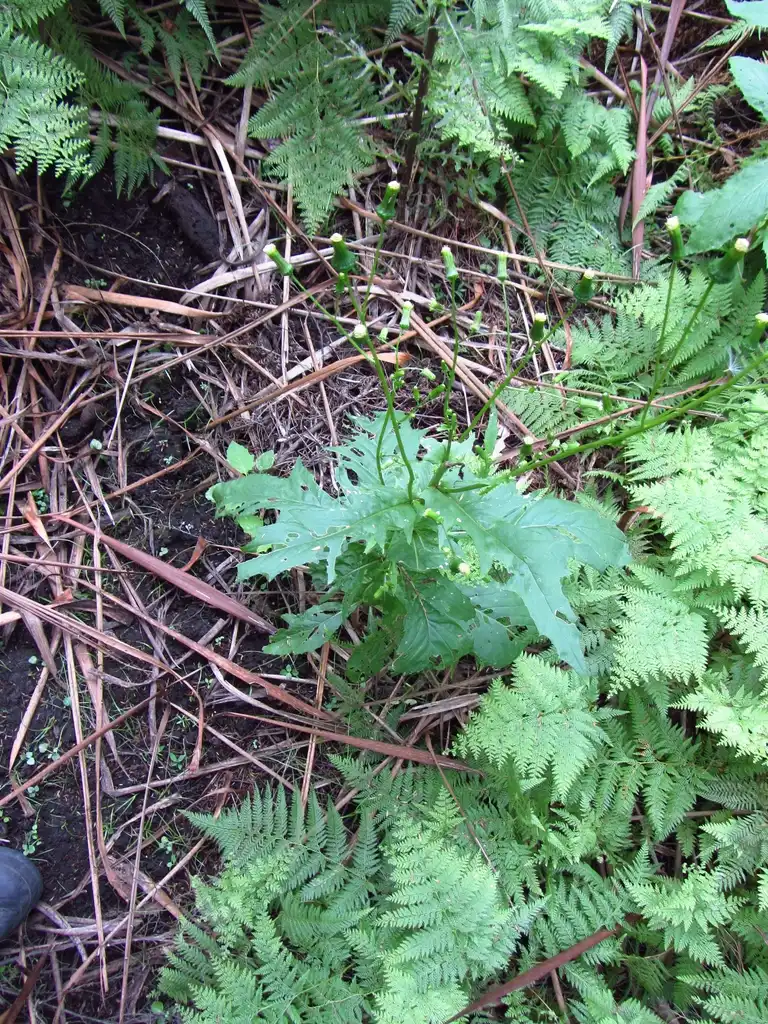
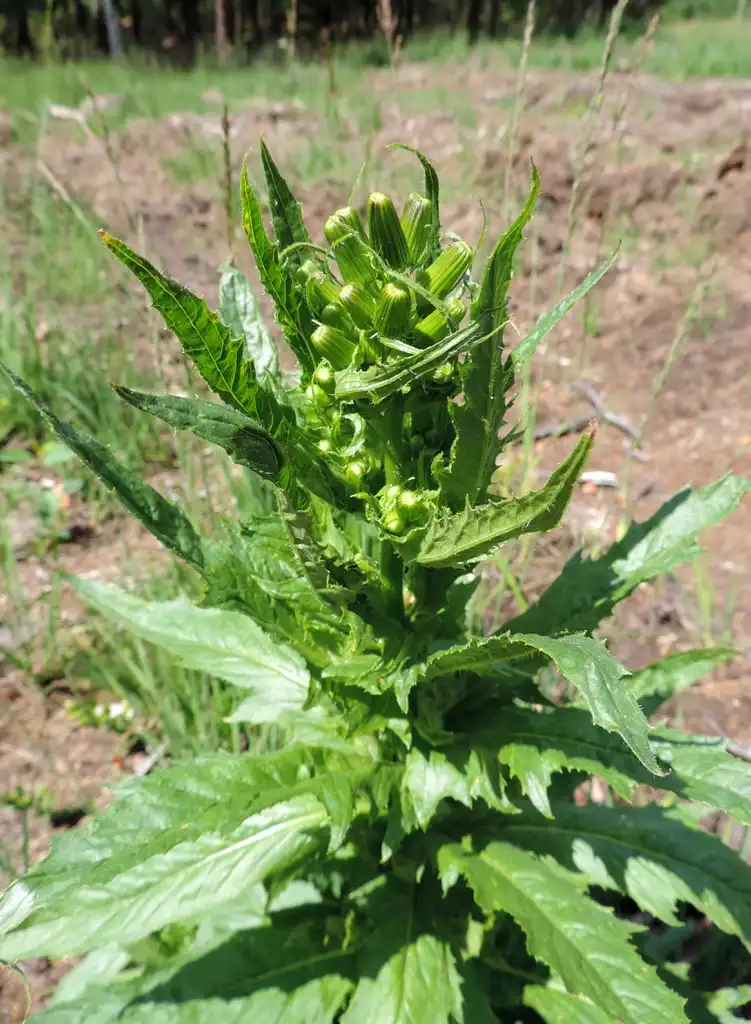
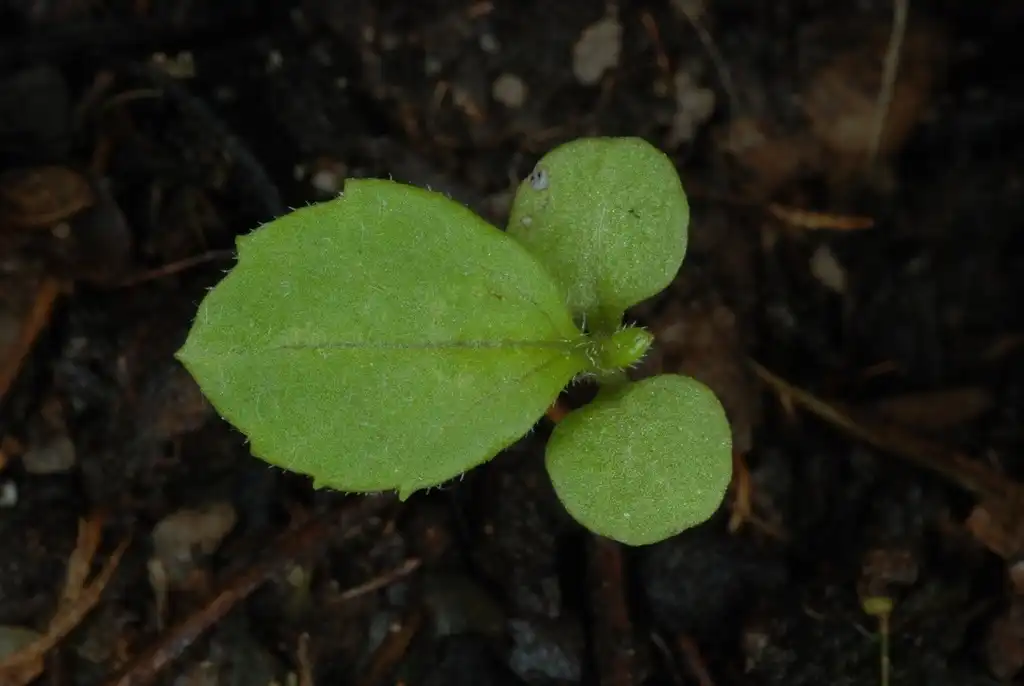
Erechtites hieraciifolius: Country Or Region Of Origin
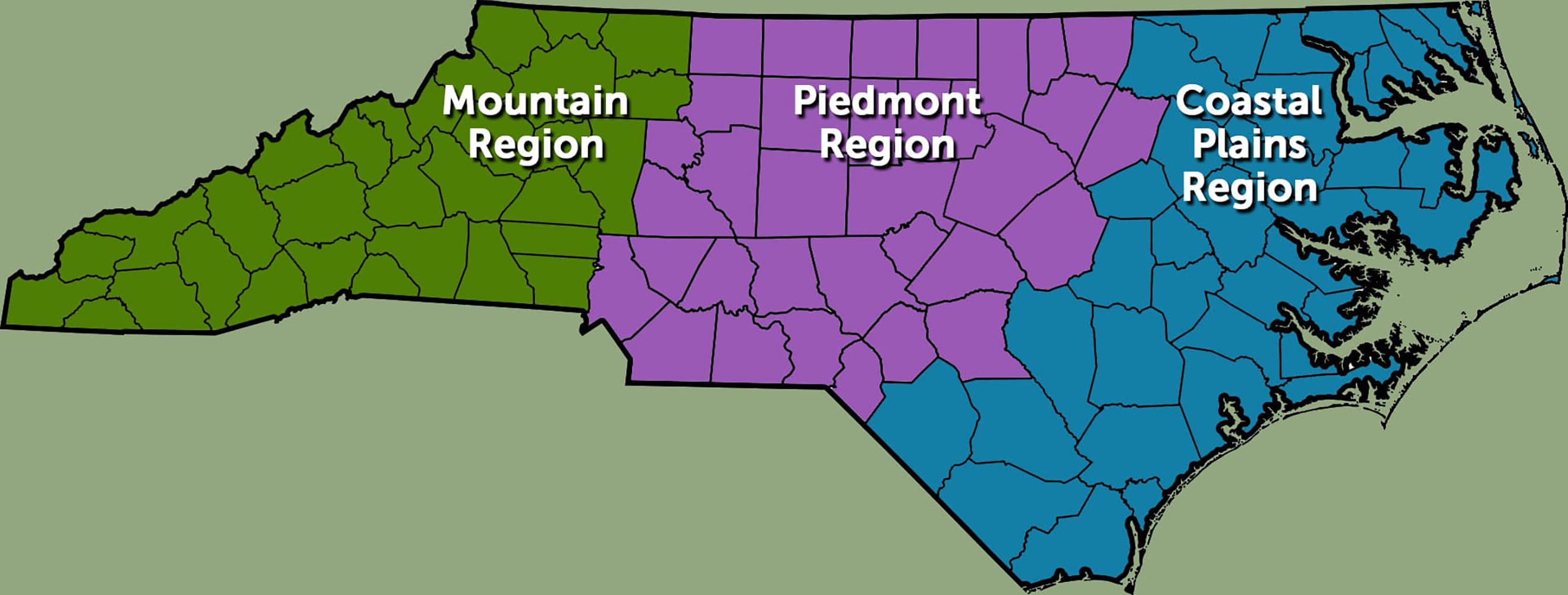
North and South America
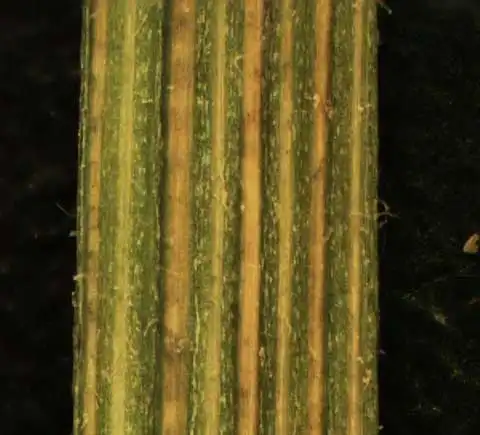
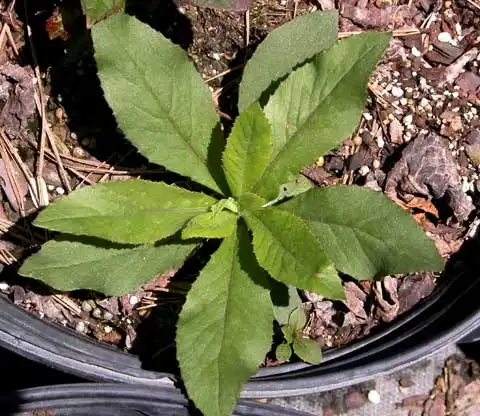
Phonetic Spelling:e-REK-ti-tees hi-er-ay-see-ih-FOH-lee-a
Genus:Erechtites
Species:hieraciifolius
Family:Asteraceae
American burnweed belongs to the Asteraceae family, commonly known as the daisy family. This plant thrives in human-altered or disturbed environments such as roadsides, railway corridors, ditches, coastal regions, and the banks of lakes and rivers, as well as in meadows and fields, particularly along wetland edges. It frequently appears in areas impacted by beaver activity, which creates cycles of flooding and drainage, making it a prevalent weed in various landscapes. Following human disturbances or conditions that lessen competition, its populations can surge dramatically; however, they typically decline as natural succession progresses toward denser habitats.
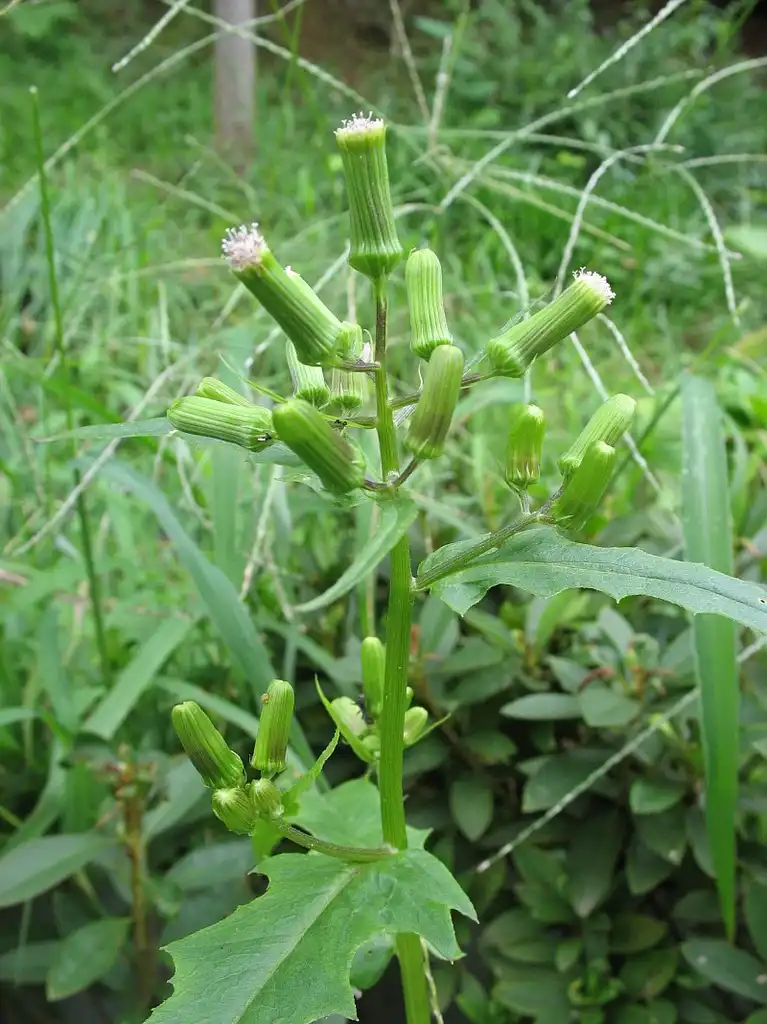
The plant tends to grow in clusters, featuring multiple stems that branch out. It is commonly found in coastal and meadow environments and demonstrates resilience to urban conditions.
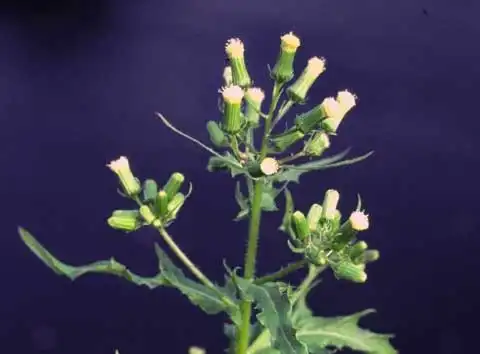
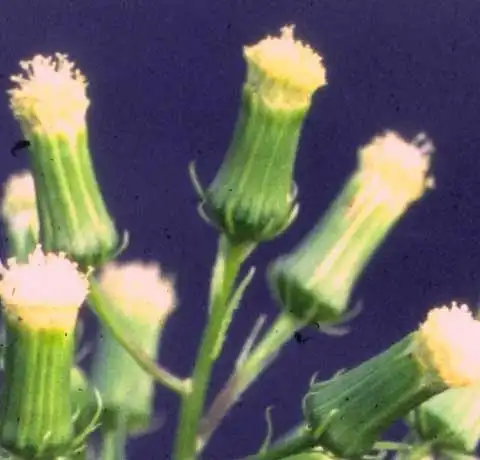
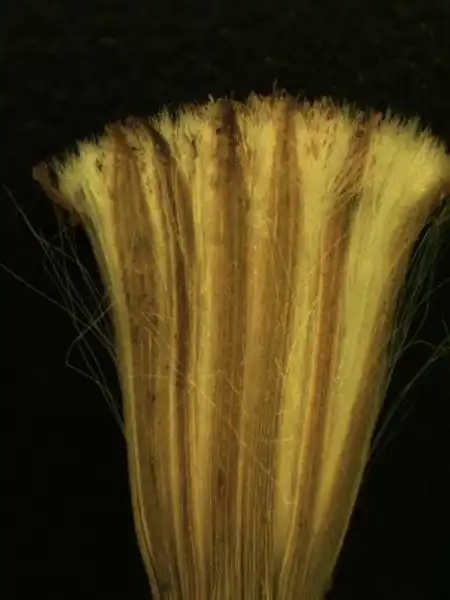
The flower heads of American burnweed stand upright, in contrast to the drooping flowers of thickhead species. Blooming occurs from summer into early fall, with the plants dying off after the first frost. Its seeds are dispersed by the wind, allowing for the potential of multiple generations within a single growing season. This species thrives in post-fire environments, often being one of the first to colonize areas that have recently experienced fire, which is reflected in some of its common names. While it prefers moist conditions, it can also tolerate gravelly soils and moderate dryness, making it well-suited for urban settings and areas frequented by humans.
American burnweed can be effectively controlled using broad-spectrum herbicides, although most herbicides with a single active ingredient tend to be less effective against it.
Erechtites hieraciifolius Feature Summary
Erechtites hieraciifolius Image Gallery