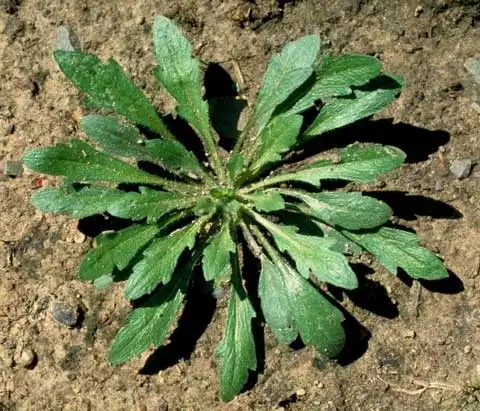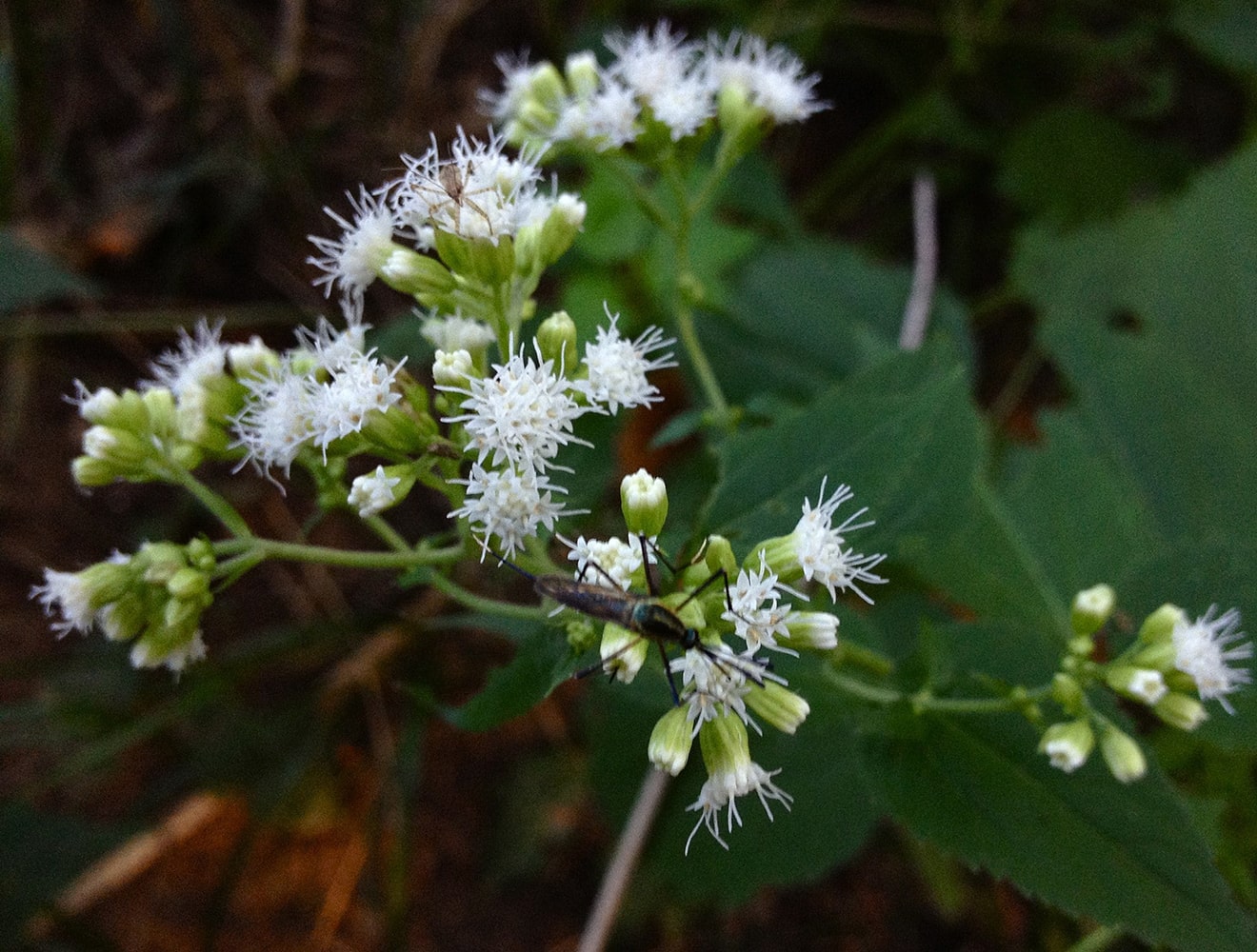
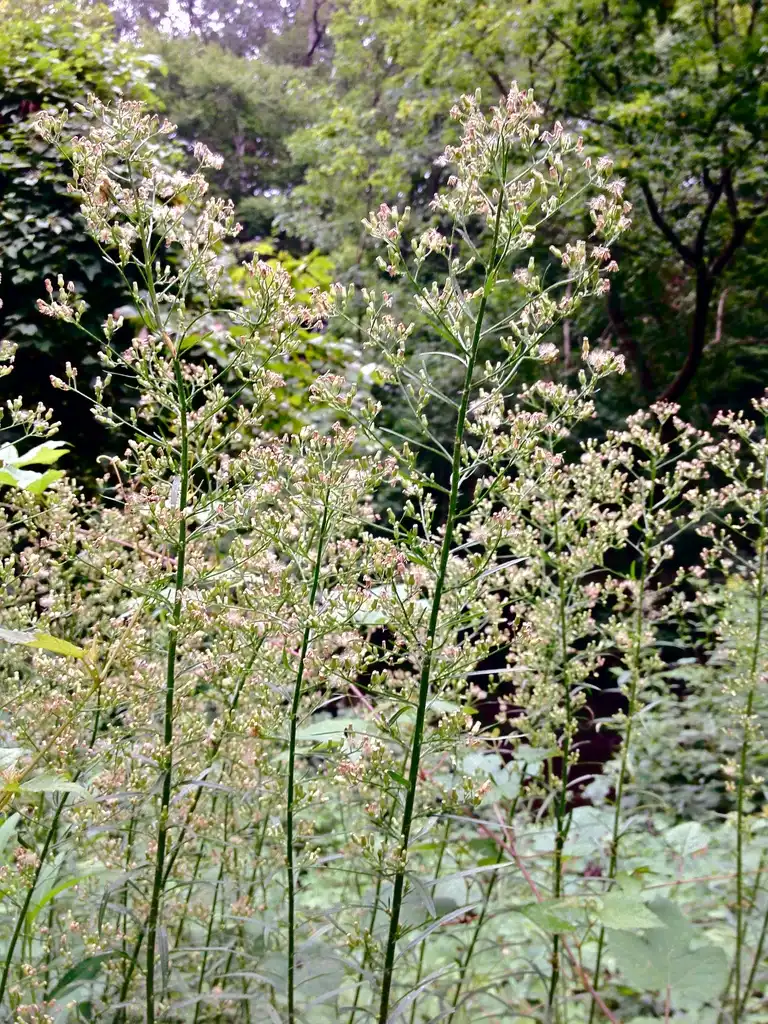
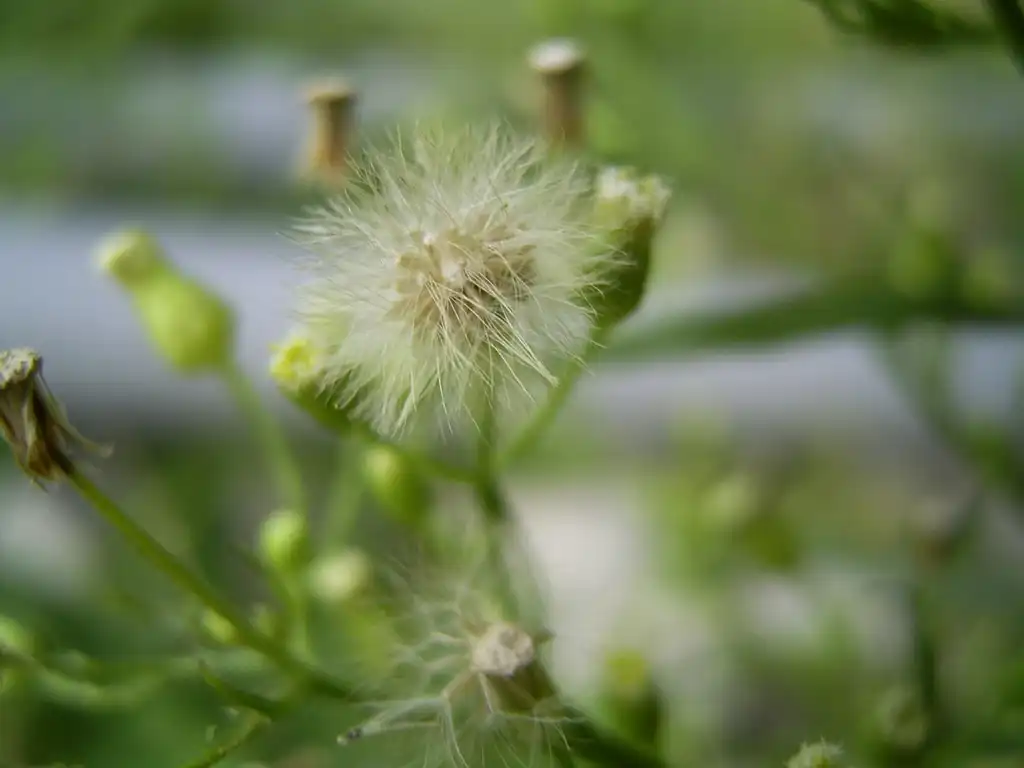
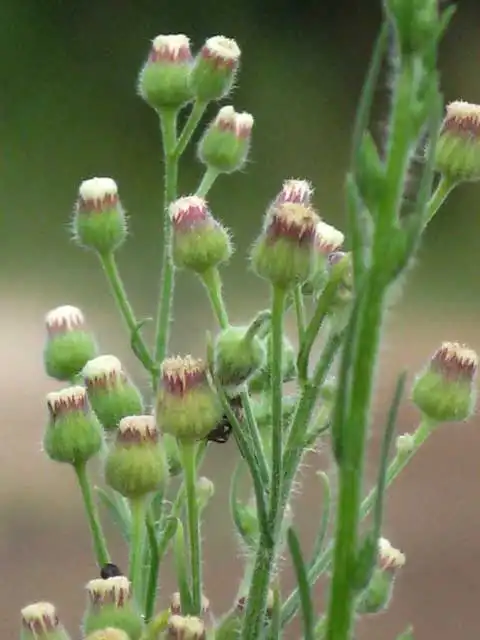
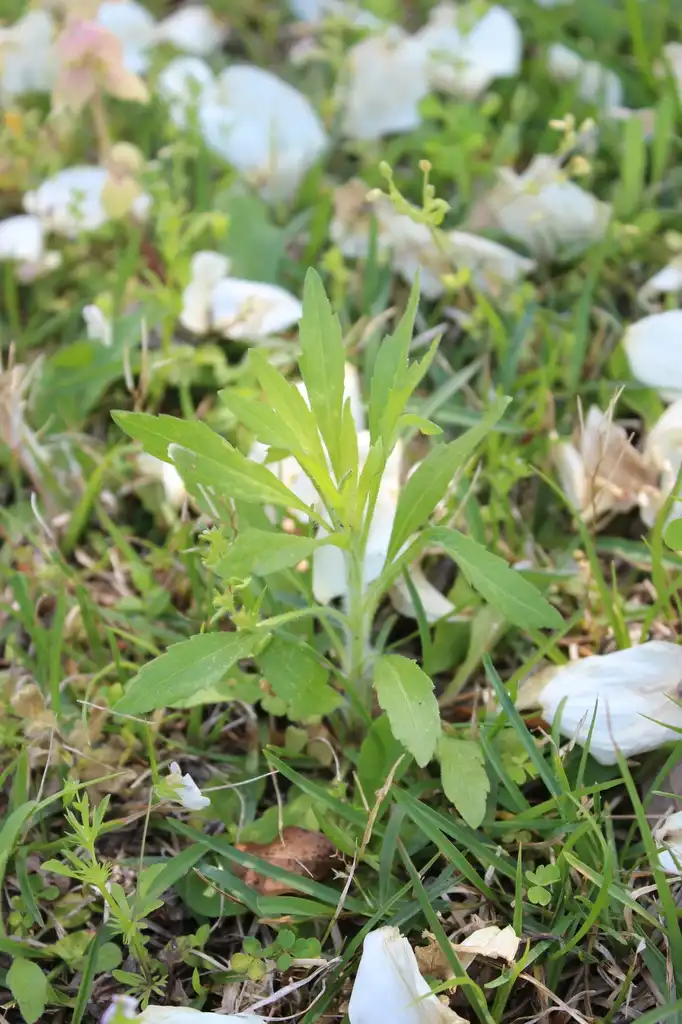
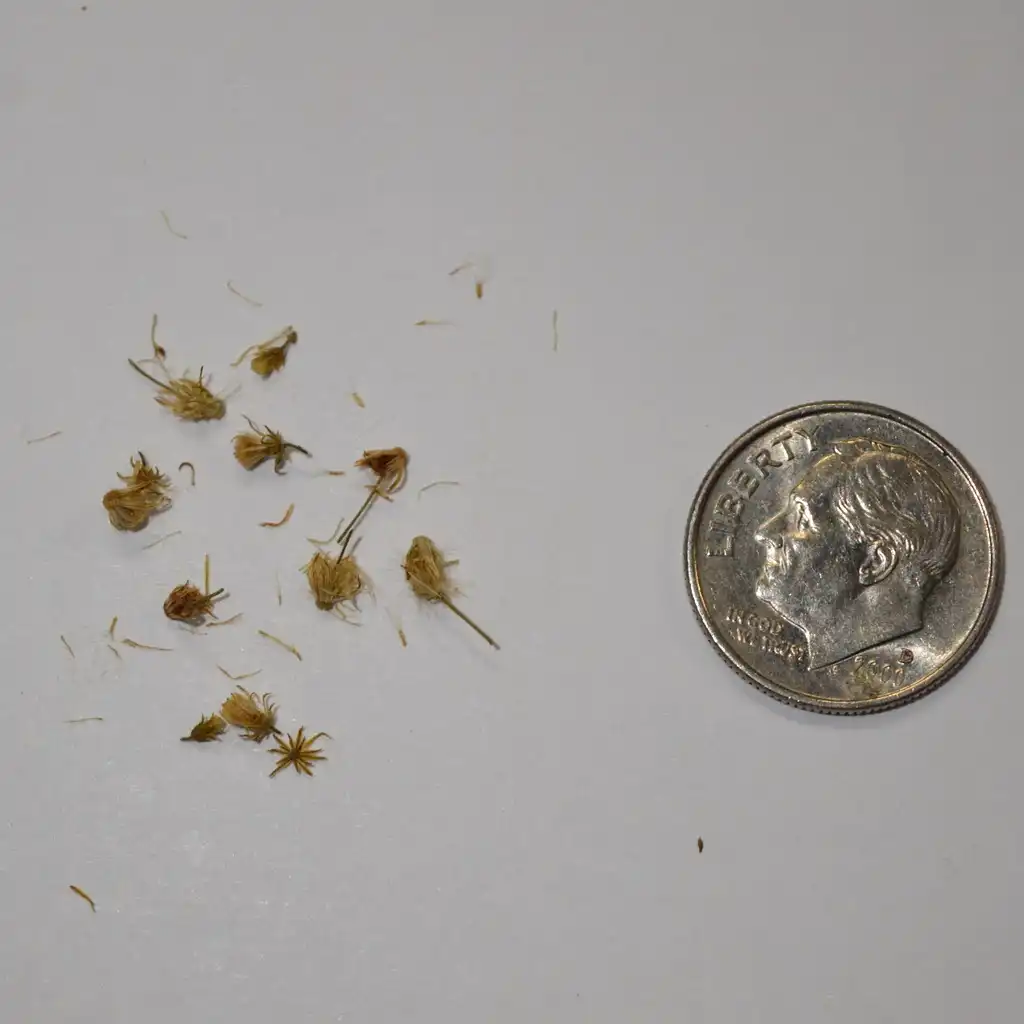
• Photo of Erigeron canadensis (Erigeron canadensiss)

Plant Profile: Erigeron canadensis

Taxonomy: Erigeron canadensis

Names

Butterweed, Canadian Horseweed, Colstail, Horseweed, Horse Weed, Marestail

  • Photo of Erigeron canadensis (Erigeron canadensiss)

Phonetic Spelling:er-IJ-er-on ka-na-DEN-sis

Genus:Erigeron

Species:canadensis

Family:Asteraceae

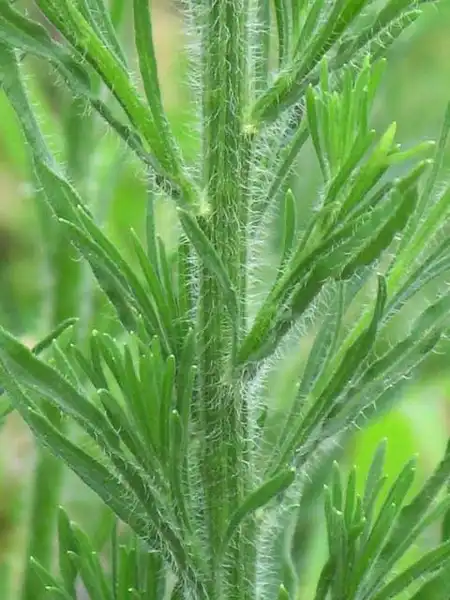
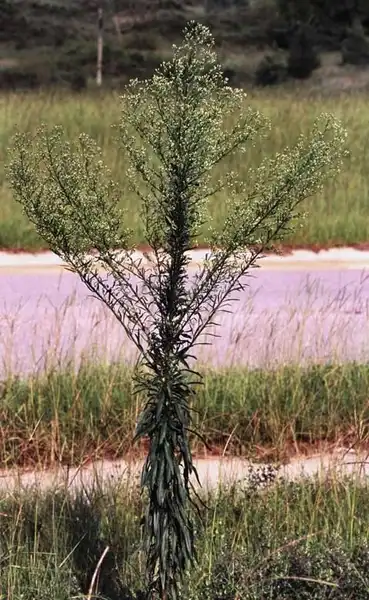
Horseweed, a winter annual belonging to the aster family (Asteraceae), typically germinates most vigorously in late autumn and early spring, although sporadic germination can happen at any time except during the summer months. This plant develops a rosette of hairy leaves and can grow upright to heights of 3 to 6 feet in the spring. Its root system consists of a taproot accompanied by some fibrous roots, which complicates removal efforts. The flowers are small, featuring white ray flowers and yellow disk flowers. It is crucial to prevent these plants from seeding in nurseries and to manage their presence around properties to avoid further spread. When hand weeding, ensure that the entire plant is removed, as they can regenerate from broken stems. Horseweed can also be effectively controlled using preemergence broadleaf herbicides.

Please note: Instances of glyphosate-resistant horseweed have been documented in regions where glyphosate-resistant crops are cultivated.

Erigeron canadensis Feature Summary

Erigeron canadensis Image Gallery

Tags

#annual
#white flowers
#weed
#weedy
#winter annual weed
#high maintenance
#daisy-like
#arable land
#wind dispersed seeds
#hairy leaves
#annual weed
#cool season weed

Similar Plants

Erigeron canadensis is often confused with:

Erigeron canadensis Feature Summary

Fruit
Yellow to gray elliptical achenes with fluffy white hairs that aid in wind dispersal.
Gray/Silver
Gold/Yellow
Flowers
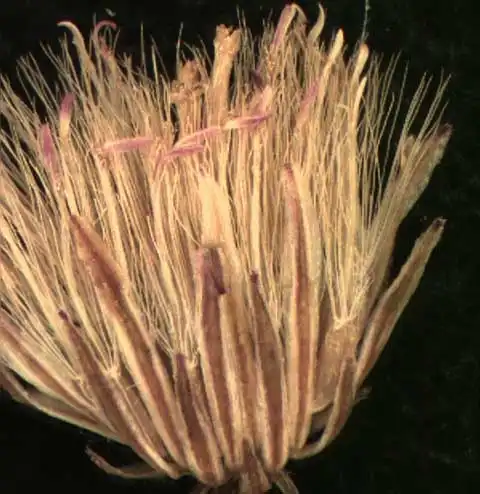
Self-fertile Pea sized white flowers in a terminal panicle 1 1/2' long and 1/2' wide. Additoinal flowers form in the axils of leaves. Individual flowers are 2-3 mm in size and are urn to cylindrical in shape. Flowers appear for a three week period any time between mid-summer through fall.
White
Cream/Tan
7 - 20 petals/rays
< 1 inch
Leaves
Leaves form as a basal rosette throughout fall and winter until late spring when plants bolt upright; leaves will become progressively smaller upwards on the stem but average 2"-3 1/2" long and 1/2" wide. They occasionally have teeth along the margin otherwise are entire.
Alternate
Rosulate
Elliptical
Lanceolate
Entire
Dentate
1-3 inches
< 1 inch
Stem
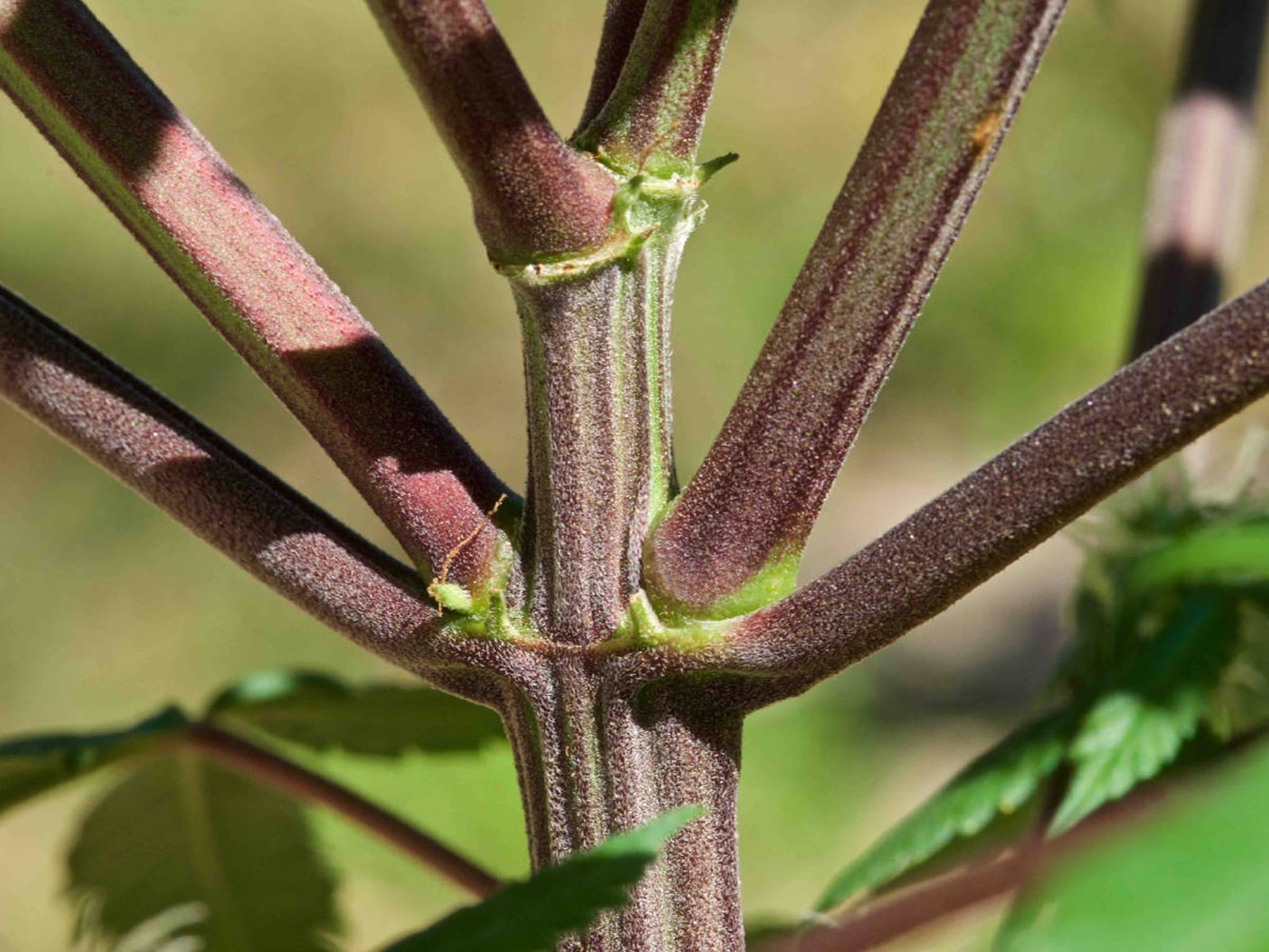
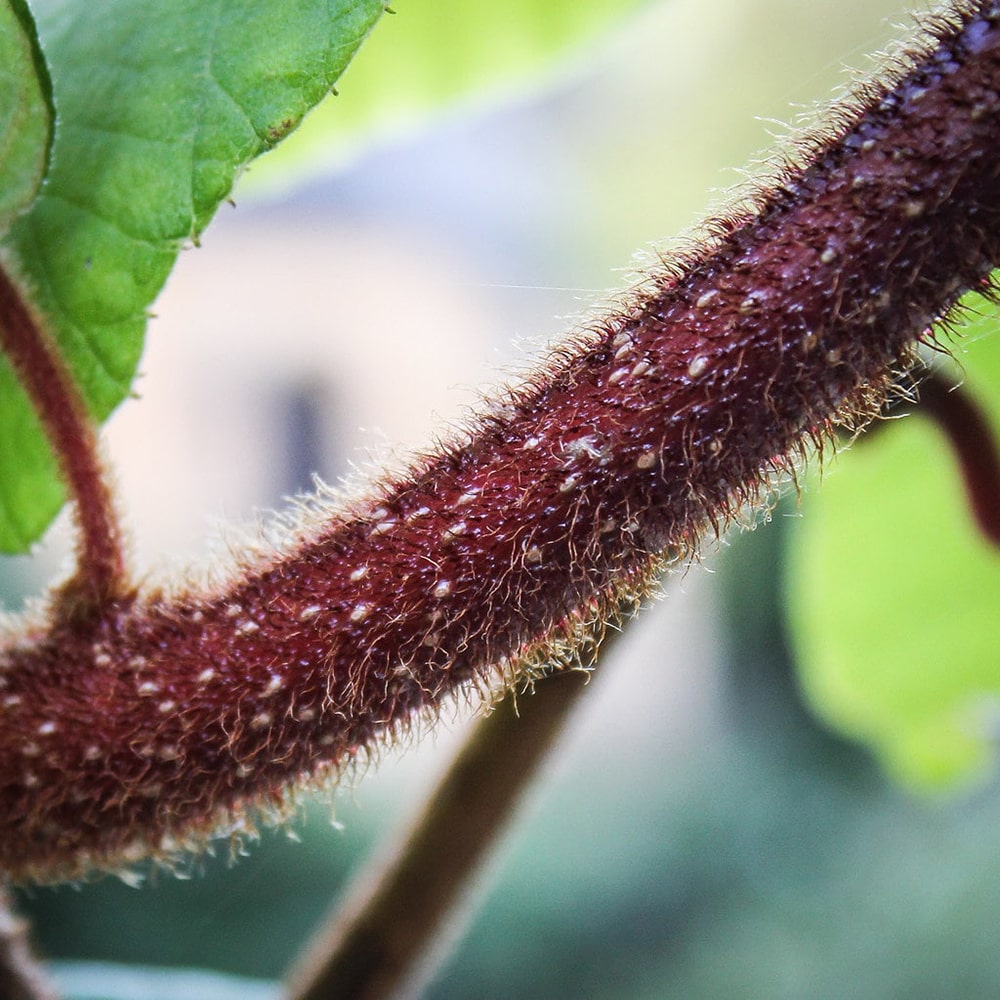
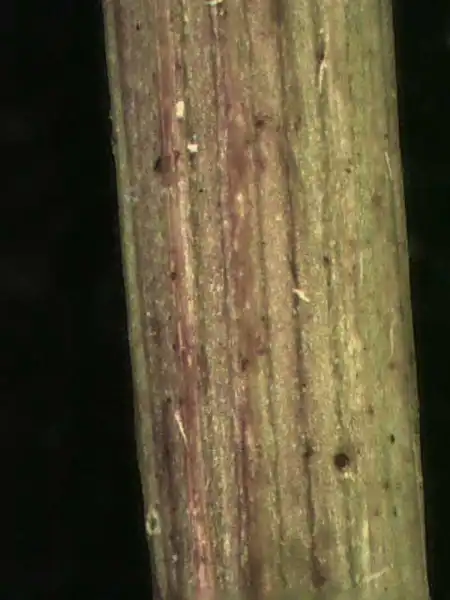
Unbranched except at the top where flowers appear, light green, angular with white hairs.
Brown/Copper
Green
Red/Burgundy
Hairy (pubescent)
Poisonous to Humans
Mucosal irritation to humans and livestock
Tannic acid, gallic acid, volatile oils
Whole Plant Traits
Cultural Conditions
Full sun (6 or more hours of direct sunlight a day)
Acid (<6.0)
Alkaline (>8.0)
Neutral (6.0-8.0)
Good Drainage
3 feet-6 feet
12 inches-3 feet
Less than 12 inches
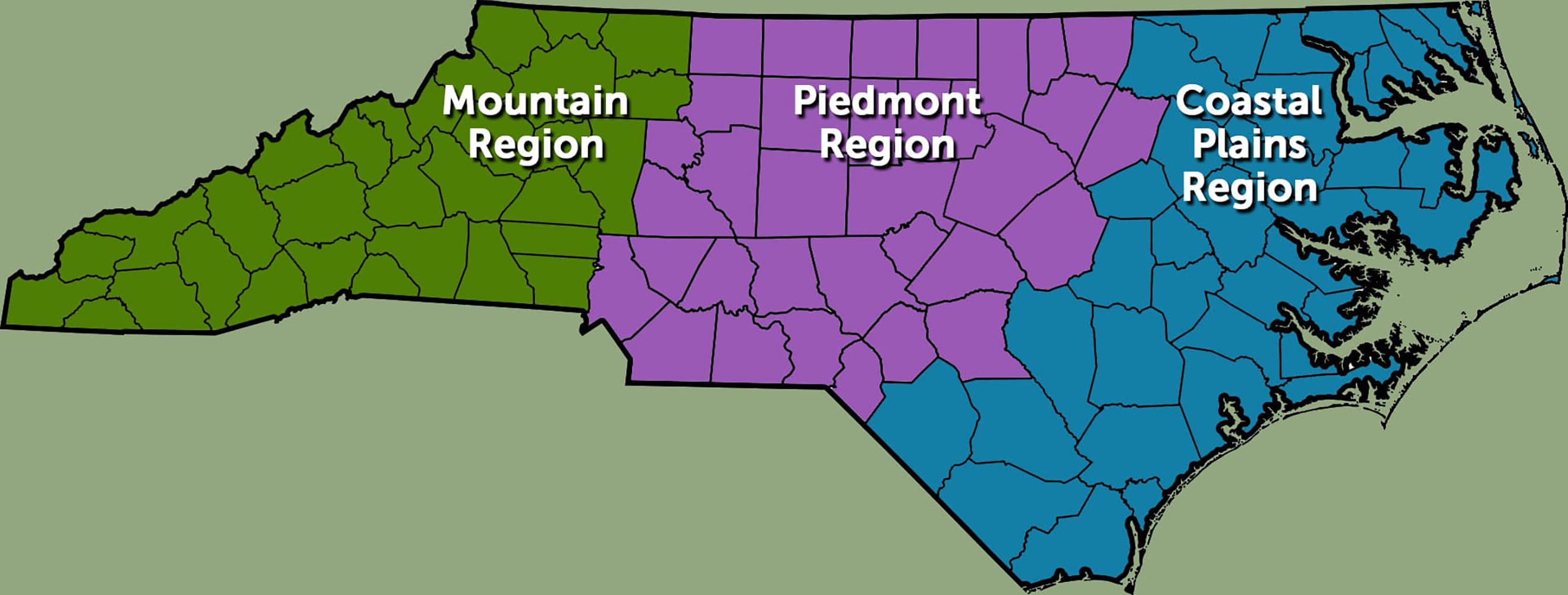
Coastal
Mountains
Piedmont

Erigeron canadensis Attributes

Erigeron canadensis: Country Or Region Of Origin

New World
Erigeron canadensis: Distribution

wind

Erigeron canadensis: Life Cycle

Annual
Biennial
Bulb
Perennial
Woody

Erigeron canadensis Fruit

Erigeron canadensis: Fruit Description

Yellow to gray elliptical achenes with fluffy white hairs that aid in wind dispersal.

Erigeron canadensis: Fruit Type

Achene
Aggregate
Berry
Capsule
Caryopsis
Drupe
Follicle
Legume
Nut
Pome
Samara
Schizocarp
Siliqua

Erigeron canadensis: Fruit Color

grass
Gold/Yellow
grass
Gray/Silver

Erigeron canadensis: Fruit Length

< 1 inch
1-3 inches
> 3 inches

Erigeron canadensis Flowers

Erigeron canadensis: Flower Description

Self-fertile Pea sized white flowers in a terminal panicle 1 1/2' long and 1/2' wide. Additoinal flowers form in the axils of leaves. Individual flowers are 2-3 mm in size and are urn to cylindrical in shape. Flowers appear for a three week period any time between mid-summer through fall.

Erigeron canadensis: Flower Color

filter_vintage
Cream/Tan
filter_vintage
White

Erigeron canadensis: Flower Inflorescence

Catkin
Corymb
Cyme
Head
Insignificant
Panicle
Raceme
Solitary
Spadix
Spike
Umbel

Erigeron canadensis: Flower Bloom Time

Winter
Spring
Summer
Fall

Erigeron canadensis: Flower Petals

2-3 rays/petals
4-5 petals/rays
6 petals/rays
7 - 20 petals/rays
asymmetrical petals
Bracts
Colored Sepals
fused petals
more than 20 petals/rays
Tepals

Erigeron canadensis: Flower Shape

Bell
Cross
Crown
Cup
Dome
Funnel
Irregular
Lipped
Radial
Saucer
Star
Trumpet
Tubular
Urn
Wheel

Erigeron canadensis: Flower Size

1-3 inches
3-6 inches
< 1 inch
> 6 inches

Erigeron canadensis Leaves

Erigeron canadensis: Leaf Description

Leaves form as a basal rosette throughout fall and winter until late spring when plants bolt upright; leaves will become progressively smaller upwards on the stem but average 2"-3 1/2" long and 1/2" wide. They occasionally have teeth along the margin otherwise are entire.

Erigeron canadensis: Woody Plant Leaf Characteristics

Broadleaf Evergreen
Deciduous
Needled Evergreen
Semi-evergreen

Erigeron canadensis: Leaf Color

spa
Green

Erigeron canadensis: Leaf Type

Compound (Pinnately , Bipinnately, Palmately)
Fronds
Needles
Sheath
Simple

Erigeron canadensis: Leaf Arrangement

Alternate
Opposite
Other/more complex
Rosulate
Whorled

Erigeron canadensis: Leaf Shape

Acicular
Auriculate
Cordate
Cuneate
Deltoid
Elliptical
Filiform
Lanceolate
Linear
Oblanceolate
Oblong
Obovate
Obtuse
Orbicular
Ovate
Palmasect
Palmatifid
Peltate
Pinnatifid
Pinnatisect
Reniform
Rhomboidal
Spatulate
Subcordate
Subulate

Erigeron canadensis: Leaf Margin

Crenate
Crenulate
Dentate
Denticulate
Doubly Crenate
Doubly Dentate
Doubly Serrate
Entire
Lobed
Serrate
Sinuate
Undulate

Erigeron canadensis: Hairs Present

No
Yes

Erigeron canadensis: Leaf Length

< 1 inch
1-3 inches
3-6 inches
> 6 inches

Erigeron canadensis: Leaf Feel

Fleshy
Glossy
Leathery
Papery
Prickly
Rough
Rubbery
Slippery
Smooth
Soft
Velvety
Waxy

Erigeron canadensis: Leaf Width

< 1 inch
1-3 inches
3-6 inches
> 6 inches

Erigeron canadensis Stem

Erigeron canadensis: Stem Description

Unbranched except at the top where flowers appear, light green, angular with white hairs.

Erigeron canadensis: Stem Color

grass
Brown/Copper
grass
Green
grass
Red/Burgundy

Erigeron canadensis: Stem Is Aromatic

No
Yes

Erigeron canadensis: Stem Surface

Corky Ridges
Covered with a powdery bloom (glaucous)
Dull
Hairy (pubescent)
Polished
Smooth (glabrous)

Erigeron canadensis Poisonous to Humans

Erigeron canadensis: Poison Symptoms

Mucosal irritation to humans and livestock

Erigeron canadensis: Poison Toxic Principle

Tannic acid, gallic acid, volatile oils

Erigeron canadensis: Poison Severity

High
Low
Medium

Erigeron canadensis: Causes Contact Dermatitis

No
Yes

Erigeron canadensis: Poison Part

Bark
Flowers
Fruits
Leaves
Roots
Sap/Juice
Seeds
Stems

Erigeron canadensis Whole Plant Traits

Erigeron canadensis: Plant Type

Annual
Bulb
Carnivorous
Edible
Epiphyte
Fern
Ground Cover
Herb
Herbaceous Perennial
Houseplant
Mushroom
Native Plant
Ornamental Grasses and Sedges
Perennial
Poisonous
Rose
Shrub
Succulent
Tree
Turfgrass
Vegetable
Vine
Water Plant
Weed
Wildflower

Erigeron canadensis: Woody Plant Leaf Characteristics

Broadleaf Evergreen
Deciduous
Needled Evergreen
Semi-evergreen

Erigeron canadensis: Growth Rate

Slow
Medium
Rapid

Erigeron canadensis: Maintenance

Low
Medium
High

Erigeron canadensis: Texture

Fine
Medium
Coarse

Erigeron canadensis Cultural Conditions

Erigeron canadensis: Light

Dappled Sunlight (Shade through upper canopy all day)
Deep shade (Less than 2 hours to no direct sunlight)
Full sun (6 or more hours of direct sunlight a day)
Partial Shade (Direct sunlight only part of the day, 2-6 hours)

Erigeron canadensis: Soil pH

Acid (<6.0)
Alkaline (>8.0)
Neutral (6.0-8.0)

Erigeron canadensis: Soil Drainage

Frequent Standing Water
Good Drainage
Moist
Occasional Flooding
Occasionally Dry
Occasionally Wet
Very Dry

Erigeron canadensis: Available Space To Plant

12 inches-3 feet
12-24 feet
24-60 feet
3 feet-6 feet
6-feet-12 feet
Less than 12 inches
more than 60 feet

Erigeron canadensis: NC Region

Coastal
Mountains
Piedmont

Erigeron canadensis Landscape

Erigeron canadensis: Landscape Location

Coastal
Container
Hanging Baskets
Houseplants
Lawn
Meadow
Naturalized Area
Near Septic
Patio
Pond
Pool/Hardscape
Recreational Play Area
Riparian
Rock Wall
Slope/Bank
Small Space
Vertical Spaces
Walkways
Woodland

Erigeron canadensis: Problems

Allelopathic
Contact Dermatitis
Frequent Disease Problems
Frequent Insect Problems
Invasive Species
Malodorous
Messy
Poisonous to Humans
Problem for Cats
Problem for Children
Problem for Dogs
Problem for Horses
Short-lived
Spines/Thorns
Weak Wood
Weedy