Eucalyptus cinerea: Country Or Region Of Origin
Australia
Phonetic Spelling:yoo-kuh-LIP-tus sin-EER-ee-uh
Genus:Eucalyptus
Species:cinerea
Family:Myrtaceae
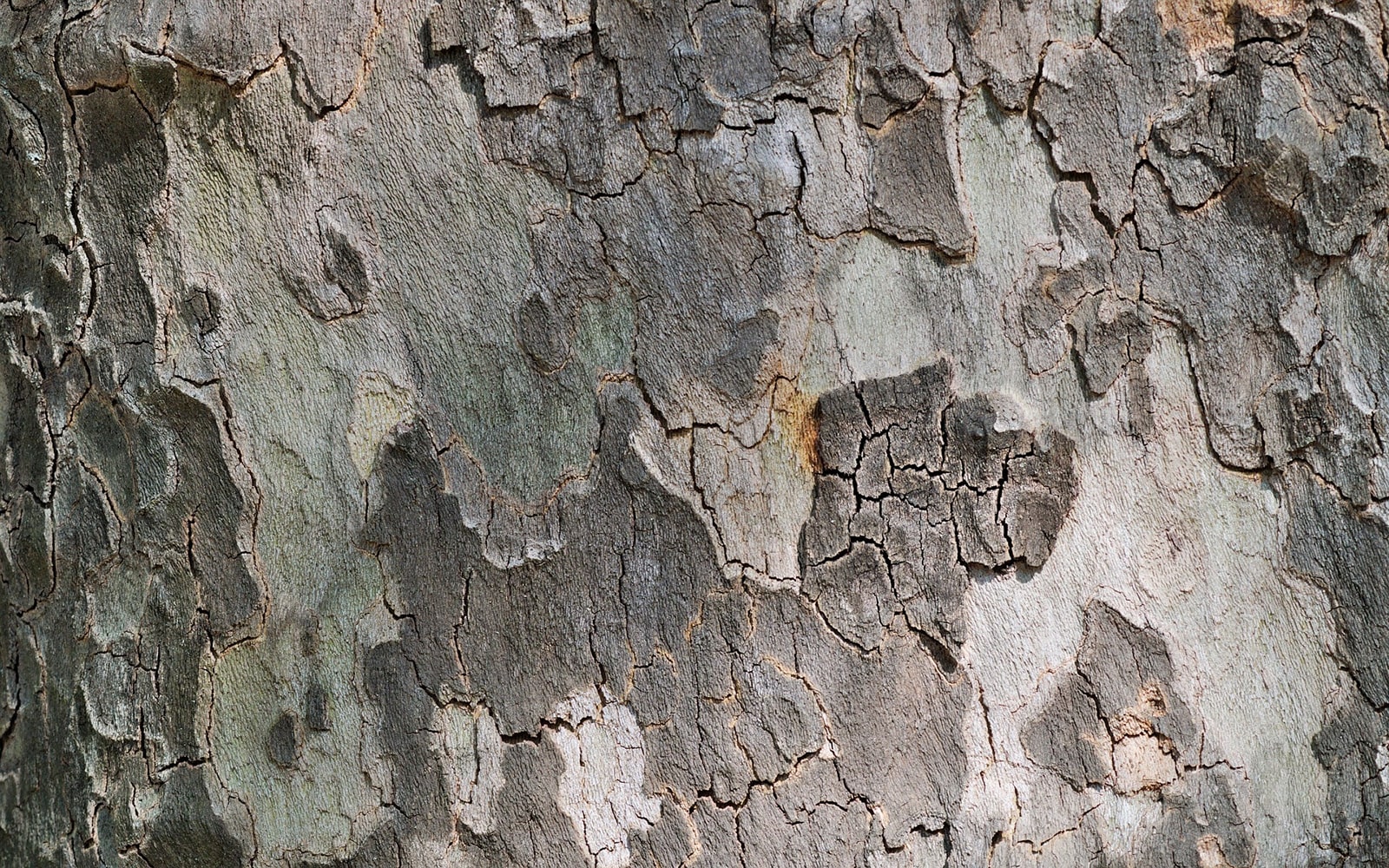
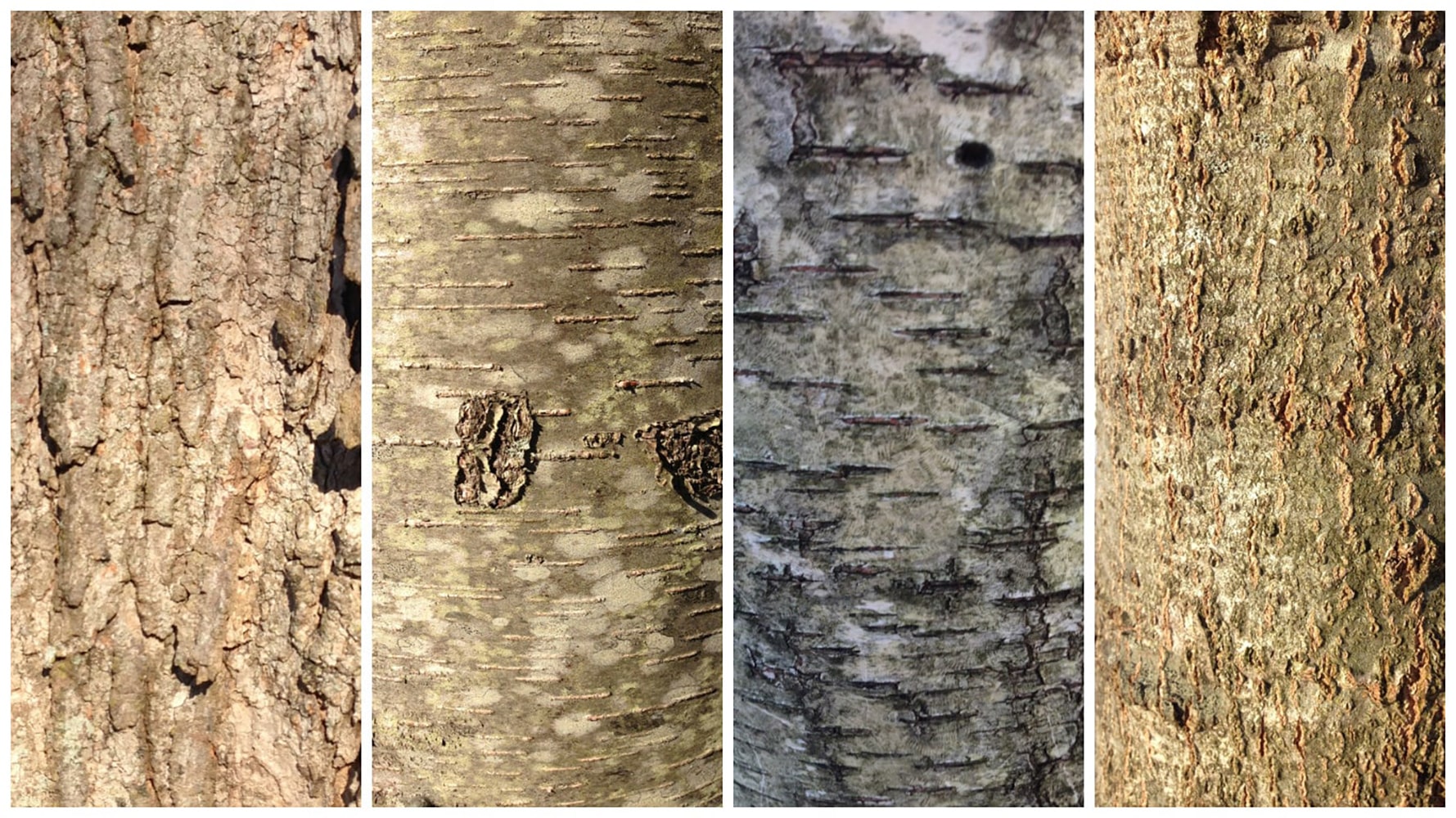
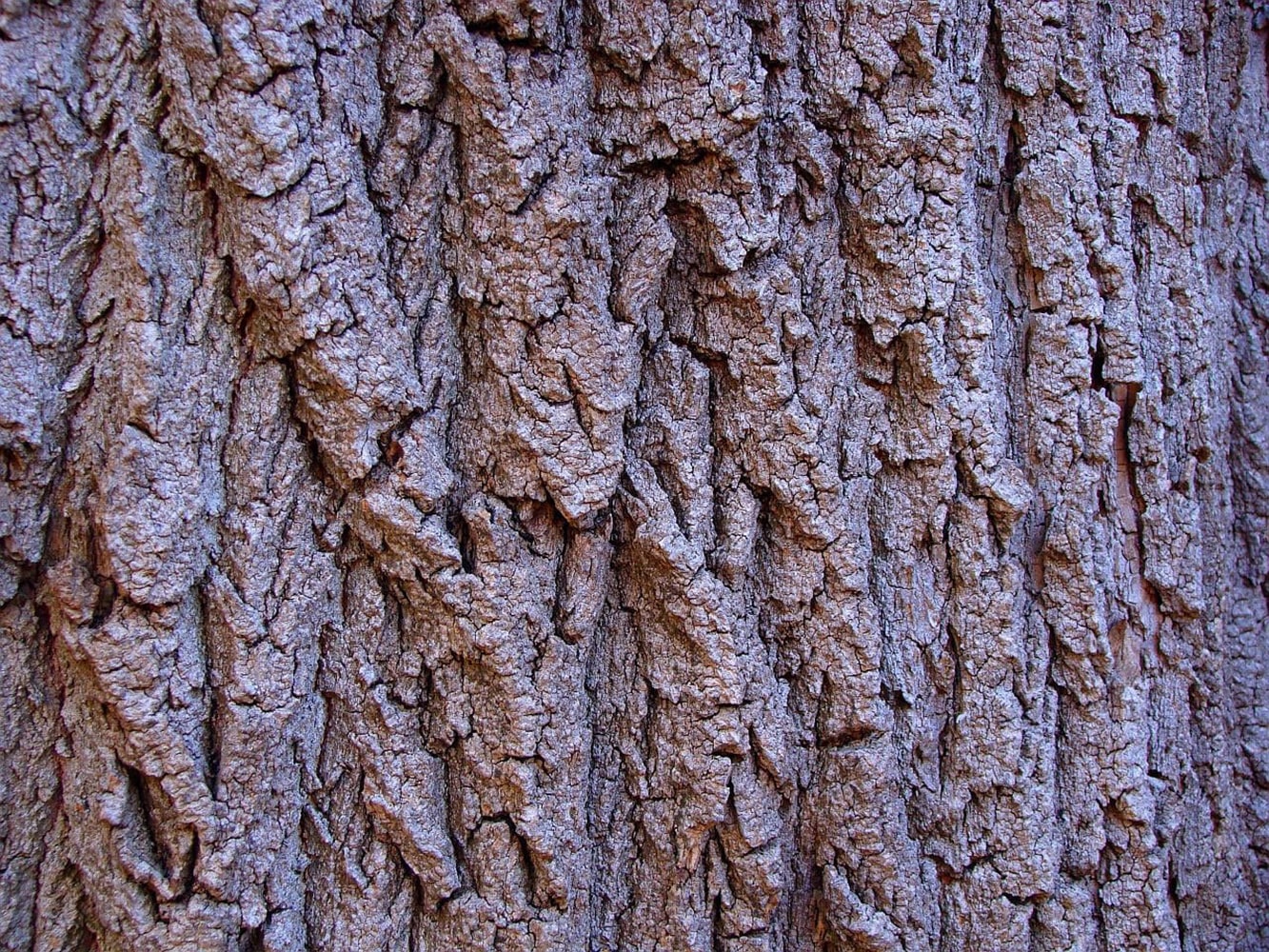
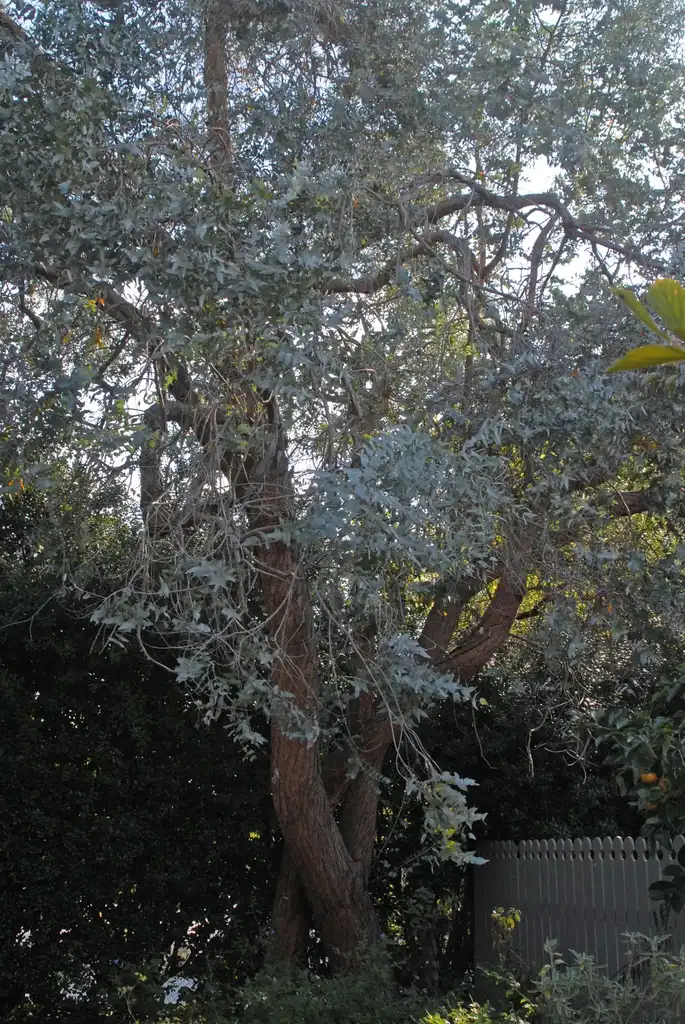
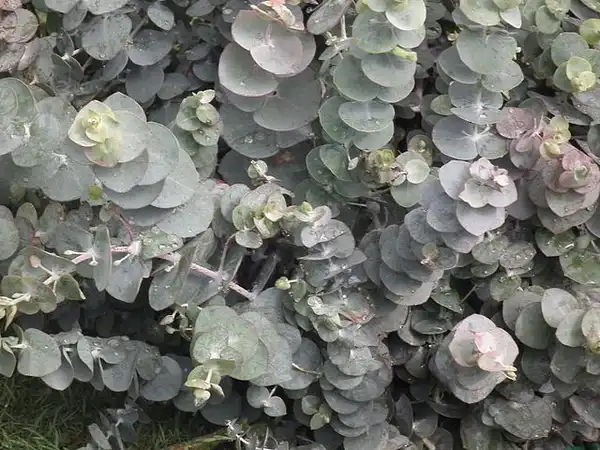
The Silver Dollar Tree is a small evergreen tree or shrub that originates from Australia. It has a rapid growth rate, often reaching heights of 6 to 8 feet within a single season. The tree features round, aromatic leaves that are a striking silver hue, which is how it earned its common name. Its bark starts as reddish-brown and peels on the smaller branches, transitioning to a gray, stringy texture on the trunk as it matures.
In its natural habitat, this tree can grow up to 60 feet tall. While it is not consistently cold-hardy, it often regrows during the growing season even after experiencing a hard freeze. In colder regions, it is typically cultivated in containers, either as shrubs or annuals. These containerized plants can be displayed on patios or planted in the ground, but they need to be brought indoors before the first frost in the fall to survive the winter.
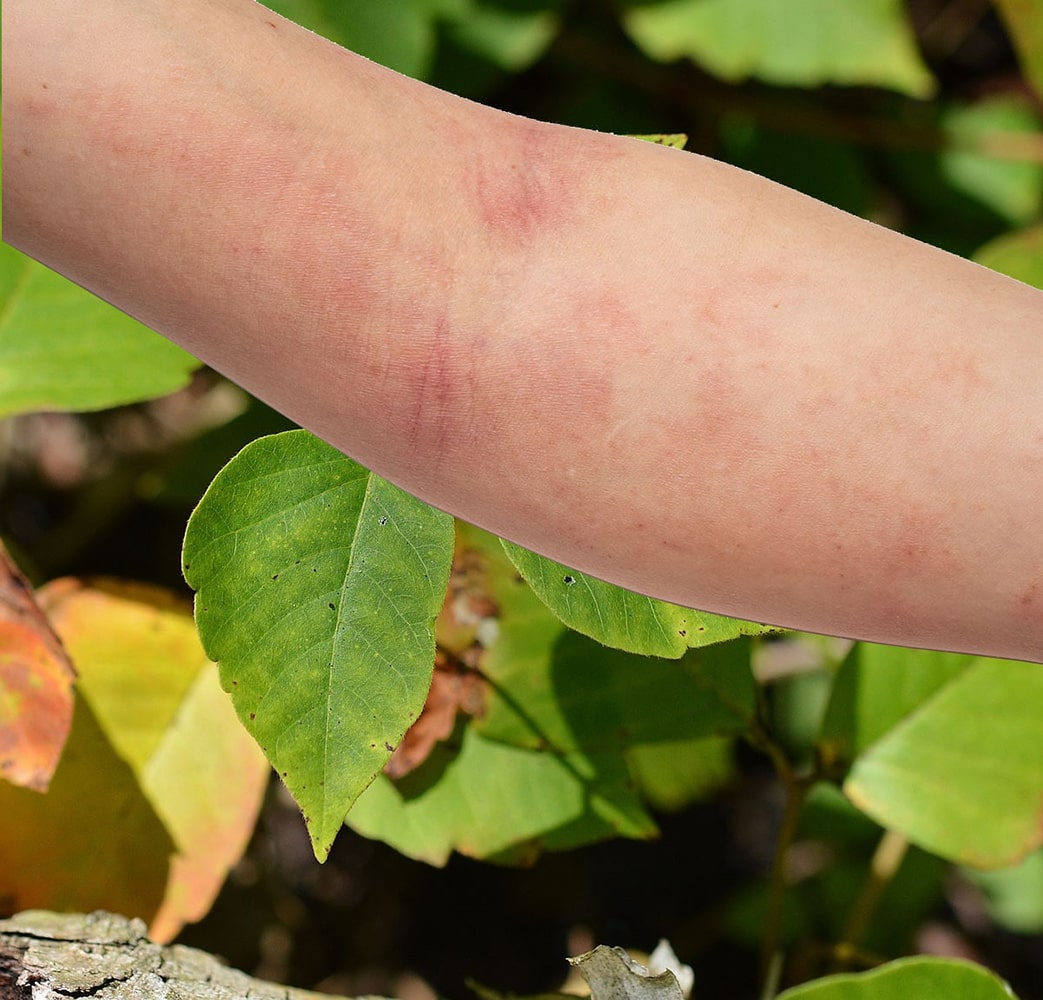
The Silver Dollar Tree is moderately tolerant of salt and is primarily valued for its attractive foliage, which is often used in floral arrangements, though it rarely produces flowers. However, caution is advised when handling the bark or leaves, as they can cause minor skin irritation. Additionally, the plant's oil is highly toxic, particularly if consumed in large amounts.
In terms of pests, the Silver Dollar Tree does not face significant issues with insects or diseases.
For quick identification, it’s important to note that the Eucalyptus genus exhibits two types of leaf forms: adult and juvenile. In USDA zone 7b, the plants typically do not reach the adult stage, so the leaves observed are the round, sessile, opposite juvenile leaves. When bruised, the bark and leaves emit a distinctive eucalyptus scent, and dried branches are sometimes incorporated into floral arrangements. In Australia and New Zealand, species of eucalyptus are commonly referred to as "gums."
This tree is drought-tolerant once established but does not fare well in mild winters or during early or late frosts. It thrives in full sun and well-drained soil.
For further details on Eucalyptus, additional resources are available.
Eucalyptus cinerea Feature Summary
Eucalyptus cinerea Image Gallery