Euonymus: Uses (Ethnobotany)
Wood was once used for making spindles for wool; hence the common name.
Phonetic Spelling:yoo-ON-ih-mus
Genus:Euonymus
Species:
Family:Celastraceae
Euonymus, commonly known as Spindletree, is a genus comprising approximately 140 species of flowering shrubs, which can be either deciduous or evergreen. This genus is primarily found in East Asia but has also established a presence across Canada and the continental United States. In its natural habitat, Euonymus typically thrives in mixed deciduous forests and low woodlands. The name "Euonymus" is derived from the Greek words "eu," meaning good, and "onyma," meaning name, which is somewhat ironic given that this genus was once notorious for its toxicity to cattle.
These shrubs are adaptable and can flourish in a range of soil types, including clay, and they exhibit a degree of tolerance to both drought and wet conditions. Their fruits and seeds are a food source for birds and small mammals, making them a valuable addition to naturalized woodland areas.
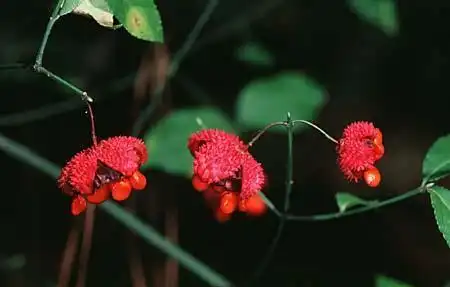
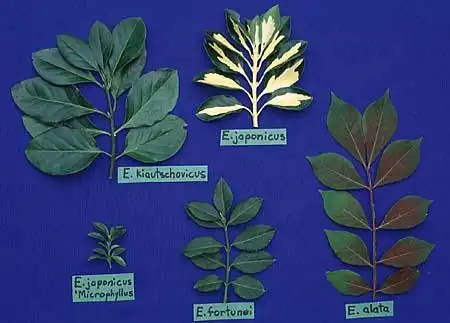
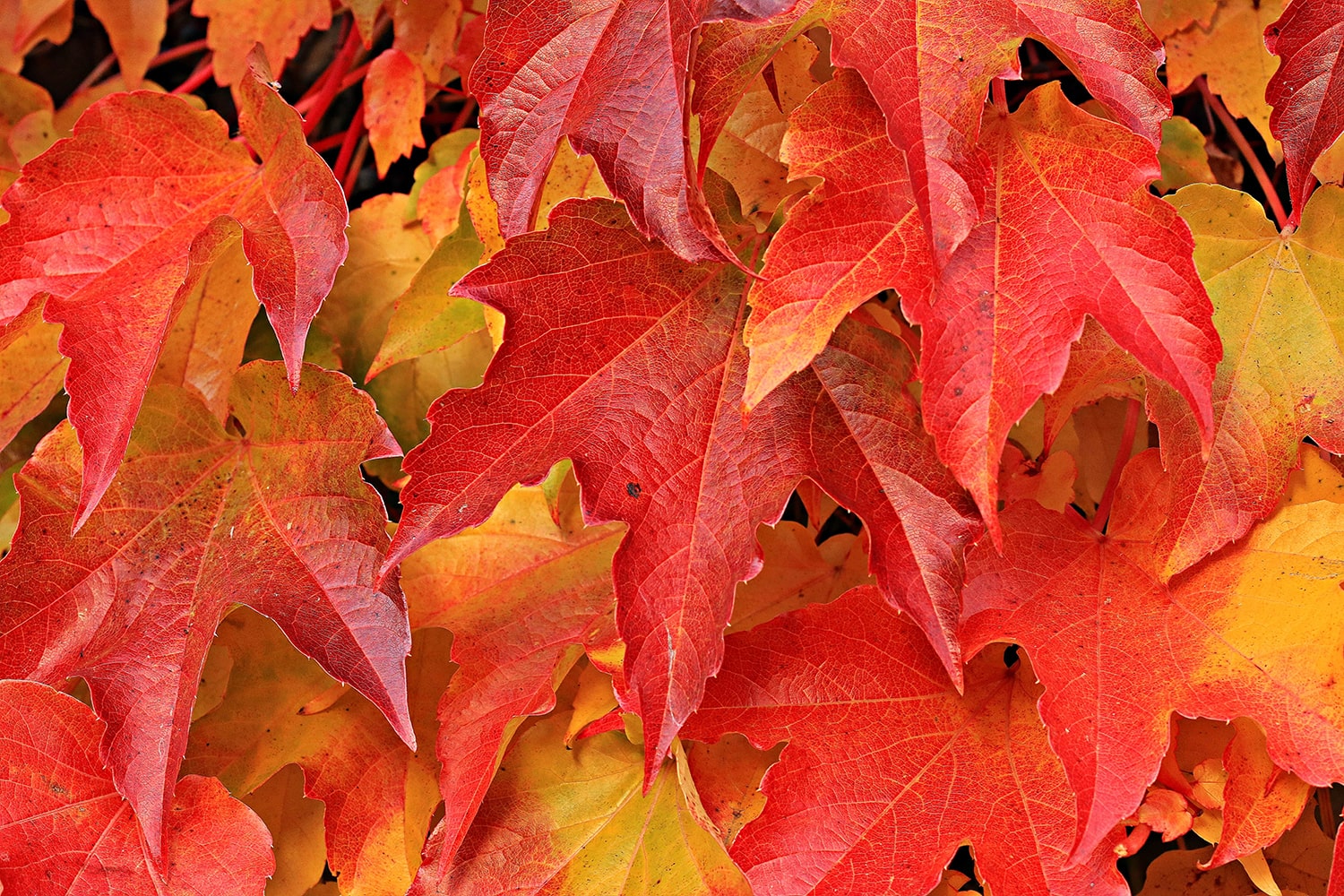
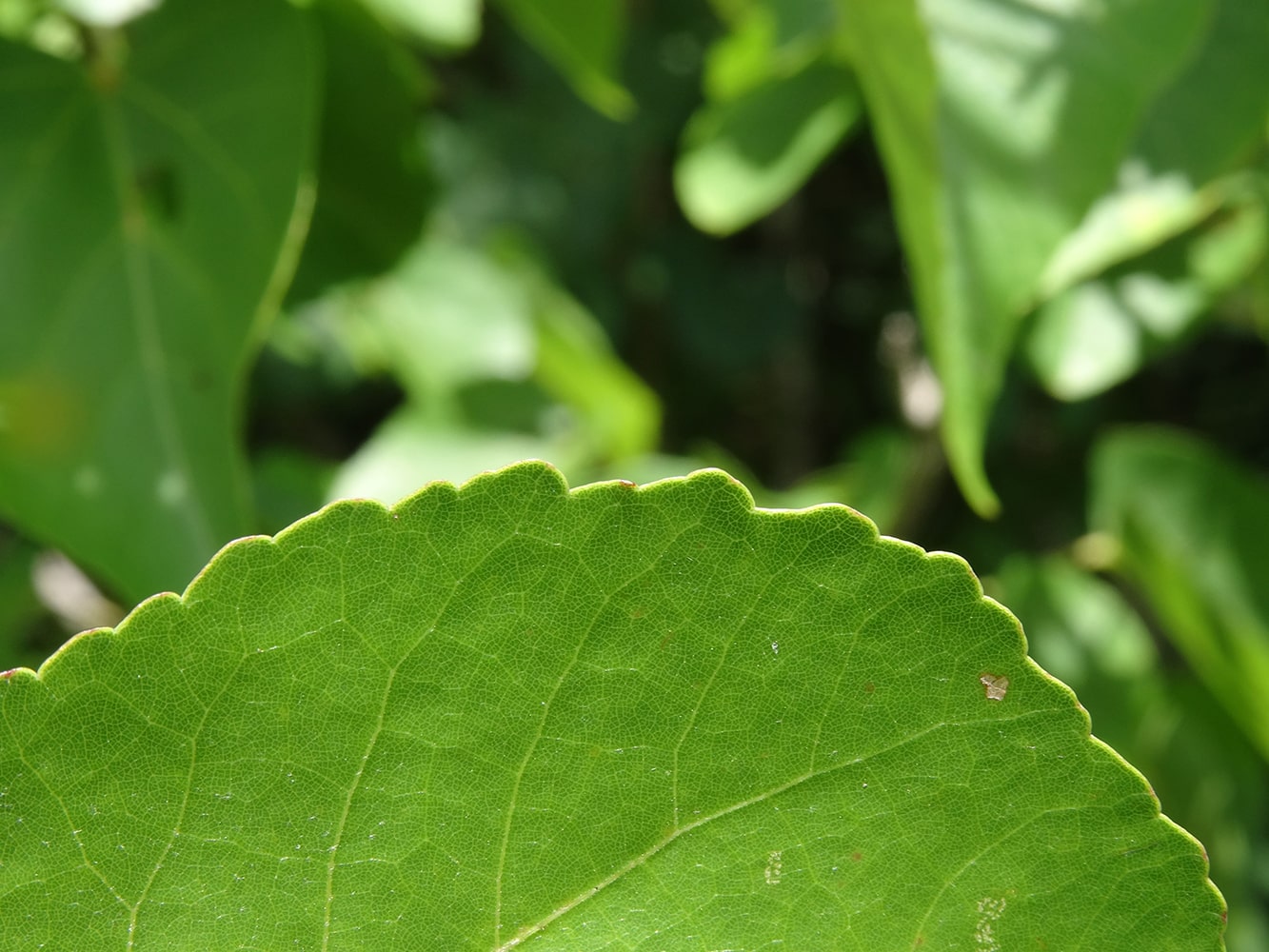
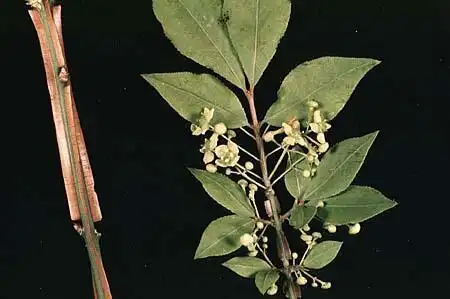
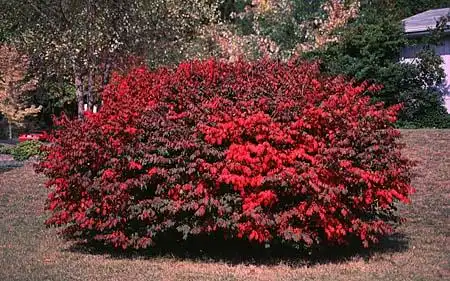
The leaves of the plant are simple and arranged oppositely, with some species showcasing vibrant red hues in the fall and early winter, which enhances their appeal as ornamental plants. The flowers are small, typically consisting of four parts, and are often a greenish maroon. In the fall, these flowers give way to capsules that can be reddish, pink, ivory, or yellow, splitting open to reveal bright orange-red seeds. While the genus can propagate through adventitious roots, it has the potential to become invasive. Notably, certain species, particularly E. alatus, are restricted in some regions of the United States due to their aggressive growth habits.
In terms of pests and diseases, Euonymus can become weedy in disturbed areas, particularly around residential properties, and some species are recognized as invasive in various parts of the U.S.