Euonymus fortunei var. radicans: Country Or Region Of Origin
Assam to Temp. E. Asia and W. & Central Malesia
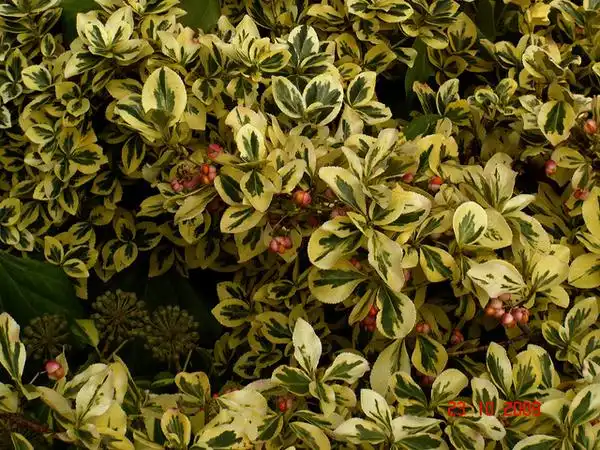
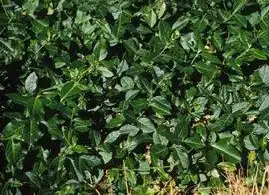
Phonetic Spelling:yoo-ON-ih-mus for-TOO-nee-eye
Genus:Euonymus
Species:fortunei
Family:Celastraceae
Wintercreeper euonymus is a robust, woody-stemmed, broadleaf evergreen to semi-evergreen plant that exhibits various growth forms. It can function as a trailing ground cover, a mounding shrub, or a climbing vine. This plant has the ability to root wherever its stems make contact with the soil, which can lead to it becoming invasive and outcompeting native flora. If you decide to grow this species, it is essential to prevent its spread into natural areas. There are also variegated varieties available, and it is known to tolerate proximity to black walnut trees.
**Insects, Diseases, and Other Plant Issues:**
Wintercreeper requires protection from harsh winter sun and winds, as cold gusts can damage its foliage. It is vulnerable to euonymus scale and may also face challenges from anthracnose, crown gall, leaf spot, mildew, and aphids. This plant can aggressively spread into lawns or neighboring garden spaces and may climb nearby structures. Additionally, it is often at risk of being damaged by deer.
**LEGACY**
- **Height:** 5-15 ft.
- **Foliage:** Shiny, leathery, dark green leaves measuring 1.5-2 inches, with a distinctly serrated edge.
- **Flower:** Insignificant greenish maroon flowers with four parts; the fruit is a capsule that ranges from reddish-pink to ivory or yellow, splitting open to reveal orange-red seeds.
- **Zones:** 5-9
- **Habit:** Evergreen
- **Site:** Thrives in full sun to partial shade and can adapt to various soil types, provided there is sufficient moisture.
- **Texture:** Fine to medium
- **Form:** Low-growing, wide-spreading mound
- **Exposure:** Sun to partial shade
- **Family:** Celastraceae
- **Toxic Parts:** All parts of the plant
- **Toxic Delivery Method:** Ingestion
- **Symptoms of Toxicity:** Vomiting, diarrhea, weakness, chills, coma, and convulsions
- **Toxic Principle:** Unidentified, possibly a glycoside
- **Severity:** Toxic only if consumed in large quantities.
- **Habitat:** Commonly found in forests or natural areas within mixed deciduous forests and low woodlands; can be weedy in disturbed regions around homes and buildings.
- **Growth Rate:** Slow to moderate
- **Climbing Method:** Aerial roots
- **Tags:** Evergreen
For further details on Euonymus fortunei, additional resources are available.
Euonymus fortunei var. radicans Feature Summary
Euonymus fortunei var. radicans Image Gallery