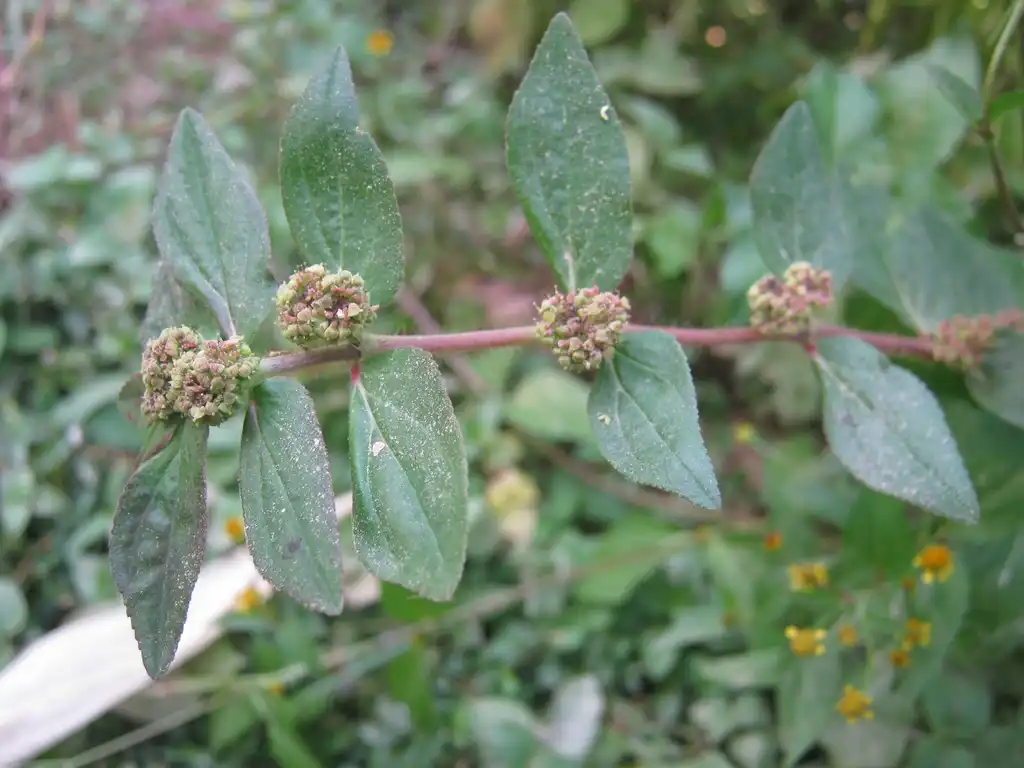
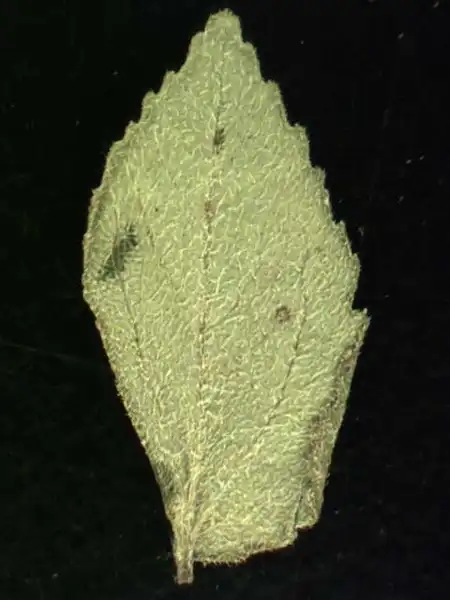
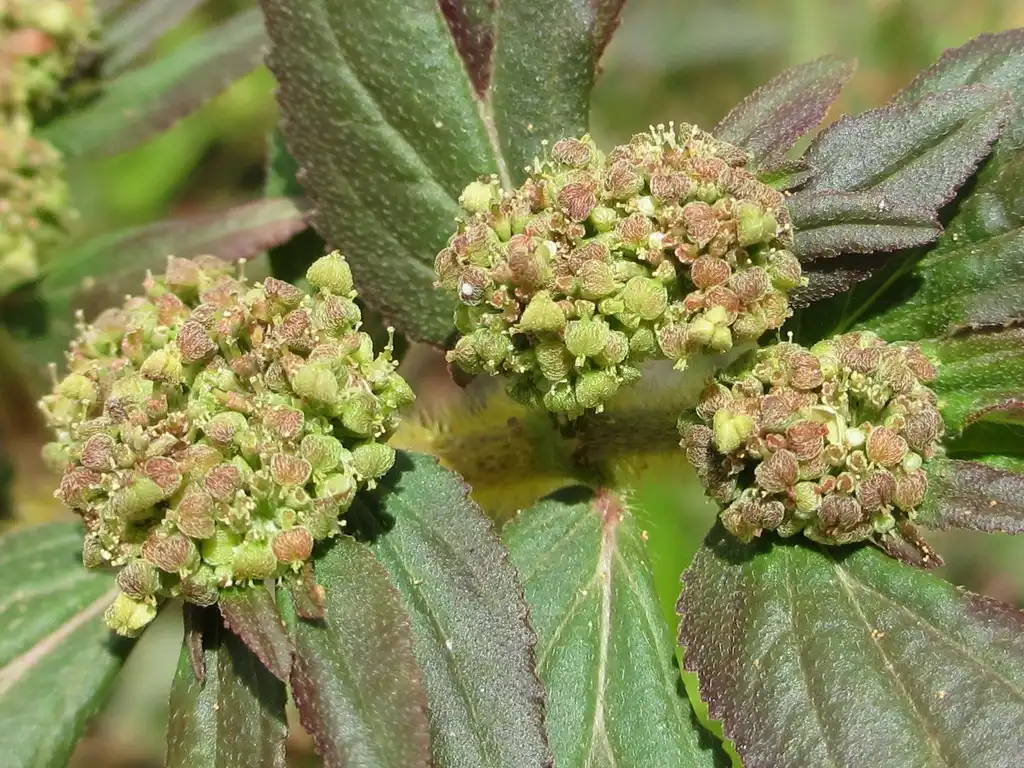
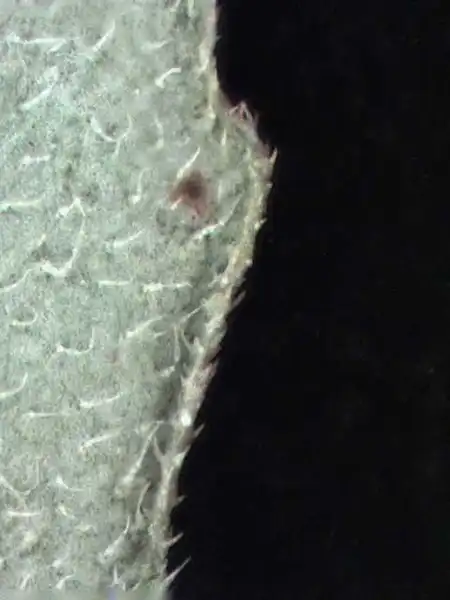
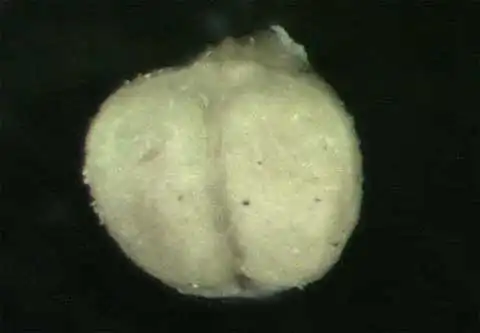
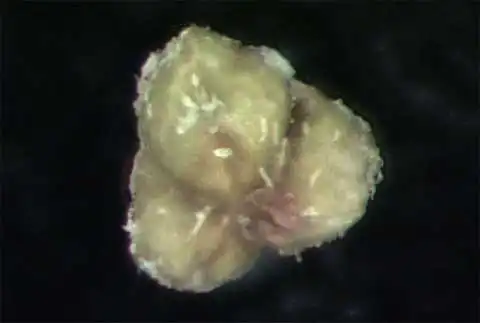
• Photo of Euphorbia hirta (Euphorbia hirtas)

Plant Profile: Euphorbia hirta

Taxonomy: Euphorbia hirta

Names

Asthma Plant, Dove Milk, Garden Spurge, Hairy Spurge, Pillpod Sandmat, Pillpod Spurge, Red Euphorbia, Snakeweed, Sneezeweed, Sneeze Weed, Spurge

  • Photo of Euphorbia hirta (Euphorbia hirtas)

Phonetic Spelling:yoo-FOR-bee-uh HER-tuh

Genus:Euphorbia

Species:hirta

Family:Euphorbiaceae

Spurges are annual weeds that thrive in warm conditions, and in milder climates, they can continue to grow into late autumn. These plants produce greenish-white flowers from summer to early fall, ultimately dying off after the first frost. They are among the most prevalent warm-season weeds found in container nurseries. Commonly referred to as Dove Milk, Euphorbia hirta releases a milky sap when its stems or leaves are damaged.

Due to their ability to flower at a young age, minimal seed dormancy, and rapid germination, spurges can quickly proliferate. To mitigate seed production, it is advisable to remove these plants while they are still young, preventing the emergence of excessive seedlings. Some species can explosively release their seeds, resulting in a larger population. If hand-pulling is impractical, a preemergent herbicide can be applied following the manufacturer's instructions.

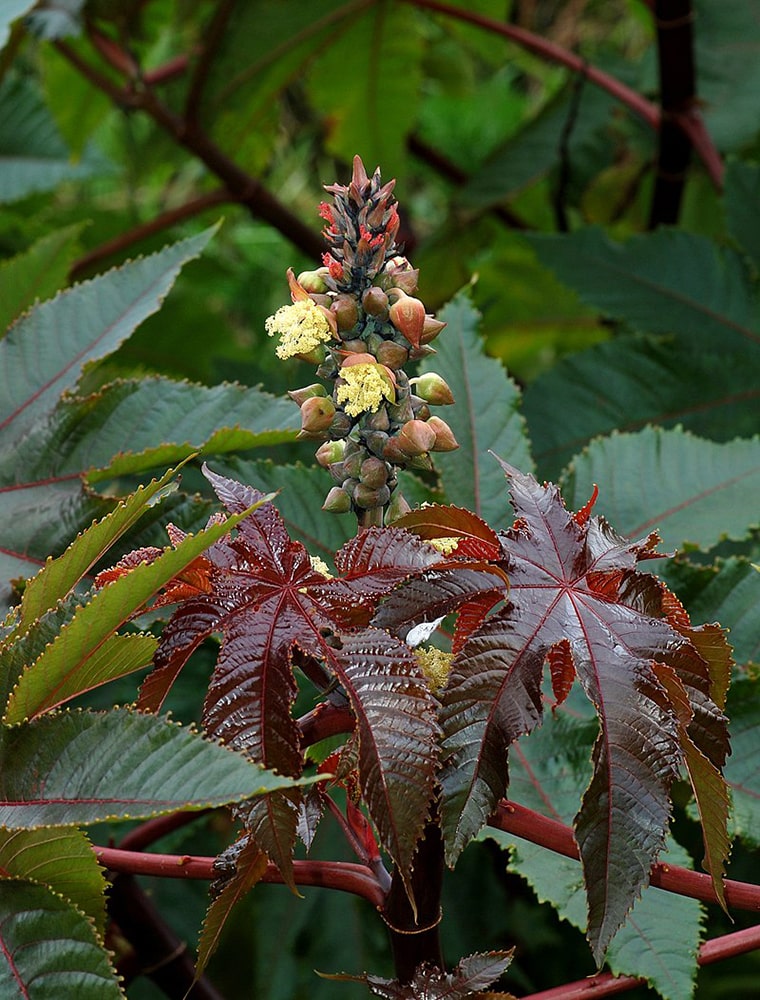
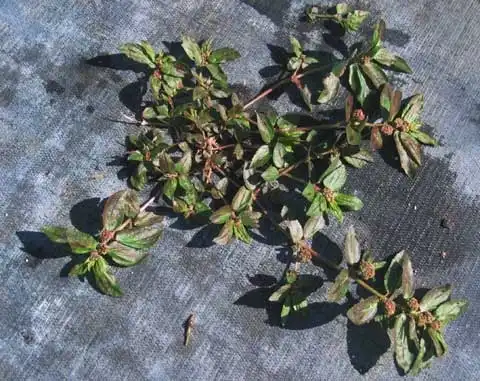
The Garden Spurge species is characterized by its prostrate to ascending growth habit, featuring distinctly uneven leaves and a prominent seedhead. There are two variations: one with small, light green leaves and another with larger, often maroon-hued leaves.

Euphorbia hirta Feature Summary

Euphorbia hirta Image Gallery

Tags

#full sun tolerant
#annual
#maroon
#white flowers
#weed
#green flowers
#bright green
#weedy
#seedheads
#fall interest
#summer annual weed
#fast growing
#NC native
#summer flowers
#sap
#late fall
#warm weather
#maroon leaves
#weed control
#milky sap
#groundcover
#warm season weed
#native weed

Similar Plants

Euphorbia hirta is often confused with:

Euphorbia hirta Feature Summary

Attributes
Traditional medicinal herb in some tropical countries.
Tropical and Subtropical America
Anywhere temperatures are warm enough for seed germination, found widespread at low altitudes throughout the tropics and subtropics.
Fruit
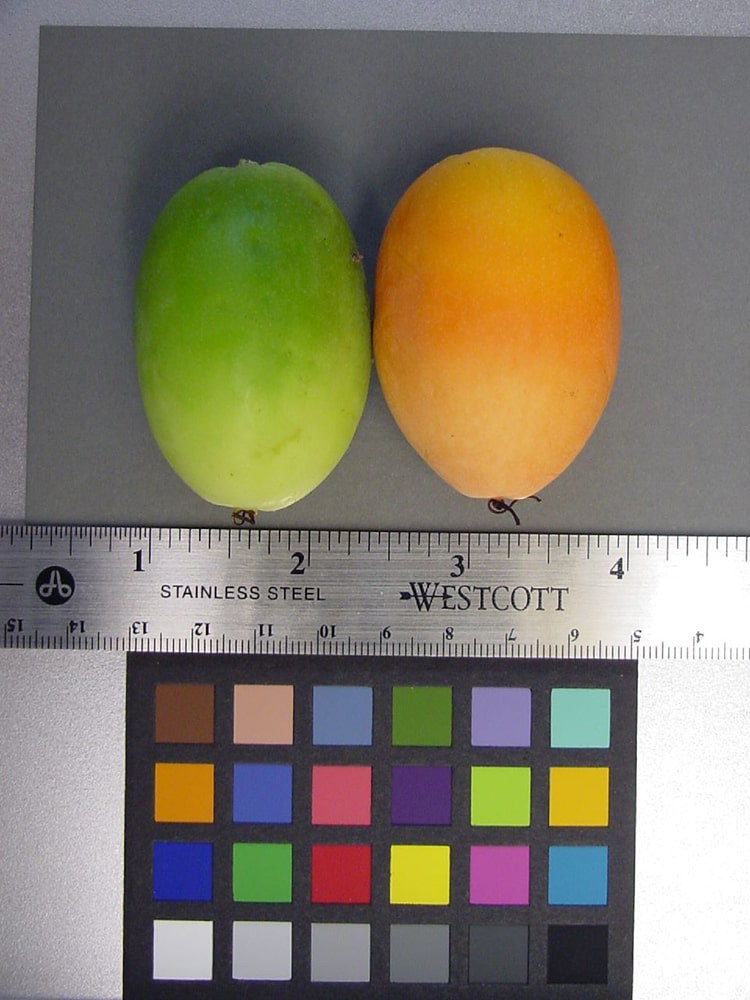
Fruit is in the form of a hairy yellow capsule. Fruit from a single plant can produce up to 3000 tiny, oblong, four-sided seeds
Gold/Yellow
< 1 inch
Flowers
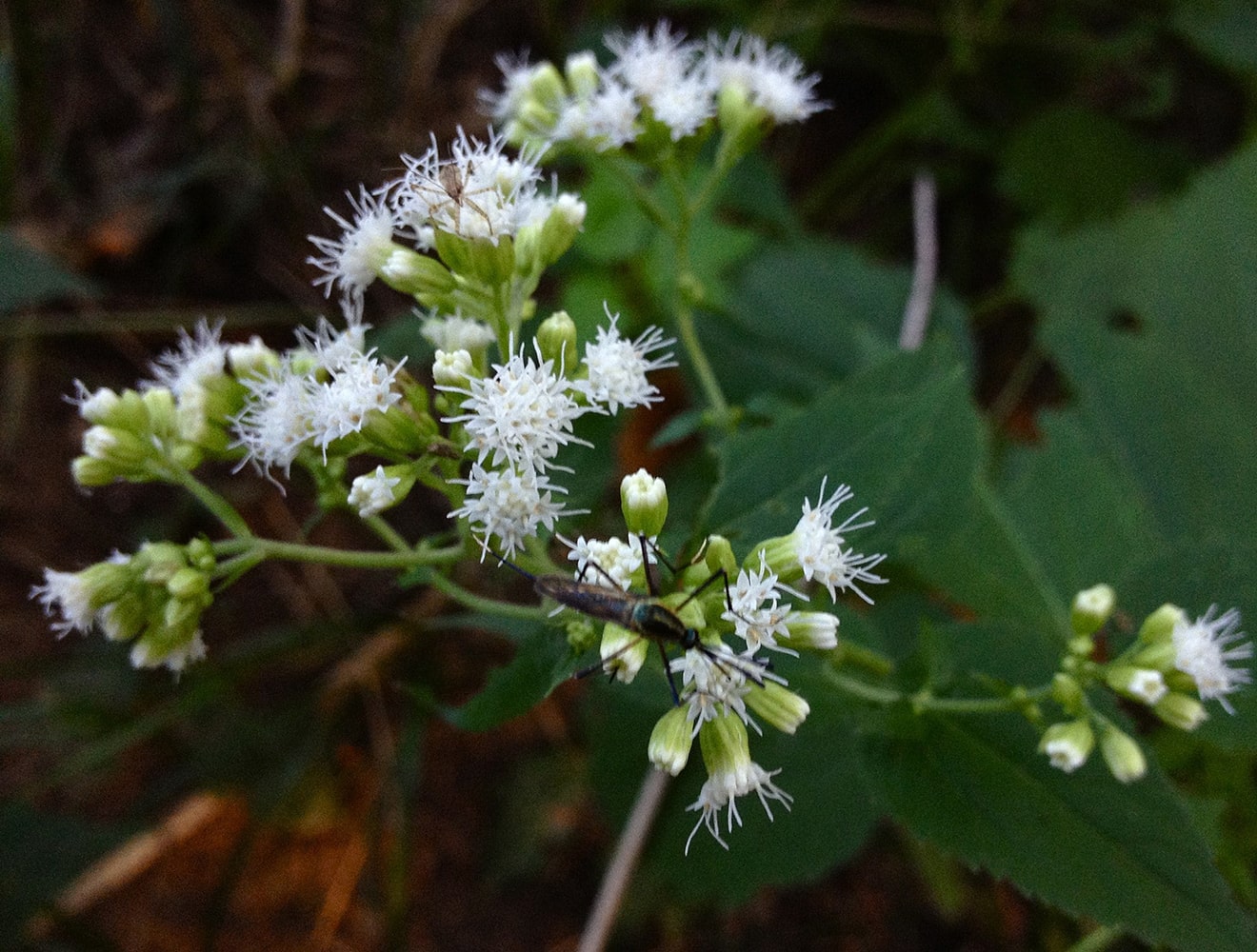
Tiny flowers are in a ball shape. They are generally green and white but can also have a bit of red. Globular clusters of tiny, monoecious (unisexual), green/whiteto reddish flowers that lack petals. Reduced, bract-like leaves under the inforescences
White
Red/Burgundy
Green
Head
Insignificant
Irregular
< 1 inch
Leaves
Leaves are green with uneven stems. Leaves are opposite with small teeth.
Green
Red/Burgundy
Oblong
Lanceolate
Rhomboidal
Serrate
Doubly Serrate
< 1 inch
< 1 inch
Stem
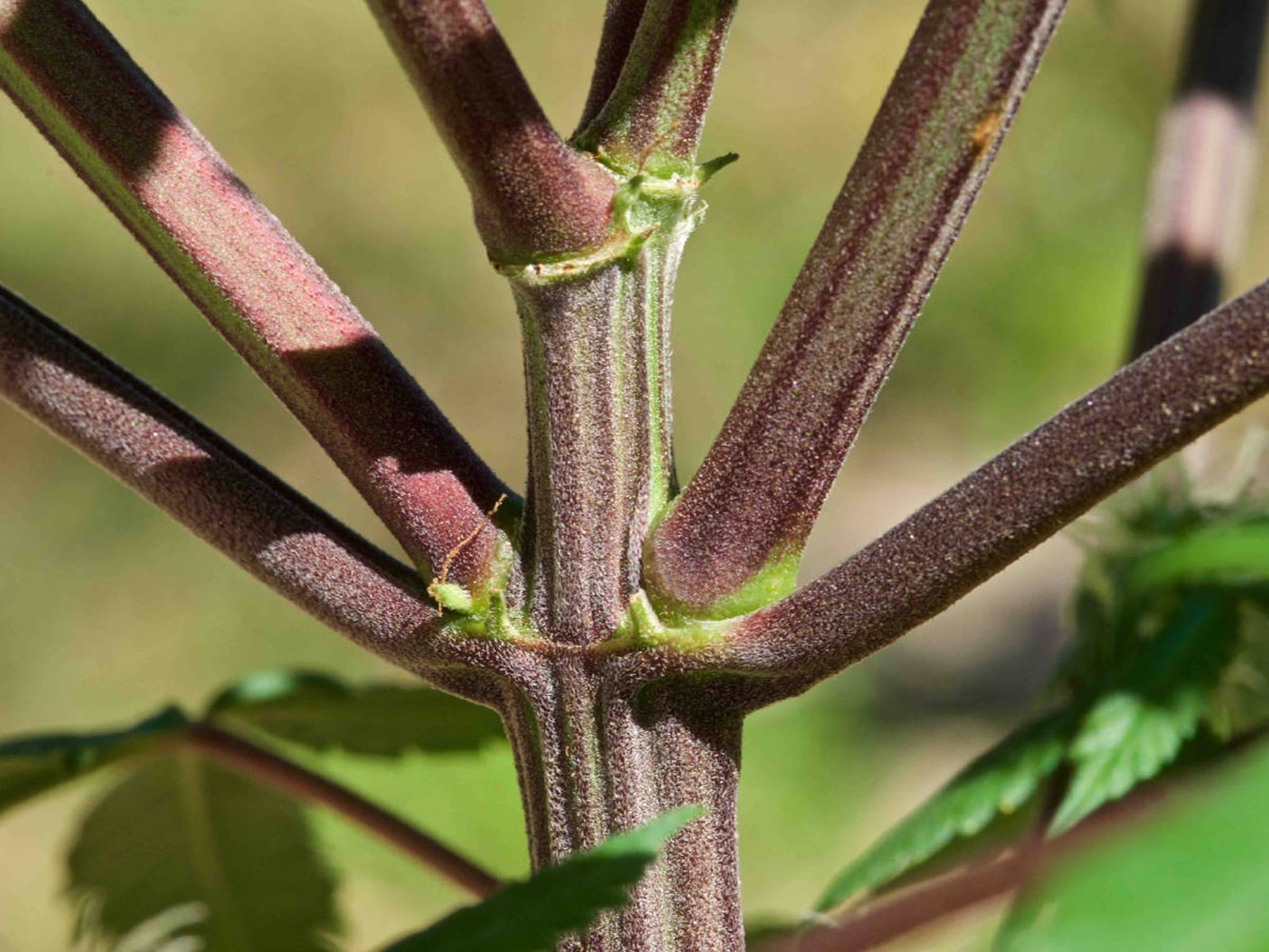
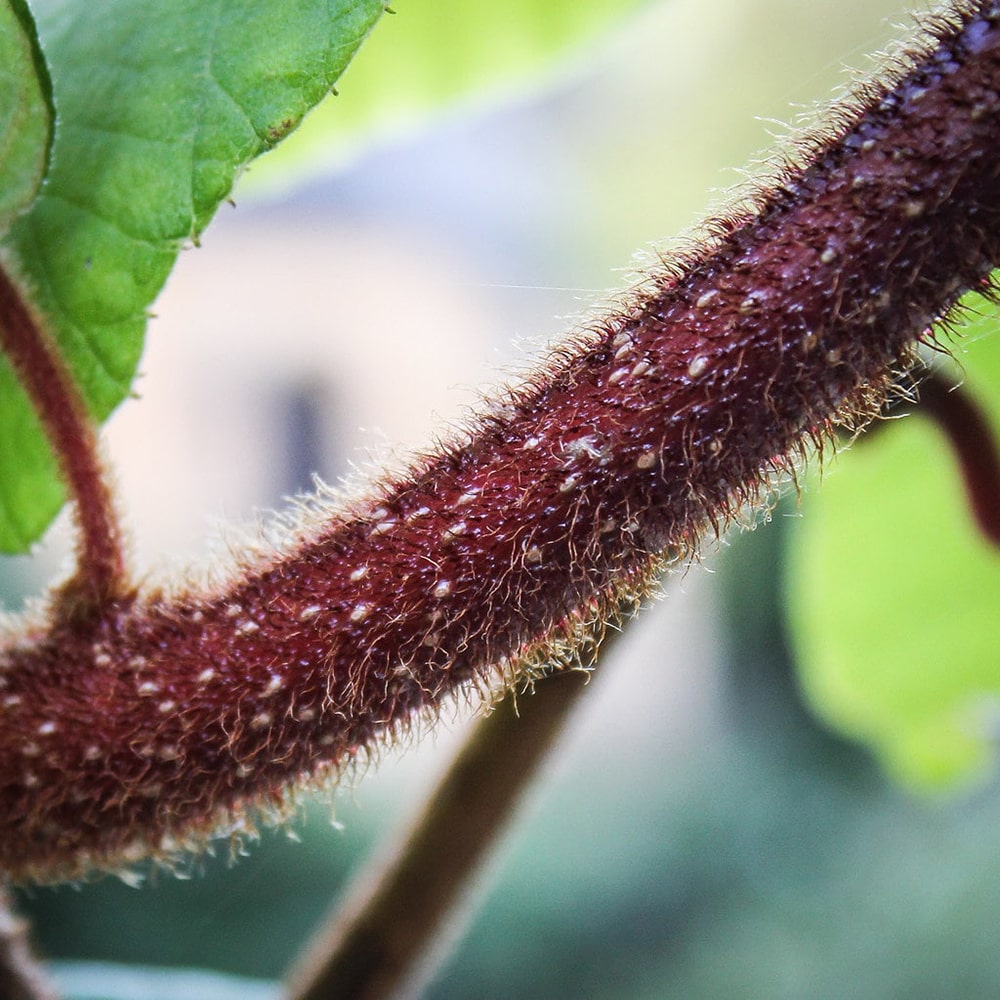
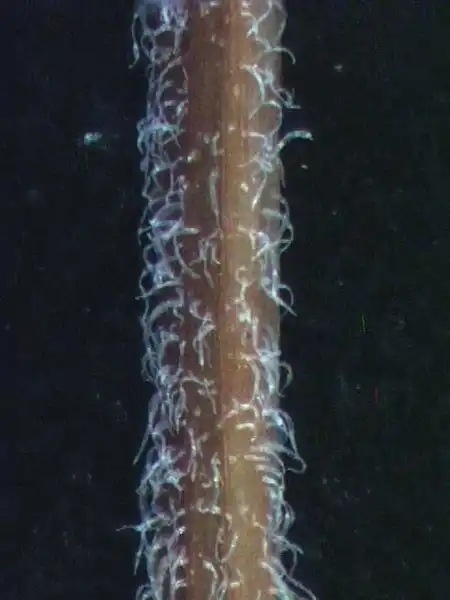
Stems are semi-erect with several stems originating from a central tap root. Stems have a hairy surface and are filled with a milky white latex/sap.
Purple/Lavender
Red/Burgundy
Hairy (pubescent)
Poisonous to Humans
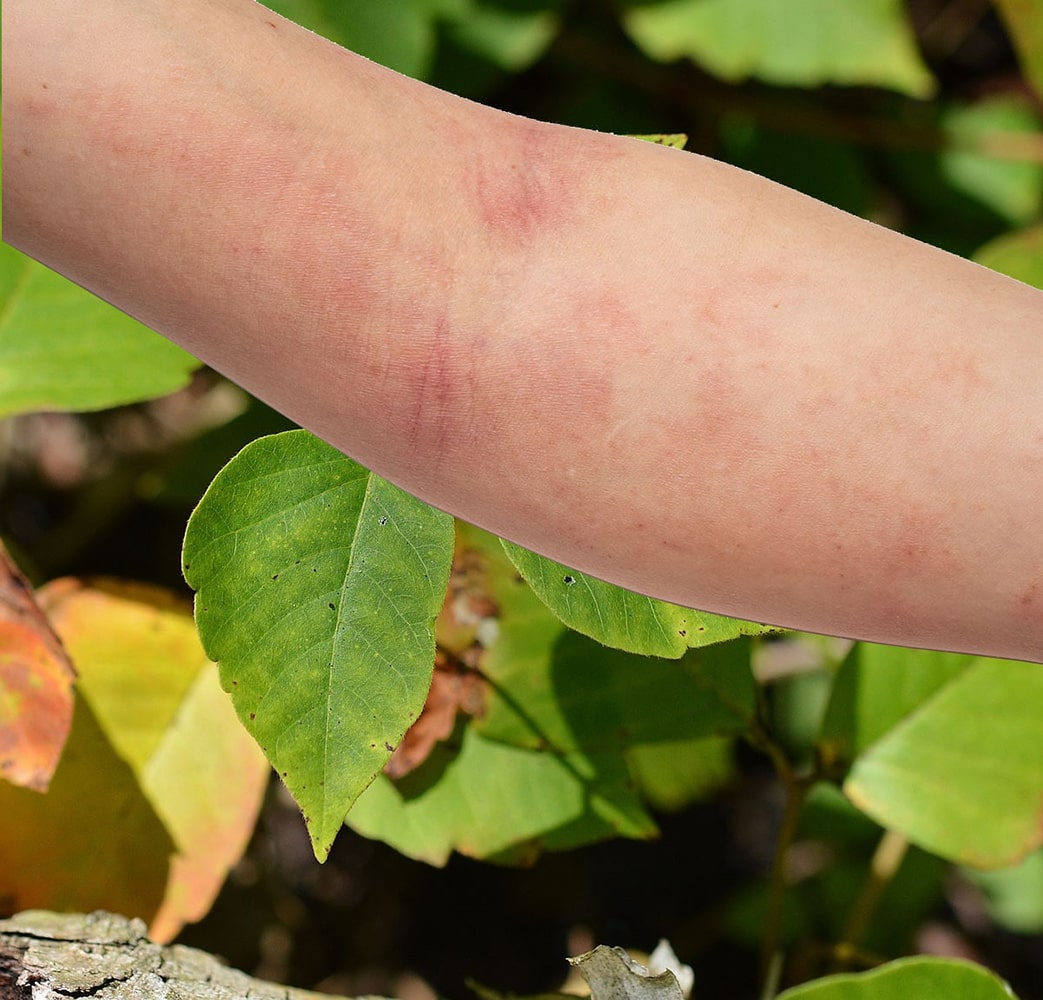
Itching, redness, and rash.
Milky sap emitted when stems are broken is a skin irritant
Sap/Juice
Whole Plant Traits
Annual
Weed
Prostrate
Ascending
Medium
Cultural Conditions
Full sun (6 or more hours of direct sunlight a day)
Partial Shade (Direct sunlight only part of the day, 2-6 hours)
Coastal
Mountains
Piedmont
Landscape

Euphorbia hirta Attributes

Euphorbia hirta: Uses (Ethnobotany)

Traditional medicinal herb in some tropical countries.
Euphorbia hirta: Country Or Region Of Origin

Tropical and Subtropical America

Euphorbia hirta: Distribution

Anywhere temperatures are warm enough for seed germination, found widespread at low altitudes throughout the tropics and subtropics.

Euphorbia hirta: Life Cycle

Annual
Biennial
Bulb
Perennial
Woody

Euphorbia hirta: Recommended Propagation Strategy

Division
Grafting
Layering
Leaf Cutting
Root Cutting
Seed
Stem Cutting

Euphorbia hirta Fruit

Euphorbia hirta: Fruit Description

Fruit is in the form of a hairy yellow capsule. Fruit from a single plant can produce up to 3000 tiny, oblong, four-sided seeds

Euphorbia hirta: Fruit Type

Achene
Aggregate
Berry
Capsule
Caryopsis
Drupe
Follicle
Legume
Nut
Pome
Samara
Schizocarp
Siliqua

Euphorbia hirta: Fruit Color

grass
Gold/Yellow

Euphorbia hirta: Fruit Length

< 1 inch
1-3 inches
> 3 inches

Euphorbia hirta: Fruit Width

< 1 inch
1-3 inches
> 3 inches

Euphorbia hirta Flowers

Euphorbia hirta: Flower Description

Tiny flowers are in a ball shape. They are generally green and white but can also have a bit of red. Globular clusters of tiny, monoecious (unisexual), green/whiteto reddish flowers that lack petals. Reduced, bract-like leaves under the inforescences

Euphorbia hirta: Flower Color

filter_vintage
Green
filter_vintage
Red/Burgundy
filter_vintage
White

Euphorbia hirta: Flower Inflorescence

Catkin
Corymb
Cyme
Head
Insignificant
Panicle
Raceme
Solitary
Spadix
Spike
Umbel

Euphorbia hirta: Flower Bloom Time

Winter
Spring
Summer
Fall

Euphorbia hirta: Flower Shape

Bell
Cross
Crown
Cup
Dome
Funnel
Irregular
Lipped
Radial
Saucer
Star
Trumpet
Tubular
Urn
Wheel

Euphorbia hirta: Flower Size

1-3 inches
3-6 inches
< 1 inch
> 6 inches

Euphorbia hirta Leaves

Euphorbia hirta: Leaf Description

Leaves are green with uneven stems. Leaves are opposite with small teeth.

Euphorbia hirta: Leaf Color

spa
Green
spa
Red/Burgundy

Euphorbia hirta: Leaf Type

Compound (Pinnately , Bipinnately, Palmately)
Fronds
Needles
Sheath
Simple

Euphorbia hirta: Leaf Arrangement

Alternate
Opposite
Other/more complex
Rosulate
Whorled

Euphorbia hirta: Leaf Shape

Acicular
Auriculate
Cordate
Cuneate
Deltoid
Elliptical
Filiform
Lanceolate
Linear
Oblanceolate
Oblong
Obovate
Obtuse
Orbicular
Ovate
Palmasect
Palmatifid
Peltate
Pinnatifid
Pinnatisect
Reniform
Rhomboidal
Spatulate
Subcordate
Subulate

Euphorbia hirta: Leaf Margin

Crenate
Crenulate
Dentate
Denticulate
Doubly Crenate
Doubly Dentate
Doubly Serrate
Entire
Lobed
Serrate
Sinuate
Undulate

Euphorbia hirta: Hairs Present

No
Yes

Euphorbia hirta: Leaf Length

< 1 inch
1-3 inches
3-6 inches
> 6 inches

Euphorbia hirta: Leaf Width

< 1 inch
1-3 inches
3-6 inches
> 6 inches

Euphorbia hirta Stem

Euphorbia hirta: Stem Description

Stems are semi-erect with several stems originating from a central tap root. Stems have a hairy surface and are filled with a milky white latex/sap.

Euphorbia hirta: Stem Color

grass
Purple/Lavender
grass
Red/Burgundy

Euphorbia hirta: Stem Is Aromatic

No
Yes

Euphorbia hirta: Stem Surface

Corky Ridges
Covered with a powdery bloom (glaucous)
Dull
Hairy (pubescent)
Polished
Smooth (glabrous)

Euphorbia hirta Poisonous to Humans

Euphorbia hirta: Poison Symptoms

Itching, redness, and rash.

Euphorbia hirta: Poison Toxic Principle

Milky sap emitted when stems are broken is a skin irritant

Euphorbia hirta: Poison Severity

High
Low
Medium

Euphorbia hirta: Causes Contact Dermatitis

No
Yes

Euphorbia hirta: Poison Part

Bark
Flowers
Fruits
Leaves
Roots
Sap/Juice
Seeds
Stems

Euphorbia hirta Whole Plant Traits

Euphorbia hirta: Plant Type

Annual
Bulb
Carnivorous
Edible
Epiphyte
Fern
Ground Cover
Herb
Herbaceous Perennial
Houseplant
Mushroom
Native Plant
Ornamental Grasses and Sedges
Perennial
Poisonous
Rose
Shrub
Succulent
Tree
Turfgrass
Vegetable
Vine
Water Plant
Weed
Wildflower

Euphorbia hirta: Habit/Form

Arching
Ascending
Broad
Cascading
Climbing
Clumping
Columnar
Conical
Creeping
Dense
Erect
Horizontal
Irregular
Mounding
Multi-stemmed
Multi-trunked
Open
Oval
Prostrate
Pyramidal
Rounded
Spreading
Vase
Weeping

Euphorbia hirta: Growth Rate

Slow
Medium
Rapid

Euphorbia hirta: Maintenance

Low
Medium
High

Euphorbia hirta: Texture

Fine
Medium
Coarse

Euphorbia hirta Cultural Conditions

Euphorbia hirta: Light

Dappled Sunlight (Shade through upper canopy all day)
Deep shade (Less than 2 hours to no direct sunlight)
Full sun (6 or more hours of direct sunlight a day)
Partial Shade (Direct sunlight only part of the day, 2-6 hours)

Euphorbia hirta: NC Region

Coastal
Mountains
Piedmont

Euphorbia hirta Landscape

Euphorbia hirta: Problems

Allelopathic
Contact Dermatitis
Frequent Disease Problems
Frequent Insect Problems
Invasive Species
Malodorous
Messy
Poisonous to Humans
Problem for Cats
Problem for Children
Problem for Dogs
Problem for Horses
Short-lived
Spines/Thorns
Weak Wood
Weedy