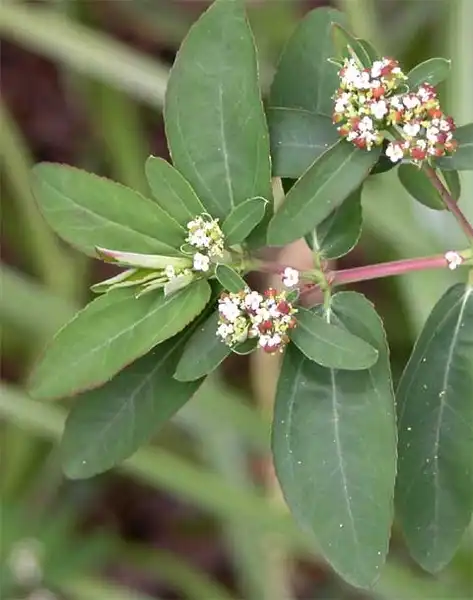
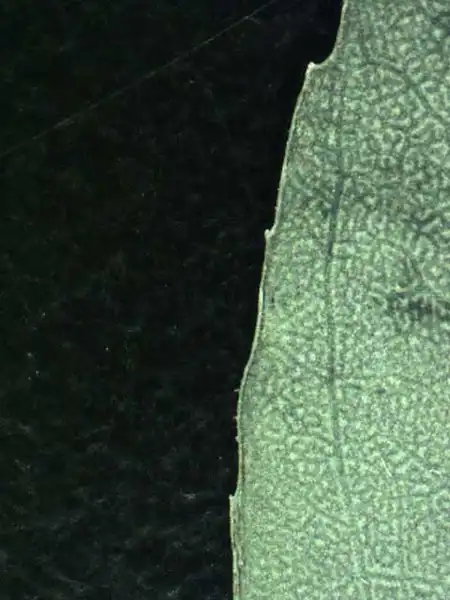
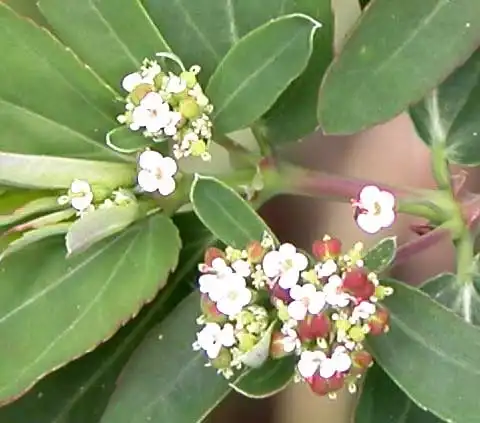
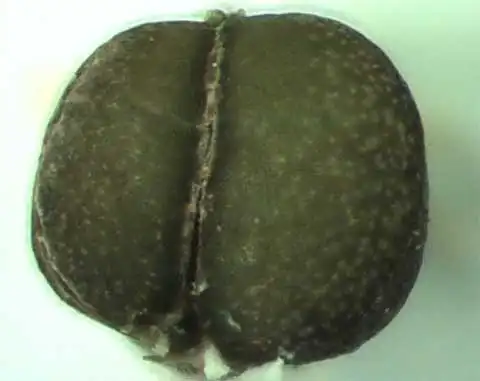
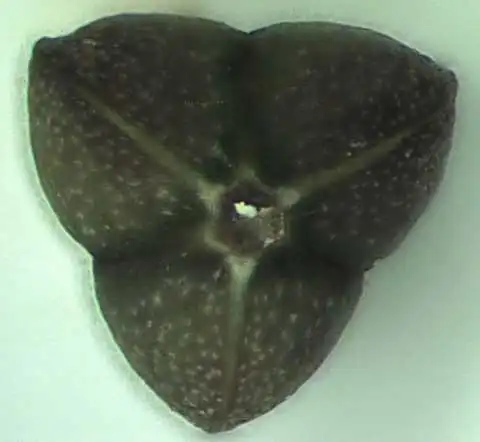
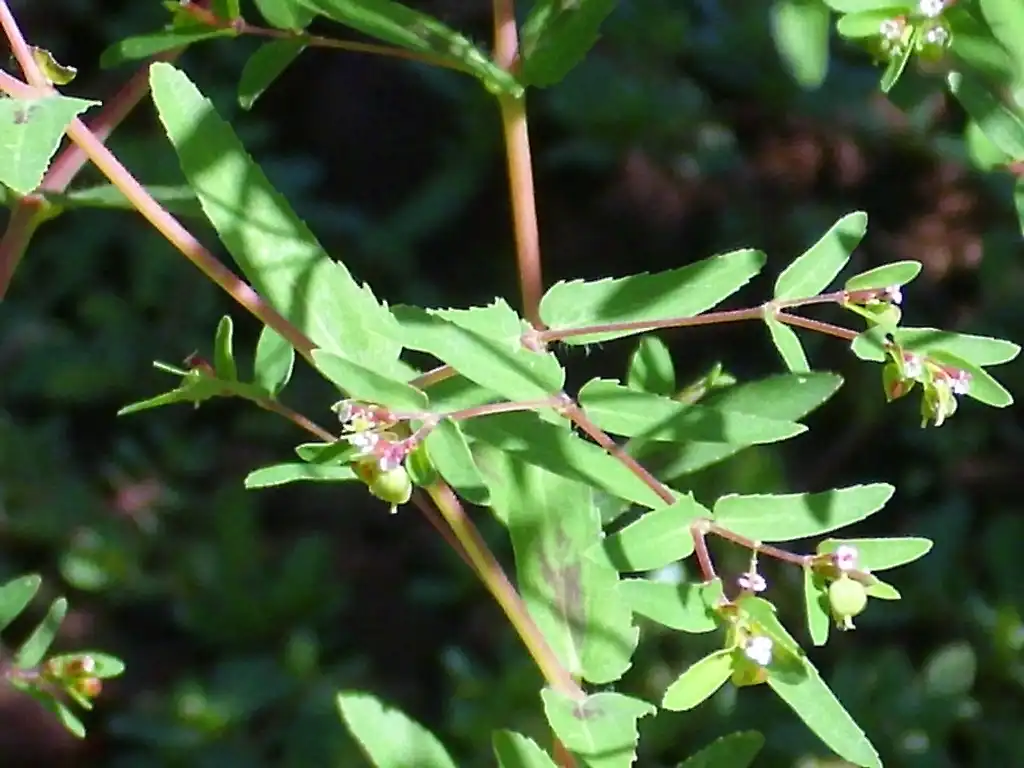
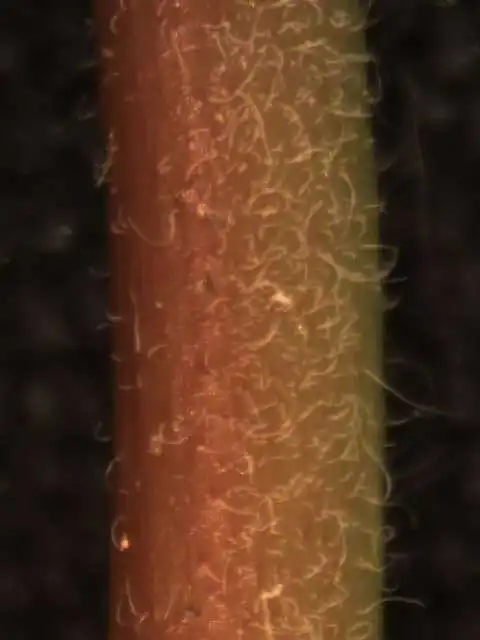
• Photo of Euphorbia nutans (Euphorbia nutanss)

Plant Profile: Euphorbia nutans

Taxonomy: Euphorbia nutans

Names

Nodding Spurge

  • Photo of Euphorbia nutans (Euphorbia nutanss)

Phonetic Spelling:yoo-FOR-bee-uh NUT-ans

Genus:Euphorbia

Species:nutans Lag.

Family:Euphorbiaceae

Spurges are annual weeds that thrive in the summer heat, although in milder regions, some varieties can endure into late autumn. These plants typically bloom during the summer and early fall, only to perish after the first frost. Their flowers are characterized by a greenish-white hue. Spurges rank among the most prevalent warm-season weeds, and they release a milky sap when their stems or leaves are damaged.

**Management Strategies for Spurges:** Spurges tend to flower at a young age and exhibit minimal to no seed dormancy, allowing their populations to grow swiftly. To mitigate seed production, it is advisable to remove these plants while they are still young. Hand weeding can be labor-intensive due to the high number of seedlings that emerge. Certain species are known to eject seeds forcefully. Most preemergence herbicides that are approved for use are effective in controlling spurges.

The nodding spurge closely resembles hyssop spurge, but it typically has larger leaves, and its younger foliage is covered in soft hairs that diminish as the plant matures. Initial studies indicate that nodding spurge is generally well-managed by most herbicides that identify "spurge" as a target species.

Euphorbia nutans Feature Summary

Euphorbia nutans Image Gallery

Tags

#white
#annual
#green
#weed
#weedy
#summer annual weed
#stream banks
#summer flowers
#sap
#late fall
#milky sap
#warm
#coastal plants
#sandy soils tolerant

Similar Plants

Euphorbia nutans is often confused with:

Euphorbia nutans Feature Summary

Flowers
Plants flower in summer and early fall then die, after frost. Flowers are greenish-white.
White
Green
Leaves
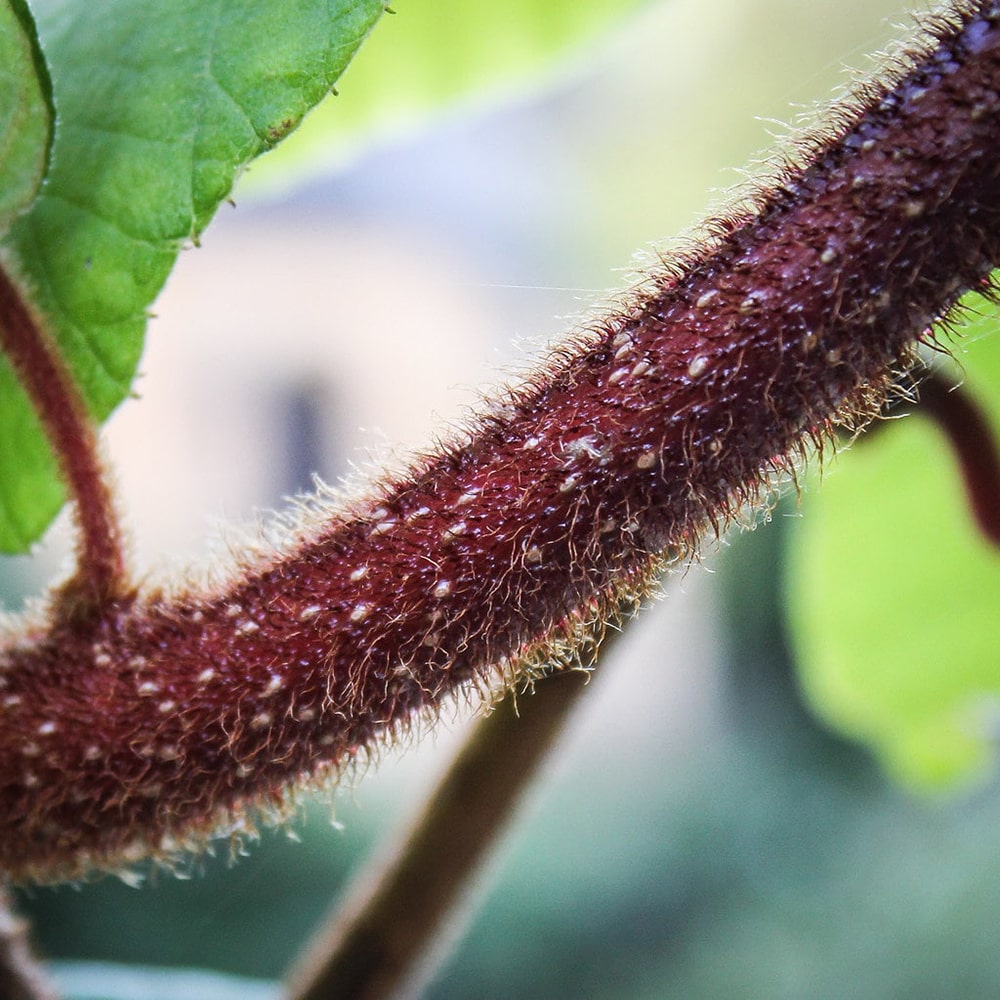
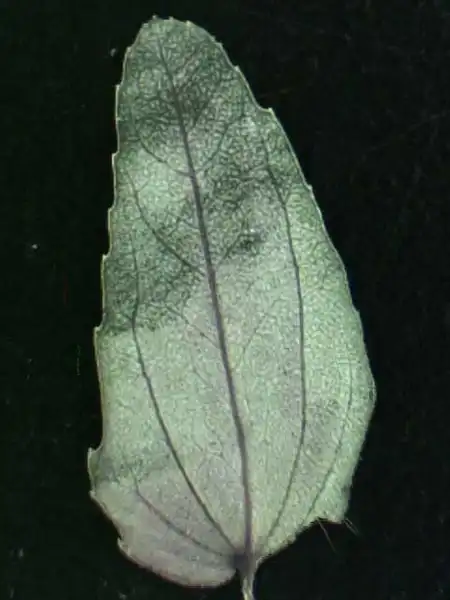
Green leaves have red veins at the back of them. Leaves have hairs when younger.
Soft
Velvety
Stem
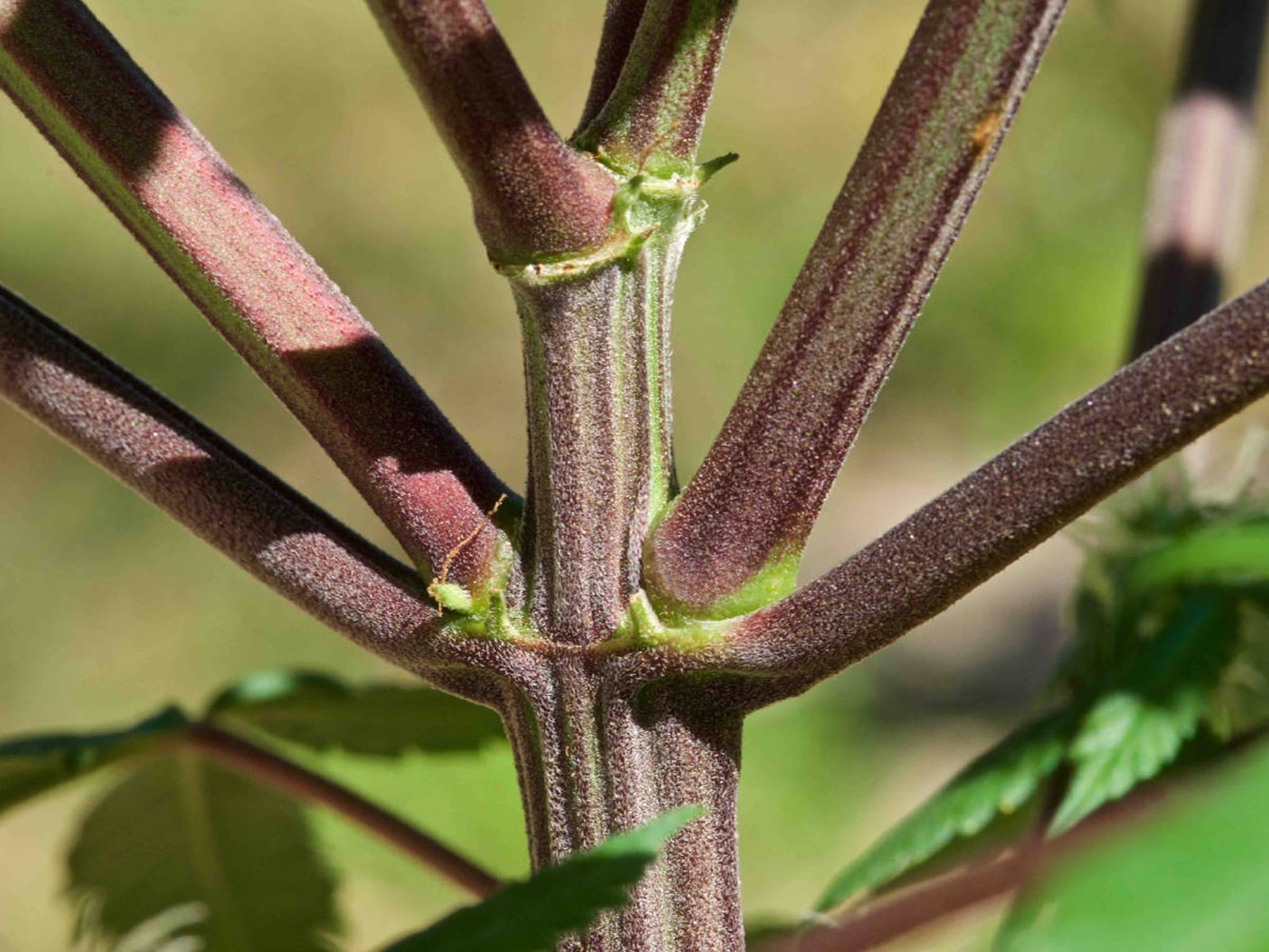
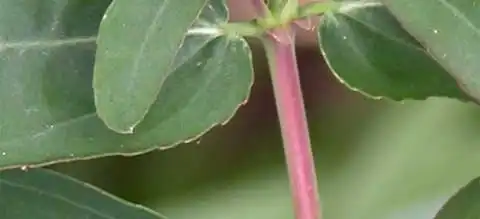
Green leaves have red stems
Red/Burgundy
Attributes
Whole Plant Traits
Annual
Weed
Cultural Conditions
Full sun (6 or more hours of direct sunlight a day)
Landscape

Euphorbia nutans Flowers

Euphorbia nutans: Flower Description

Plants flower in summer and early fall then die, after frost. Flowers are greenish-white.
Euphorbia nutans: Flower Color

filter_vintage
Green
filter_vintage
White

Euphorbia nutans: Flower Inflorescence

Catkin
Corymb
Cyme
Head
Insignificant
Panicle
Raceme
Solitary
Spadix
Spike
Umbel

Euphorbia nutans: Flower Bloom Time

Winter
Spring
Summer
Fall

Euphorbia nutans Leaves

Euphorbia nutans: Leaf Description

Green leaves have red veins at the back of them. Leaves have hairs when younger.

Euphorbia nutans: Leaf Color

spa
Green

Euphorbia nutans: Leaf Arrangement

Alternate
Opposite
Other/more complex
Rosulate
Whorled

Euphorbia nutans: Hairs Present

No
Yes

Euphorbia nutans: Leaf Feel

Fleshy
Glossy
Leathery
Papery
Prickly
Rough
Rubbery
Slippery
Smooth
Soft
Velvety
Waxy

Euphorbia nutans Stem

Euphorbia nutans: Stem Description

Green leaves have red stems

Euphorbia nutans: Stem Color

grass
Red/Burgundy

Euphorbia nutans: Stem Is Aromatic

No
Yes

Euphorbia nutans Attributes

Euphorbia nutans: Life Cycle

Annual
Biennial
Bulb
Perennial
Woody

Euphorbia nutans Whole Plant Traits

Euphorbia nutans: Plant Type

Annual
Bulb
Carnivorous
Edible
Epiphyte
Fern
Ground Cover
Herb
Herbaceous Perennial
Houseplant
Mushroom
Native Plant
Ornamental Grasses and Sedges
Perennial
Poisonous
Rose
Shrub
Succulent
Tree
Turfgrass
Vegetable
Vine
Water Plant
Weed
Wildflower

Euphorbia nutans Cultural Conditions

Euphorbia nutans: Light

Dappled Sunlight (Shade through upper canopy all day)
Deep shade (Less than 2 hours to no direct sunlight)
Full sun (6 or more hours of direct sunlight a day)
Partial Shade (Direct sunlight only part of the day, 2-6 hours)

Euphorbia nutans: Soil Texture

Clay
High Organic Matter
Loam (Silt)
Sand
Shallow Rocky

Euphorbia nutans Landscape

Euphorbia nutans: Problems

Allelopathic
Contact Dermatitis
Frequent Disease Problems
Frequent Insect Problems
Invasive Species
Malodorous
Messy
Poisonous to Humans
Problem for Cats
Problem for Children
Problem for Dogs
Problem for Horses
Short-lived
Spines/Thorns
Weak Wood
Weedy