Euscaphis japonica: Country Or Region Of Origin
China, Japan
Phonetic Spelling:yoo-SKAY-fis juh-PON-ih-kuh
Genus:Euscaphis
Species:japonica
Family:Staphyleaceae
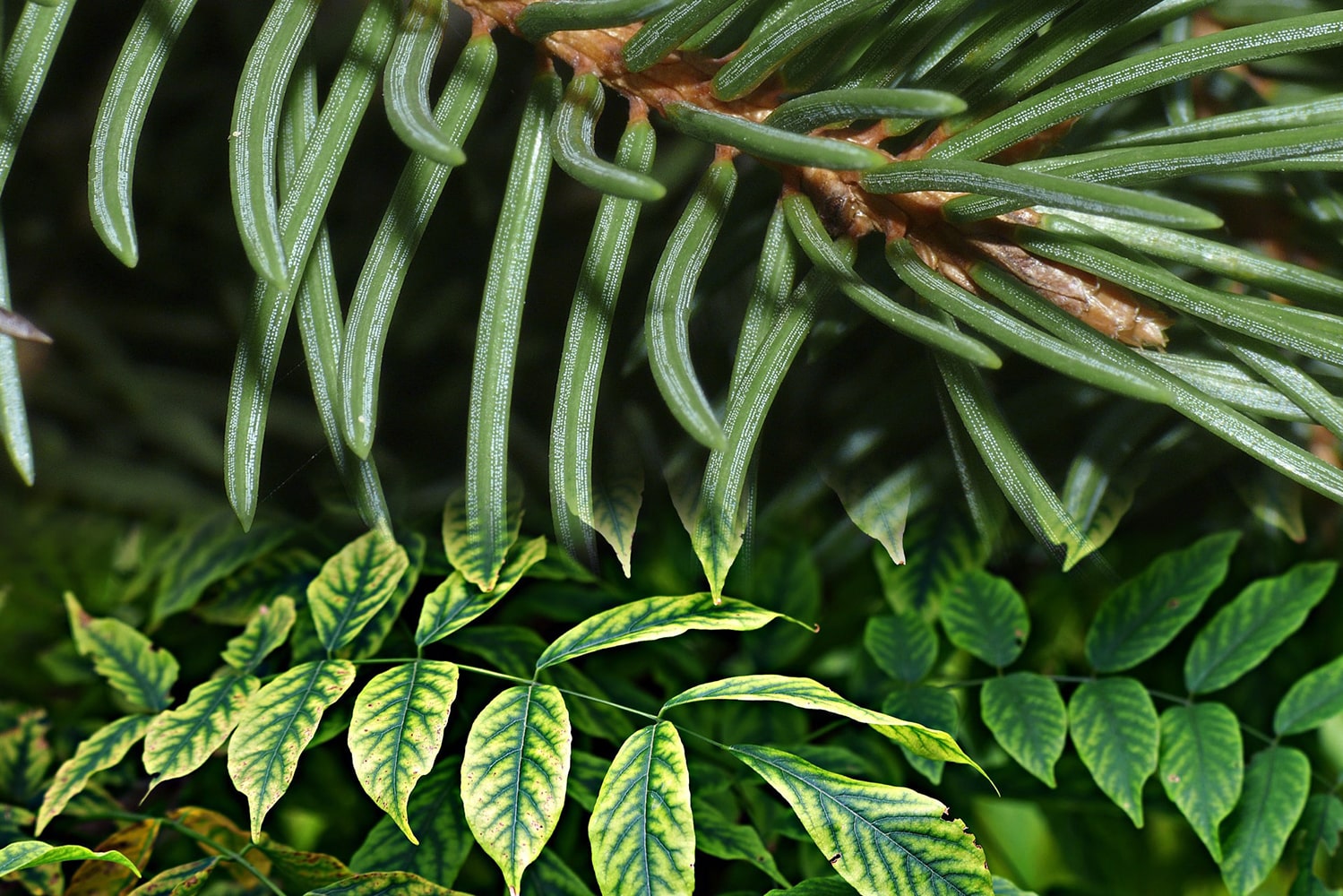
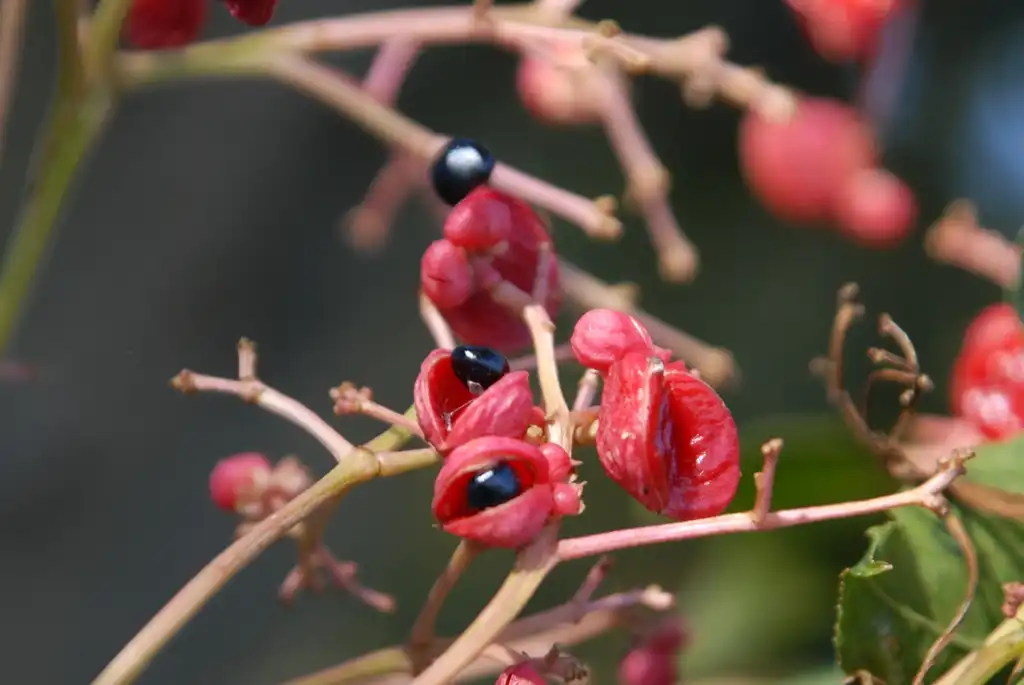
Euscaphis japonica, often referred to as the Korean sweetheart tree, is a resilient perennial shrub or small tree that typically reaches heights of 12 to 20 feet. Belonging to the Staphyleaceae family, this species was introduced by the J.C. Raulston Arboretum and is quite rare in cultivation. J.C. Raulston first identified the Korean sweetheart tree in 1985 during a collection expedition on the Korean Peninsula for the U.S. National Arboretum. He subsequently brought seeds back to the North Carolina State Arboretum for further study and evaluation.
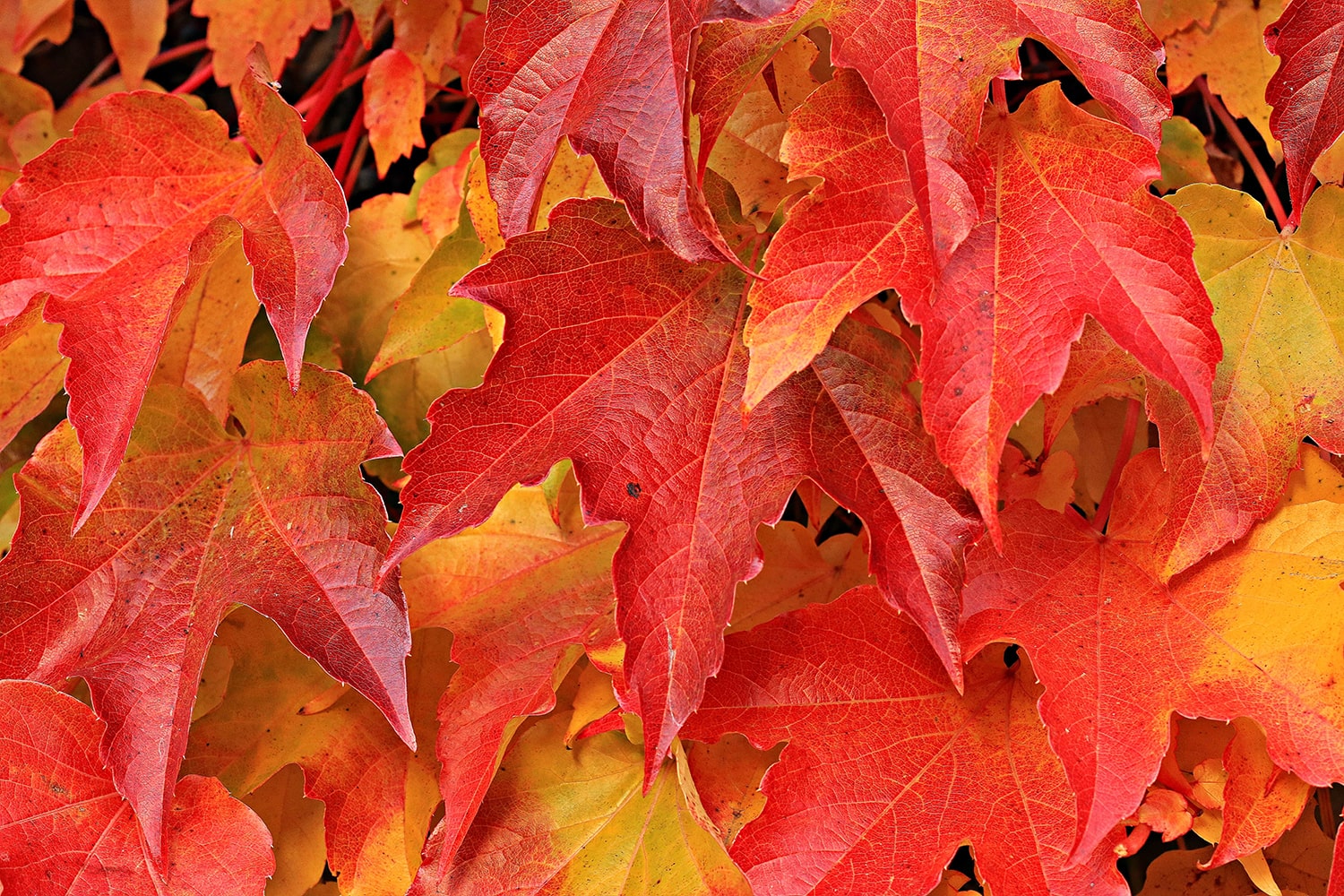
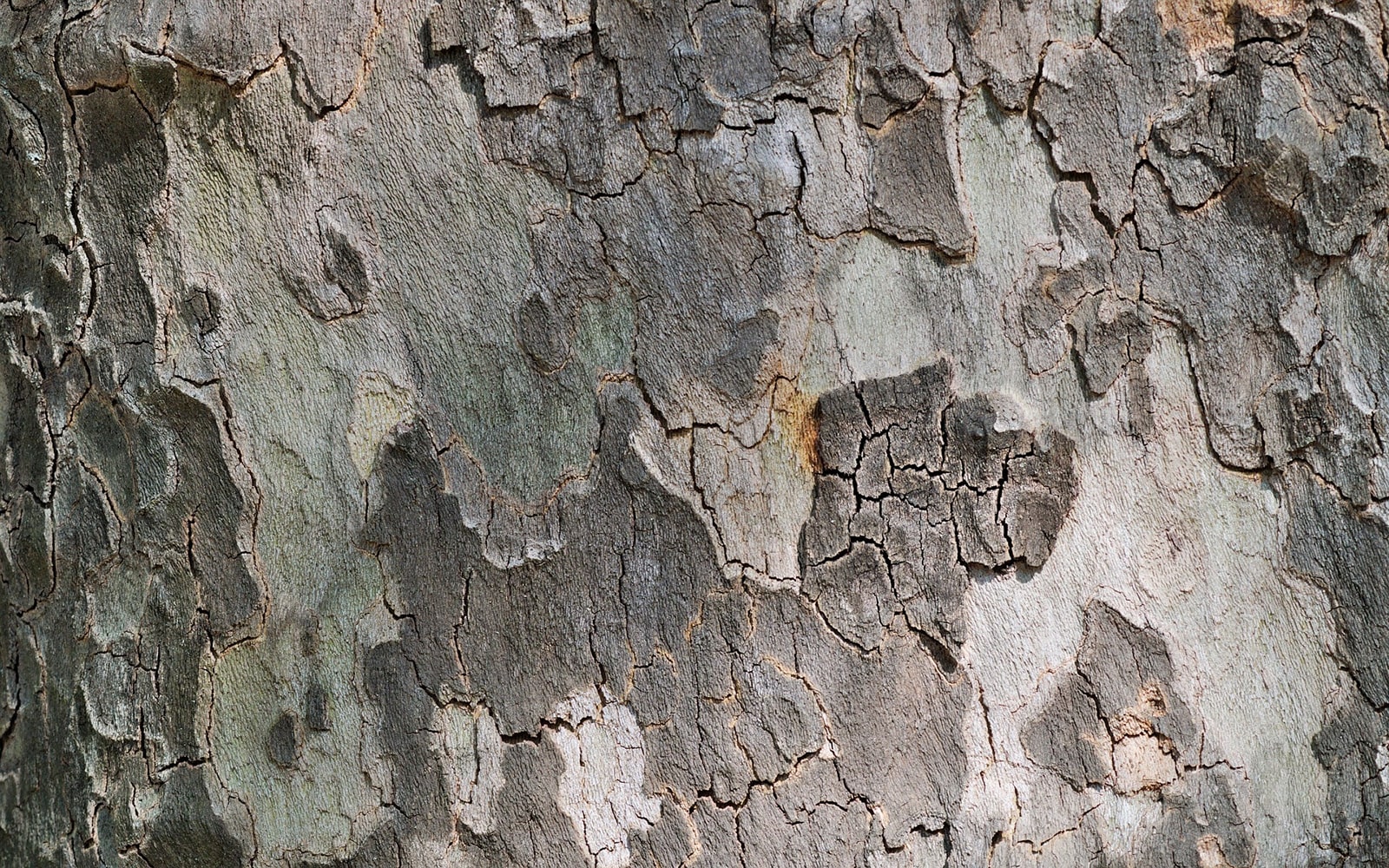
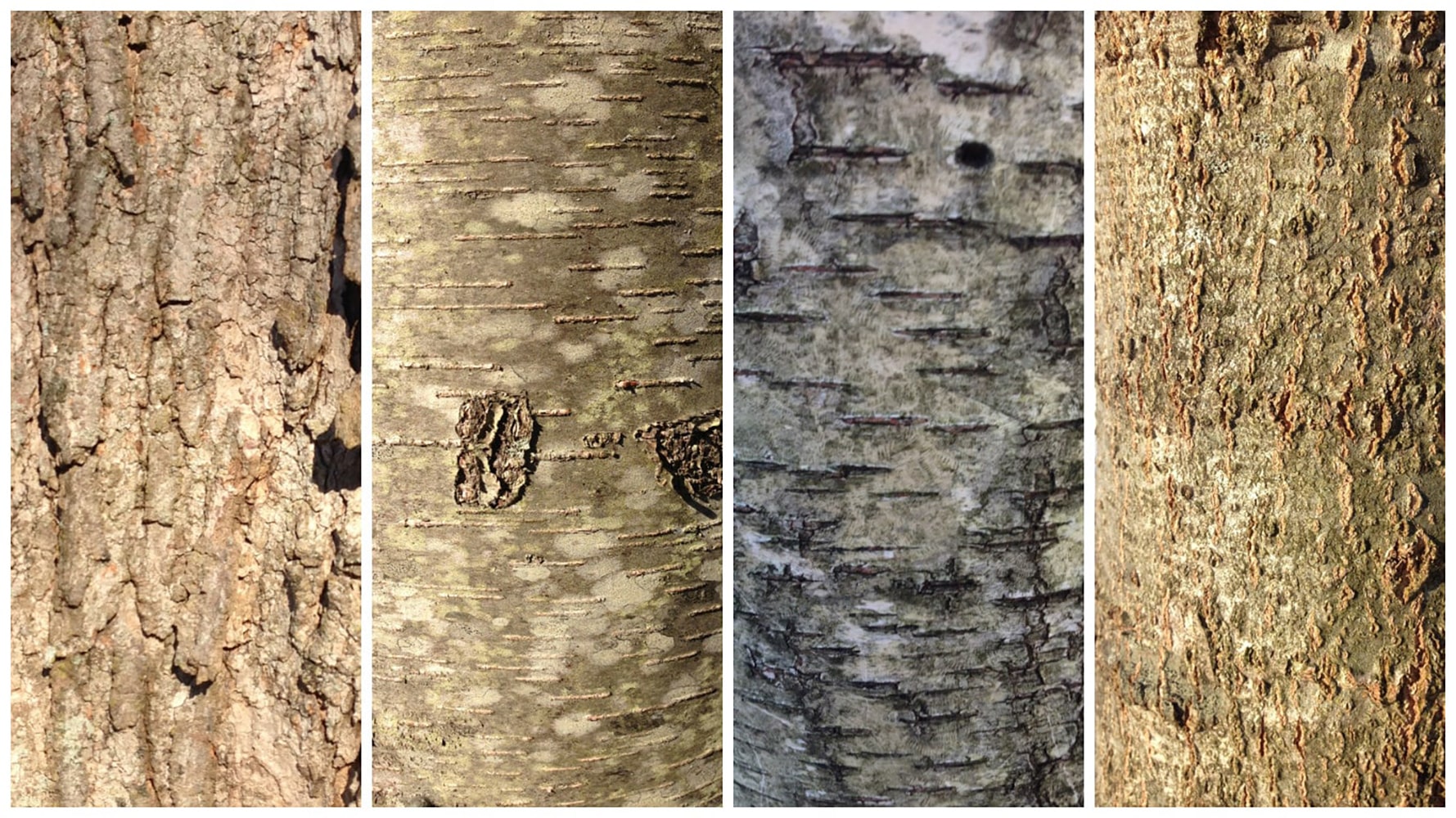
This tree thrives in well-drained sandy soil or loam with medium moisture levels, ideally situated in full sun to partial shade. It is generally more successful when transplanted rather than grown from seed. While it can withstand short periods of drought, it performs best in consistently moist soil. It is advisable to avoid planting in regions that experience hot, dry summers. The plant exhibits a horizontal growth habit with open, irregular branches. Its bark, a striking violet-chocolate adorned with white stripes, is particularly eye-catching in winter. In the fall, the leaves transform into a unique mahogany hue. The flowers, which bloom in May and June, are small and rather inconspicuous, but they give way to heart-shaped seed capsules that turn a vibrant cherry-red in the fall, eventually opening to reveal black seeds. Euscaphis japonica is notably drought-resistant.
Regarding pests and diseases, there are no significant issues reported with insects or plant diseases affecting this species.
Euscaphis japonica Feature Summary
Euscaphis japonica Image Gallery