
Ficus carica: Uses (Ethnobotany)
In some old Mediterranean folk practices, the milky sap of the fig plant was used to soften calluses, remove warts, and deter parasites.
Phonetic Spelling:FY-kus KAIR-ih-kuh
Genus:Ficus
Species:carica
Family:Moraceae
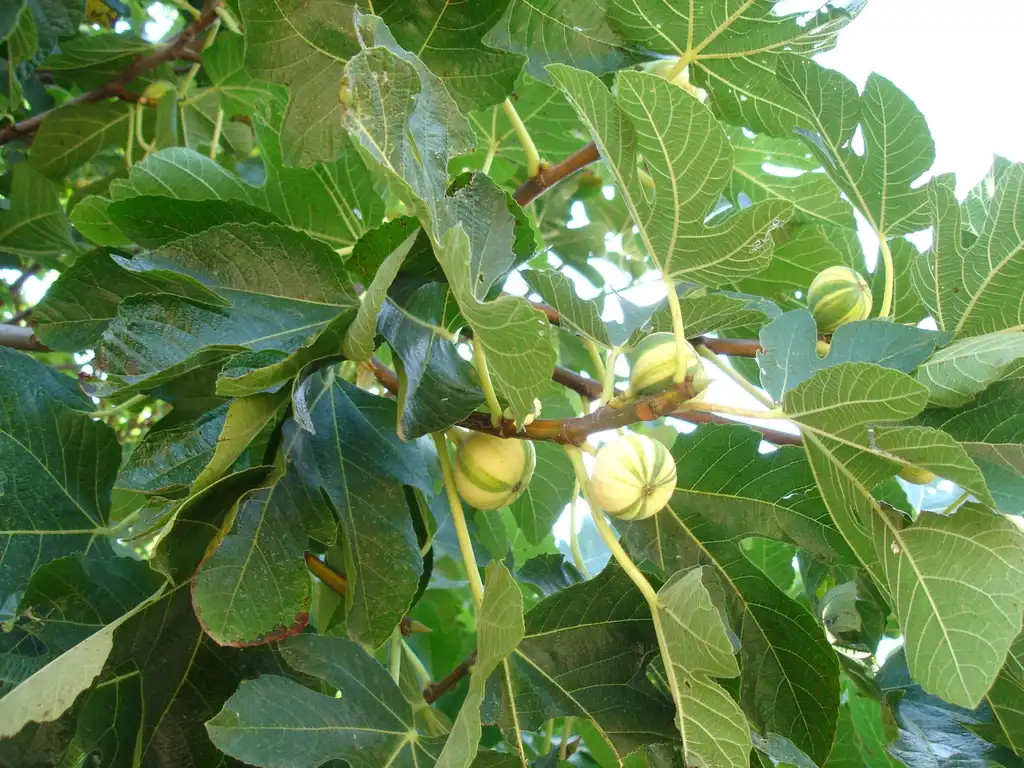
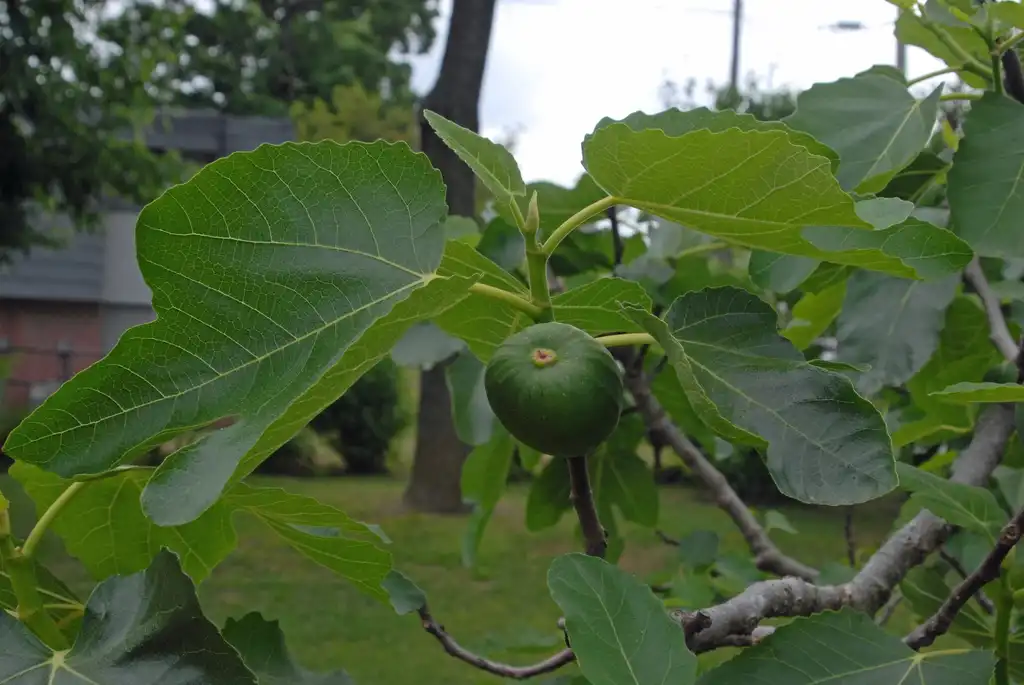
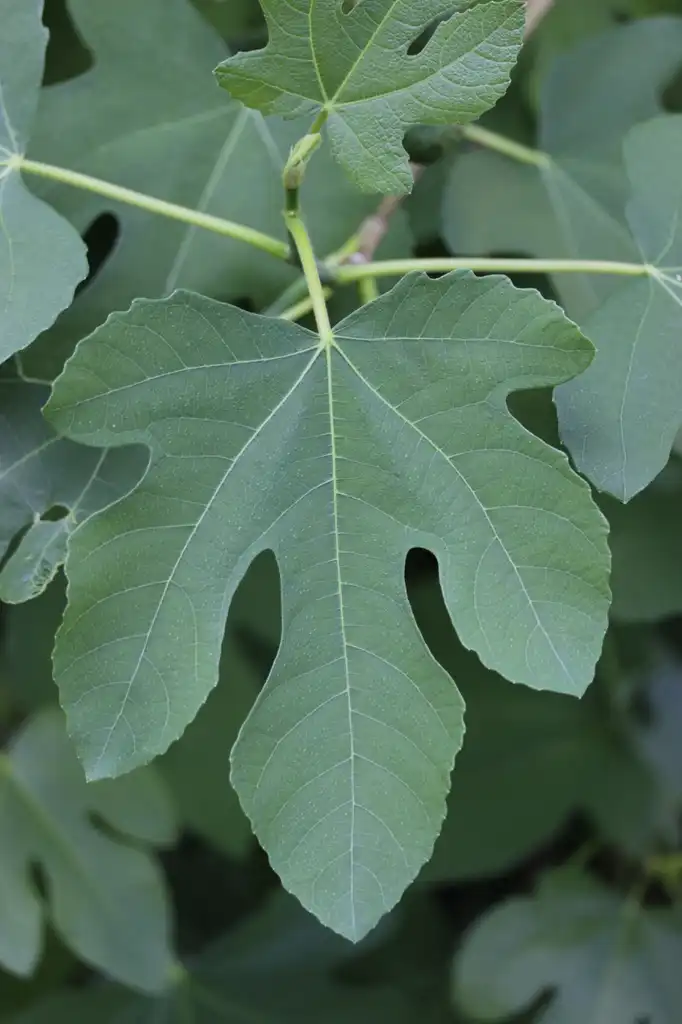
The Common Fig is a versatile small tree or large shrub known for its delicious edible fruits. It thrives in full sunlight or partial shade, preferring rich, moist, and well-drained soil. Optimal growth occurs in USDA hardiness zones 8 to 10, although it can be cultivated in zone 7 if placed in a sheltered location. In zone 6, it may require potting and indoor overwintering to survive the colder months.
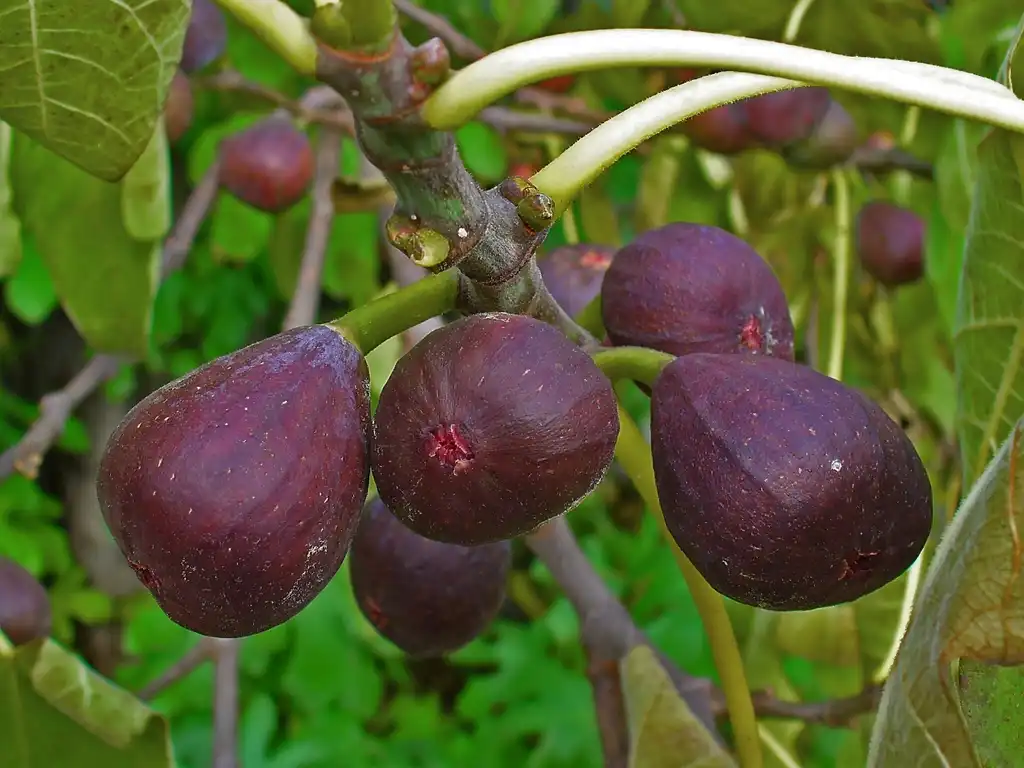
The fruits, which are a purplish-brown color, typically ripen in late summer and may produce a second crop in the fall. Interestingly, the flowers develop within the fruit and rely on the fig wasp for pollination.
In regions like Florida and California, the Common Fig has escaped cultivation and become invasive, often forming dense thickets that can disrupt native plant ecosystems.
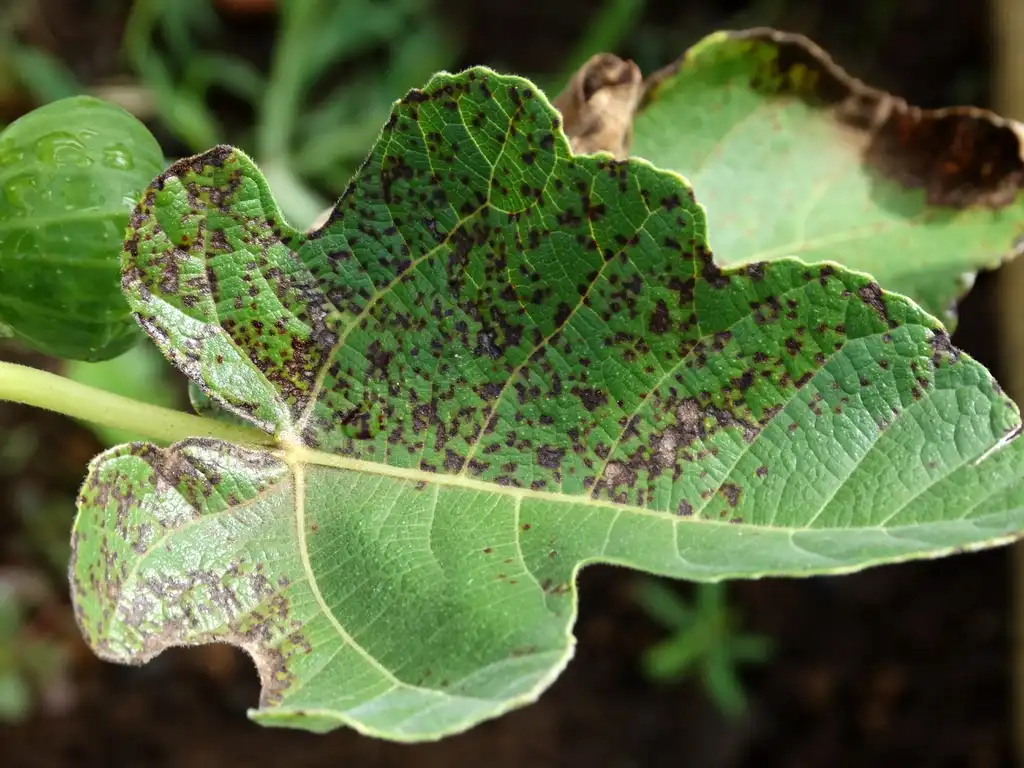
Regarding pests and diseases, the Common Fig generally faces few serious issues. However, it can be affected by aphids, scale insects, root-knot nematodes, spider mites, and mealybugs. Occasionally, it may experience blight, leaf spots, and rust, and fruit drop can create a bit of a mess.