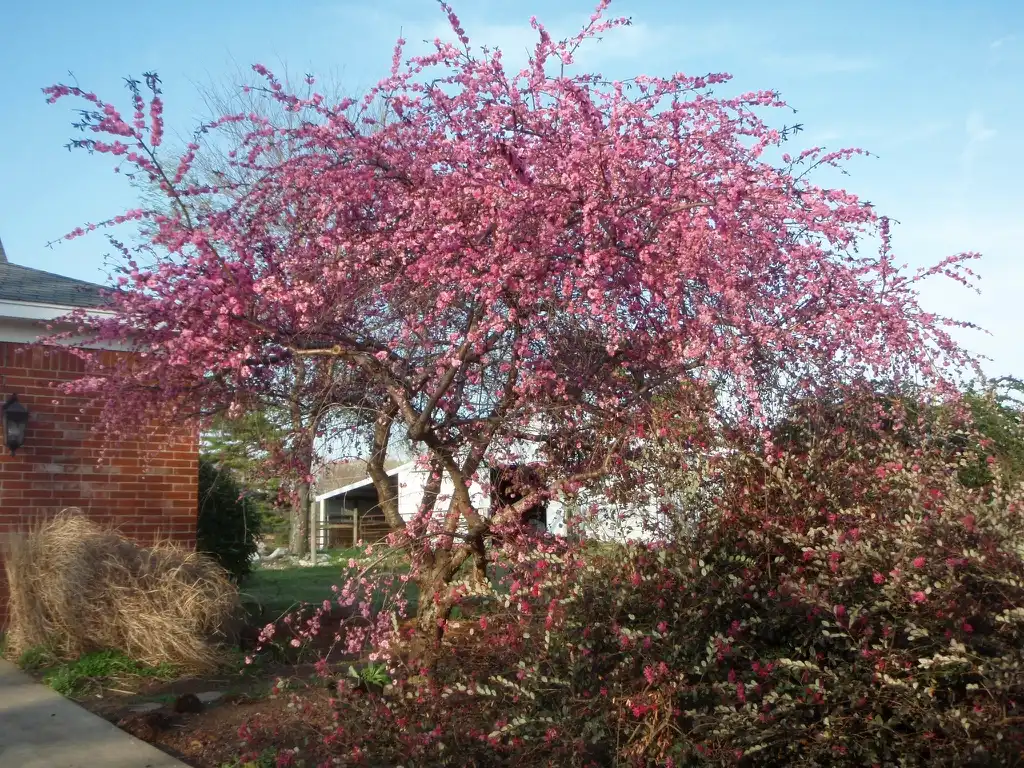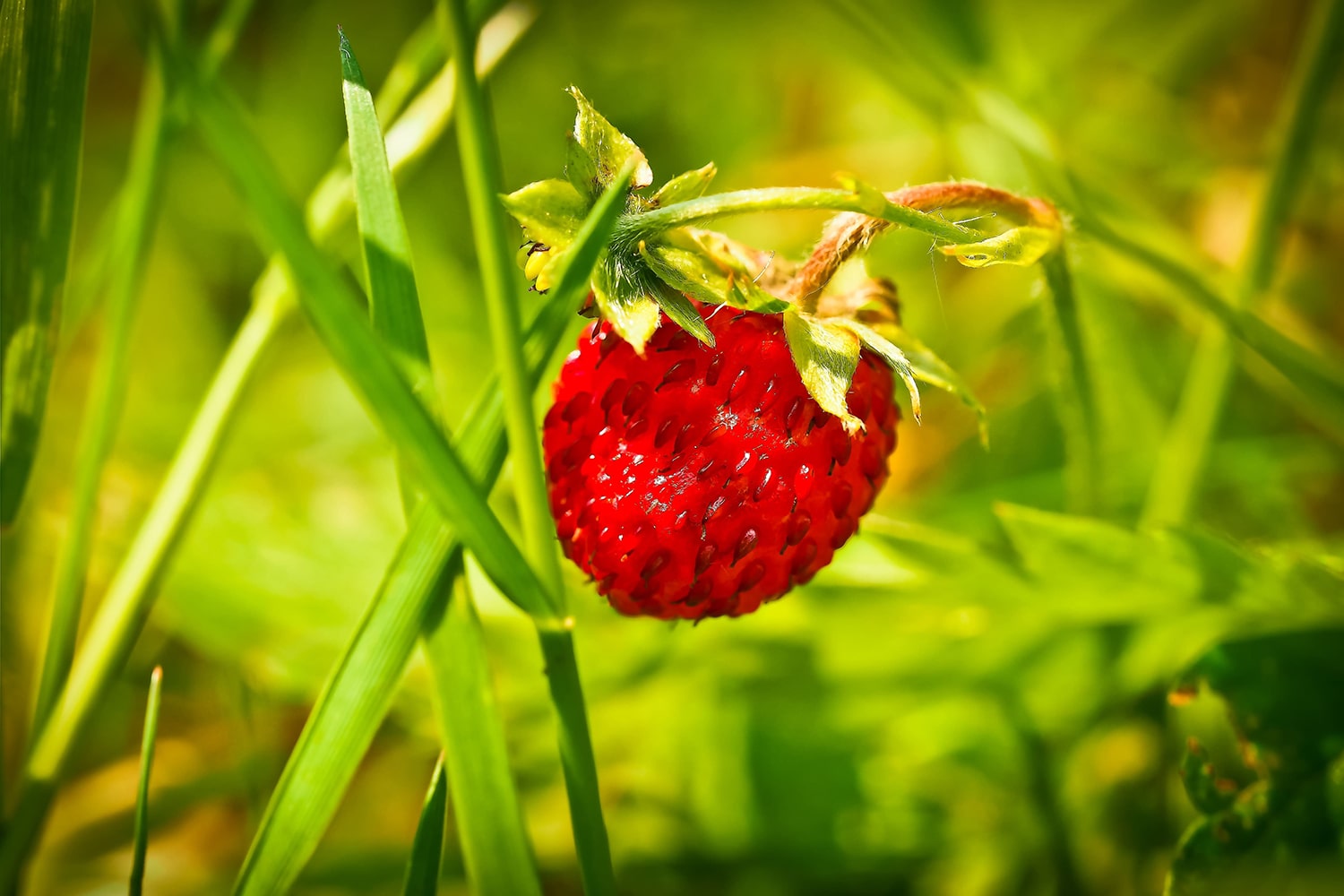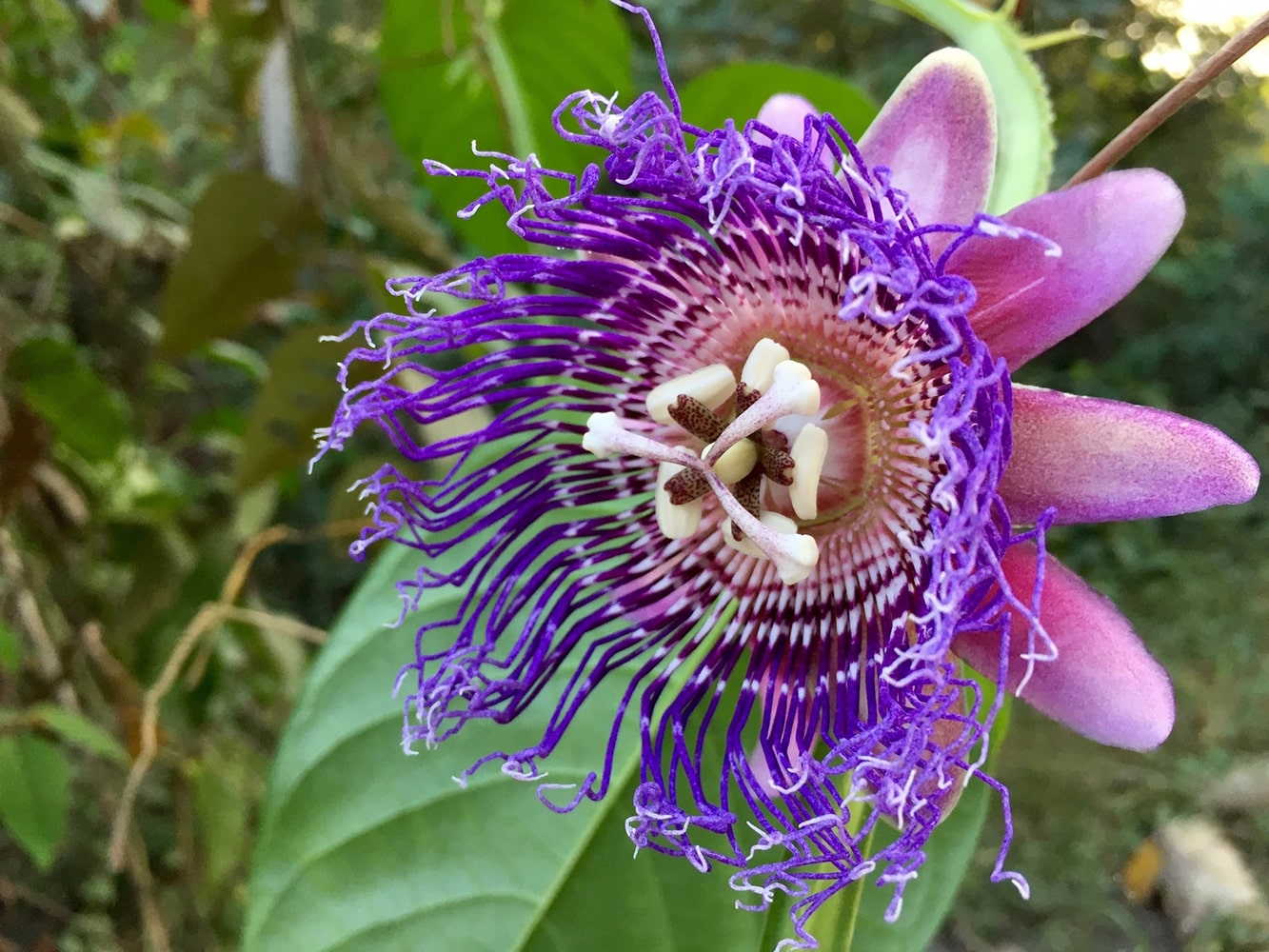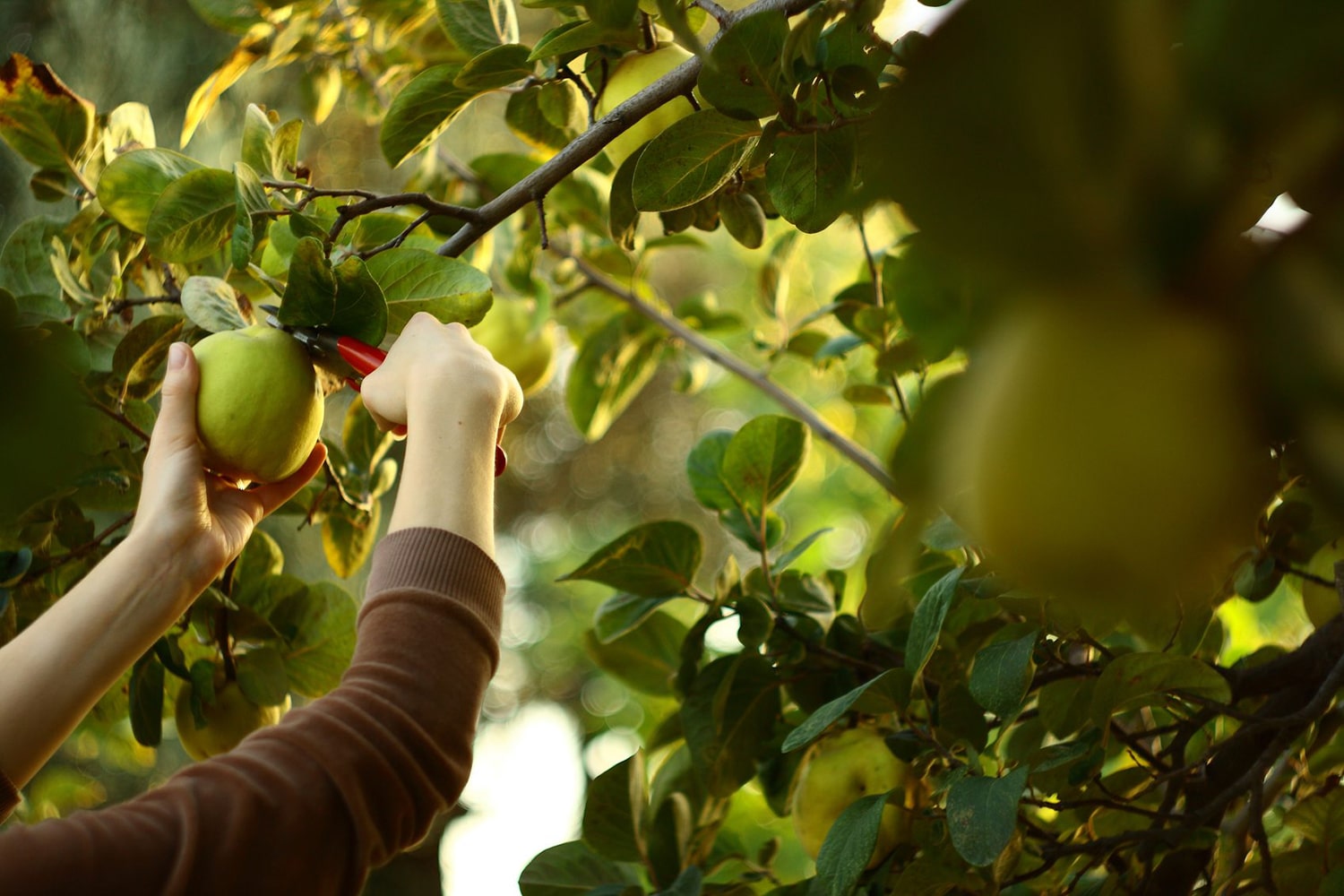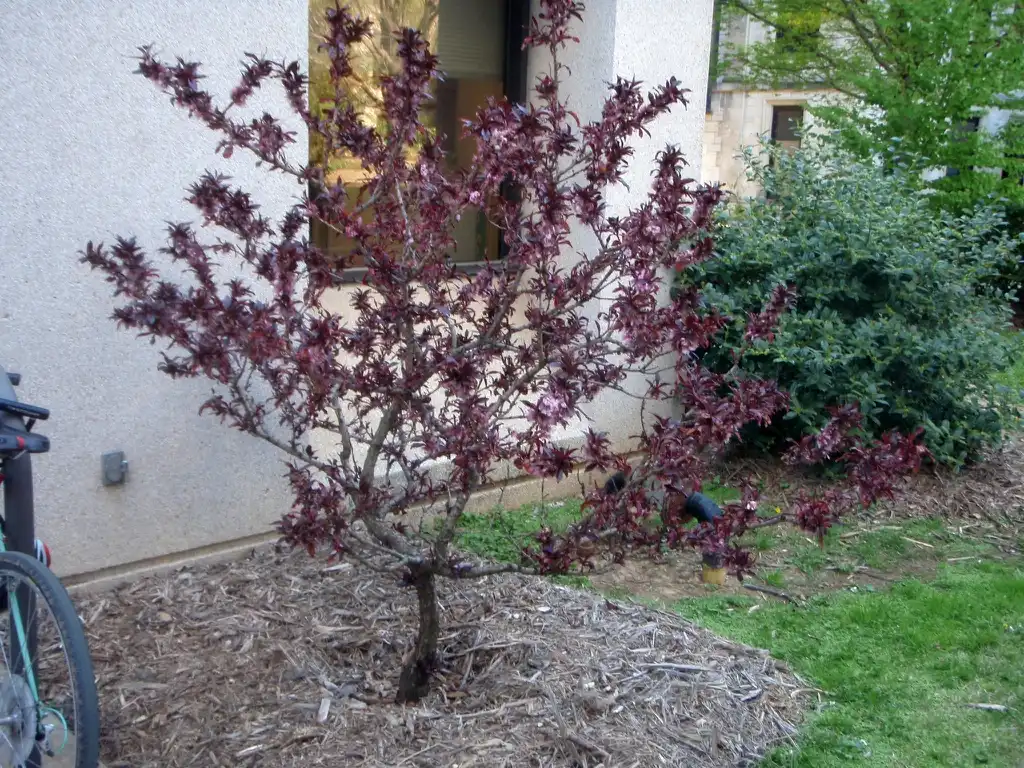
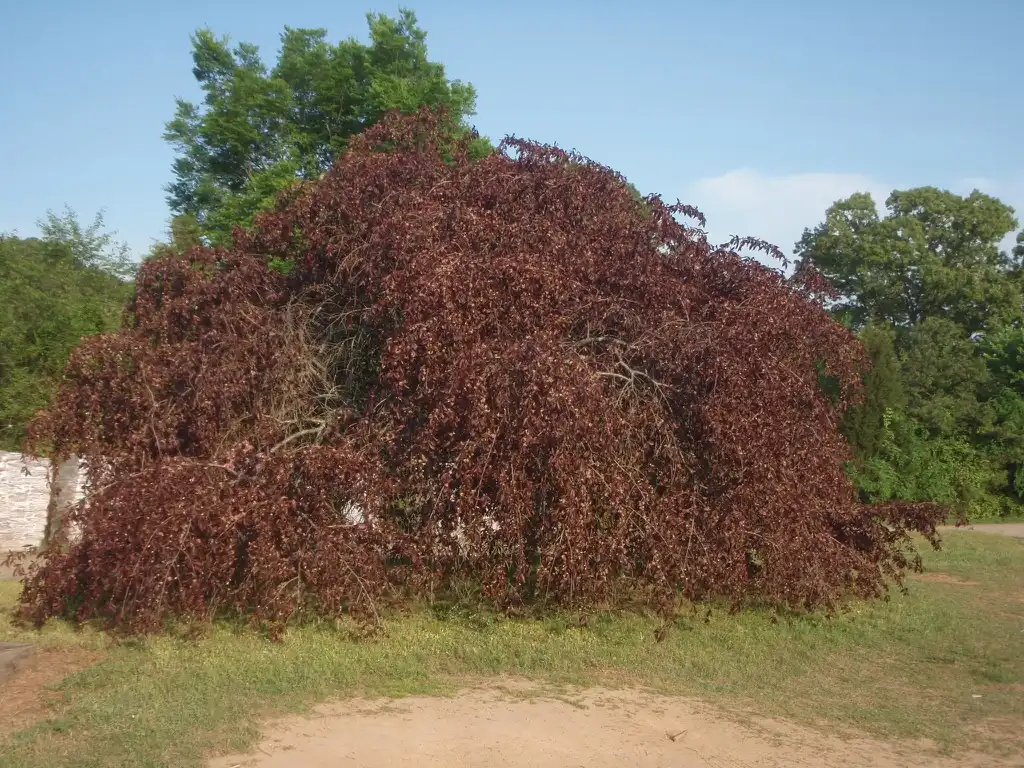
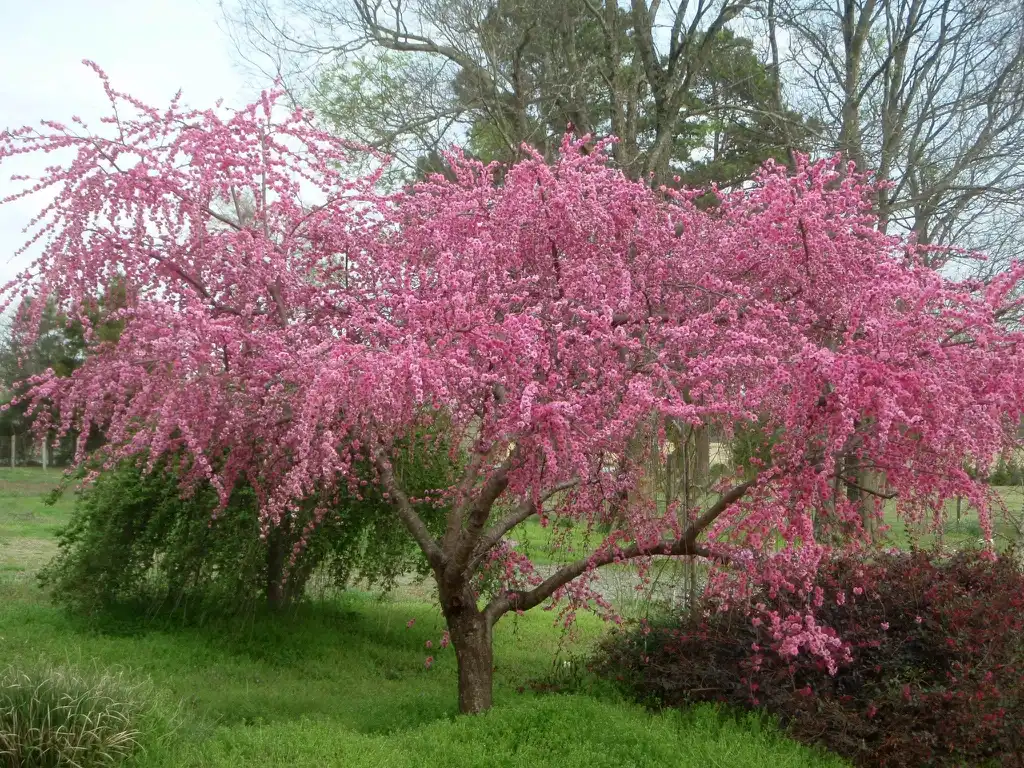
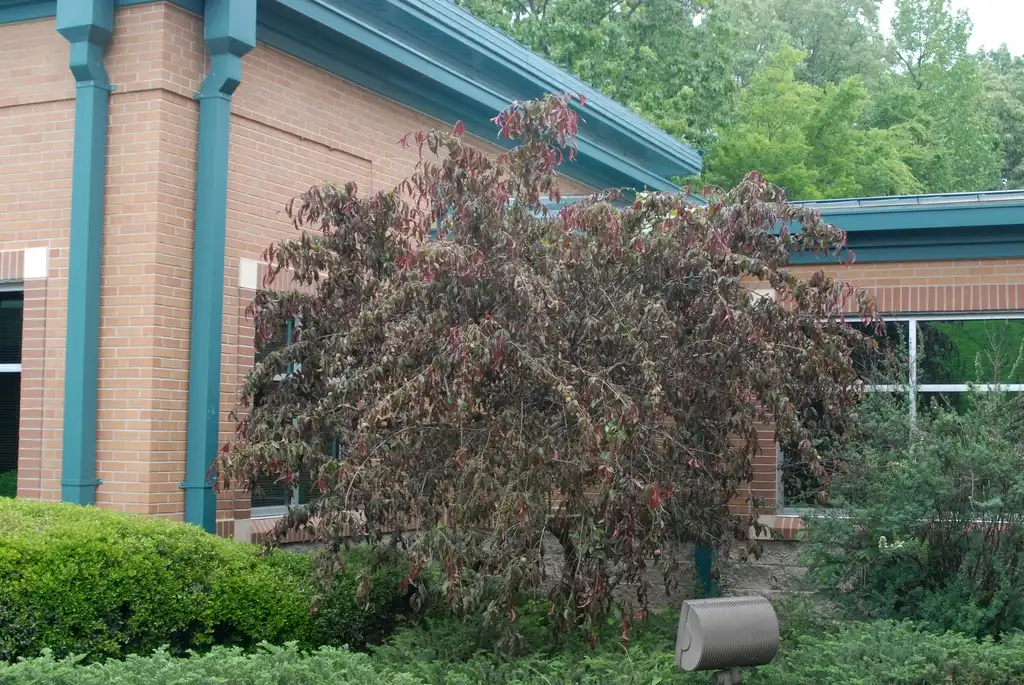
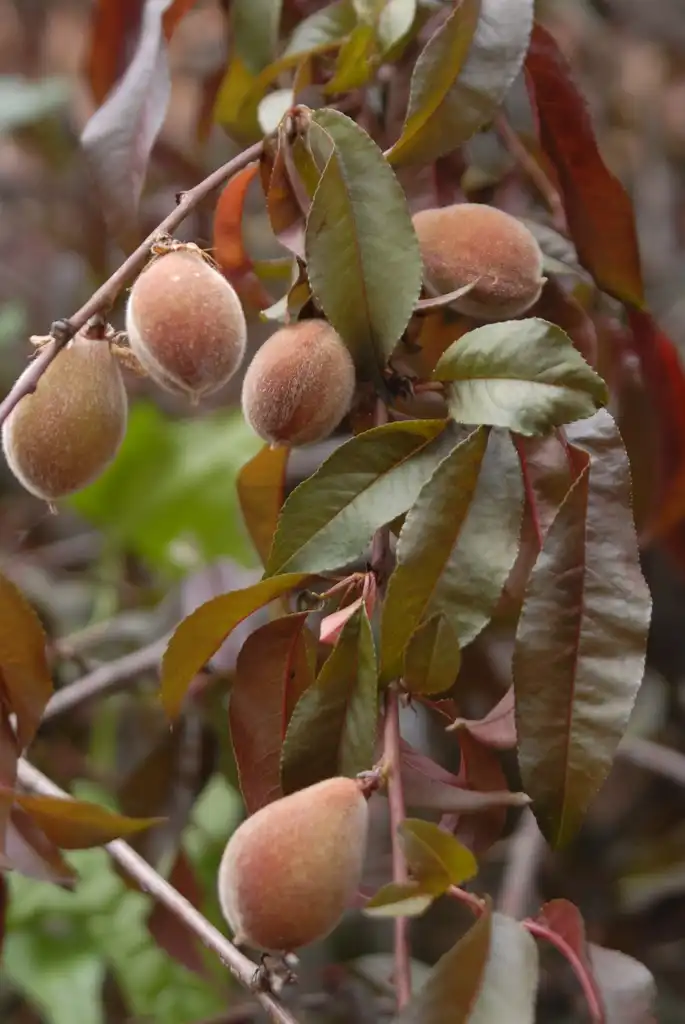
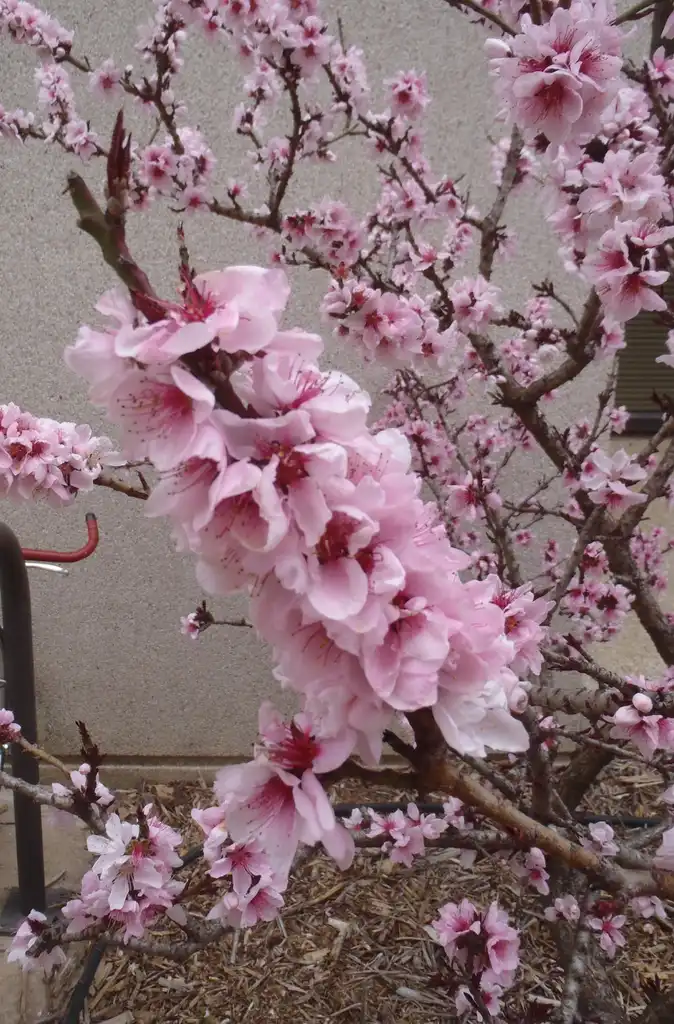
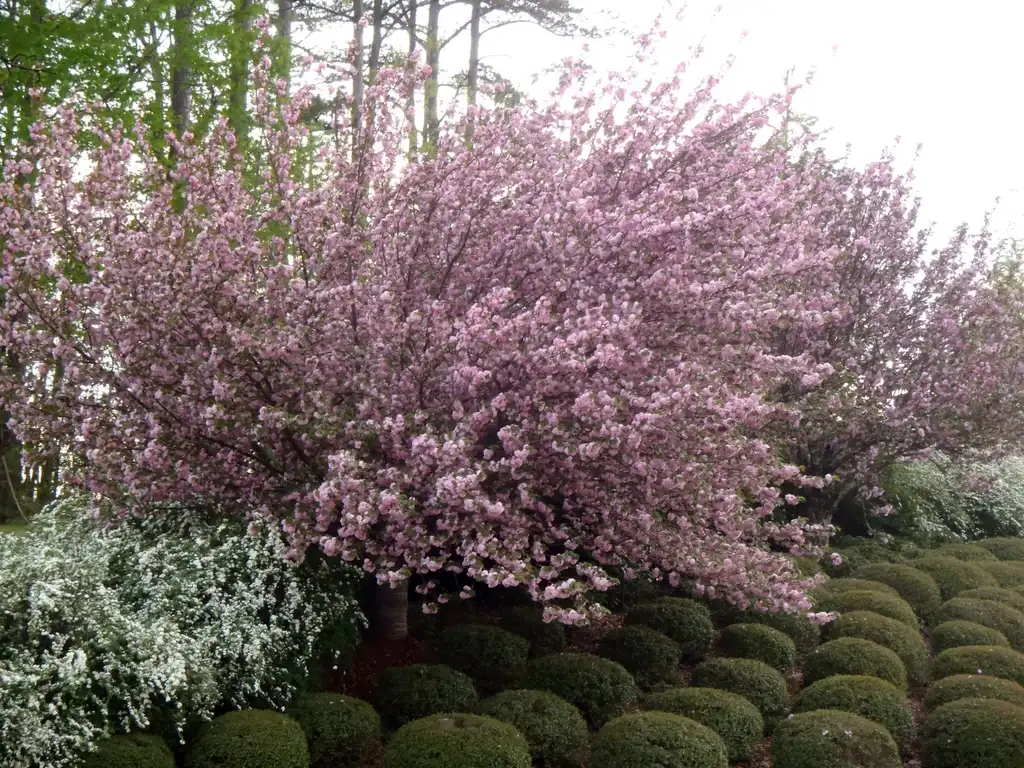
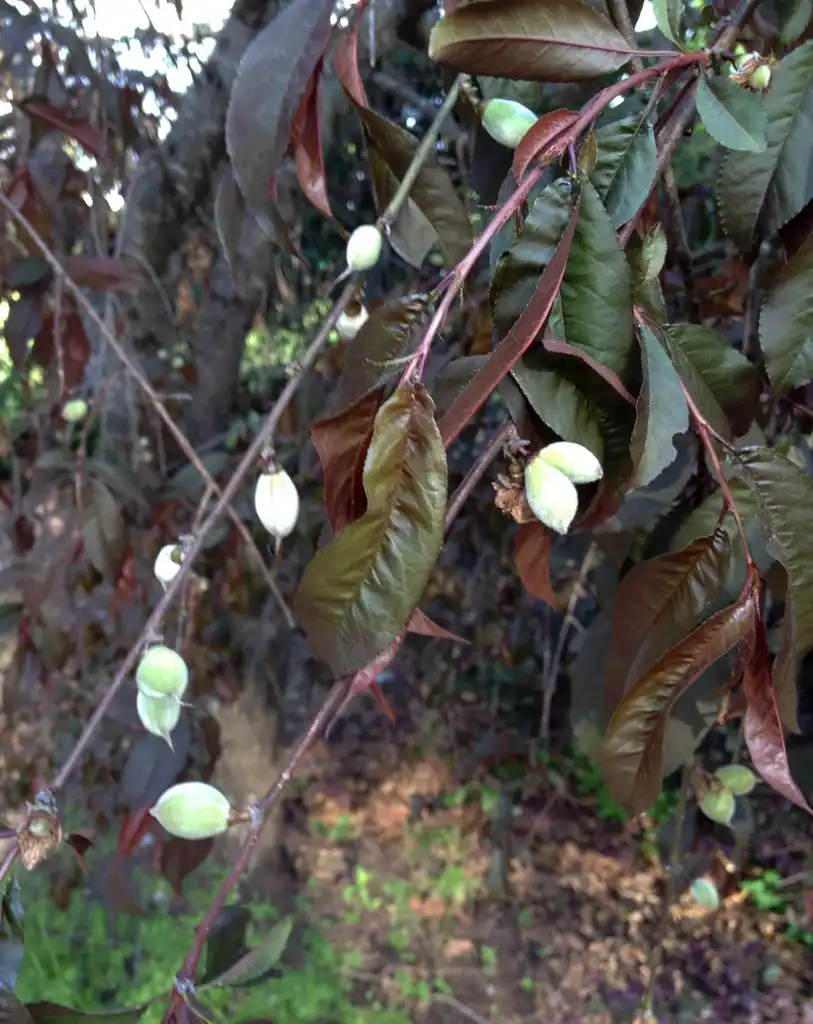
• Photo of Prunus persica (Prunus persicas)

Plant Profile: Prunus persica

Taxonomy: Prunus persica

Names

Nectarine, Peach

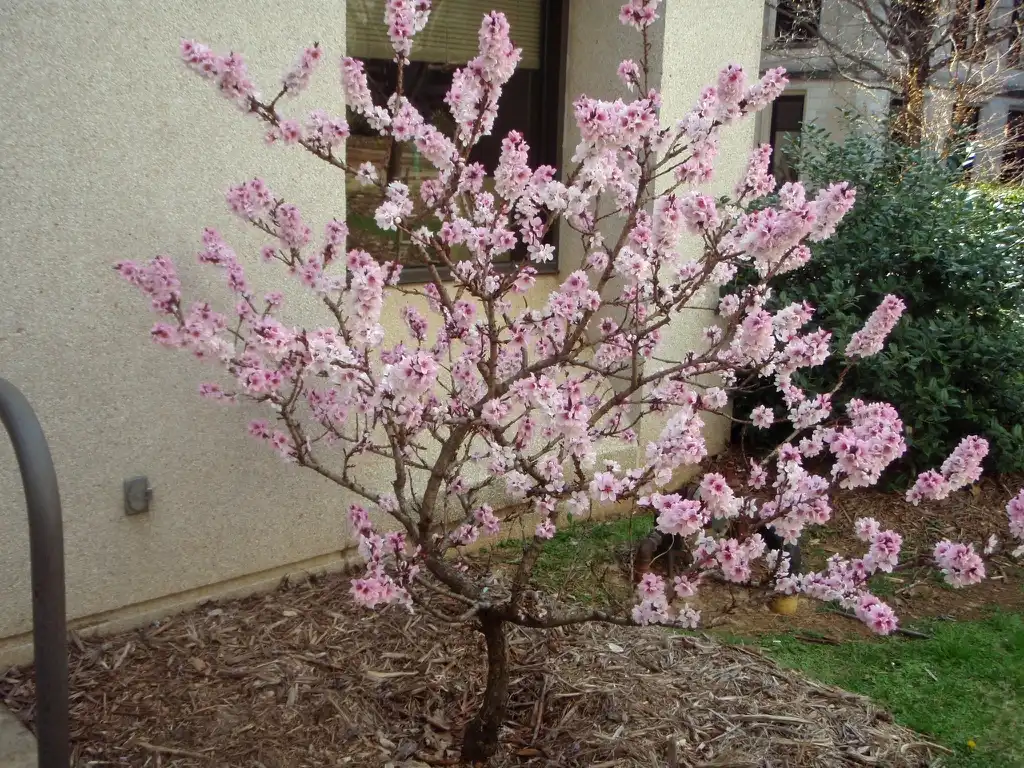
  • Photo of Prunus persica (Prunus persicas)

Phonetic Spelling:PROO-nus per-SE-kah

Genus:Prunus

Species:persica

Family:Rosaceae

A deciduous fruit tree featuring numerous cultivars that yield exceptional fruit.

**Pests, Diseases, and Other Plant Issues:** Vulnerable to peach tree borers.

**Toxic Parts:** Wilted leaves, stems, and seeds.

**Toxicity Transmission:** Through ingestion.

**Edibility:** The fruit can be consumed either raw or cooked.

**Toxicity Level:** HIGHLY TOXIC; ingestion can be FATAL!

**Habitat:** Commonly found in landscapes and orchards as a cultivated fruit tree.

Prunus persica Feature Summary

Prunus persica Image Gallery

Tags

#deciduous
#wildlife plant
#flowering tree
#fruit tree
#edible fruits
#edible garden
#fantz
#larval host plant
#edible
#fruits
#butterfly friendly
#problem for cats
#ebh
#ebh-fn
#pollinator garden
#problem for dogs
#problem for horses
#eastern tiger swallowtail butterfly

Similar Plants

Prunus persica Feature Summary

Attributes
This is a larval host plant to Eastern Tiger Swallowtail (Papilio glaucus). You may see three flights from February-November in the deep south and two flights from May-September in the north.
Fruit edible raw or cooked
Edible fruit
Fruit
juicy fleshy fruit in summer dark maroon with a large, rough pit (stone). Fruit edible raw or cooked
Flowers
White, pink, red flowers juicy fleshy fruit in summer dark maroon with a large, rough pit (stone)
Pink
White
Gold/Yellow
Red/Burgundy
Leaves
2 to 4 in. alternate, simple leaves, long-pointed, toothed on the margin, with 2 small glands at base of blade
1-3 inches
Poisonous to Humans
Gasping, weakness, excitement, pupil dilation, spasms, convulsions, coma, respiratory failure Stems, leaves, seeds contain cyanide, particularly toxic in the process of wilting: brick red mucous membranes, panting, shock.
Cyanogenic glycoside, amygdalin
Seeds
Leaves
Stems
Whole Plant Traits
Edible
Tree
Poisonous
Spreading
Open
Medium
Cultural Conditions
Full sun (6 or more hours of direct sunlight a day)
Good Drainage
5b
5a
6a
6b
7a
7b
8b
8a
9a
9b
Landscape
Butterfly Garden
Pollinator Garden
Butterflies
Pollinators
Problem for Cats
Problem for Dogs
Problem for Horses

Prunus persica Attributes

Prunus persica: Country Or Region Of Origin

China
Prunus persica: Wildlife Value

This is a larval host plant to Eastern Tiger Swallowtail (Papilio glaucus). You may see three flights from February-November in the deep south and two flights from May-September in the north.

Prunus persica: Edibility

Fruit edible raw or cooked

Prunus persica: Life Cycle

Annual
Biennial
Bulb
Perennial
Woody

Prunus persica: Play Value

Attractive Flowers
Attracts Pollinators
Buffer
Colorful
Defines Paths
Easy to Grow
Edible fruit
Fragrance
Pieces Used in Games
Screening
Shade
Sound
Textural
Wildlife Cover/Habitat
Wildlife Food Source
Wildlife Larval Host
Wildlife Nesting
Wind Break
Wind Shimmer

Prunus persica Fruit

Prunus persica: Fruit Description

juicy fleshy fruit in summer dark maroon with a large, rough pit (stone). Fruit edible raw or cooked

Prunus persica: Display/Harvest Time

Fall
Spring
Summer
Winter

Prunus persica Flowers

Prunus persica: Flower Description

White, pink, red flowers juicy fleshy fruit in summer dark maroon with a large, rough pit (stone)

Prunus persica: Flower Color

filter_vintage
Gold/Yellow
filter_vintage
Pink
filter_vintage
Red/Burgundy
filter_vintage
White

Prunus persica Leaves

Prunus persica: Leaf Description

2 to 4 in. alternate, simple leaves, long-pointed, toothed on the margin, with 2 small glands at base of blade

Prunus persica: Woody Plant Leaf Characteristics

Broadleaf Evergreen
Deciduous
Needled Evergreen
Semi-evergreen

Prunus persica: Leaf Color

spa
Green

Prunus persica: Leaf Type

Compound (Pinnately , Bipinnately, Palmately)
Fronds
Needles
Sheath
Simple

Prunus persica: Leaf Arrangement

Alternate
Opposite
Other/more complex
Rosulate
Whorled

Prunus persica: Hairs Present

No
Yes

Prunus persica: Leaf Length

< 1 inch
1-3 inches
3-6 inches
> 6 inches

Prunus persica Poisonous to Humans

Prunus persica: Poison Symptoms

Gasping, weakness, excitement, pupil dilation, spasms, convulsions, coma, respiratory failure Stems, leaves, seeds contain cyanide, particularly toxic in the process of wilting: brick red mucous membranes, panting, shock.

Prunus persica: Poison Toxic Principle

Cyanogenic glycoside, amygdalin

Prunus persica: Poison Severity

High
Low
Medium

Prunus persica: Causes Contact Dermatitis

No
Yes

Prunus persica: Poison Part

Bark
Flowers
Fruits
Leaves
Roots
Sap/Juice
Seeds
Stems

Prunus persica Whole Plant Traits

Prunus persica: Plant Type

Annual
Bulb
Carnivorous
Edible
Epiphyte
Fern
Ground Cover
Herb
Herbaceous Perennial
Houseplant
Mushroom
Native Plant
Ornamental Grasses and Sedges
Perennial
Poisonous
Rose
Shrub
Succulent
Tree
Turfgrass
Vegetable
Vine
Water Plant
Weed
Wildflower

Prunus persica: Woody Plant Leaf Characteristics

Broadleaf Evergreen
Deciduous
Needled Evergreen
Semi-evergreen

Prunus persica: Habit/Form

Arching
Ascending
Broad
Cascading
Climbing
Clumping
Columnar
Conical
Creeping
Dense
Erect
Horizontal
Irregular
Mounding
Multi-stemmed
Multi-trunked
Open
Oval
Prostrate
Pyramidal
Rounded
Spreading
Vase
Weeping

Prunus persica: Growth Rate

Slow
Medium
Rapid

Prunus persica: Texture

Fine
Medium
Coarse

Prunus persica Cultural Conditions

Prunus persica: Light

Dappled Sunlight (Shade through upper canopy all day)
Deep shade (Less than 2 hours to no direct sunlight)
Full sun (6 or more hours of direct sunlight a day)
Partial Shade (Direct sunlight only part of the day, 2-6 hours)

Prunus persica: Soil Drainage

Frequent Standing Water
Good Drainage
Moist
Occasional Flooding
Occasionally Dry
Occasionally Wet
Very Dry

Prunus persica: USDA Plant Hardiness Zone

thermostat
5a
thermostat
5b
thermostat
6a
thermostat
6b
thermostat
7a
thermostat
7b
thermostat
8a
thermostat
8b
thermostat
9a
thermostat
9b

Prunus persica Stem

Prunus persica: Stem Is Aromatic

No
Yes

Prunus persica Landscape

Prunus persica: Landscape Theme

Asian Garden
Butterfly Garden
Children's Garden
Cottage Garden
Cutting Garden
Drought Tolerant Garden
Edible Garden
English Garden
Fairy Garden
Garden for the Blind
Native Garden
Nighttime Garden
Pollinator Garden
Rain Garden
Rock Garden
Shade Garden
Water Garden
Winter Garden

Prunus persica: Attracts

Bats
Bees
Butterflies
Frogs
Hummingbirds
Moths
Pollinators
Predatory Insects
Reptiles
Small Mammals
Songbirds
Specialized Bees

Prunus persica: Problems

Allelopathic
Contact Dermatitis
Frequent Disease Problems
Frequent Insect Problems
Invasive Species
Malodorous
Messy
Poisonous to Humans
Problem for Cats
Problem for Children
Problem for Dogs
Problem for Horses
Short-lived
Spines/Thorns
Weak Wood
Weedy