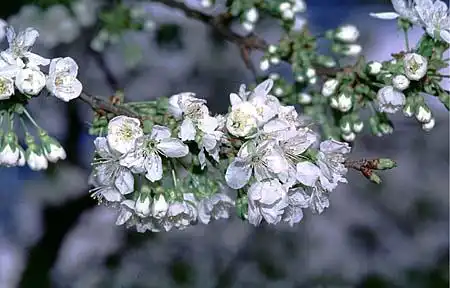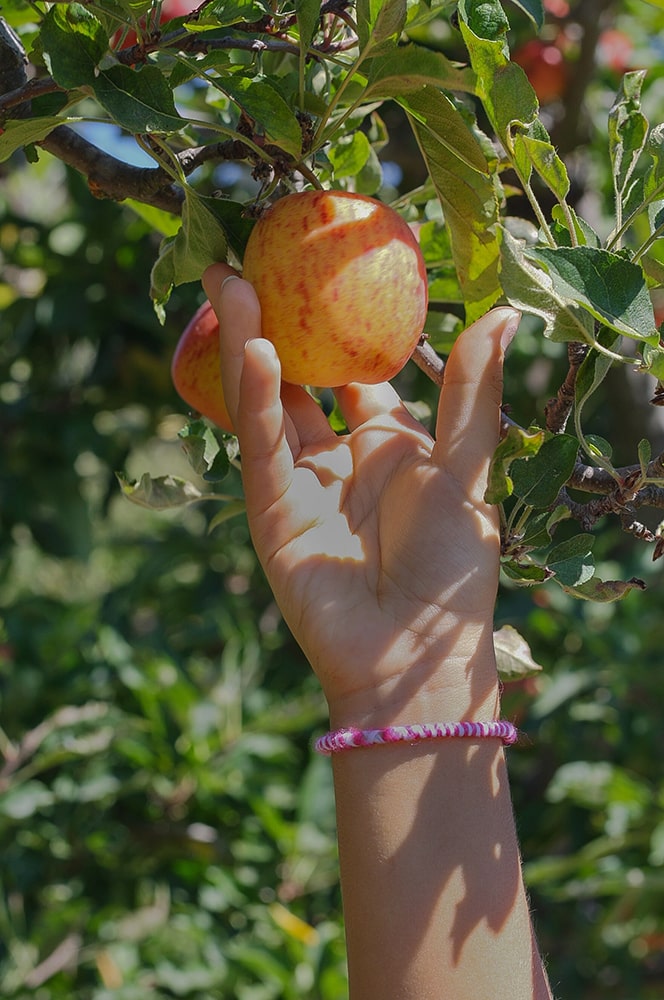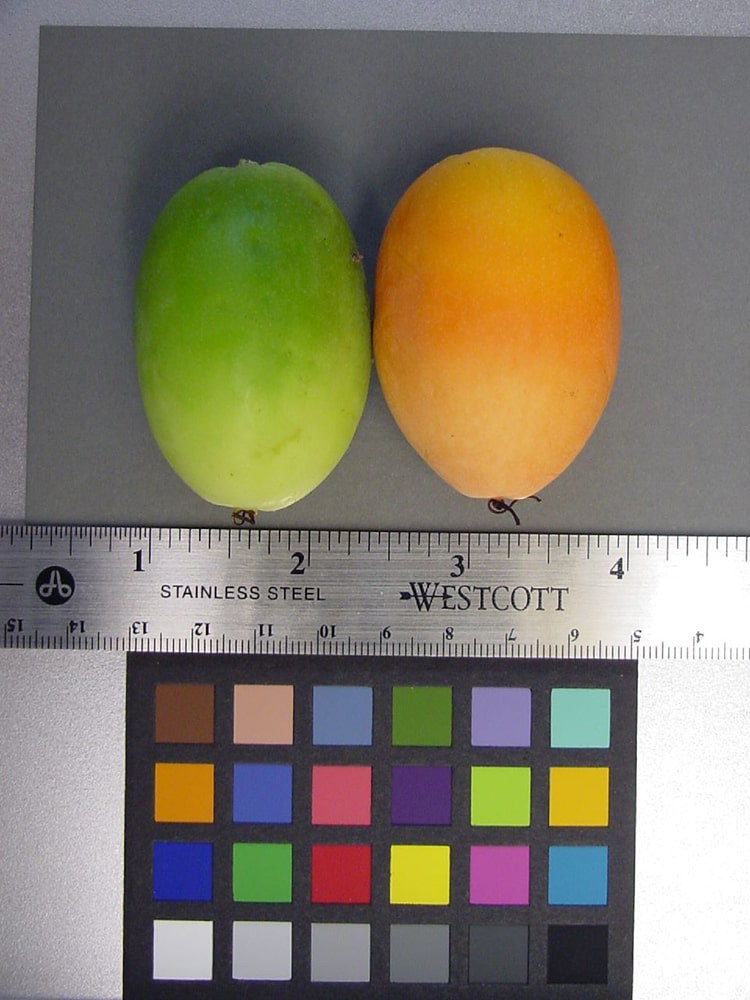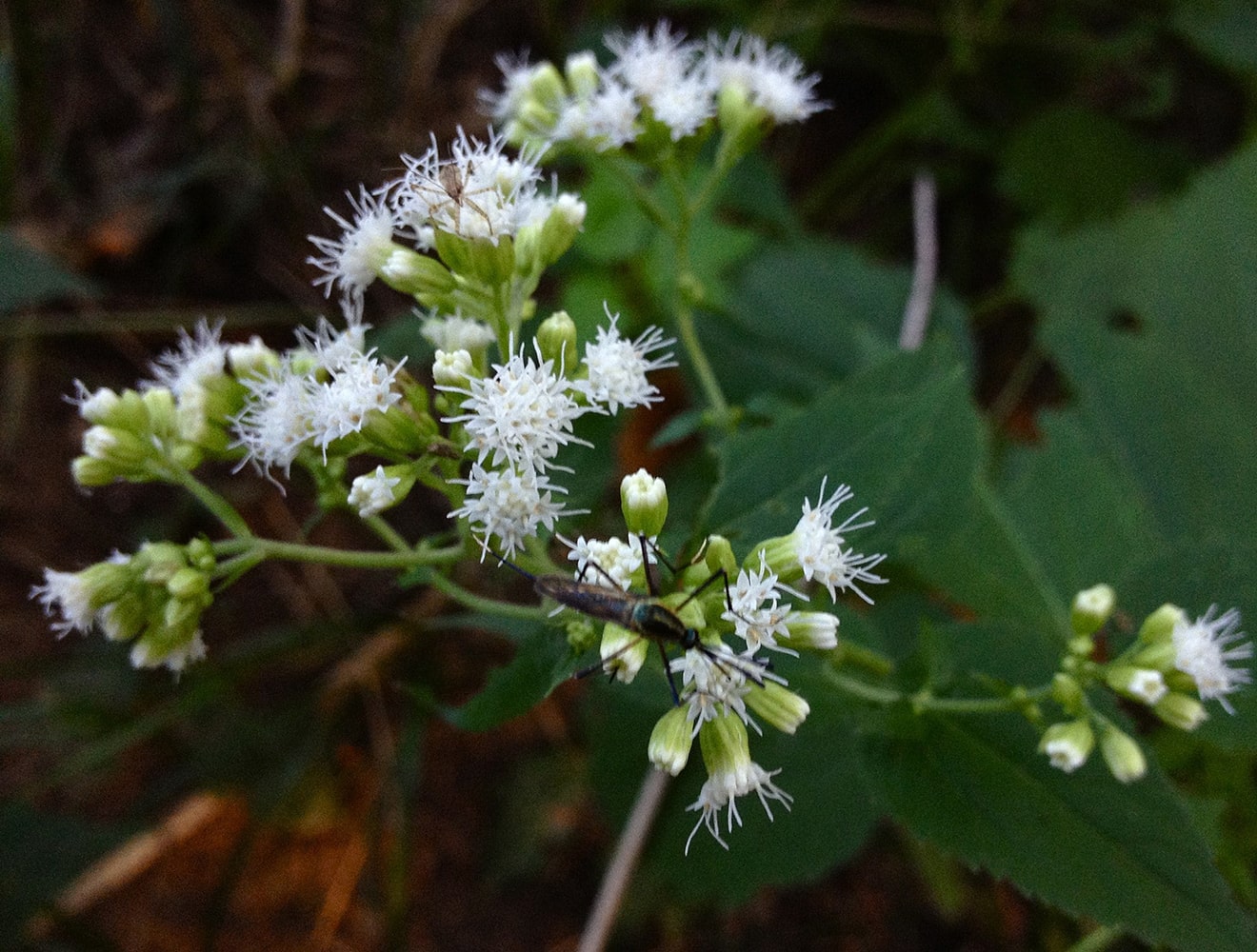
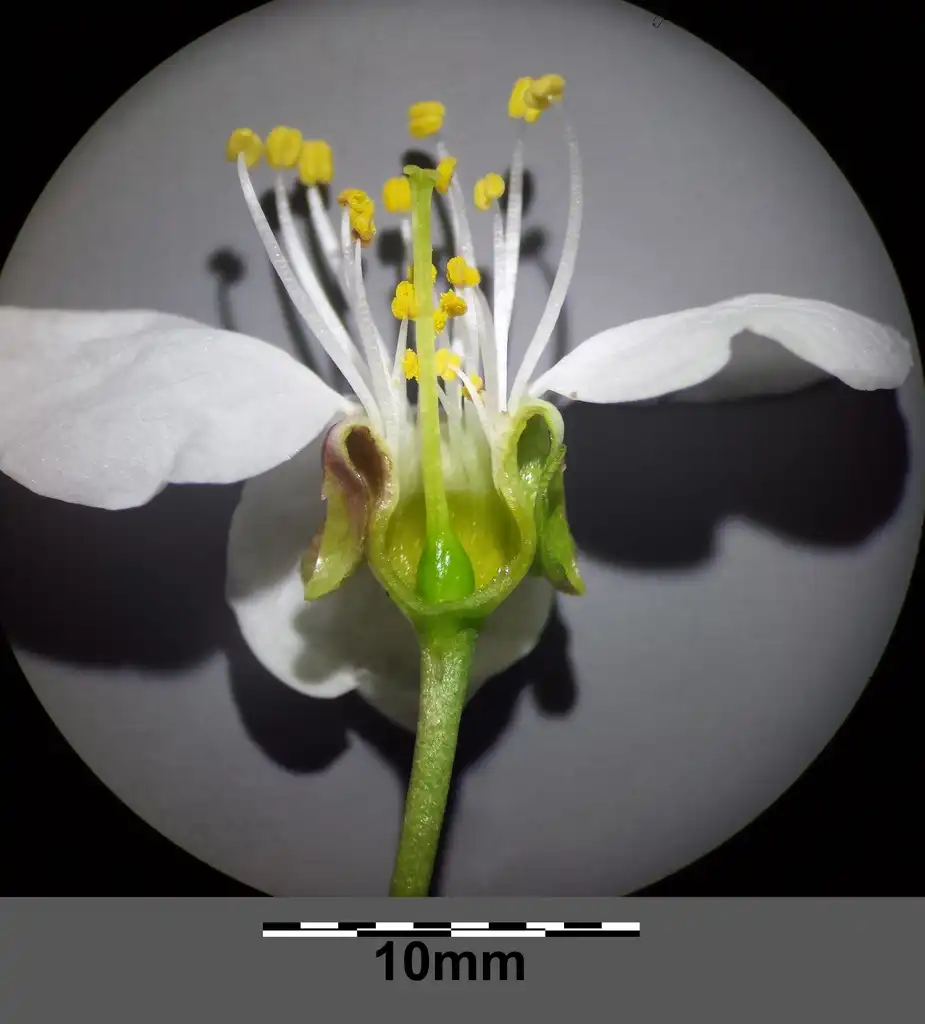
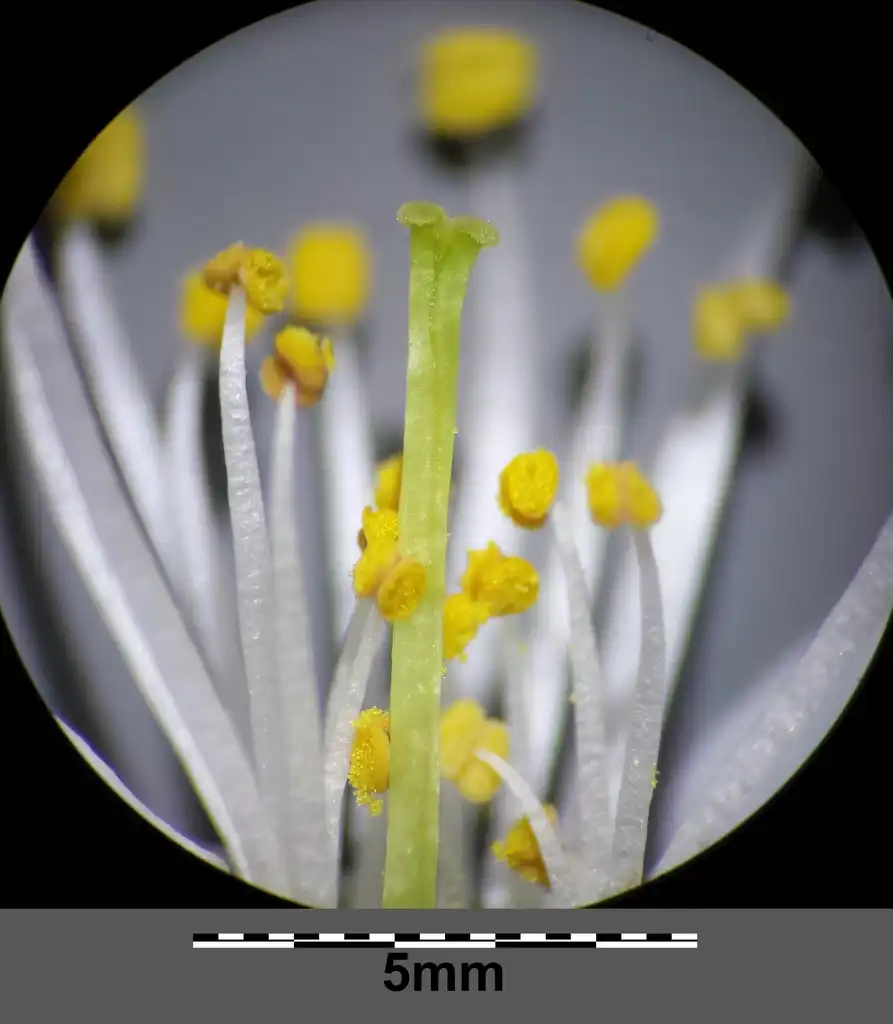
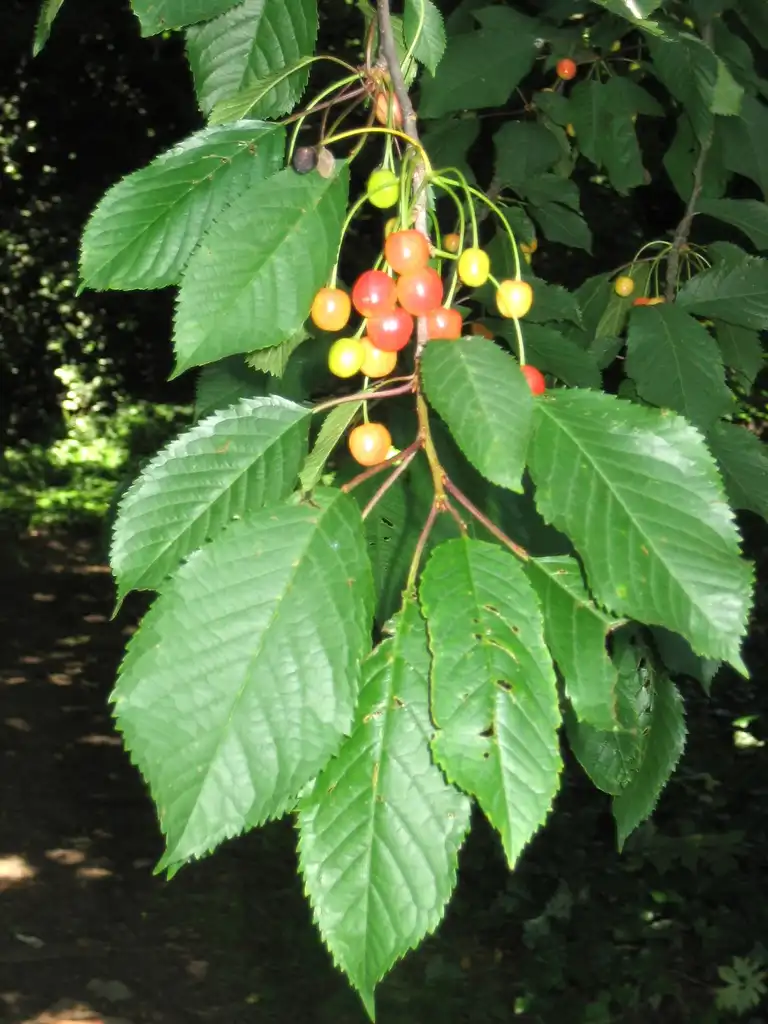
• Photo of Prunus avium (Prunus aviums)

Plant Profile: Prunus avium

Taxonomy: Prunus avium

Names

Sweet Cherry

  • Photo of Prunus avium (Prunus aviums)

Phonetic Spelling:PROO-nus AH-vee-um

Genus:Prunus

Species:avium

Family:Rosaceae

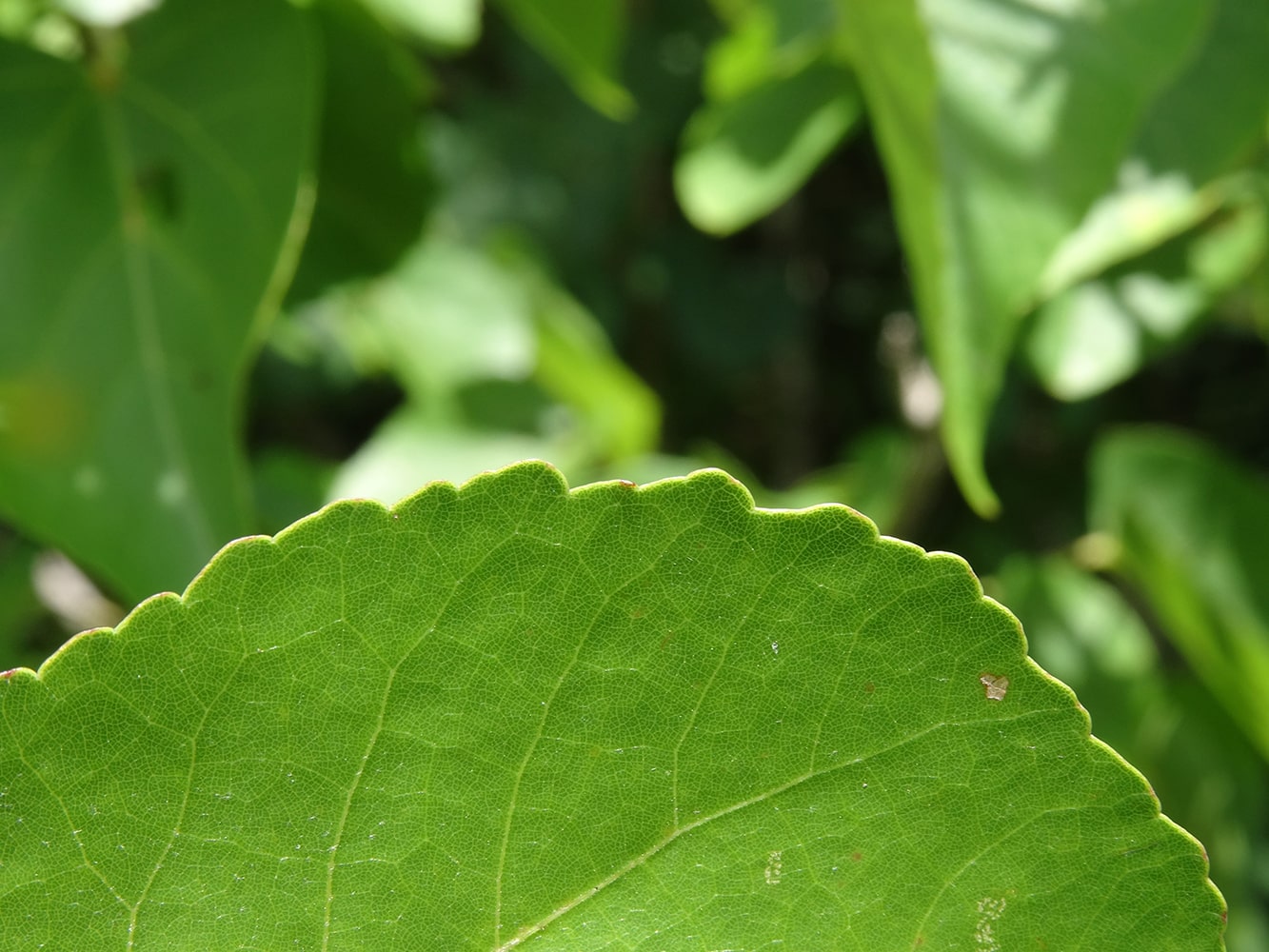
Prunus avium, commonly known as the sweet cherry tree, is a deciduous species often found in landscaped areas. Its leaves are arranged alternately, are simple in structure, and feature serrated edges, with two small glands located at the base of each leaf blade. The tree produces a few to several flowers that cluster together, characterized by their rounded shape and five white petals. The resulting fruit is a fleshy drupe, which can be yellow or red and contains a large pit. Occasionally, this tree has escaped cultivation and become naturalized in the wild.

**Toxic Parts:** Wilted leaves, twigs, and seeds.

**Mode of Toxicity:** Ingestion.

**Edibility:** The fruit is safe to eat, whether raw or cooked.

**Toxicity Level:** Highly toxic; consumption can be fatal!

**Habitat:** Typically found as a cultivated tree in landscapes, it rarely escapes cultivation to establish itself in the wild.

Prunus avium Feature Summary

Prunus avium Image Gallery

Tags

#poisonous
#wildlife plant
#fruit tree
#edible fruits
#larval host plant
#edible
#butterfly friendly
#problem for cats
#ebh
#ebh-fn
#pollinator garden
#problem for dogs
#problem for horses
#eastern tiger swallowtail butterfly

Similar Plants

Prunus avium Feature Summary

Attributes
Europe to Afghanistan, Northern Africa
This is a larval host plant to Eastern Tiger Swallowtail (Papilio glaucus). You may see three flights from February-November in the deep south and two flights from May-September in the north.
EDIBLE PARTS: Fruit edible raw or cooked.
Edible fruit
Fruit
Fleshy, yellow to red to purple-red, with a large pit (stone) and long stem.
Red/Burgundy
Purple/Lavender
Gold/Yellow
< 1 inch
Flowers
1-few in a rounded cluster, 5-parted, 1-1.5 in. Emerge with the leaves.
4-5 petals/rays
1-3 inches
Leaves
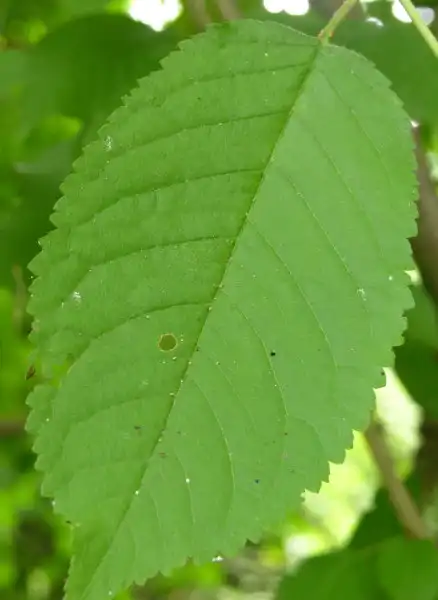
Toothed on the margin with 2 small red or green glands at the base of the blade. Petiole has a groove.
Elliptical
1-3 inches
1-3 inches
Bark
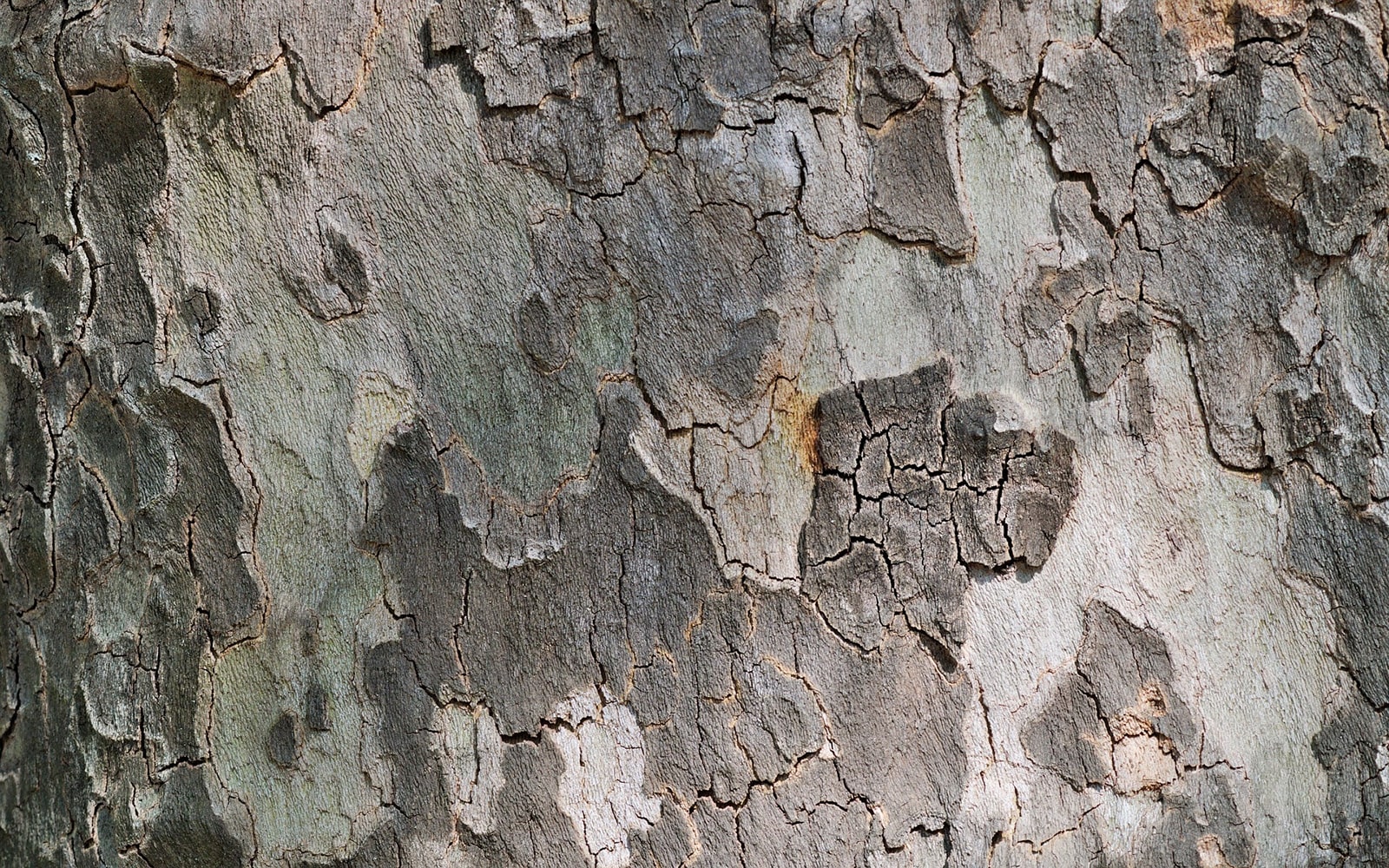
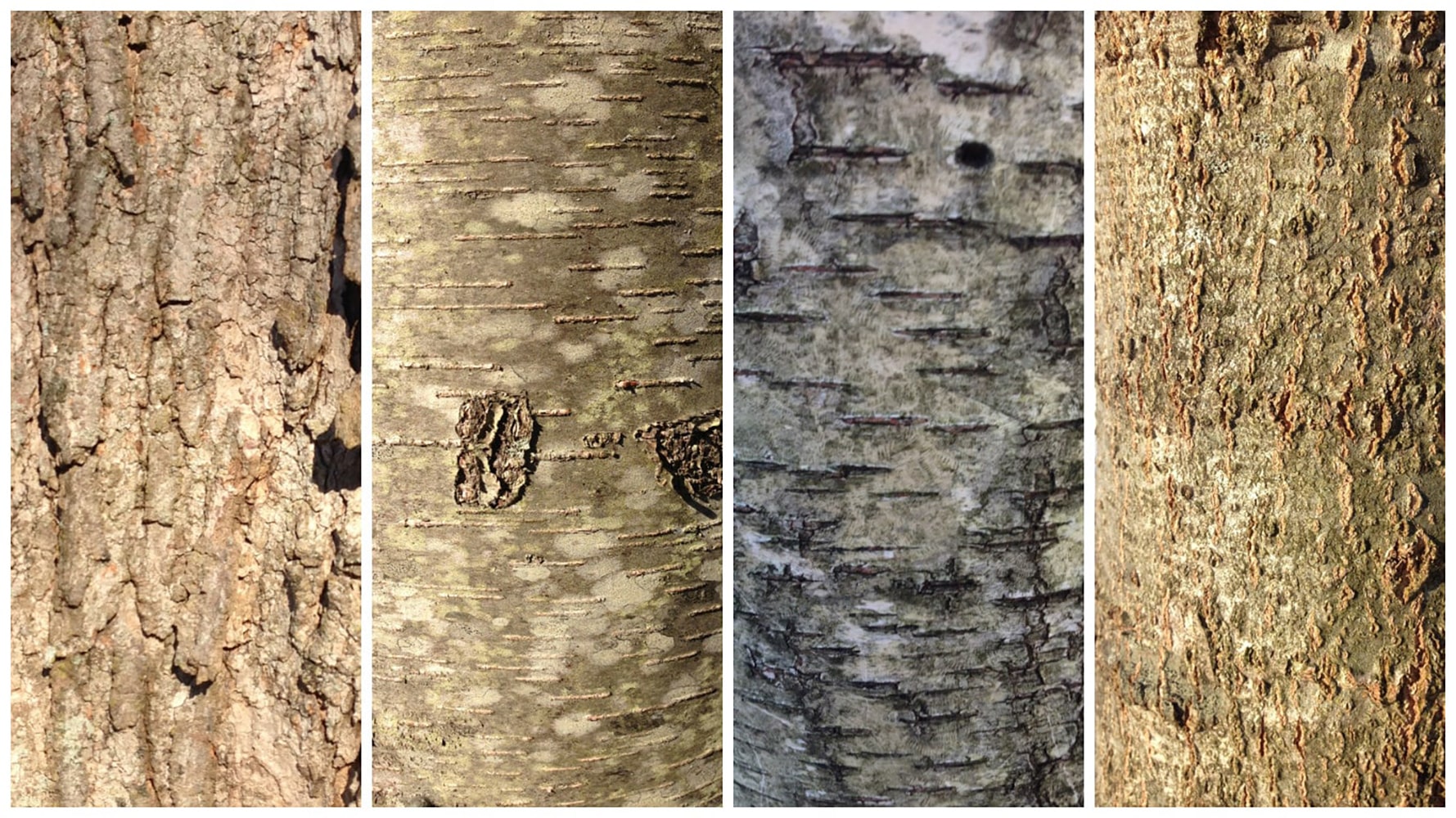
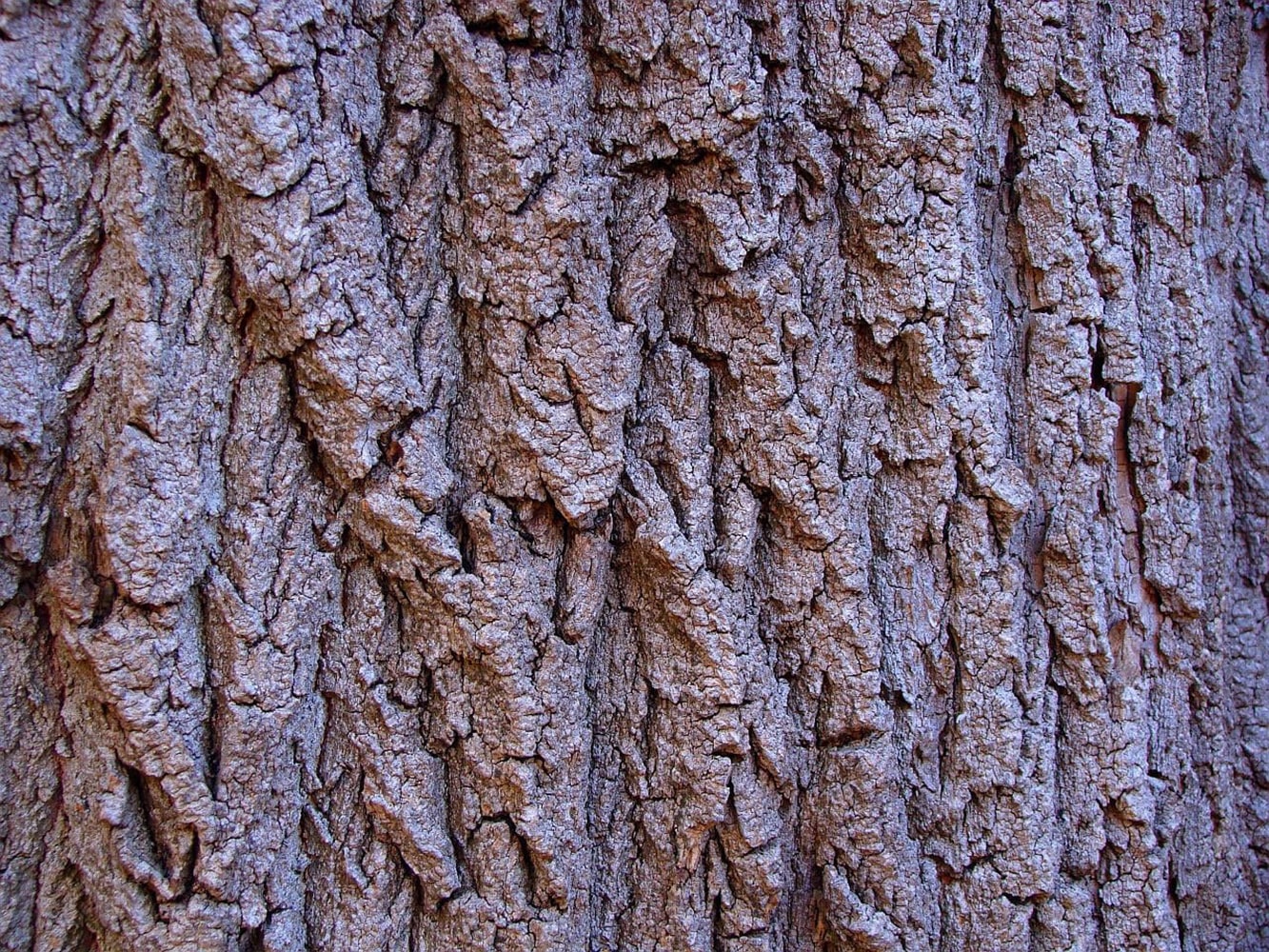
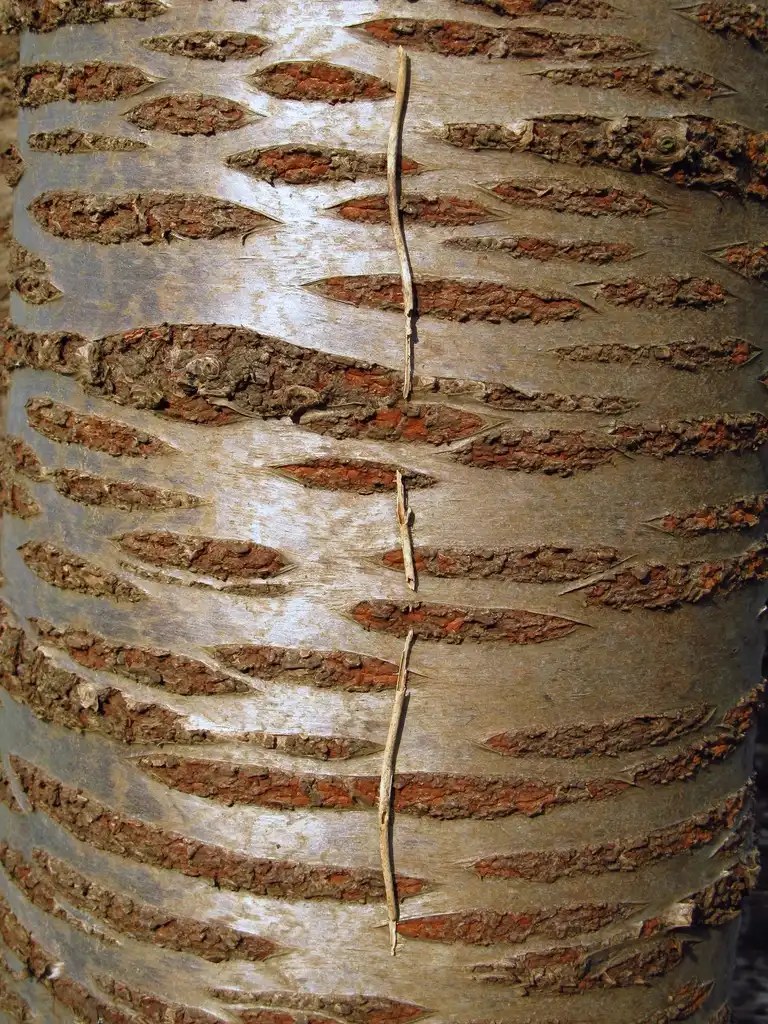
Very distinct horizontal lenticels. Old wood may be grey with horizontal ridges.
Light Gray
Dark Brown
Red/Burgundy
Ridges
Lenticels
Poisonous to Humans
HIGHLY TOXIC, MAY BE FATAL IF EATEN! Gasping, weakness, excitement, pupil dilation, spasms, convulsions, coma, and respiratory failure. Laetrile from the seeds is a dangerous, controversial treatment for cancer. Stems, leaves, seeds contain cyanide, particularly toxic in the process of wilting: brick red mucous membranes, panting, shock.
Cyanogenic glycoside, amygdalin
Seeds
Leaves
Stems
Whole Plant Traits
Edible
Tree
Poisonous
Columnar
Conical
Stem
Brown/Copper
Red/Burgundy
Landscape
Edible Garden
Butterfly Garden
Pollinator Garden
Flowering Tree
Butterflies
Pollinators
Poisonous to Humans
Problem for Cats
Problem for Dogs
Problem for Horses

Prunus avium Attributes

Prunus avium: Country Or Region Of Origin

Europe to Afghanistan, Northern Africa
Prunus avium: Wildlife Value

This is a larval host plant to Eastern Tiger Swallowtail (Papilio glaucus). You may see three flights from February-November in the deep south and two flights from May-September in the north.

Prunus avium: Edibility

EDIBLE PARTS: Fruit edible raw or cooked.

Prunus avium: Life Cycle

Annual
Biennial
Bulb
Perennial
Woody

Prunus avium: Play Value

Attractive Flowers
Attracts Pollinators
Buffer
Colorful
Defines Paths
Easy to Grow
Edible fruit
Fragrance
Pieces Used in Games
Screening
Shade
Sound
Textural
Wildlife Cover/Habitat
Wildlife Food Source
Wildlife Larval Host
Wildlife Nesting
Wind Break
Wind Shimmer

Prunus avium Fruit

Prunus avium: Fruit Description

Fleshy, yellow to red to purple-red, with a large pit (stone) and long stem.
Prunus avium: Fruit Type

Achene
Aggregate
Berry
Capsule
Caryopsis
Drupe
Follicle
Legume
Nut
Pome
Samara
Schizocarp
Siliqua

Prunus avium: Fruit Color

grass
Gold/Yellow
grass
Purple/Lavender
grass
Red/Burgundy

Prunus avium: Fruit Value To Gardener

Edible
Fragrant
Good Cut
Good Dried
Long Bloom Season
Long-lasting
Showy

Prunus avium: Fruit Length

< 1 inch
1-3 inches
> 3 inches

Prunus avium: Fruit Width

< 1 inch
1-3 inches
> 3 inches

Prunus avium Flowers

Prunus avium: Flower Description

1-few in a rounded cluster, 5-parted, 1-1.5 in. Emerge with the leaves.

Prunus avium: Flower Color

filter_vintage
White

Prunus avium: Flower Value To Gardener

Edible
Fragrant
Good Cut
Good Dried
Long Bloom Season
Long-lasting
Showy

Prunus avium: Flower Bloom Time

Winter
Spring
Summer
Fall

Prunus avium: Flower Petals

2-3 rays/petals
4-5 petals/rays
6 petals/rays
7 - 20 petals/rays
asymmetrical petals
Bracts
Colored Sepals
fused petals
more than 20 petals/rays
Tepals

Prunus avium: Flower Size

1-3 inches
3-6 inches
< 1 inch
> 6 inches

Prunus avium Leaves

Prunus avium: Leaf Description

Toothed on the margin with 2 small red or green glands at the base of the blade. Petiole has a groove.

Prunus avium: Woody Plant Leaf Characteristics

Broadleaf Evergreen
Deciduous
Needled Evergreen
Semi-evergreen

Prunus avium: Leaf Color

spa
Green

Prunus avium: Leaf Type

Compound (Pinnately , Bipinnately, Palmately)
Fronds
Needles
Sheath
Simple

Prunus avium: Leaf Arrangement

Alternate
Opposite
Other/more complex
Rosulate
Whorled

Prunus avium: Leaf Shape

Acicular
Auriculate
Cordate
Cuneate
Deltoid
Elliptical
Filiform
Lanceolate
Linear
Oblanceolate
Oblong
Obovate
Obtuse
Orbicular
Ovate
Palmasect
Palmatifid
Peltate
Pinnatifid
Pinnatisect
Reniform
Rhomboidal
Spatulate
Subcordate
Subulate

Prunus avium: Leaf Margin

Crenate
Crenulate
Dentate
Denticulate
Doubly Crenate
Doubly Dentate
Doubly Serrate
Entire
Lobed
Serrate
Sinuate
Undulate

Prunus avium: Hairs Present

No
Yes

Prunus avium: Leaf Length

< 1 inch
1-3 inches
3-6 inches
> 6 inches

Prunus avium: Leaf Width

< 1 inch
1-3 inches
3-6 inches
> 6 inches

Prunus avium Bark

Prunus avium: Bark Description

Very distinct horizontal lenticels. Old wood may be grey with horizontal ridges.

Prunus avium: Bark Color

grass
Dark Brown
grass
Light Gray
grass
Red/Burgundy

Prunus avium: Surface/Attachment

Bumpy
Exfoliating
Fissured
Furrowed
Lenticels
Papery
Patchy
Peeling
Ridges
Scaly
Shaggy
Shiny
Shredding
Smooth
Spongy

Prunus avium Poisonous to Humans

Prunus avium: Poison Symptoms

HIGHLY TOXIC, MAY BE FATAL IF EATEN! Gasping, weakness, excitement, pupil dilation, spasms, convulsions, coma, and respiratory failure. Laetrile from the seeds is a dangerous, controversial treatment for cancer. Stems, leaves, seeds contain cyanide, particularly toxic in the process of wilting: brick red mucous membranes, panting, shock.

Prunus avium: Poison Toxic Principle

Cyanogenic glycoside, amygdalin

Prunus avium: Poison Severity

High
Low
Medium

Prunus avium: Causes Contact Dermatitis

No
Yes

Prunus avium: Poison Part

Bark
Flowers
Fruits
Leaves
Roots
Sap/Juice
Seeds
Stems

Prunus avium Whole Plant Traits

Prunus avium: Plant Type

Annual
Bulb
Carnivorous
Edible
Epiphyte
Fern
Ground Cover
Herb
Herbaceous Perennial
Houseplant
Mushroom
Native Plant
Ornamental Grasses and Sedges
Perennial
Poisonous
Rose
Shrub
Succulent
Tree
Turfgrass
Vegetable
Vine
Water Plant
Weed
Wildflower

Prunus avium: Woody Plant Leaf Characteristics

Broadleaf Evergreen
Deciduous
Needled Evergreen
Semi-evergreen

Prunus avium: Habit/Form

Arching
Ascending
Broad
Cascading
Climbing
Clumping
Columnar
Conical
Creeping
Dense
Erect
Horizontal
Irregular
Mounding
Multi-stemmed
Multi-trunked
Open
Oval
Prostrate
Pyramidal
Rounded
Spreading
Vase
Weeping

Prunus avium Stem

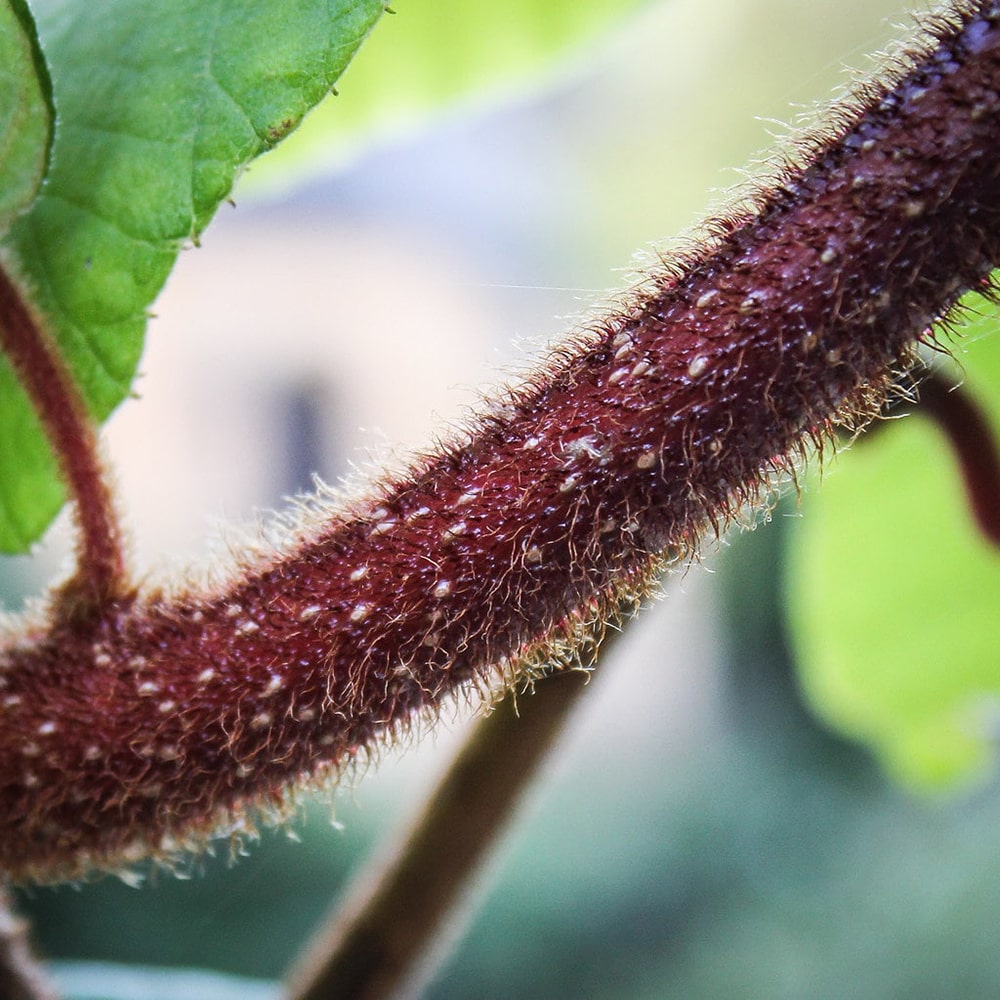
Prunus avium: Stem Color

grass
Brown/Copper
grass
Red/Burgundy

Prunus avium: Stem Is Aromatic

No
Yes

Prunus avium Landscape

Prunus avium: Landscape Theme

Asian Garden
Butterfly Garden
Children's Garden
Cottage Garden
Cutting Garden
Drought Tolerant Garden
Edible Garden
English Garden
Fairy Garden
Garden for the Blind
Native Garden
Nighttime Garden
Pollinator Garden
Rain Garden
Rock Garden
Shade Garden
Water Garden
Winter Garden

Prunus avium: Design Feature

Accent
Barrier
Border
Flowering Tree
Foundation Planting
Hedge
Mass Planting
Screen/Privacy
Security
Shade Tree
Small groups
Small Tree
Specimen
Street Tree
Understory Tree

Prunus avium: Attracts

Bats
Bees
Butterflies
Frogs
Hummingbirds
Moths
Pollinators
Predatory Insects
Reptiles
Small Mammals
Songbirds
Specialized Bees

Prunus avium: Problems

Allelopathic
Contact Dermatitis
Frequent Disease Problems
Frequent Insect Problems
Invasive Species
Malodorous
Messy
Poisonous to Humans
Problem for Cats
Problem for Children
Problem for Dogs
Problem for Horses
Short-lived
Spines/Thorns
Weak Wood
Weedy