Plant Profile: Ficus neriifolia

Names

Willow Leaf Fig, Willow-leaf Fig

  • Photo of Ficus neriifolia (Ficus neriifolias)

Phonetic Spelling:

Genus:Ficus

Species:neriifolia

Family:Moraceae

The Willow-leaf fig is an evergreen species indigenous to China and the Himalayas. In its natural subtropical environment, it can reach heights of up to 50 feet, although it is frequently cultivated as a bonsai indoors.

To ensure its health, place it in a bright, warm area and maintain consistent moisture levels. This tree responds well to pruning and can be easily shaped to fit various designs.

It is commonly marketed under the incorrect name, F. nerifolia. Although the larger variant, F. gasparriniana var. laceratifolia, is now recognized as the same species, it is often sold as a distinct plant due to its more substantial size and unique leaves and fruits.

Ficus neriifolia Feature Summary

Ficus neriifolia Image Gallery

Tags

#small tree
#houseplant
#bonsai
#interiorscape
#evergreen tree
#pruning tolerant
#container plants

Similar Plants

Ficus neriifolia is often confused with:

Ficus neriifolia Feature Summary

Attributes
Fruit
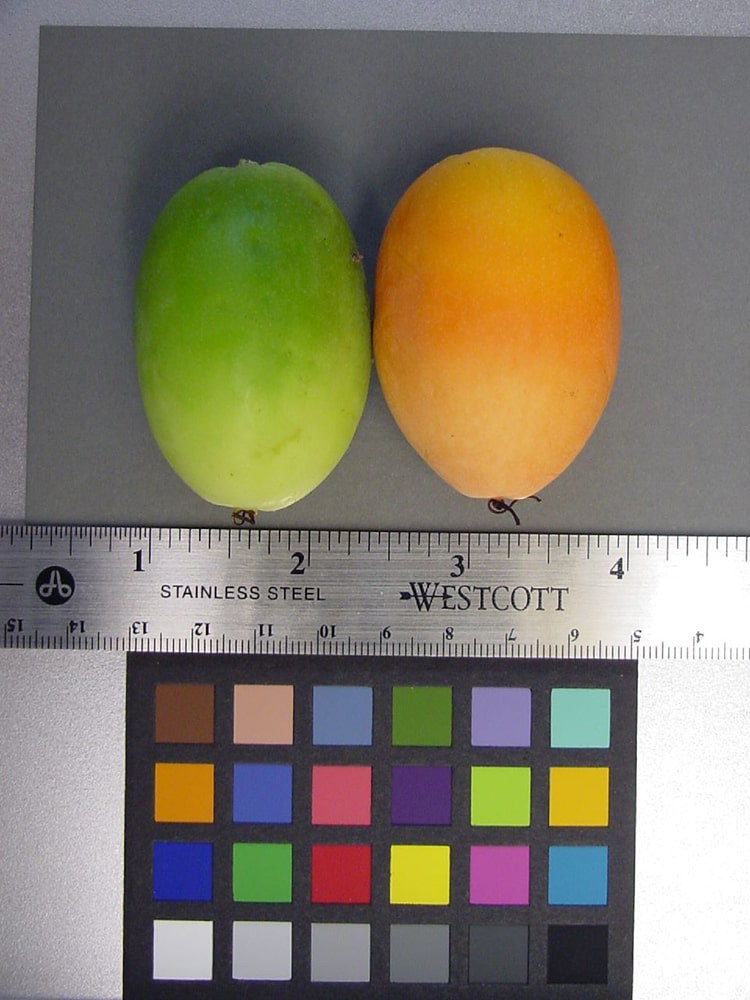
The fruit develops from the same structure the flowers are held in. They are green and ovoid, often growing in pairs.
> 3 inches
> 3 inches
Flowers
Like other Ficus species, the flower is inverted. The reproductive structures are located within the teardrop shape.
< 1 inch
Leaves
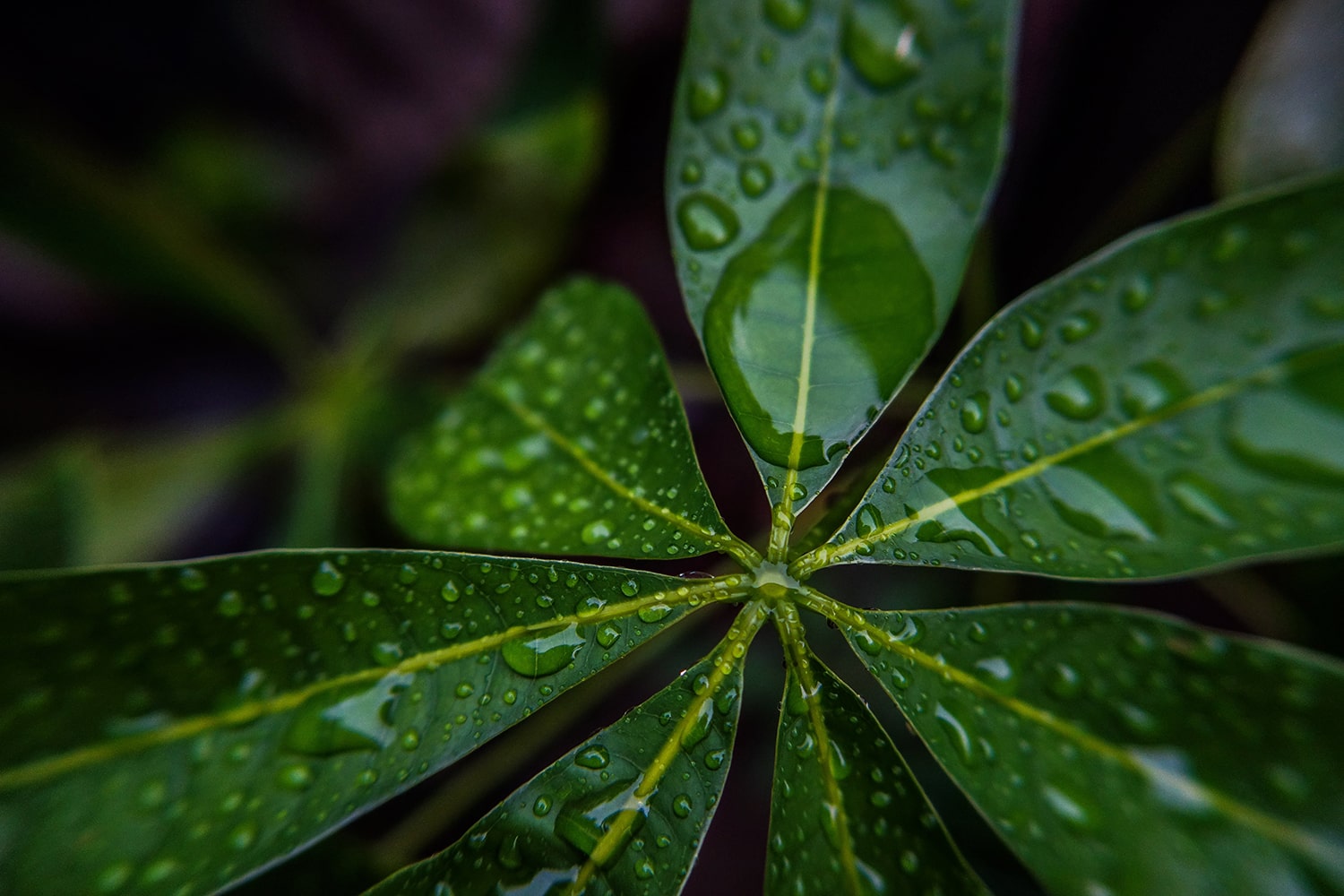
The long willow-like leaves are between 3.25 and 7 inches long and 1 to 2.5 inches wide. They are often asymmetrical in shape.
Elliptical
Lanceolate
3-6 inches
Leathery
1-3 inches
Bark
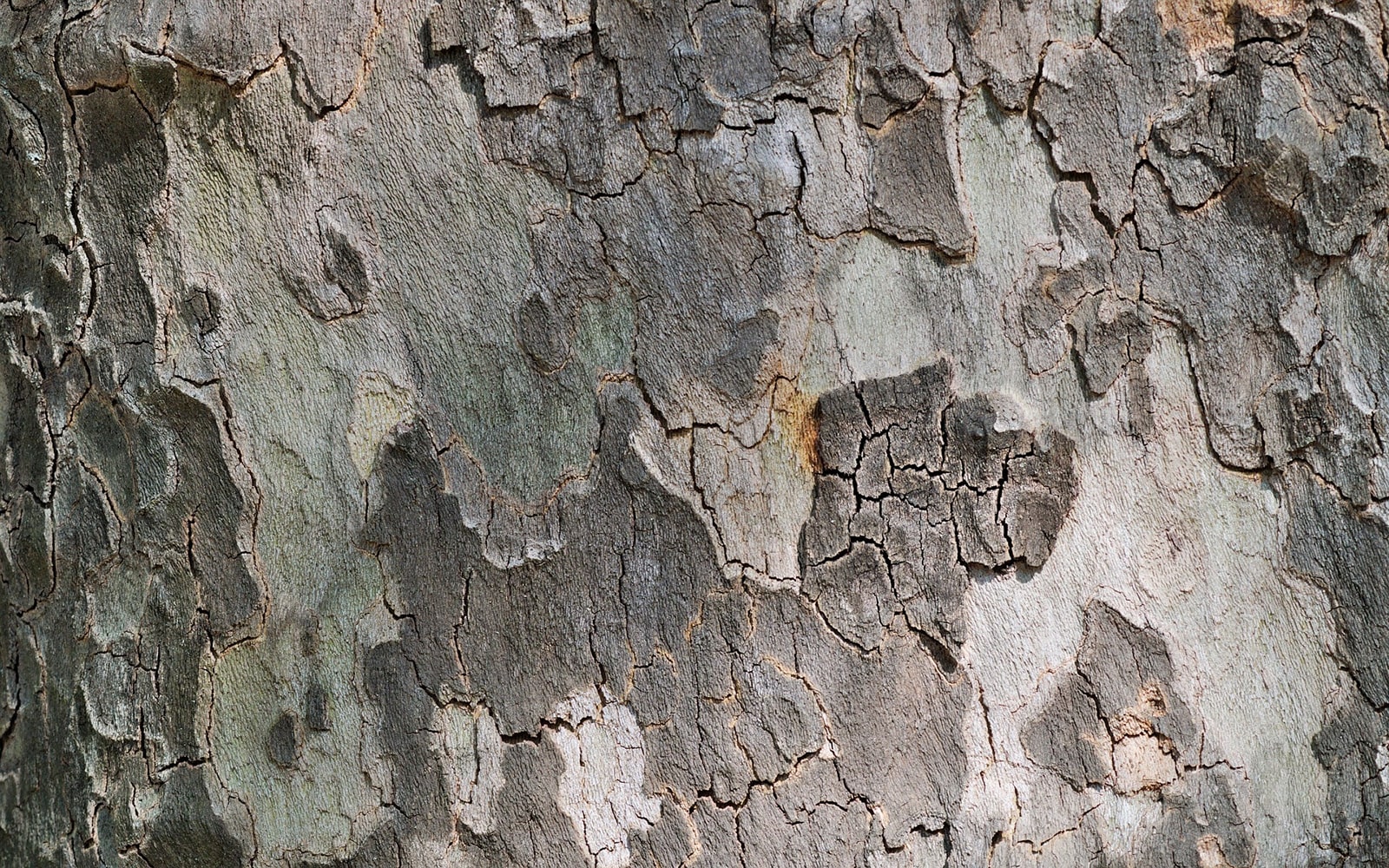
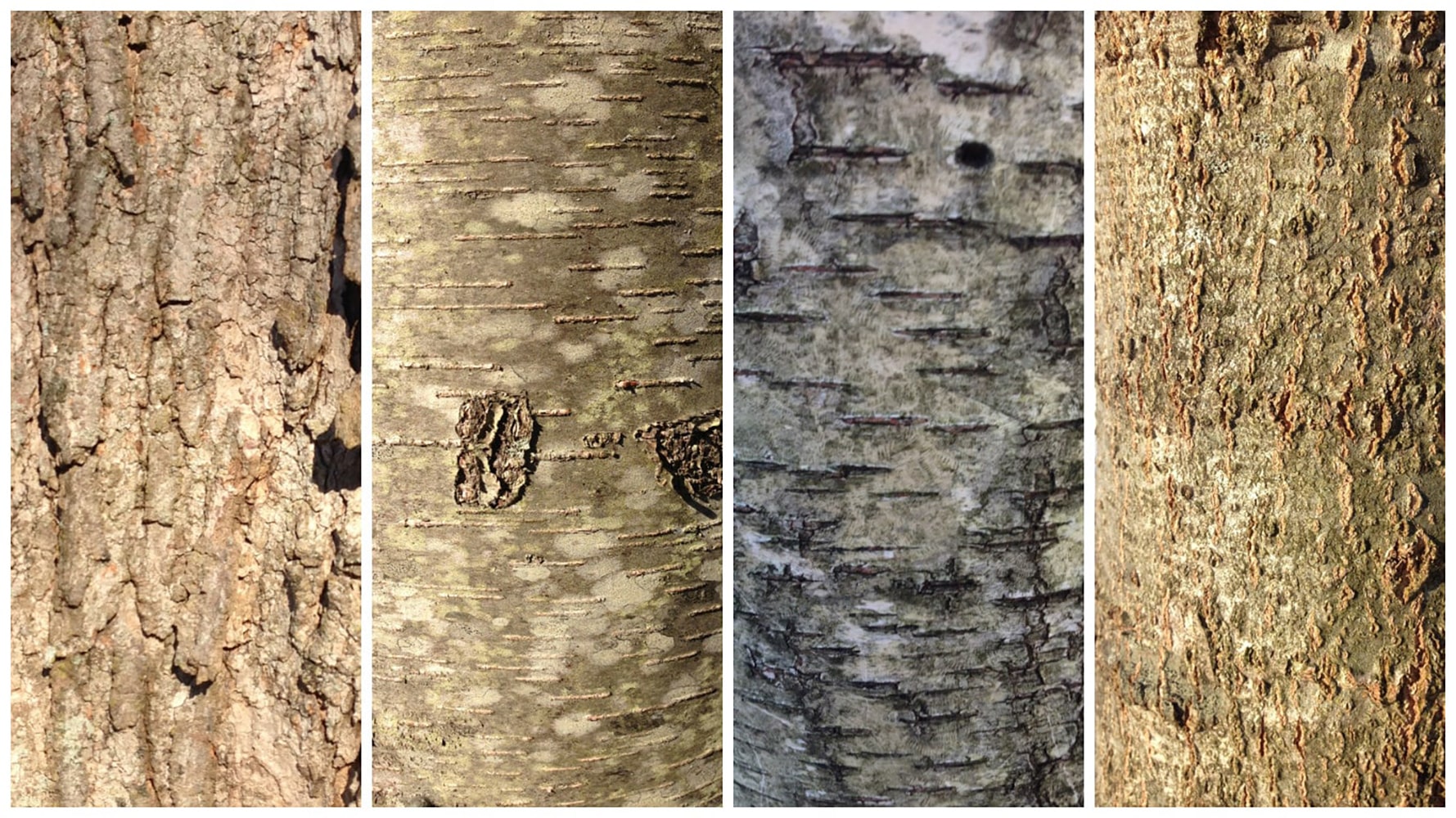
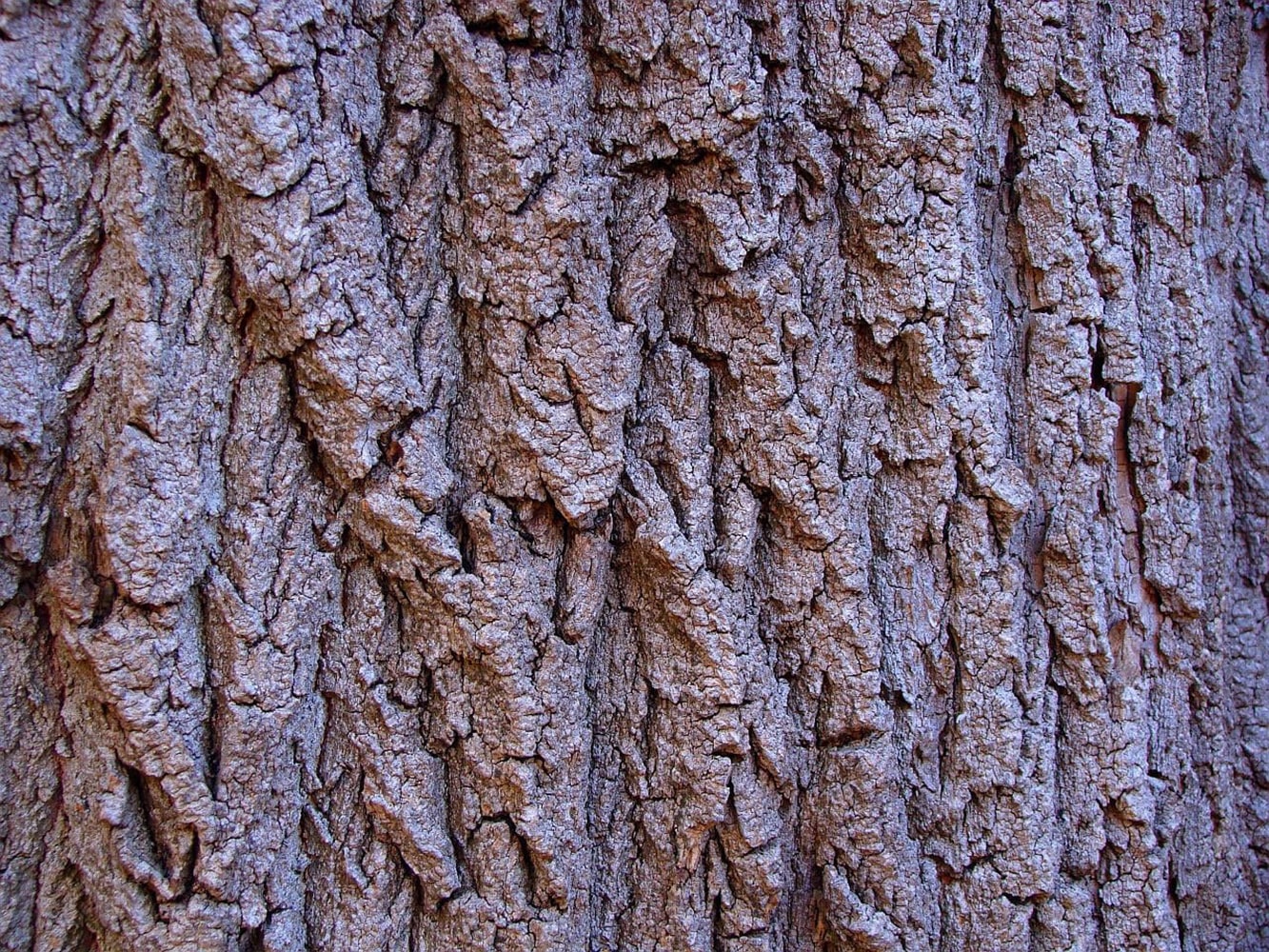
Smooth, dark grey bark.
Dark Gray
Light Gray
Whole Plant Traits
Tree
Houseplant
Cultural Conditions
Full sun (6 or more hours of direct sunlight a day)
Good Drainage
Moist
3 feet-6 feet
12 inches-3 feet
24-60 feet
12-24 feet
6-feet-12 feet
High Organic Matter
Loam (Silt)
Sand
Landscape
Container
Small Space
Houseplants

Ficus neriifolia Attributes

Ficus neriifolia: Country Or Region Of Origin

China and the Himalayas

Ficus neriifolia: Life Cycle

Annual
Biennial
Bulb
Perennial
Woody

Ficus neriifolia: Recommended Propagation Strategy

Division
Grafting
Layering
Leaf Cutting
Root Cutting
Seed
Stem Cutting

Ficus neriifolia Fruit

Ficus neriifolia: Fruit Description

The fruit develops from the same structure the flowers are held in. They are green and ovoid, often growing in pairs.

Ficus neriifolia: Fruit Color

grass
Green

Ficus neriifolia: Fruit Length

< 1 inch
1-3 inches
> 3 inches

Ficus neriifolia: Fruit Width

< 1 inch
1-3 inches
> 3 inches

Ficus neriifolia Flowers

Ficus neriifolia: Flower Description

Like other Ficus species, the flower is inverted. The reproductive structures are located within the teardrop shape.

Ficus neriifolia: Flower Color

filter_vintage
Green

Ficus neriifolia: Flower Size

1-3 inches
3-6 inches
< 1 inch
> 6 inches

Ficus neriifolia Leaves

Ficus neriifolia: Leaf Description

The long willow-like leaves are between 3.25 and 7 inches long and 1 to 2.5 inches wide. They are often asymmetrical in shape.

Ficus neriifolia: Woody Plant Leaf Characteristics

Broadleaf Evergreen
Deciduous
Needled Evergreen
Semi-evergreen

Ficus neriifolia: Leaf Color

spa
Green

Ficus neriifolia: Leaf Type

Compound (Pinnately , Bipinnately, Palmately)
Fronds
Needles
Sheath
Simple

Ficus neriifolia: Leaf Shape

Acicular
Auriculate
Cordate
Cuneate
Deltoid
Elliptical
Filiform
Lanceolate
Linear
Oblanceolate
Oblong
Obovate
Obtuse
Orbicular
Ovate
Palmasect
Palmatifid
Peltate
Pinnatifid
Pinnatisect
Reniform
Rhomboidal
Spatulate
Subcordate
Subulate

Ficus neriifolia: Leaf Margin

Crenate
Crenulate
Dentate
Denticulate
Doubly Crenate
Doubly Dentate
Doubly Serrate
Entire
Lobed
Serrate
Sinuate
Undulate

Ficus neriifolia: Hairs Present

No
Yes

Ficus neriifolia: Leaf Length

< 1 inch
1-3 inches
3-6 inches
> 6 inches

Ficus neriifolia: Leaf Feel

Fleshy
Glossy
Leathery
Papery
Prickly
Rough
Rubbery
Slippery
Smooth
Soft
Velvety
Waxy

Ficus neriifolia: Leaf Value To Gardener

Edible
Fragrant
Good Cut
Good Dried
Long-lasting
Showy

Ficus neriifolia: Leaf Width

< 1 inch
1-3 inches
3-6 inches
> 6 inches

Ficus neriifolia Bark

Ficus neriifolia: Bark Description

Smooth, dark grey bark.

Ficus neriifolia: Bark Color

grass
Dark Gray
grass
Light Gray

Ficus neriifolia: Surface/Attachment

Bumpy
Exfoliating
Fissured
Furrowed
Lenticels
Papery
Patchy
Peeling
Ridges
Scaly
Shaggy
Shiny
Shredding
Smooth
Spongy

Ficus neriifolia Whole Plant Traits

Ficus neriifolia: Plant Type

Annual
Bulb
Carnivorous
Edible
Epiphyte
Fern
Ground Cover
Herb
Herbaceous Perennial
Houseplant
Mushroom
Native Plant
Ornamental Grasses and Sedges
Perennial
Poisonous
Rose
Shrub
Succulent
Tree
Turfgrass
Vegetable
Vine
Water Plant
Weed
Wildflower

Ficus neriifolia: Woody Plant Leaf Characteristics

Broadleaf Evergreen
Deciduous
Needled Evergreen
Semi-evergreen

Ficus neriifolia: Maintenance

Low
Medium
High

Ficus neriifolia Cultural Conditions

Ficus neriifolia: Light

Dappled Sunlight (Shade through upper canopy all day)
Deep shade (Less than 2 hours to no direct sunlight)
Full sun (6 or more hours of direct sunlight a day)
Partial Shade (Direct sunlight only part of the day, 2-6 hours)

Ficus neriifolia: Soil Drainage

Frequent Standing Water
Good Drainage
Moist
Occasional Flooding
Occasionally Dry
Occasionally Wet
Very Dry

Ficus neriifolia: Available Space To Plant

12 inches-3 feet
12-24 feet
24-60 feet
3 feet-6 feet
6-feet-12 feet
Less than 12 inches
more than 60 feet

Ficus neriifolia: USDA Plant Hardiness Zone

thermostat
10a
thermostat
10b
thermostat
11a
thermostat
11b

Ficus neriifolia: Soil Texture

Clay
High Organic Matter
Loam (Silt)
Sand
Shallow Rocky

Ficus neriifolia Stem

Ficus neriifolia: Stem Is Aromatic

No
Yes

Ficus neriifolia Landscape

Ficus neriifolia: Design Feature

Accent
Barrier
Border
Flowering Tree
Foundation Planting
Hedge
Mass Planting
Screen/Privacy
Security
Shade Tree
Small groups
Small Tree
Specimen
Street Tree
Understory Tree

Ficus neriifolia: Landscape Location

Coastal
Container
Hanging Baskets
Houseplants
Lawn
Meadow
Naturalized Area
Near Septic
Patio
Pond
Pool/Hardscape
Recreational Play Area
Riparian
Rock Wall
Slope/Bank
Small Space
Vertical Spaces
Walkways
Woodland