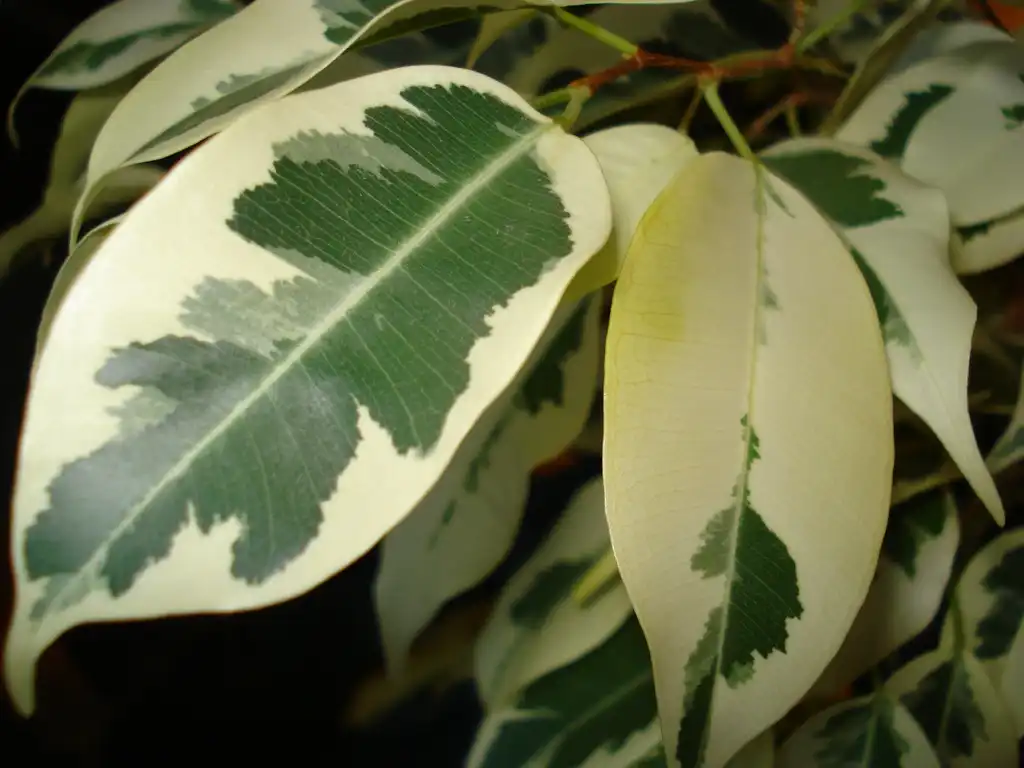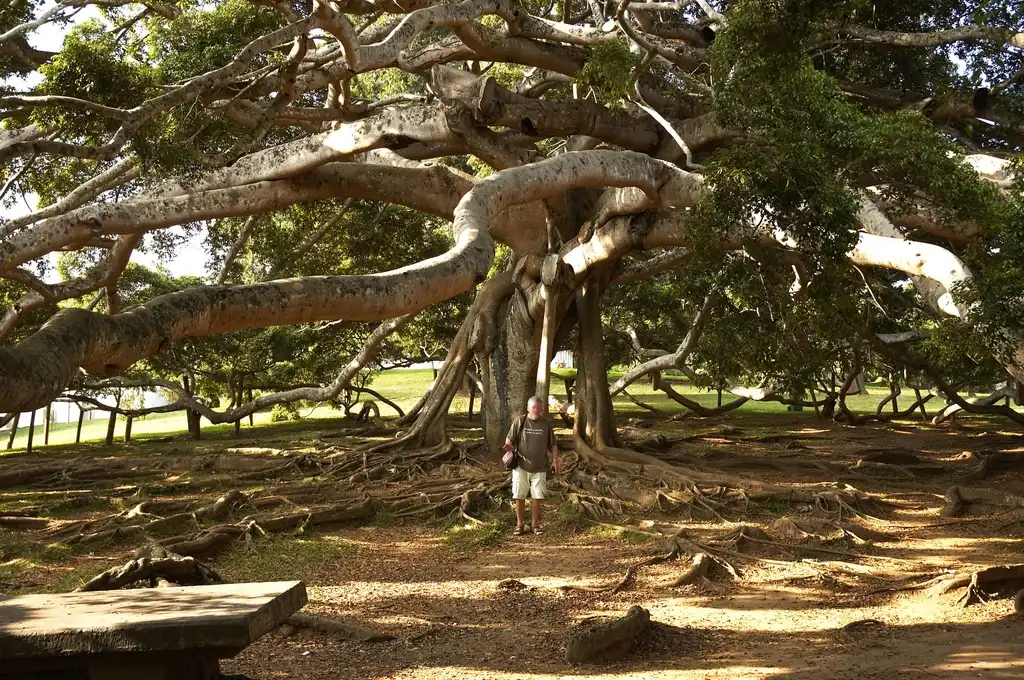
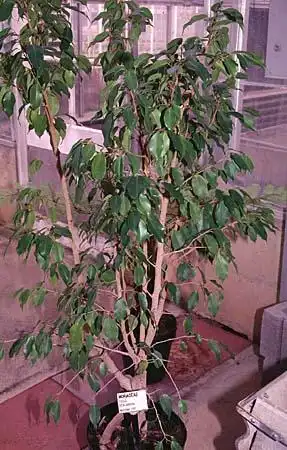
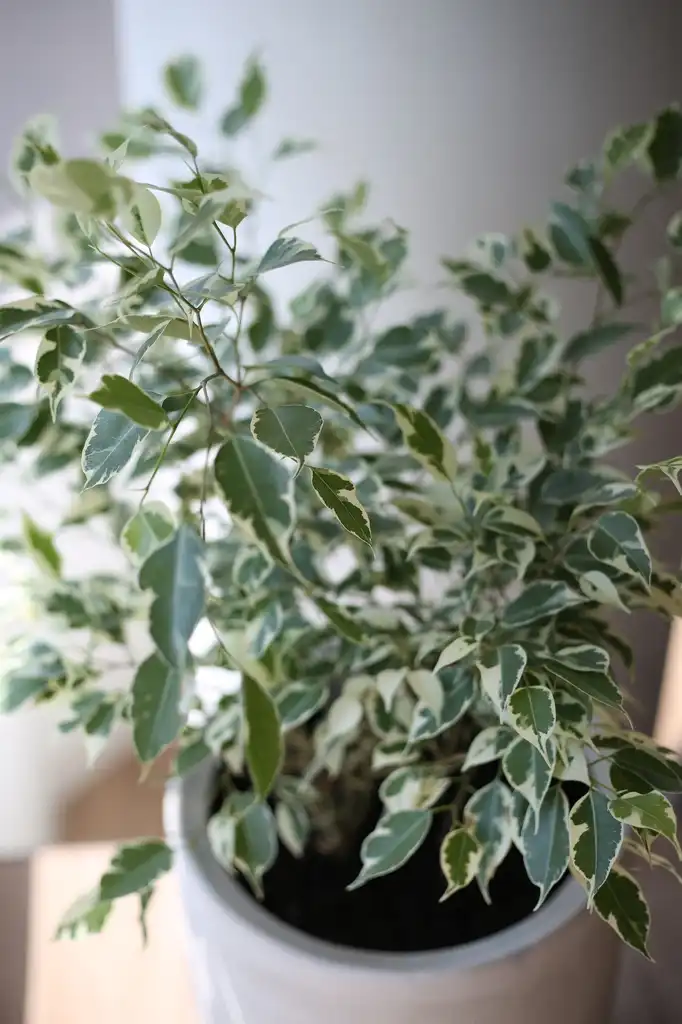
• Photo of Ficus benjamina (Ficus benjaminas)

Plant Profile: Ficus benjamina

Taxonomy: Ficus benjamina

Names

Benjamin Tree, Chinese Banyan, Fig, Indian Rubber Plant, Small-leaved Rubber Plant, Weeping Fig

  • Photo of Ficus benjamina (Ficus benjaminas)

Phonetic Spelling:FY-kus ben-jah-MEE-nah

Genus:Ficus

Species:benjamina

Family:Moraceae

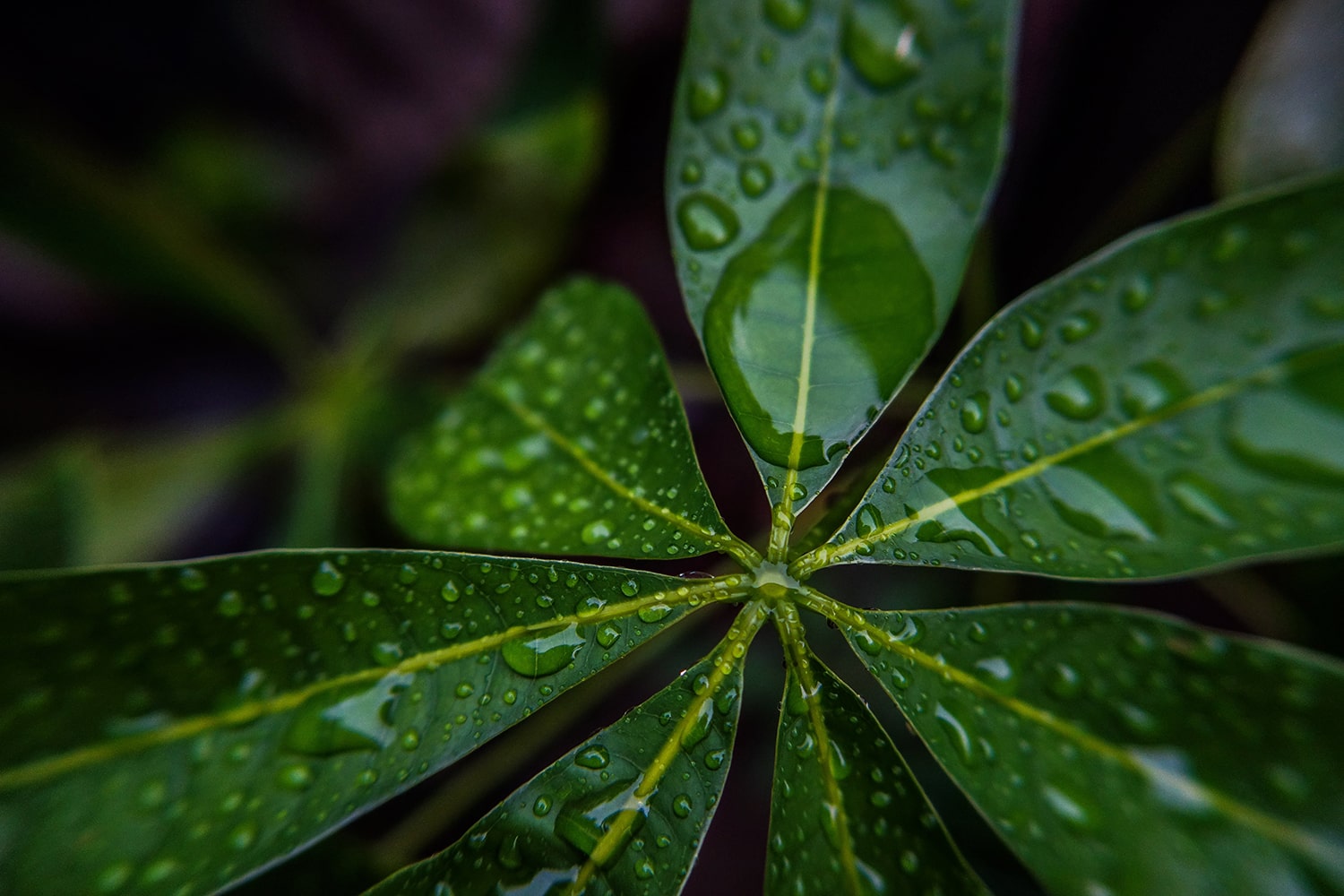
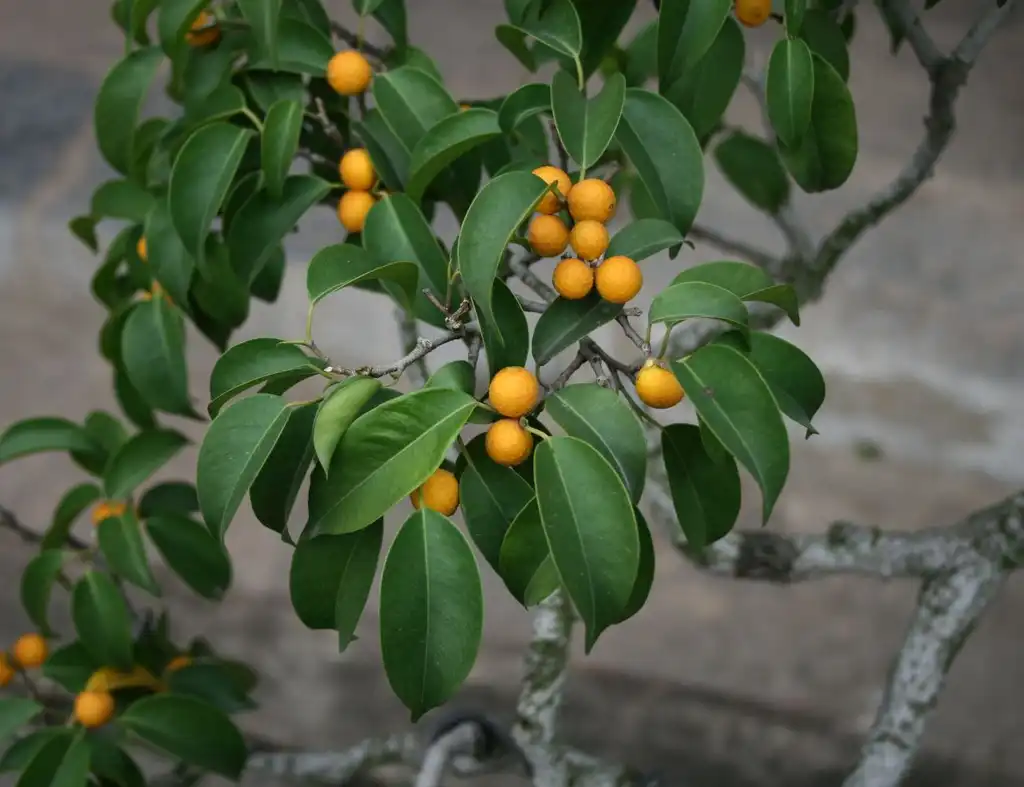
This plant is an evergreen shrub or tree characterized by its gracefully drooping branches. Its leaves are arranged alternately, are simple in structure, feature elongated tips, and possess a glossy finish. The flowers and fruits are encased in a fleshy sac that transitions in color from green to orange-red, then to red, and finally to a purplish-black hue.

Ficus benjamina is a favored choice for indoor gardening due to its ability to thrive in less-than-ideal conditions. While it flourishes in bright, sunny spots, it can also endure shadier environments. However, it is quite sensitive to changes in light; if relocated, it may shed its leaves and subsequently grow new ones that adapt to the altered lighting. Regular watering is essential to prevent the soil from drying out completely, but misting is unnecessary. This plant is not tolerant of cold temperatures and should be kept away from drafts. Notably, it has been proven effective in purifying indoor air.

Miniature varieties, such as "Too Little," are particularly sought after for bonsai cultivation.

Identification Tips:

This tree can grow to about 30 feet and is typically evergreen to semi-evergreen, exhibiting a graceful and upright form.

It is often utilized as a small tree in indoor environments; however, it has the potential to outgrow its ideal space, making dwarf varieties a more suitable option. The plant is sensitive to environmental changes and may drop leaves in response to variations in light, temperature, humidity, or wind. Variegated leaf varieties are also available. When pruned, it releases sap, which can create a mess. Its flexible stems can be braided or trained to arch, and older plants may develop numerous aerial roots.

This species is commonly found in commercial interior landscapes or large pots and is a popular choice for houseplants.

It thrives in medium to bright light and prefers dry soil with moderate humidity, ideally in temperatures above 55 degrees Fahrenheit. It can handle heavy pruning, but care should be taken when watering—allow the soil to dry out between waterings and reduce water during the winter months. Be mindful of potential pest and disease issues.


Ficus benjamina Feature Summary

Ficus benjamina Image Gallery

Tags

#small tree
#houseplant
#bonsai
#low light
#tough plant
#bright light
#interiorscape
#fantz
#problem for cats
#ebh
#ebh-h
#problem for dogs
#problem for horses
#container plants

Similar Plants

Ficus benjamina is often confused with:

Ficus benjamina Feature Summary

Attributes
Tropical & Subtropical Asia and Northern Australia
Fruit
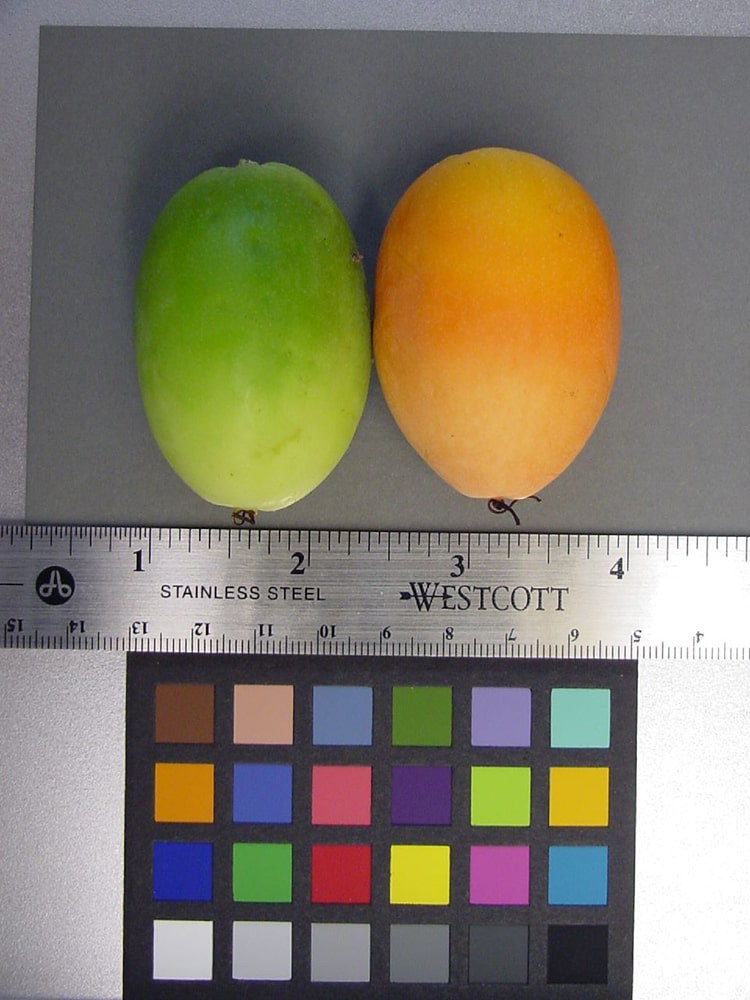
Flowers and fruits are enclosed in a fleshy sac that turns from green to orange-red to red and then purplish black. A globose to slightly oblong fig, in pairs, green maturing to reddish then purple-black.
Green
Red/Burgundy
Purple/Lavender
Black
Orange
< 1 inch
Flowers
Flowers and fruits are enclosed in a fleshy sac that turns from green to orange-red to red and then purplish black. Minute, unisexual, enclosed in fleshy receptacle (fig), entered by apical orifice and pollinated by fig wasps.
Purple/Lavender
Red/Burgundy
Green
Orange
Black
< 1 inch
Leaves
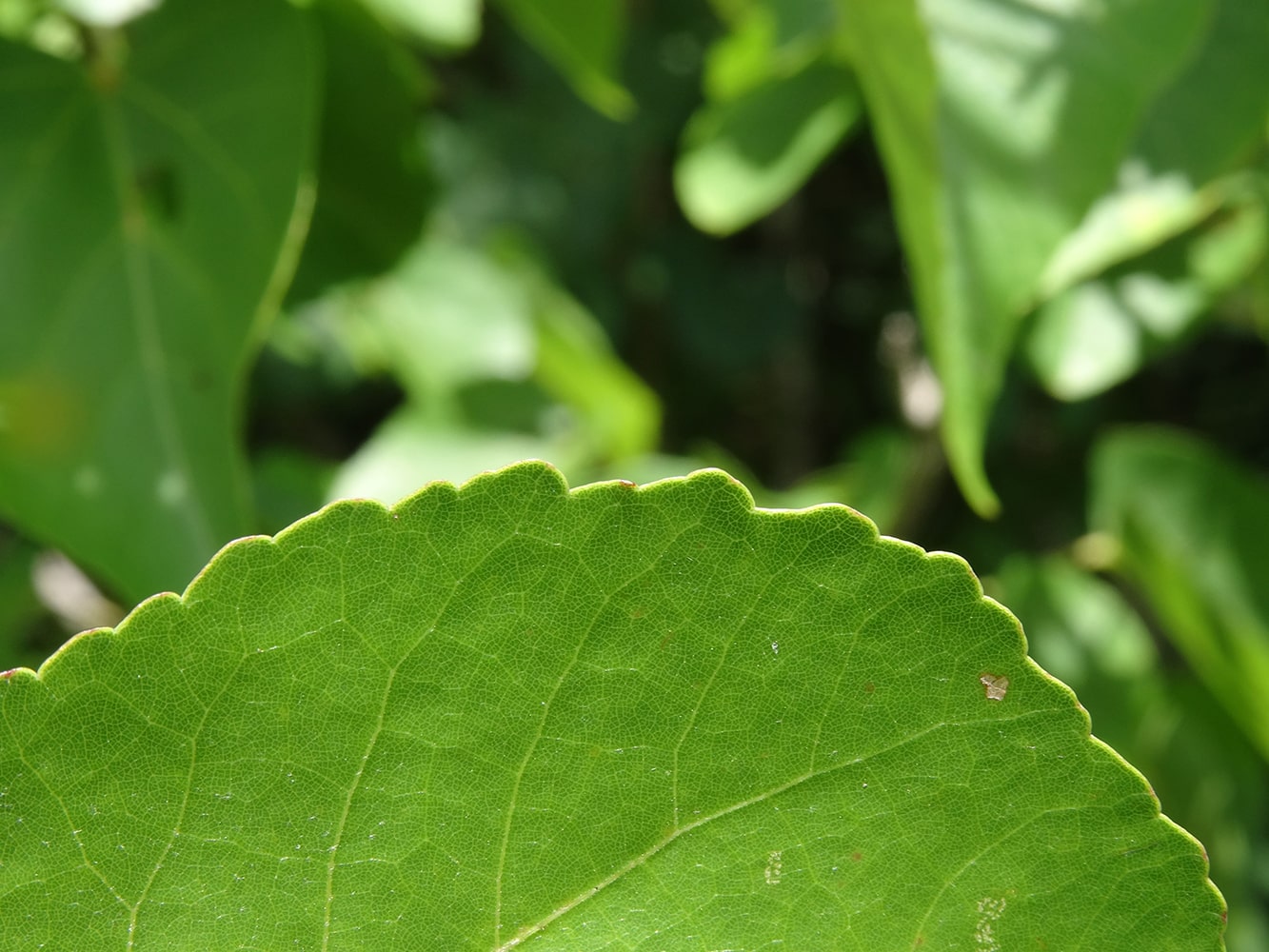
Alternate, simple, long-tipped, and glossy, 2-5 in. Ovate-elliptic to oblong, acuminate, rotund, entire, glabrous, coriaceous, 8-12 pairs of lateral veins. Folded in towards the midrib and droop down towards the ground. Variegated cultivars exist.
Green
White
Variegated
Elliptical
Ovate
Oblong
3-6 inches
1-3 inches
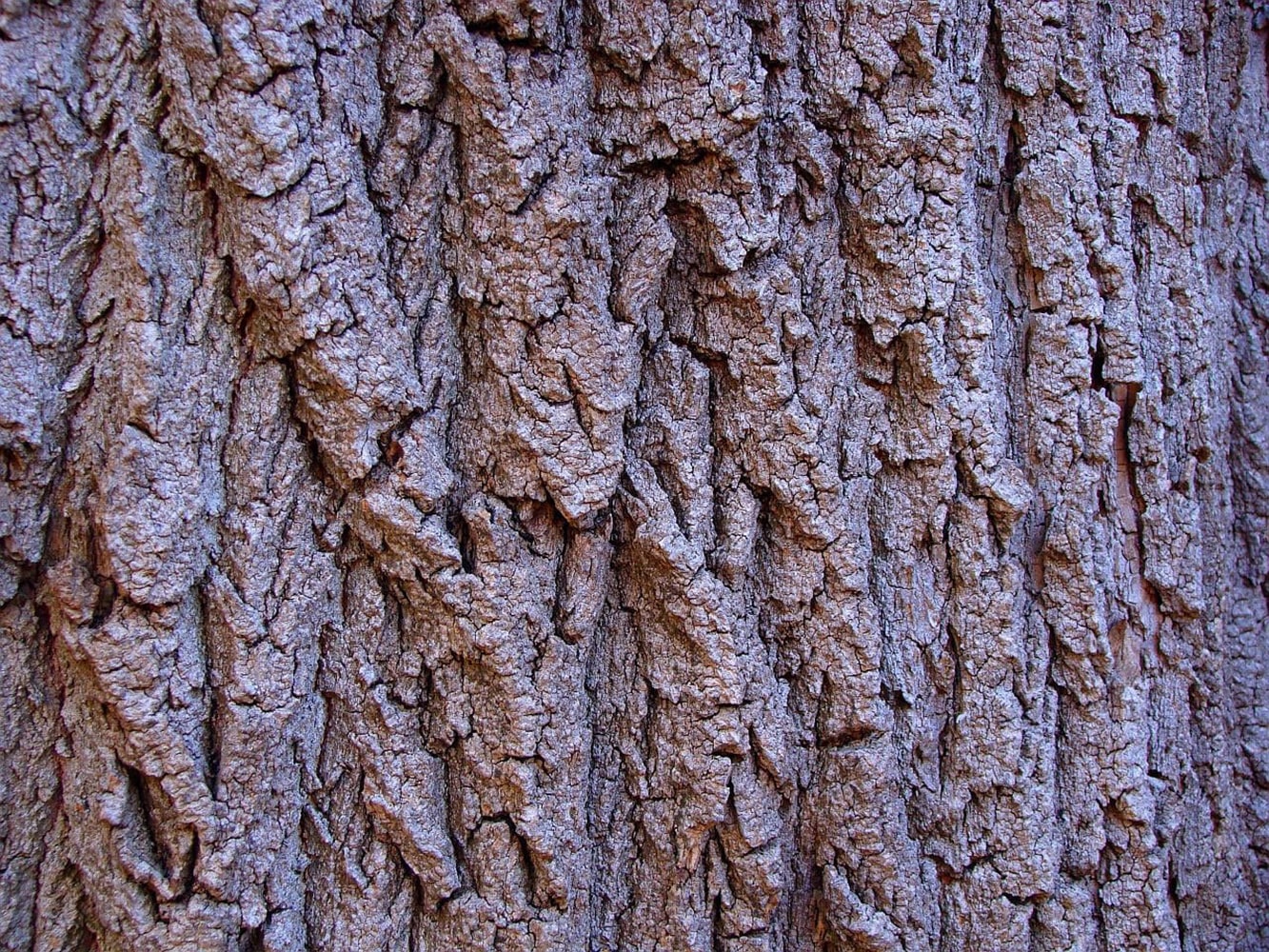
Bark
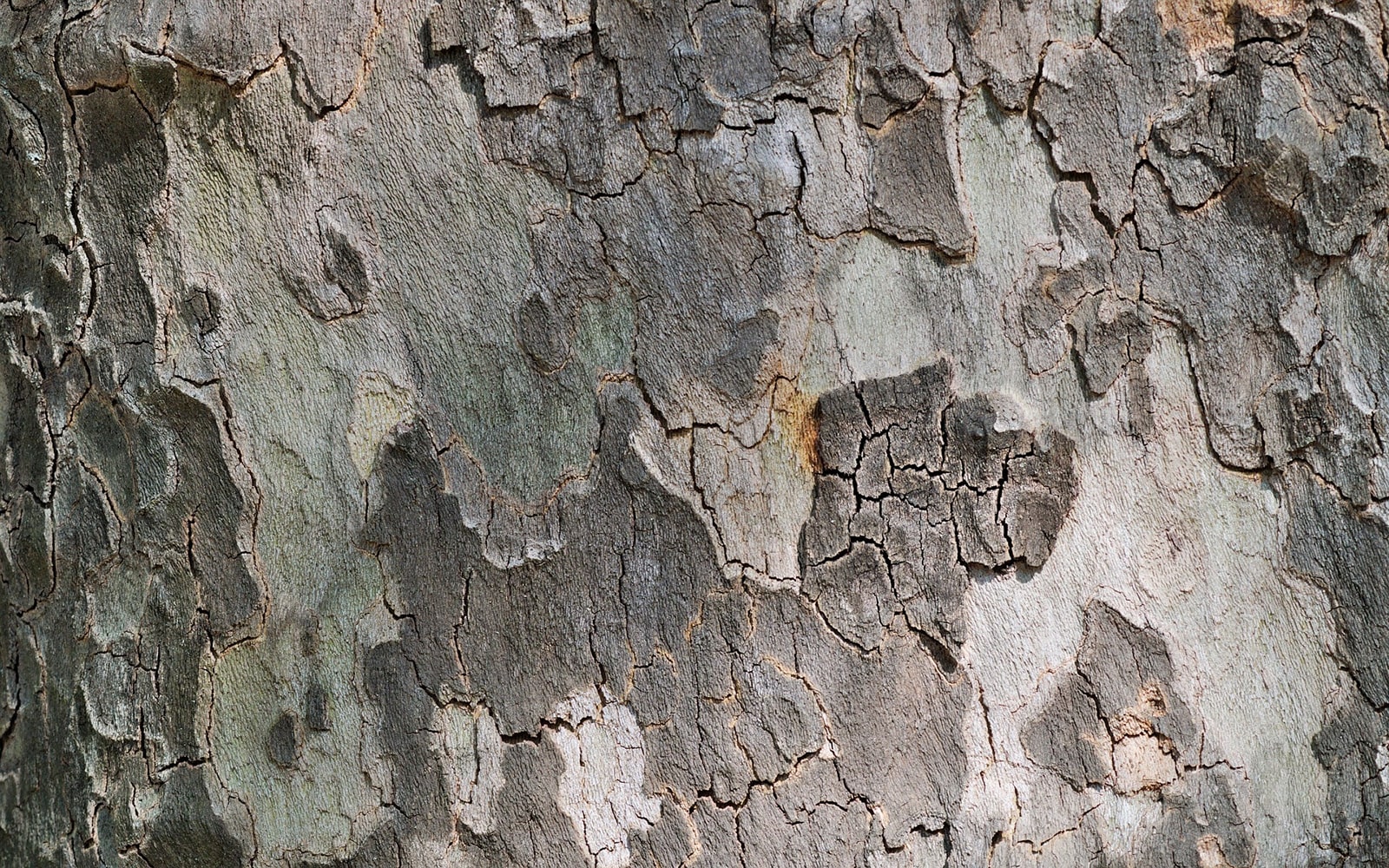
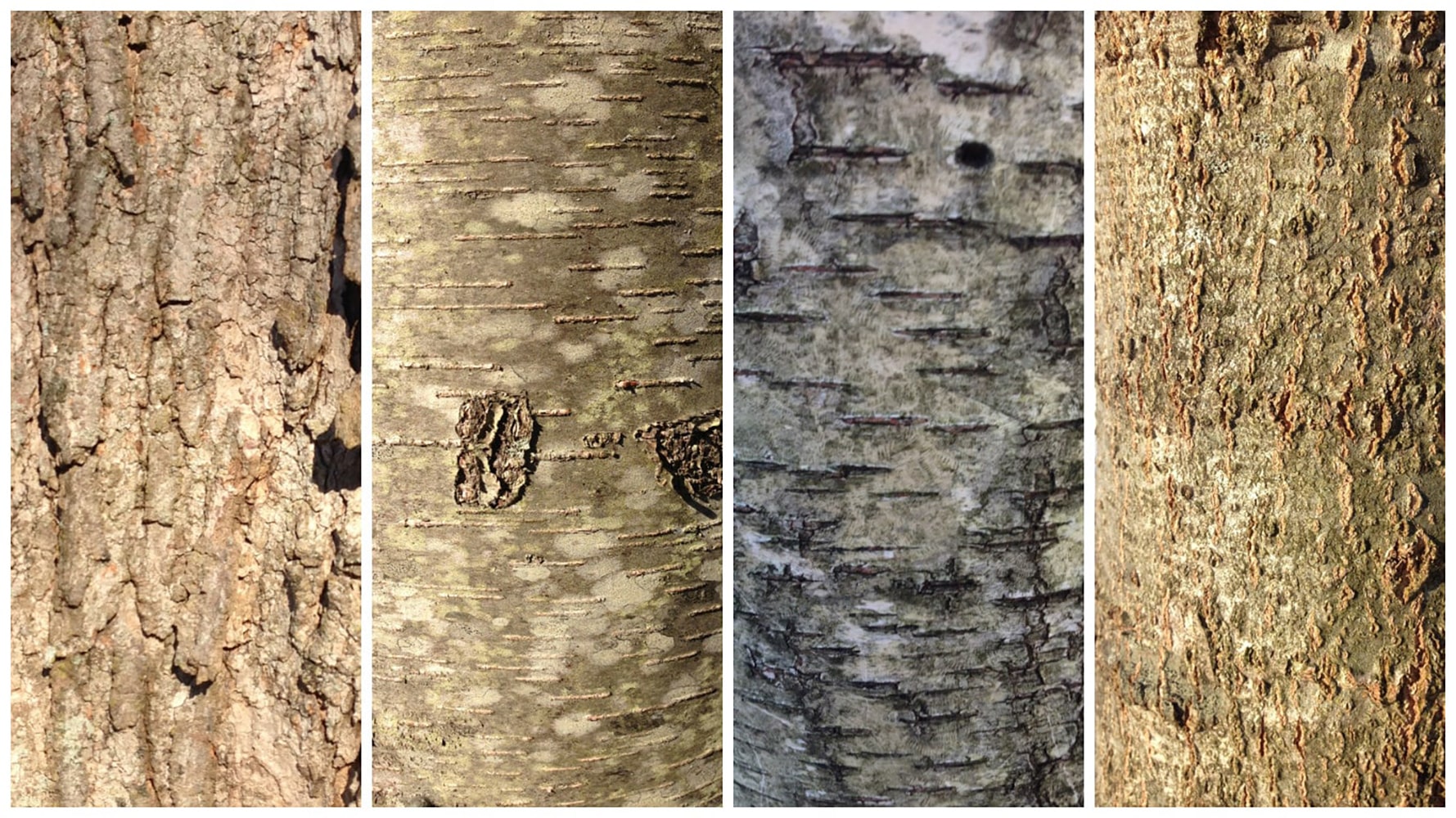
Raised lenticels, sometimes with adventitious roots. Newer stems have small furrows.
Light Brown
Furrowed
Lenticels
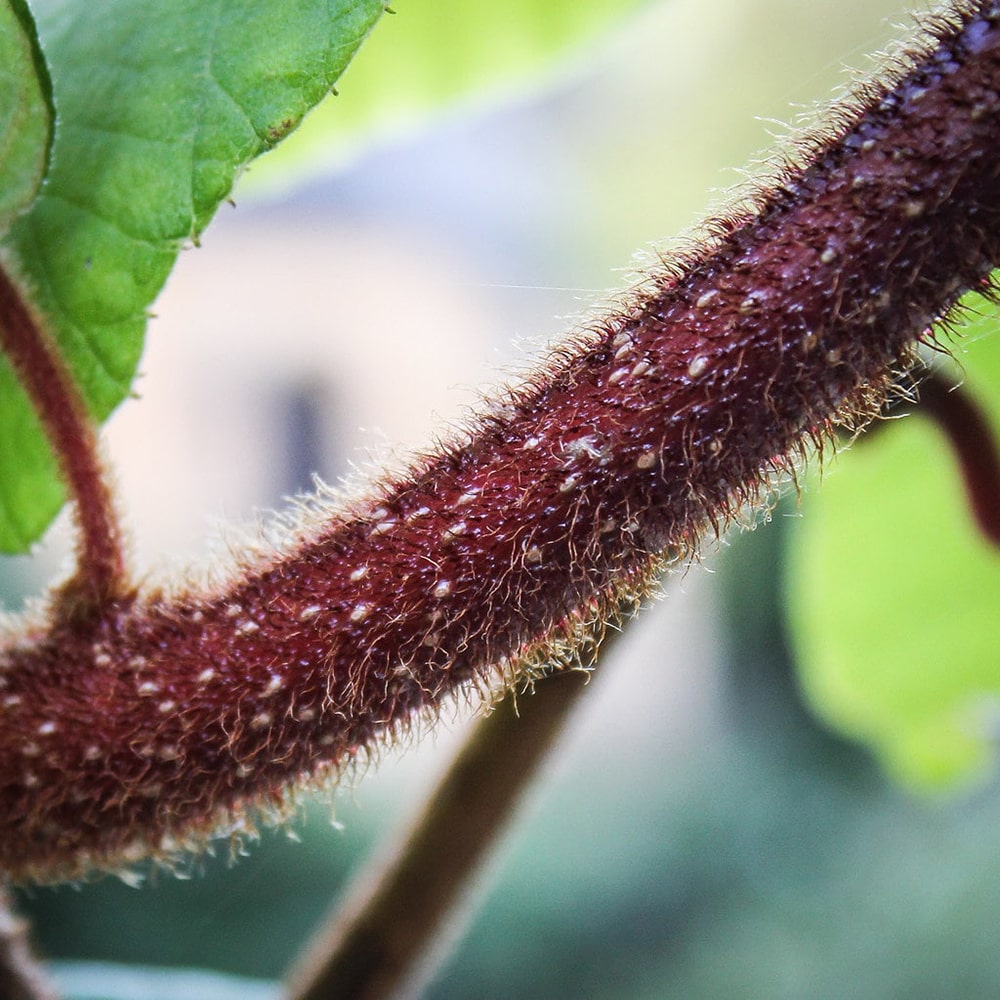
Stem
Drooping branches slender; older specimens with pendulous aerial roots.
Brown/Copper
Gray/Silver
Whole Plant Traits
Shrub
Tree
Poisonous
Houseplant
Multi-trunked
Weeping
Cultural Conditions
Full sun (6 or more hours of direct sunlight a day)
Partial Shade (Direct sunlight only part of the day, 2-6 hours)
Dappled Sunlight (Shade through upper canopy all day)
Deep shade (Less than 2 hours to no direct sunlight)
Landscape
Container
Houseplants
Problem for Cats
Problem for Dogs
Problem for Horses

Ficus benjamina Attributes

Ficus benjamina: Country Or Region Of Origin

Tropical & Subtropical Asia and Northern Australia
Ficus benjamina: Life Cycle

Annual
Biennial
Bulb
Perennial
Woody

Ficus benjamina Fruit

Ficus benjamina: Fruit Description

Flowers and fruits are enclosed in a fleshy sac that turns from green to orange-red to red and then purplish black. A globose to slightly oblong fig, in pairs, green maturing to reddish then purple-black.

Ficus benjamina: Fruit Color

grass
Black
grass
Green
grass
Orange
grass
Purple/Lavender
grass
Red/Burgundy

Ficus benjamina: Fruit Length

< 1 inch
1-3 inches
> 3 inches

Ficus benjamina: Fruit Width

< 1 inch
1-3 inches
> 3 inches

Ficus benjamina Flowers

Ficus benjamina: Flower Description

Flowers and fruits are enclosed in a fleshy sac that turns from green to orange-red to red and then purplish black. Minute, unisexual, enclosed in fleshy receptacle (fig), entered by apical orifice and pollinated by fig wasps.

Ficus benjamina: Flower Color

filter_vintage
Black
filter_vintage
Green
filter_vintage
Orange
filter_vintage
Purple/Lavender
filter_vintage
Red/Burgundy

Ficus benjamina: Flower Size

1-3 inches
3-6 inches
< 1 inch
> 6 inches

Ficus benjamina Leaves

Ficus benjamina: Leaf Description

Alternate, simple, long-tipped, and glossy, 2-5 in. Ovate-elliptic to oblong, acuminate, rotund, entire, glabrous, coriaceous, 8-12 pairs of lateral veins. Folded in towards the midrib and droop down towards the ground. Variegated cultivars exist.

Ficus benjamina: Woody Plant Leaf Characteristics

Broadleaf Evergreen
Deciduous
Needled Evergreen
Semi-evergreen

Ficus benjamina: Leaf Color

spa
Green
spa
Variegated
spa
White

Ficus benjamina: Leaf Type

Compound (Pinnately , Bipinnately, Palmately)
Fronds
Needles
Sheath
Simple

Ficus benjamina: Leaf Arrangement

Alternate
Opposite
Other/more complex
Rosulate
Whorled

Ficus benjamina: Leaf Shape

Acicular
Auriculate
Cordate
Cuneate
Deltoid
Elliptical
Filiform
Lanceolate
Linear
Oblanceolate
Oblong
Obovate
Obtuse
Orbicular
Ovate
Palmasect
Palmatifid
Peltate
Pinnatifid
Pinnatisect
Reniform
Rhomboidal
Spatulate
Subcordate
Subulate

Ficus benjamina: Leaf Margin

Crenate
Crenulate
Dentate
Denticulate
Doubly Crenate
Doubly Dentate
Doubly Serrate
Entire
Lobed
Serrate
Sinuate
Undulate

Ficus benjamina: Hairs Present

No
Yes

Ficus benjamina: Leaf Length

< 1 inch
1-3 inches
3-6 inches
> 6 inches

Ficus benjamina: Leaf Feel

Fleshy
Glossy
Leathery
Papery
Prickly
Rough
Rubbery
Slippery
Smooth
Soft
Velvety
Waxy

Ficus benjamina: Leaf Value To Gardener

Edible
Fragrant
Good Cut
Good Dried
Long-lasting
Showy

Ficus benjamina: Leaf Width

< 1 inch
1-3 inches
3-6 inches
> 6 inches

Ficus benjamina Bark

Ficus benjamina: Bark Description

Raised lenticels, sometimes with adventitious roots. Newer stems have small furrows.

Ficus benjamina: Bark Color

grass
Light Brown

Ficus benjamina: Surface/Attachment

Bumpy
Exfoliating
Fissured
Furrowed
Lenticels
Papery
Patchy
Peeling
Ridges
Scaly
Shaggy
Shiny
Shredding
Smooth
Spongy

Ficus benjamina Stem

Ficus benjamina: Stem Description

Drooping branches slender; older specimens with pendulous aerial roots.

Ficus benjamina: Stem Color

grass
Brown/Copper
grass
Gray/Silver

Ficus benjamina: Stem Is Aromatic

No
Yes

Ficus benjamina Whole Plant Traits

Ficus benjamina: Plant Type

Annual
Bulb
Carnivorous
Edible
Epiphyte
Fern
Ground Cover
Herb
Herbaceous Perennial
Houseplant
Mushroom
Native Plant
Ornamental Grasses and Sedges
Perennial
Poisonous
Rose
Shrub
Succulent
Tree
Turfgrass
Vegetable
Vine
Water Plant
Weed
Wildflower

Ficus benjamina: Woody Plant Leaf Characteristics

Broadleaf Evergreen
Deciduous
Needled Evergreen
Semi-evergreen

Ficus benjamina: Habit/Form

Arching
Ascending
Broad
Cascading
Climbing
Clumping
Columnar
Conical
Creeping
Dense
Erect
Horizontal
Irregular
Mounding
Multi-stemmed
Multi-trunked
Open
Oval
Prostrate
Pyramidal
Rounded
Spreading
Vase
Weeping

Ficus benjamina Cultural Conditions

Ficus benjamina: Light

Dappled Sunlight (Shade through upper canopy all day)
Deep shade (Less than 2 hours to no direct sunlight)
Full sun (6 or more hours of direct sunlight a day)
Partial Shade (Direct sunlight only part of the day, 2-6 hours)

Ficus benjamina: Soil Drainage

Frequent Standing Water
Good Drainage
Moist
Occasional Flooding
Occasionally Dry
Occasionally Wet
Very Dry

Ficus benjamina Landscape

Ficus benjamina: Resistance To Challenges

Black Walnut
Compaction
Deer
Diseases
Drought
Dry Soil
Erosion
Fire
Foot Traffic
Heat
Heavy Shade
Humidity
Insect Pests
Pollution
Poor Soil
Rabbits
Salt
Slugs
Squirrels
Storm damage
Urban Conditions
Voles
Wet Soil
Wind

Ficus benjamina: Landscape Location

Coastal
Container
Hanging Baskets
Houseplants
Lawn
Meadow
Naturalized Area
Near Septic
Patio
Pond
Pool/Hardscape
Recreational Play Area
Riparian
Rock Wall
Slope/Bank
Small Space
Vertical Spaces
Walkways
Woodland

Ficus benjamina: Problems

Allelopathic
Contact Dermatitis
Frequent Disease Problems
Frequent Insect Problems
Invasive Species
Malodorous
Messy
Poisonous to Humans
Problem for Cats
Problem for Children
Problem for Dogs
Problem for Horses
Short-lived
Spines/Thorns
Weak Wood
Weedy