



Ficus elastica: Country Or Region Of Origin
Nepal to China (W. Yunnan) and W. Malesia
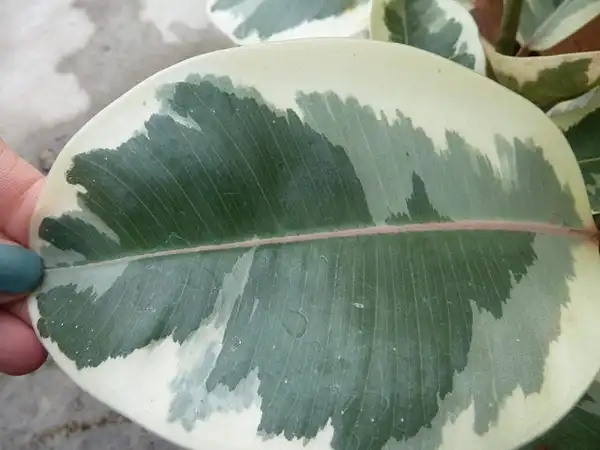

Phonetic Spelling:FY-kus ee-LASS-tih-kuh
Genus:Ficus
Species:elastica
Family:Moraceae
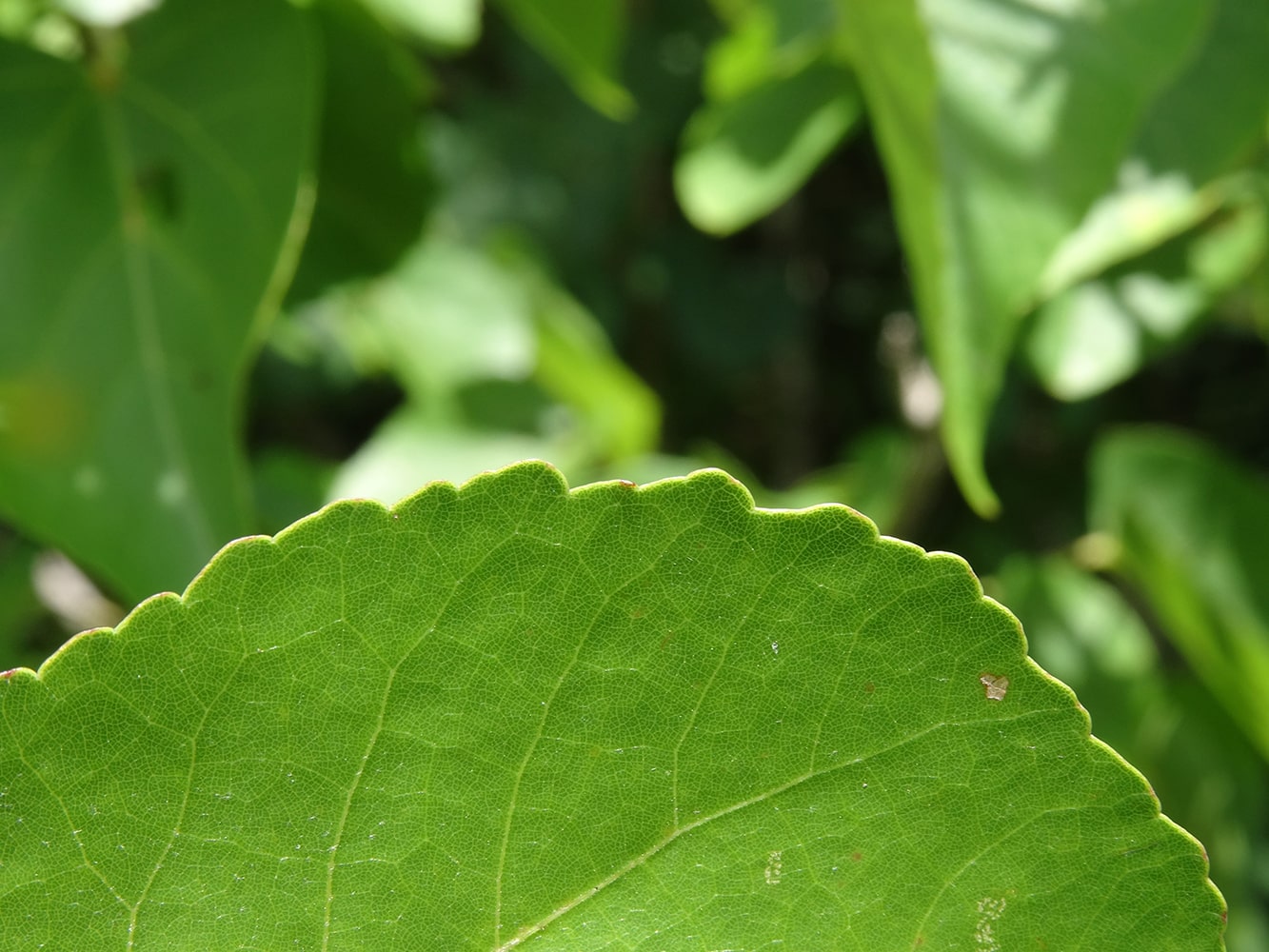
This houseplant is a favored ornamental choice in temperate regions, known for its broad, glossy leaves that are visually appealing. As it matures, the trunk may require support or training to maintain its upright posture. It can thrive in low-light conditions but prefers to stay in a consistent location, as it struggles with drafts and cold temperatures. To keep the leaves clean, gently wipe them with a damp, soft cloth or sponge.
Excessive watering can lead to leaf drop, as can exposure to cold drafts or sudden temperature changes. It's common for some of the lower leaves to yellow and fall off. Additionally, pests such as mealybugs, scales, and spider mites can pose challenges.
Identification Tips:
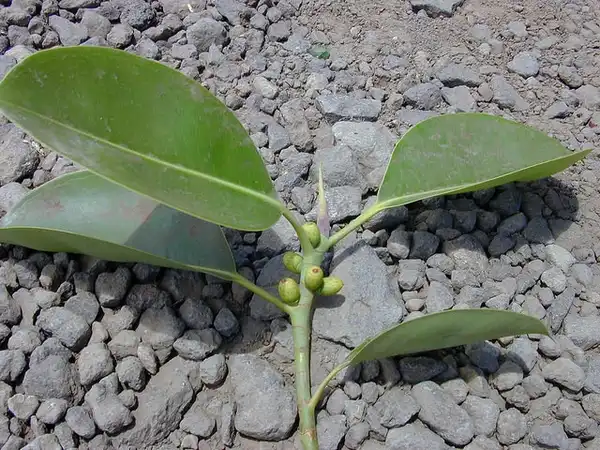
This plant can grow as an evergreen shrub or tree, reaching heights of up to 196.5 feet, with a straight trunk and a spreading crown, initially growing as an epiphyte in its natural habitat.
It is valued for its stiff, glossy, large leaves, although fruiting is uncommon in indoor environments. This plant's substantial texture makes it suitable for spacious areas. Unfortunately, some individuals may mar the leaves by scratching graffiti into them, and cut surfaces will release sap. In its natural setting, it can develop into a large banyan-like tree with aerial roots, and variegated varieties are also available.
It thrives best in medium to bright light, prefers dry soil, and requires moderate humidity, with temperatures above 55 degrees Fahrenheit. Be mindful of potential pest and disease issues.
Ficus elastica Feature Summary