
Ficus pumila: Country Or Region Of Origin
Central and Southern China, Eastern Asia
Phonetic Spelling:FY-kus PEW-mih-lah
Genus:Ficus
Species:pumila
Family:Moraceae
Ficus pumila, commonly known as Climbing Fig, is a robust and rapidly growing evergreen vine that can reach heights of over 15 feet when cultivated outdoors. However, it is not resilient to winter conditions in most parts of North Carolina, where harsh cold can cause the vine to die back to the ground. As a result, it is frequently grown as an annual groundcover, houseplant, or in greenhouse settings. For indoor cultivation, it thrives in a soil-based potting mix with bright, indirect light or partial shade, while also needing protection from the harsh afternoon sun. Regular watering is essential during the growing season, with a reduction in watering from fall through late winter. Pruning should be done as necessary. Outdoors, this plant prefers partial shade but can tolerate full sun if planted in moist, well-drained soil. It flourishes in high humidity and is drought-resistant, making it a strong climber that is also moderately tolerant of salt and resistant to deer damage.
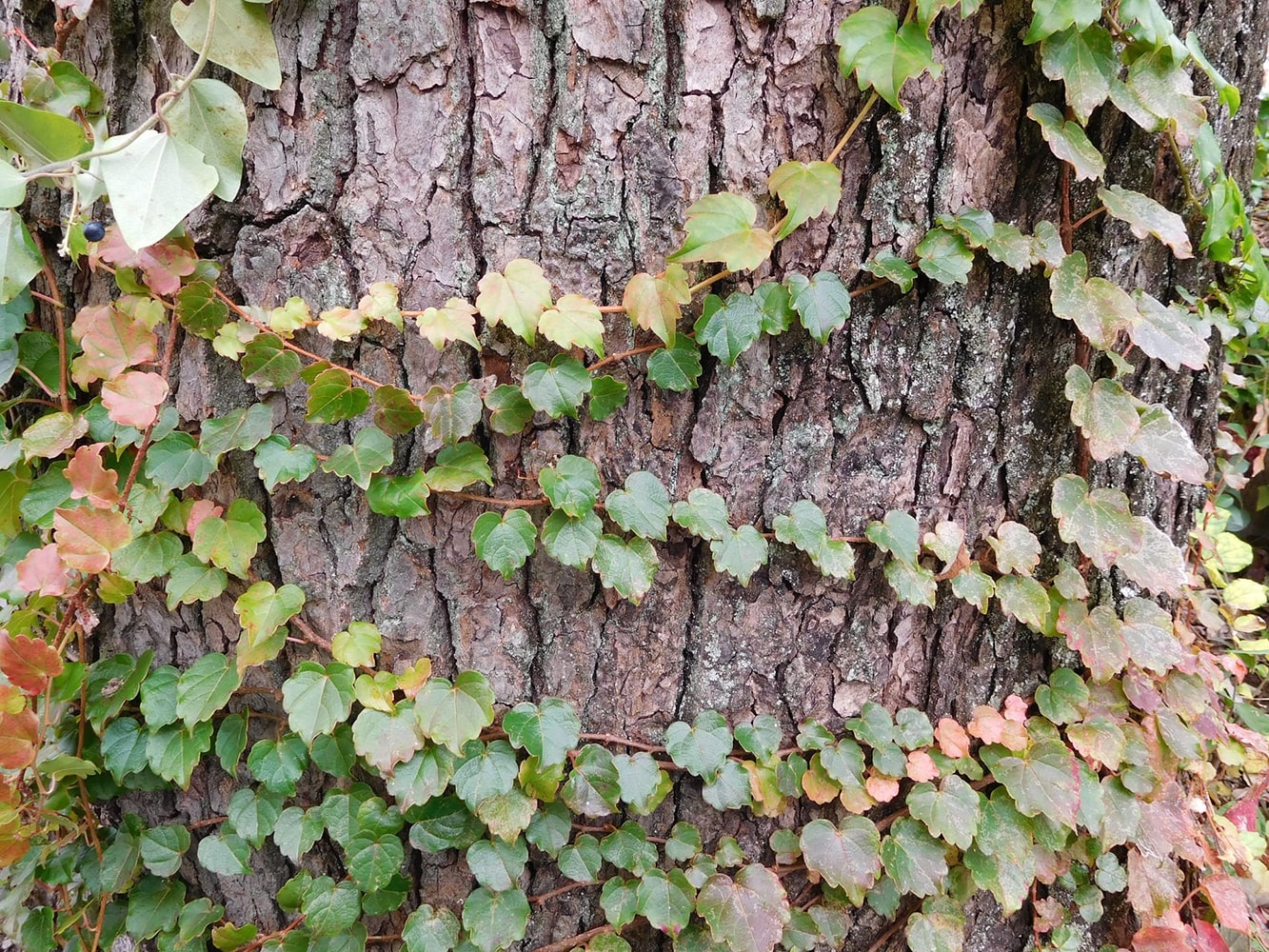
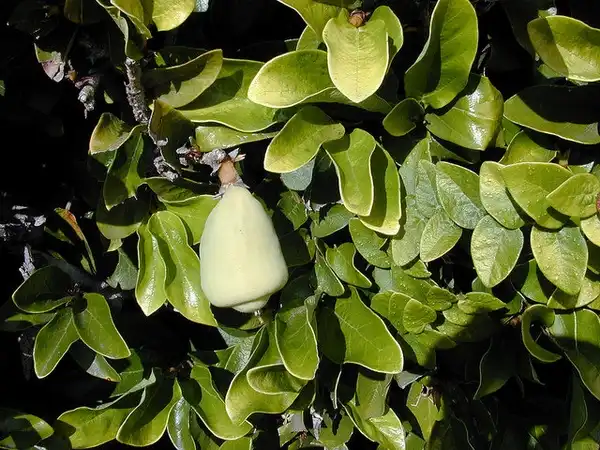
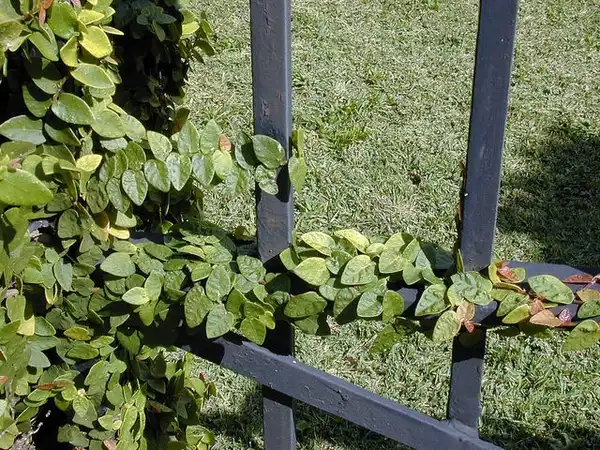
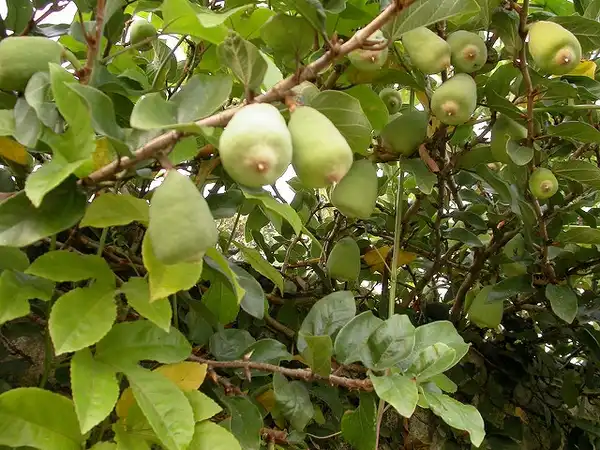
This plant exhibits both juvenile and adult forms, with their growth habits closely resembling those of Hedera helix. The juvenile form, typically found in indoor settings, features small, heart-shaped leaves arranged alternately along the vine, along with adventitious roots. In contrast, the adult form displays larger, more elliptical, leathery leaves with a reticulated texture. Ficus pumila can adhere to porous surfaces and quickly cover moist areas, making it suitable for outdoor groundcover or wall coverage. Variegated varieties are also available.
In terms of pests and diseases, there are no significant issues reported. However, it is advisable to monitor for scale, aphids, mealybugs, thrips, and spider mites, as the plant has the potential to become invasive.