Plant Profile: Peperomia caperata

Names

Emerald Ripple Peperomia, Emerald Ripple Pepper, Green ripple peperomia, Ivy-leaf Peperomia, Little fantasy peperpmia, Metallic Peperomia, Ripple Peperomia, Silver Heart

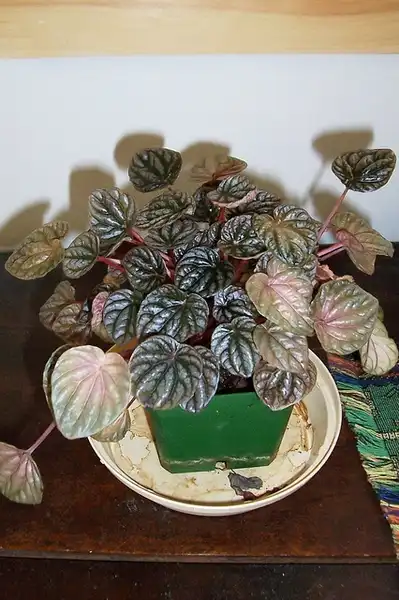
  • Photo of Peperomia caperata (Peperomia caperatas)

Phonetic Spelling:pep-er-ROH-mee-uh kap-er-AY-tuh

Genus:Peperomia

Species:caperata

Family:Piperaceae

Ripple Peperomia is a tropical plant belonging to the Piperaceae family, often chosen as a houseplant in temperate regions. This evergreen herbaceous shrub is upright and bushy, reaching heights of up to 8 inches. Native to the jungles of South America, it thrives as an epiphytic plant. Its striking appearance features deeply furrowed, heart-shaped leaves and cream-colored, spiky flower clusters, making it an attractive addition to any space. The leaves are attached in a sub-peltate manner, and the plant is frequently used as an interior accent or desktop decoration. Its common name derives from the wrinkled, dark green leaves that can sometimes appear almost purple.

Ripple Peperomia is known for being easy to care for, adapting well to indoor environments. It can tolerate low light conditions for extended periods without suffering. However, it does not fare well in overly wet or dry soil, nor in drafty areas. Ideally, it prefers medium light and well-drained, dry soil, along with moderate to low humidity levels. Bright, filtered sunlight, such as that passing through a sheer curtain, is optimal for its growth. It also thrives under bright fluorescent lighting, making it suitable for office settings. To prevent root rot, it is essential to use a porous, well-draining potting mix. Fortunately, this plant is generally free from significant pest or disease issues.

**Exposure:** Indirect light
**Soil:** Well-drained, porous potting soil
**Quick ID Hints:**

Peperomia caperata Feature Summary

Peperomia caperata Image Gallery

Tags

#white
#evergreen
#houseplant
#cream
#white flowers
#interiorscape
#herbaceous
#cream flowers
#fantz
#non-toxic for horses
#non-toxic for dogs
#non-toxic for cats
#tropical feel

Similar Plants

Peperomia caperata is often confused with:

Peperomia caperata Feature Summary

Attributes
Flowers
White flower spikes of varying lengths in summer and autumn. The flowers are not very colorful and tend to be white to cream in color, they are similar to attenuated Anthuriums or Arum Lilies. They consist of a myriad of small flowers arranged on the stem. They have 2 stamens and no perianths.
Gold/Yellow
Brown/Copper
Leaves
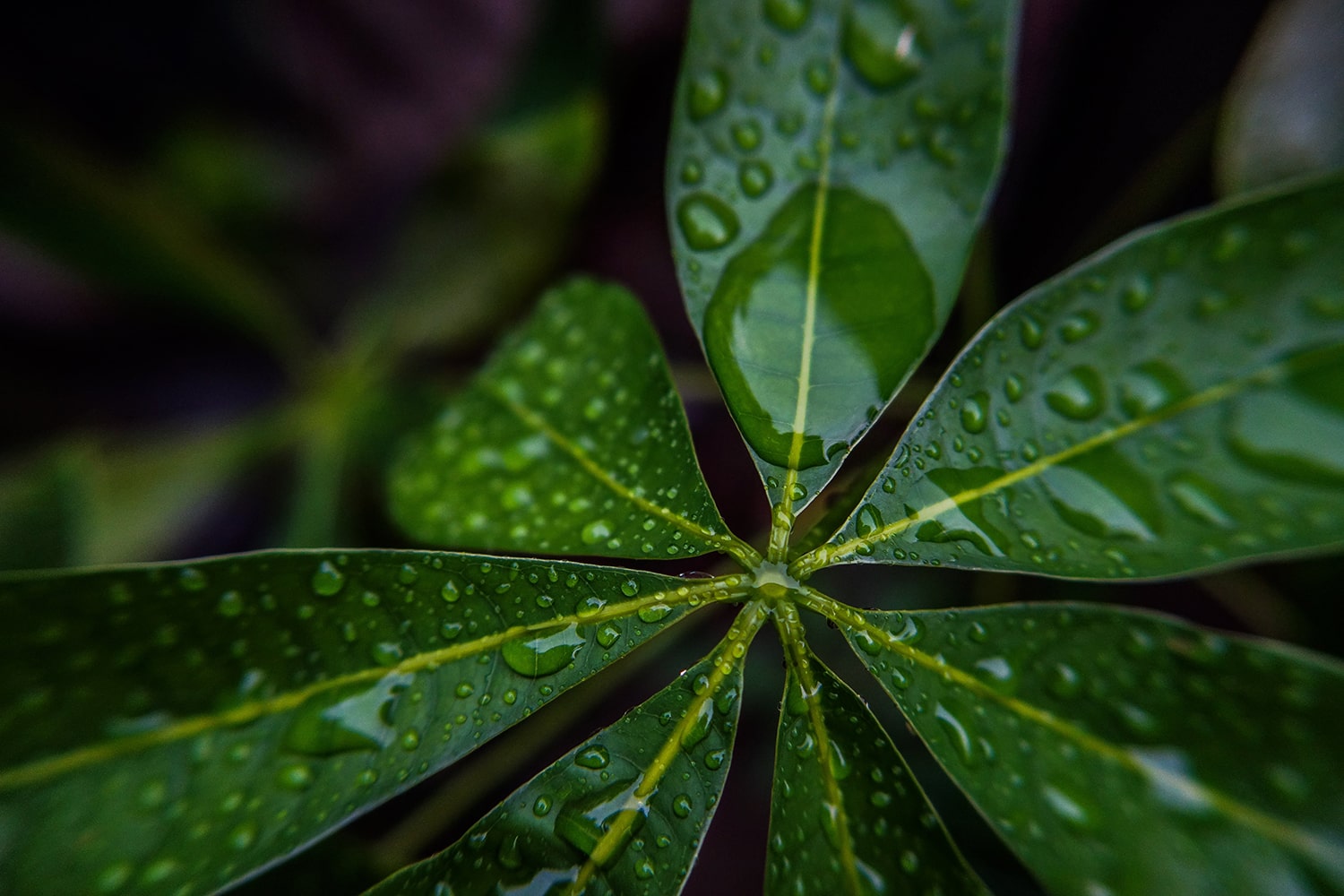
Leaves are cordate, broadly acute to obtuse, have a corrugated surface, cordate, have impressed veins, are in deep rippling folds, are dark glossy green in color, and are sub-peltate. Petioles are 3" in size and green to dull red in color.
Cordate
Obtuse
1-3 inches
Stem
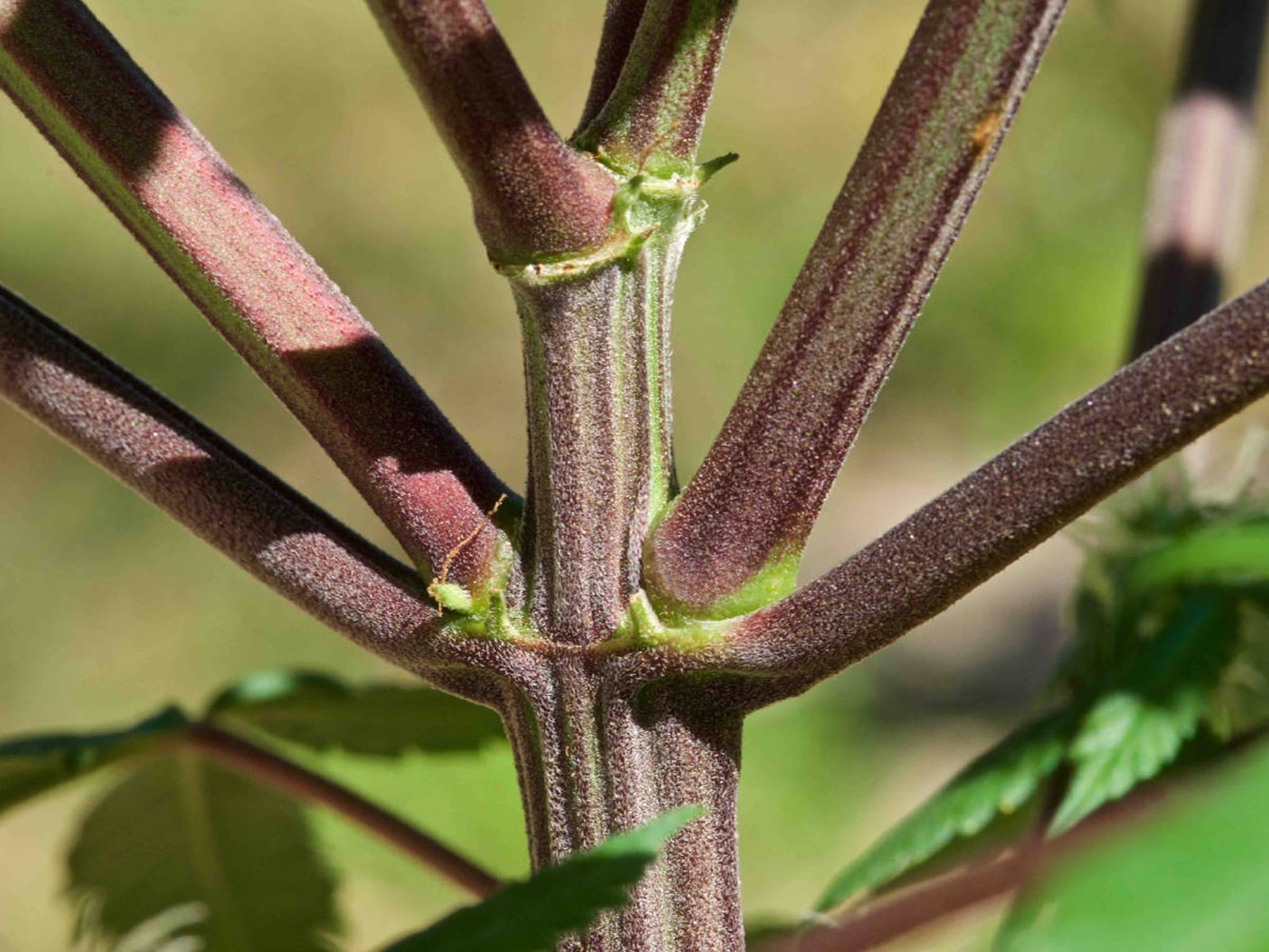
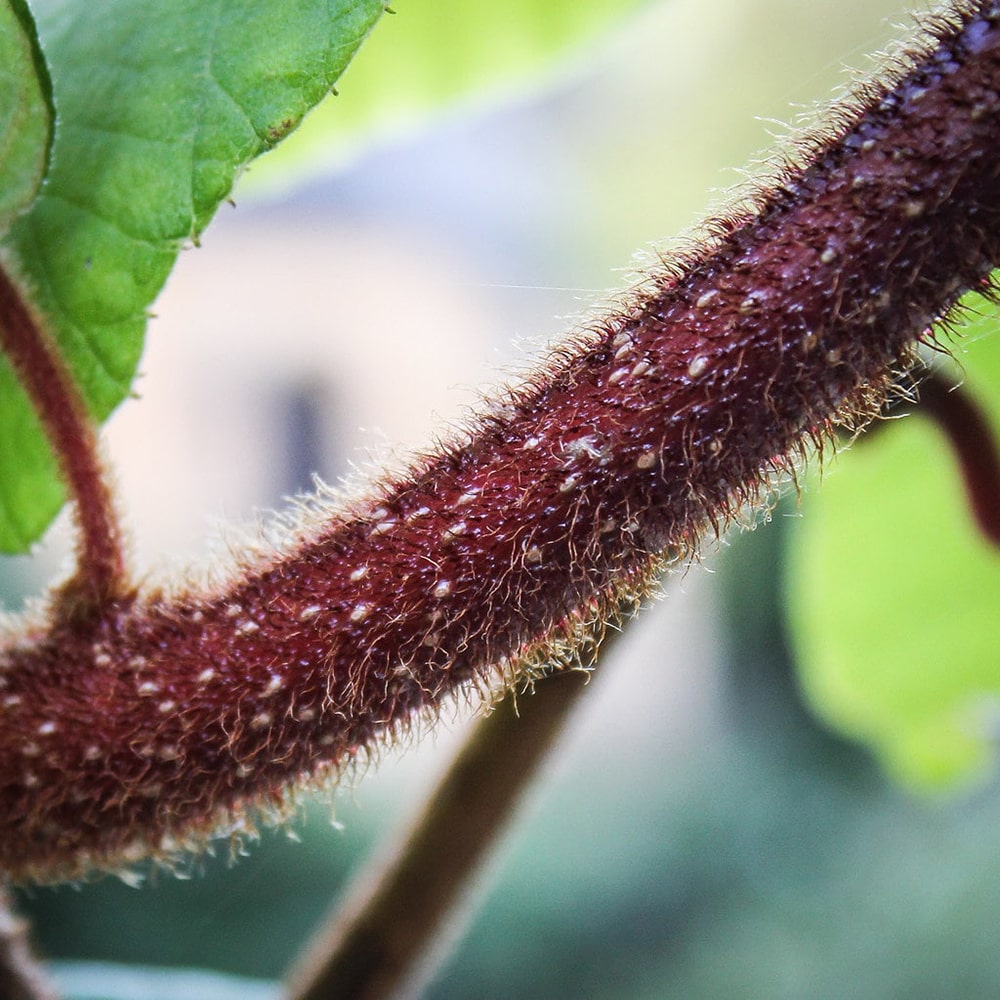
The leaf-stalk of this plant are red or pink. Stems are erect, unbranched, tough, and dark green or tinged purple.
Purple/Lavender
Green
Whole Plant Traits
Perennial
Ground Cover
Cultural Conditions
Partial Shade (Direct sunlight only part of the day, 2-6 hours)
Dappled Sunlight (Shade through upper canopy all day)

Peperomia caperata Attributes

Peperomia caperata: Country Or Region Of Origin

Brazil
Peperomia caperata: Recommended Propagation Strategy

Division
Grafting
Layering
Leaf Cutting
Root Cutting
Seed
Stem Cutting

Peperomia caperata Flowers

Peperomia caperata: Flower Description

White flower spikes of varying lengths in summer and autumn. The flowers are not very colorful and tend to be white to cream in color, they are similar to attenuated Anthuriums or Arum Lilies. They consist of a myriad of small flowers arranged on the stem. They have 2 stamens and no perianths.

Peperomia caperata: Flower Color

filter_vintage
Brown/Copper
filter_vintage
Gold/Yellow

Peperomia caperata: Flower Bloom Time

Winter
Spring
Summer
Fall

Peperomia caperata Leaves

Peperomia caperata: Leaf Description

Leaves are cordate, broadly acute to obtuse, have a corrugated surface, cordate, have impressed veins, are in deep rippling folds, are dark glossy green in color, and are sub-peltate. Petioles are 3" in size and green to dull red in color.

Peperomia caperata: Leaf Color

spa
Green

Peperomia caperata: Leaf Shape

Acicular
Auriculate
Cordate
Cuneate
Deltoid
Elliptical
Filiform
Lanceolate
Linear
Oblanceolate
Oblong
Obovate
Obtuse
Orbicular
Ovate
Palmasect
Palmatifid
Peltate
Pinnatifid
Pinnatisect
Reniform
Rhomboidal
Spatulate
Subcordate
Subulate

Peperomia caperata: Hairs Present

No
Yes

Peperomia caperata: Leaf Length

< 1 inch
1-3 inches
3-6 inches
> 6 inches

Peperomia caperata: Leaf Feel

Fleshy
Glossy
Leathery
Papery
Prickly
Rough
Rubbery
Slippery
Smooth
Soft
Velvety
Waxy

Peperomia caperata Stem

Peperomia caperata: Stem Description

The leaf-stalk of this plant are red or pink. Stems are erect, unbranched, tough, and dark green or tinged purple.

Peperomia caperata: Stem Color

grass
Green
grass
Purple/Lavender

Peperomia caperata: Stem Is Aromatic

No
Yes

Peperomia caperata Whole Plant Traits

Peperomia caperata: Plant Type

Annual
Bulb
Carnivorous
Edible
Epiphyte
Fern
Ground Cover
Herb
Herbaceous Perennial
Houseplant
Mushroom
Native Plant
Ornamental Grasses and Sedges
Perennial
Poisonous
Rose
Shrub
Succulent
Tree
Turfgrass
Vegetable
Vine
Water Plant
Weed
Wildflower

Peperomia caperata: Habit/Form

Arching
Ascending
Broad
Cascading
Climbing
Clumping
Columnar
Conical
Creeping
Dense
Erect
Horizontal
Irregular
Mounding
Multi-stemmed
Multi-trunked
Open
Oval
Prostrate
Pyramidal
Rounded
Spreading
Vase
Weeping

Peperomia caperata Cultural Conditions

Peperomia caperata: Light

Dappled Sunlight (Shade through upper canopy all day)
Deep shade (Less than 2 hours to no direct sunlight)
Full sun (6 or more hours of direct sunlight a day)
Partial Shade (Direct sunlight only part of the day, 2-6 hours)

Peperomia caperata: USDA Plant Hardiness Zone

thermostat
10a
thermostat
10b
thermostat
11a
thermostat
9b

Peperomia caperata Landscape

Peperomia caperata: Design Feature

Accent
Barrier
Border
Flowering Tree
Foundation Planting
Hedge
Mass Planting
Screen/Privacy
Security
Shade Tree
Small groups
Small Tree
Specimen
Street Tree
Understory Tree

Peperomia caperata: Resistance To Challenges

Black Walnut
Compaction
Deer
Diseases
Drought
Dry Soil
Erosion
Fire
Foot Traffic
Heat
Heavy Shade
Humidity
Insect Pests
Pollution
Poor Soil
Rabbits
Salt
Slugs
Squirrels
Storm damage
Urban Conditions
Voles
Wet Soil
Wind

Peperomia caperata: Landscape Location

Coastal
Container
Hanging Baskets
Houseplants
Lawn
Meadow
Naturalized Area
Near Septic
Patio
Pond
Pool/Hardscape
Recreational Play Area
Riparian
Rock Wall
Slope/Bank
Small Space
Vertical Spaces
Walkways
Woodland