Dracaena fragrans: Country Or Region Of Origin
Tropical Africa
Phonetic Spelling:dra-SEE-nah FRAY-granz
Genus:Dracaena
Species:fragrans
Family:Asparagaceae
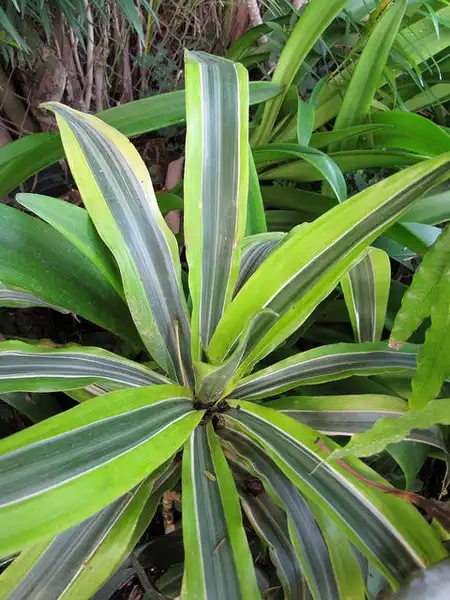
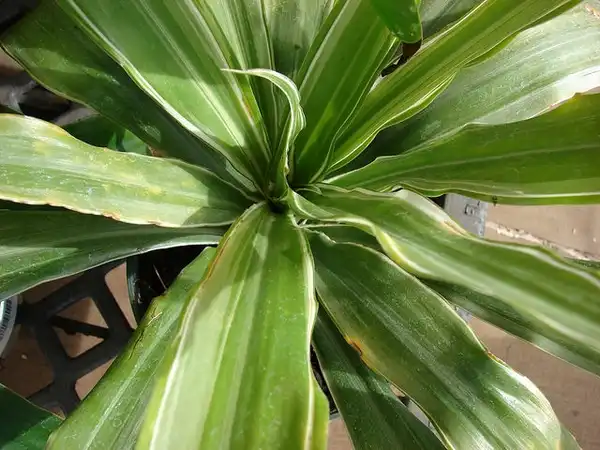
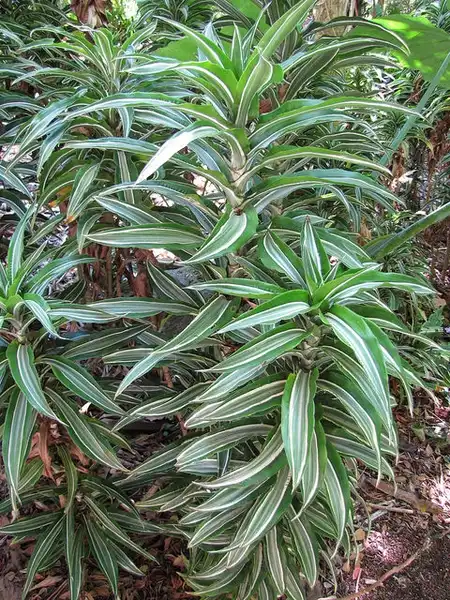
The corn plant, a slow-growing shrub native to frost-free tropical regions, is primarily cultivated as a houseplant. Its name derives from the similarity of its stem to that of a corn stalk. For optimal growth indoors, it should be placed in bright to moderately filtered light. While it can adapt to lower light conditions, direct sunlight may scorch its leaves, and insufficient light can cause the leaves to become narrow. During the growing season, maintain moist soil, but reduce watering in winter. Use standard potting soil in a container with drainage holes, and ensure a saucer is positioned beneath the pot to catch excess water, which should be discarded. Repot the plant when it begins to lift or when roots emerge from the drainage holes. If the indoor humidity is too low, the leaf tips may turn brown; misting the leaves can help mitigate this, especially during the winter months when heating is used. Ideally, keep the temperature above 50°F, with a preference for 70-80°F.
NASA has identified this plant as effective in removing indoor air pollutants.
In terms of pests and diseases, the corn plant is vulnerable to thrips and mealybugs. It is also sensitive to fluorides and salt buildup; if browning occurs on the leaves, consider using non-fluoridated water and flushing the soil monthly to remove excess salts.
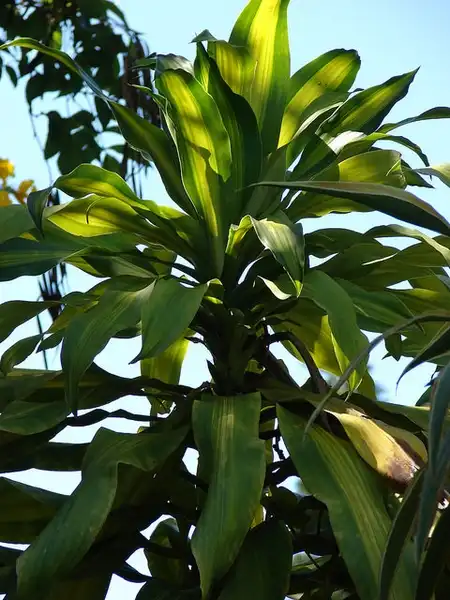
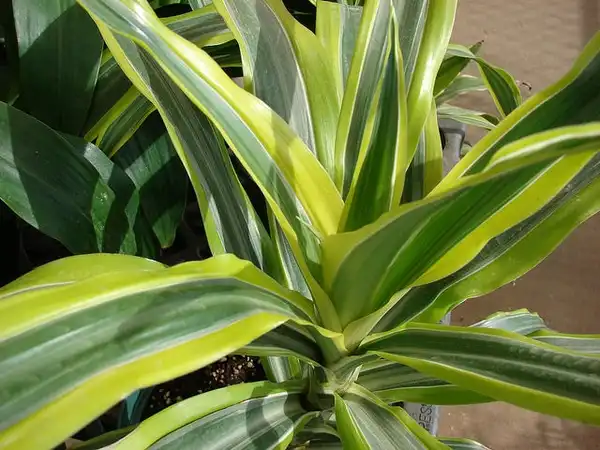
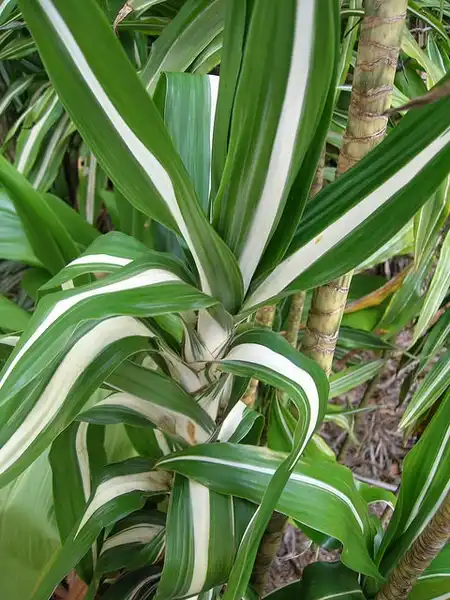
Previously classified under the Agavaceae family, this tropical shrub can grow up to 14.5 feet tall, typically with an unbranched trunk. Various cultivars of this species are utilized for air purification or as decorative specimens, fillers, screens, or hedges. As the plant matures, it develops a palm-like appearance and may drop leaves, but it can survive in low light for 2-3 years. Among the three commonly cultivated dragon palms, it is the most variable due to a wider selection of cultivars, characterized by medium-width leaves measuring between 1-2.5 inches. It thrives in medium light, prefers moist soil, and requires moderate humidity; dry air can lead to browning leaf tips and pest issues.
Dracaena fragrans Feature Summary
Dracaena fragrans Image Gallery