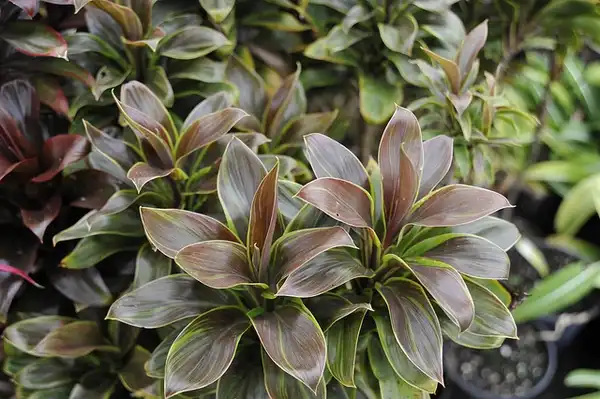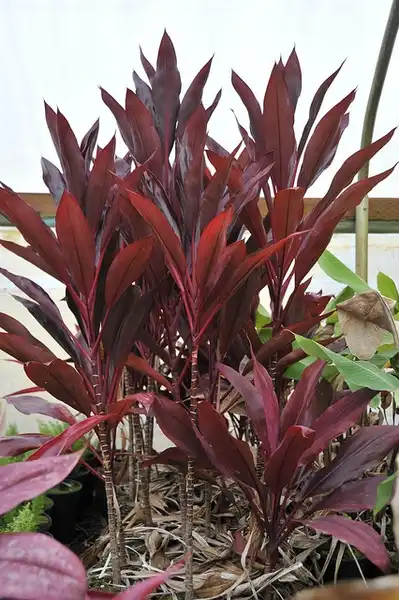
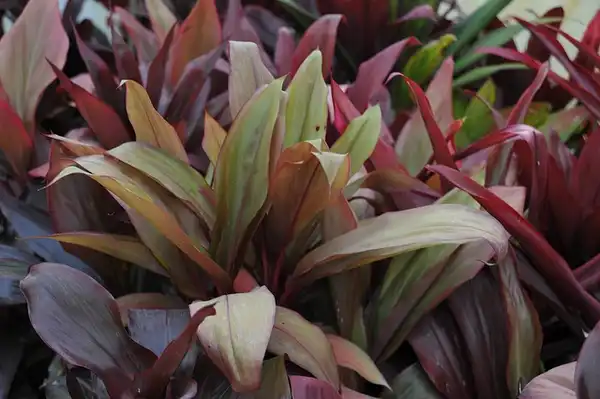
• Photo of Cordyline fruticosa (Cordyline fruticosas)

Plant Profile: Cordyline fruticosa

Taxonomy: Cordyline fruticosa

Names

Baby Doll Ti Plant, Good-Luck Plant, Hawaiian Ti Plant, Hawiian Ti, Ti Plant

  • Photo of Cordyline fruticosa (Cordyline fruticosas)

Phonetic Spelling:kor-di-LY-nee froo-tih-KOH-sah

Genus:Cordyline

Species:fruticosa

Family:Asparagaceae

This perennial tropical plant, often cultivated as a houseplant in temperate regions, is known for its vibrant foliage that can display hues of pale pink, green, purple, or deep red, depending on the specific variety. To preserve its colorful leaves, it thrives in bright light. Water the plant when the surface of the soil feels dry, ensuring that the pot does not sit in water. To increase humidity, place the plant on a saucer filled with pebbles and water. It is important to note that this plant is sensitive to fluoride, so using distilled water for irrigation may be necessary.

Previously classified under the Agavaceae family.

Identification Tips:
This tropical shrub can grow up to 13 feet tall. It is often mistaken for Dracaena species, which lack petioles; in contrast, the Ti plant is entirely green and is the type of grass used in Hawaiian hula skirts. It thrives in bright light, prefers moist soil, and requires medium humidity; if the air is too dry, the leaf tips may turn brown, and it can be susceptible to pests.

Cordyline fruticosa Feature Summary

Cordyline fruticosa Image Gallery

Tags

#evergreen
#houseplant
#purple leaves
#red leaves
#bright light
#interiorscape
#pink leaves
#variegated leaves
#vibrant
#attractive leaves
#fantz
#problem for cats
#problem for dogs
#problem for horses
#tropical feel
#container plants

Similar Plants

Cordyline fruticosa is often confused with:

Cordyline fruticosa Feature Summary

Attributes
Australia and Papua New Guinea
Fruit
Flowers
A terminal panicle. White or tinged yellow or red, radially symmetric, 6 tepals united at base to form tube, lobes reflexed.
Leaves
Crowded, simple, oblong-lanceolate, 1-2' x 2-4", green or tinged purple or red; petiole grooved.
Green
Variegated
Red/Burgundy
Pink
Purple/Lavender
Oblong
Lanceolate
> 6 inches
Stem
Clustered, erect, branched or unbranched.
Poisonous to Humans
Vomiting (occasionally with blood), depression, anorexia, hypersalivation, dilated pupils (cats)
Whole Plant Traits
Cultural Conditions
Full sun (6 or more hours of direct sunlight a day)
Good Drainage
Moist
Landscape
Container
Houseplants
Problem for Cats
Problem for Dogs
Problem for Horses

Cordyline fruticosa Attributes

Cordyline fruticosa: Country Or Region Of Origin

Australia and Papua New Guinea
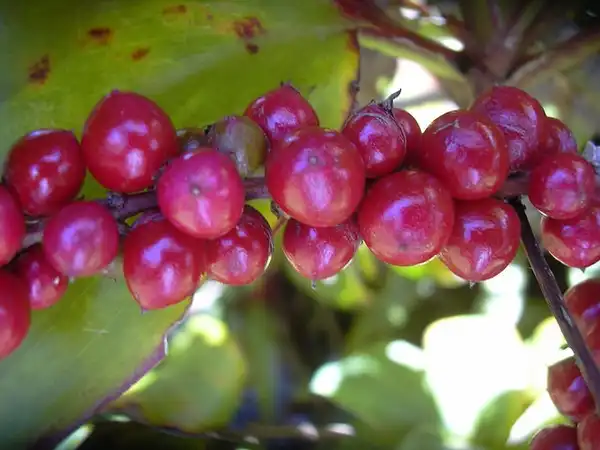
Cordyline fruticosa Fruit

Cordyline fruticosa: Fruit Description

A small berry.

Cordyline fruticosa: Fruit Type

Achene
Aggregate
Berry
Capsule
Caryopsis
Drupe
Follicle
Legume
Nut
Pome
Samara
Schizocarp
Siliqua

Cordyline fruticosa Flowers

Cordyline fruticosa: Flower Description

A terminal panicle. White or tinged yellow or red, radially symmetric, 6 tepals united at base to form tube, lobes reflexed.

Cordyline fruticosa: Flower Inflorescence

Catkin
Corymb
Cyme
Head
Insignificant
Panicle
Raceme
Solitary
Spadix
Spike
Umbel

Cordyline fruticosa Leaves

Cordyline fruticosa: Leaf Description

Crowded, simple, oblong-lanceolate, 1-2' x 2-4", green or tinged purple or red; petiole grooved.

Cordyline fruticosa: Woody Plant Leaf Characteristics

Broadleaf Evergreen
Deciduous
Needled Evergreen
Semi-evergreen

Cordyline fruticosa: Leaf Color

spa
Green
spa
Pink
spa
Purple/Lavender
spa
Red/Burgundy
spa
Variegated

Cordyline fruticosa: Leaf Type

Compound (Pinnately , Bipinnately, Palmately)
Fronds
Needles
Sheath
Simple

Cordyline fruticosa: Leaf Shape

Acicular
Auriculate
Cordate
Cuneate
Deltoid
Elliptical
Filiform
Lanceolate
Linear
Oblanceolate
Oblong
Obovate
Obtuse
Orbicular
Ovate
Palmasect
Palmatifid
Peltate
Pinnatifid
Pinnatisect
Reniform
Rhomboidal
Spatulate
Subcordate
Subulate

Cordyline fruticosa: Hairs Present

No
Yes

Cordyline fruticosa: Leaf Length

< 1 inch
1-3 inches
3-6 inches
> 6 inches

Cordyline fruticosa Stem

Cordyline fruticosa: Stem Description

Clustered, erect, branched or unbranched.

Cordyline fruticosa: Stem Is Aromatic

No
Yes

Cordyline fruticosa Poisonous to Humans

Cordyline fruticosa: Poison Symptoms

Vomiting (occasionally with blood), depression, anorexia, hypersalivation, dilated pupils (cats)

Cordyline fruticosa: Poison Toxic Principle

Saponins

Cordyline fruticosa: Poison Severity

High
Low
Medium

Cordyline fruticosa: Causes Contact Dermatitis

No
Yes

Cordyline fruticosa Whole Plant Traits

Cordyline fruticosa: Plant Type

Annual
Bulb
Carnivorous
Edible
Epiphyte
Fern
Ground Cover
Herb
Herbaceous Perennial
Houseplant
Mushroom
Native Plant
Ornamental Grasses and Sedges
Perennial
Poisonous
Rose
Shrub
Succulent
Tree
Turfgrass
Vegetable
Vine
Water Plant
Weed
Wildflower

Cordyline fruticosa: Woody Plant Leaf Characteristics

Broadleaf Evergreen
Deciduous
Needled Evergreen
Semi-evergreen

Cordyline fruticosa Cultural Conditions

Cordyline fruticosa: Light

Dappled Sunlight (Shade through upper canopy all day)
Deep shade (Less than 2 hours to no direct sunlight)
Full sun (6 or more hours of direct sunlight a day)
Partial Shade (Direct sunlight only part of the day, 2-6 hours)

Cordyline fruticosa: Soil Drainage

Frequent Standing Water
Good Drainage
Moist
Occasional Flooding
Occasionally Dry
Occasionally Wet
Very Dry

Cordyline fruticosa Landscape

Cordyline fruticosa: Landscape Location

Coastal
Container
Hanging Baskets
Houseplants
Lawn
Meadow
Naturalized Area
Near Septic
Patio
Pond
Pool/Hardscape
Recreational Play Area
Riparian
Rock Wall
Slope/Bank
Small Space
Vertical Spaces
Walkways
Woodland

Cordyline fruticosa: Problems

Allelopathic
Contact Dermatitis
Frequent Disease Problems
Frequent Insect Problems
Invasive Species
Malodorous
Messy
Poisonous to Humans
Problem for Cats
Problem for Children
Problem for Dogs
Problem for Horses
Short-lived
Spines/Thorns
Weak Wood
Weedy