Dieffenbachia seguine: Country Or Region Of Origin
Tropics
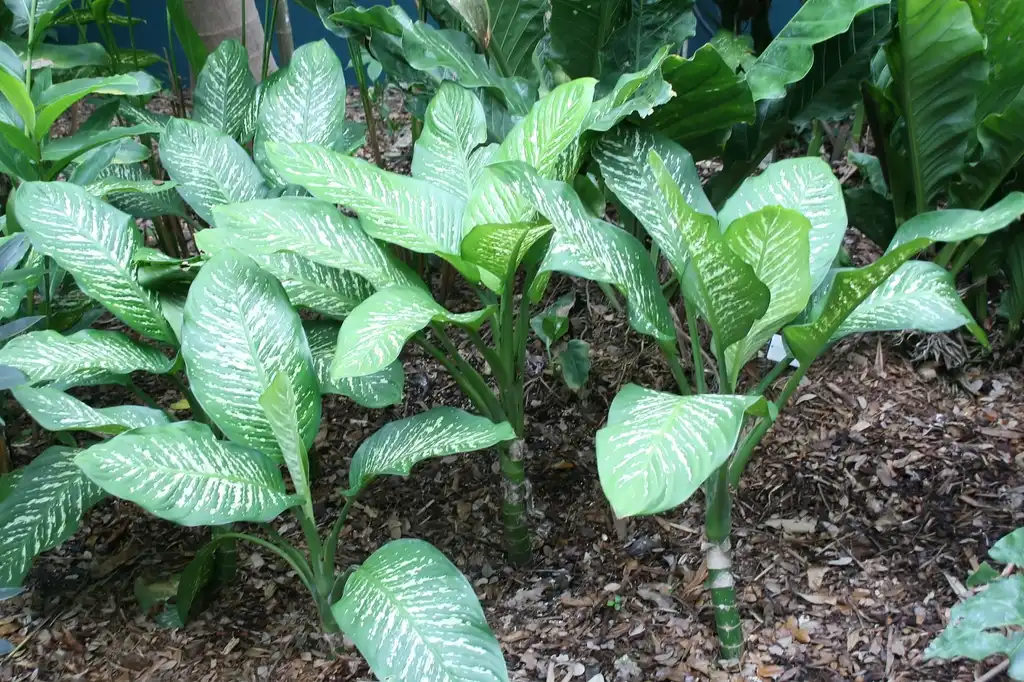
Phonetic Spelling:dee-fen-BAH-kee-ah seg-WINE
Genus:Dieffenbachia
Species:seguine
Family:Araceae
Dieffenbachia maculata is commonly cultivated as a houseplant, thriving in moderate light and indoor temperatures. However, it poses a risk to pets and children due to its toxicity.
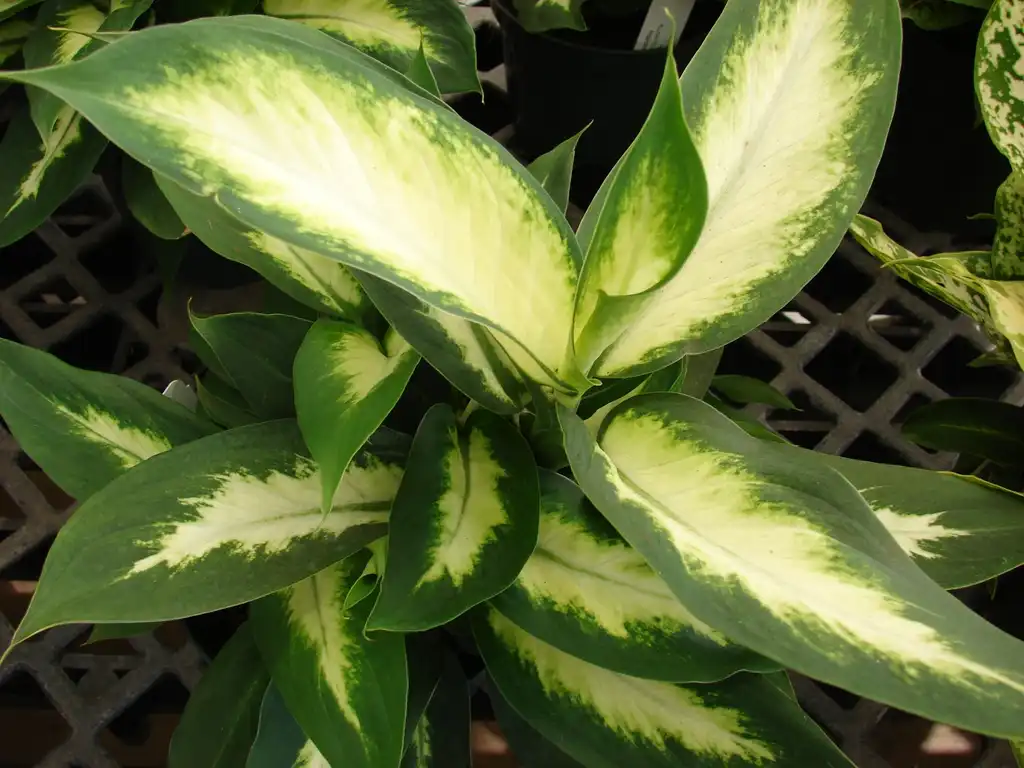
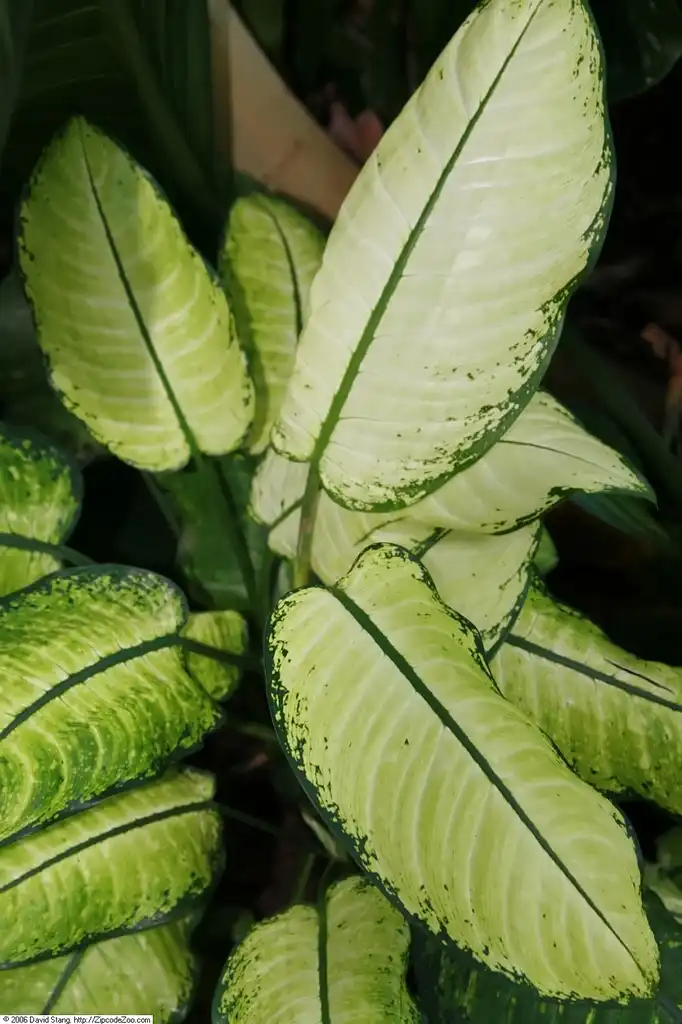
This plant boasts an exotic charm, featuring beautifully shaped leaves adorned with strokes of cream, yellow, and white that accentuate their form. The vibrant green foliage, complemented by these colorful markings, makes it a striking addition to any home.
**Quick Identification Tips:**
This evergreen tropical perennial can grow up to 8 feet tall, typically exhibiting an upright and minimally branched structure. It is favored for indoor environments due to its upright growth and large, variegated leaves, although it rarely flowers indoors.
To differentiate it from Aglaonema species, one can count the prominent lateral veins; Aglaonemas typically have 5 to 8 main veins, while Dieffenbachias feature more than 8, often ranging from 20 to 30. Additionally, it can be recognized from Spathiphyllum by its distinctive sugarcane-like stem.
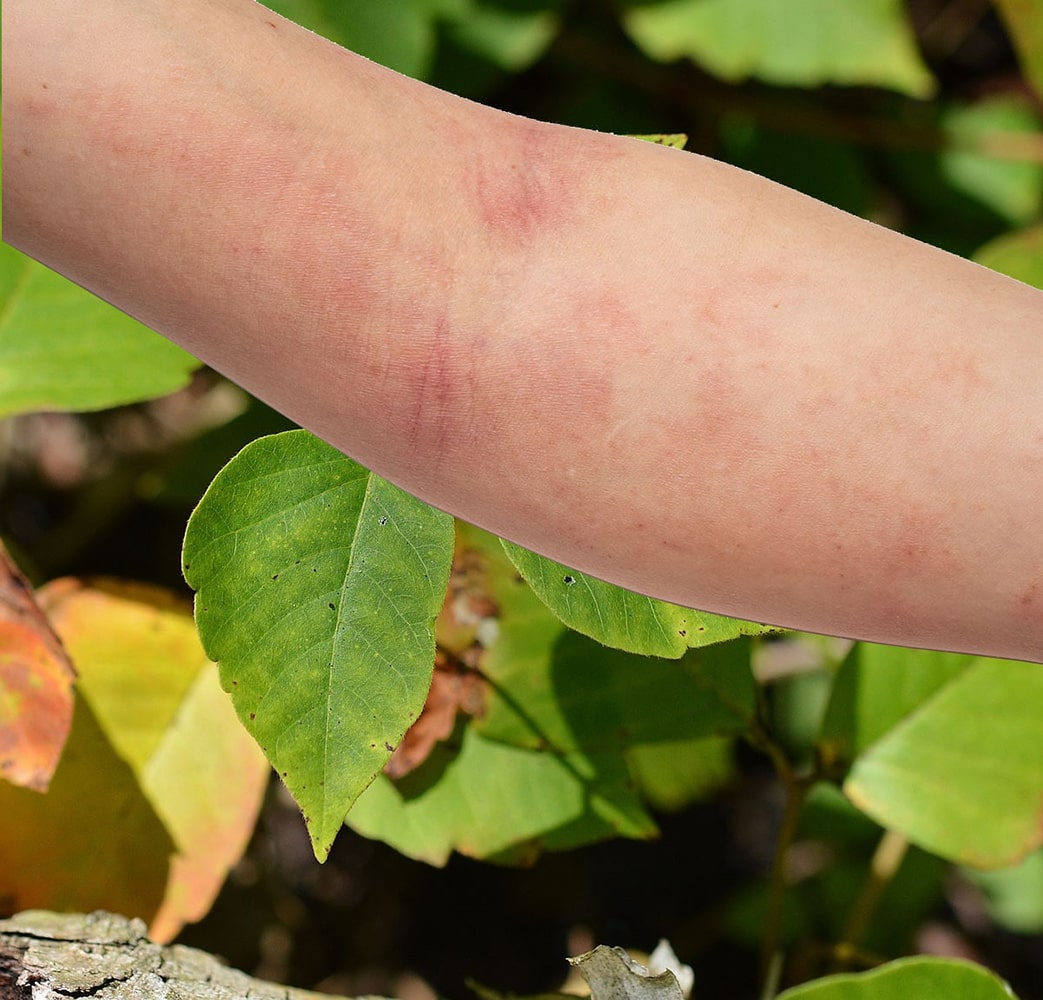
The nickname "dumbcane" stems from the irritating sap containing oxalate crystals, which can cause a burning sensation in the mouth and throat, leading to difficulty speaking and gasping for air as the crystals irritate the larynx, potentially resulting in scar tissue that distorts sound.
It is essential to wash your hands after handling this plant and to avoid contact with your eyes and mouth. Care should be taken to keep it out of reach of young children and pets, such as cats, who might be tempted to nibble on the leaves.
Dieffenbachia maculata is often used as a specimen or background plant. It does not tolerate low winter temperatures, cold drafts, or overly moist soil; it thrives best in medium to bright light, with dry soil and moderate humidity, while being susceptible to various pests and diseases.
Dieffenbachia seguine Feature Summary
Dieffenbachia seguine Image Gallery