Spathiphyllum: Country Or Region Of Origin
Mexico, Tropical America, Malesia, and Western Pacific
Phonetic Spelling:spath-ee-FIL-um
Genus:Spathiphyllum
Species:
Family:Araceae
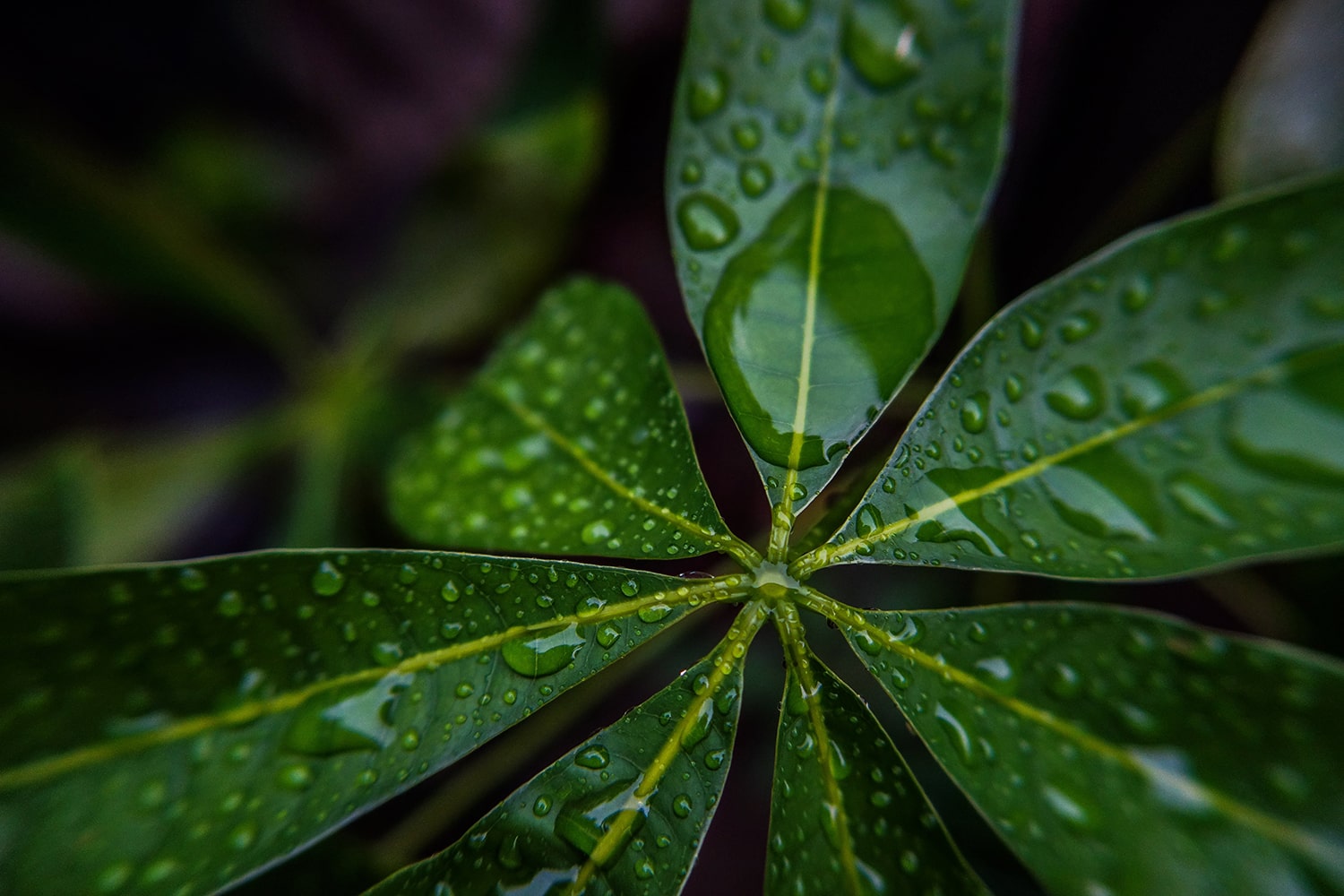
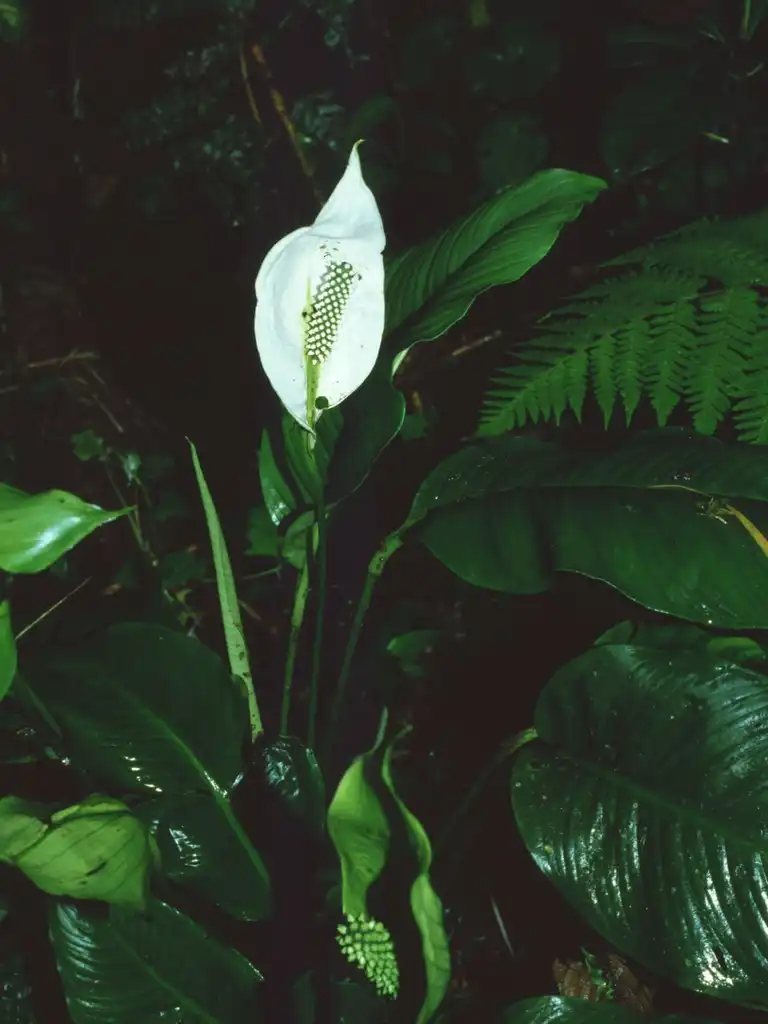
Spathiphyllum, commonly known as the 'Peace Lily,' encompasses around 40 species of flowering plants. This herbaceous perennial is primarily cultivated as a houseplant. While it can reach heights of up to 6 feet, it typically grows to about 3 feet indoors. Its striking deep-green, glossy leaves and white flowers, which bloom intermittently in moderate light and have a long lifespan, make it a favored choice for interior decor. The plant does not have a specific flowering season, blooming freely and thriving even in heavy shade.
For optimal growth, the 'Peace Lily' prefers moist soil that is not overly saturated. It’s important to let the soil dry out between waterings without allowing the plant to wilt, as wilting can lead to yellowing leaves. Use room-temperature water that has been left to sit, allowing chlorine to dissipate. Spathiphyllum thrives with sub-irrigation and adapts well to low-light conditions, although it favors bright, filtered light. Avoid placing it in direct sunlight. When fertilizing, use a quarter of the recommended strength, as excessive fertilization can cause root and leaf tip burn. The ideal temperature range for this plant is between 68 and 85°F during the day, with no more than a 10-degree drop at night. It requires a spacious pot and should be kept somewhat root-bound, with repotting recommended in February or March if necessary.
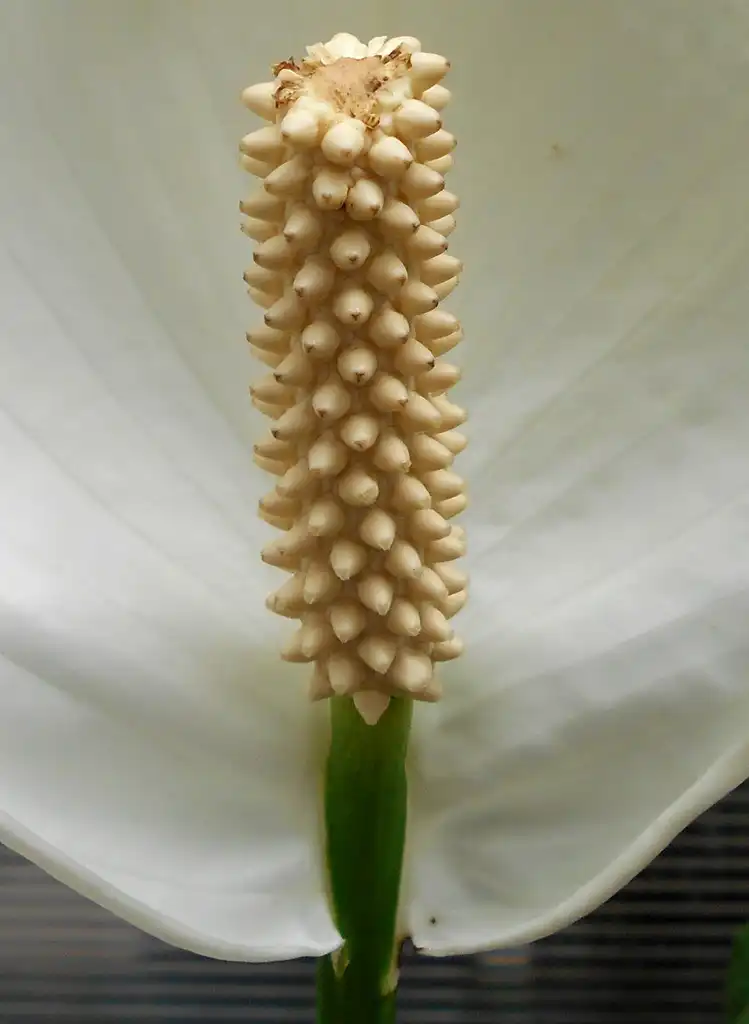
As the 'Peace Lily' matures, it remains acaulescent, giving the appearance of having no stem. This low-maintenance plant is admired for its glossy green foliage and its unique ability to flower in moderate light. The pure white blooms transition to a pale green hue after about ten days, maintaining their beauty for at least another month. According to the NASA Clean Air Study, Spathiphyllum is effective at purifying indoor air by removing certain pollutants, such as benzene and formaldehyde.
**Insects, Diseases, and Other Plant Issues:**
Growth can be significantly hindered by cold and drafty conditions, particularly when temperatures drop into the 40s and 50s. Prolonged exposure to temperatures below 40°F can harm the leaves, stems, and roots. Mealybugs are among the most common indoor pests. To enhance the plant's appearance and eliminate some pests that tend to congregate on the undersides of the leaves, regularly wipe the foliage with a damp cloth to remove dust.