Plant Profile: Anthurium

Taxonomy: Anthurium

Names

Anthurium, Flamingo Flower, Flamingo Lily, Tailflower

  • Photo of Anthurium (Anthuriums)

Phonetic Spelling:an-THUR-ee-um

Genus:Anthurium

Species:

Family:Araceae

This evergreen tropical perennial shrub can reach heights of up to 3 feet and features an upright, multi-stemmed growth habit. Commonly found as a houseplant, Anthuriums are prized for their vibrant flower spathes and attractive foliage. They thrive in bright, indirect light.

In their natural tropical habitats, these plants bloom from spring to summer, making them a popular choice for indoor spaces due to their long-lasting pink to reddish flowers and lush, deep green leaves. The spadix, which is positioned at a right angle to the spathe, may exhibit a corkscrew twist in certain species. Anthuriums are often utilized in interior design as striking specimens or for temporary floral displays.

These plants prefer medium to high light conditions, consistently moist soil, and low to medium humidity levels. Fortunately, they are not typically affected by serious pest issues.

Quick Identification Tips:

Anthurium Feature Summary

Anthurium Image Gallery

Tags

#red
#white
#poisonous
#houseplant
#white flowers
#green
#shrub
#red flowers
#green flowers
#yellow flowers
#low light
#bright light
#interiorscape
#waxy
#spadix
#spathe
#shiny
#interior
#heart-shaped
#leathery
#fantz
#tropical feel

Similar Plants

Anthurium is often confused with:

Anthurium Feature Summary

Attributes
Mexico to Tropical America
Fruit
A globose berry.
Flowers
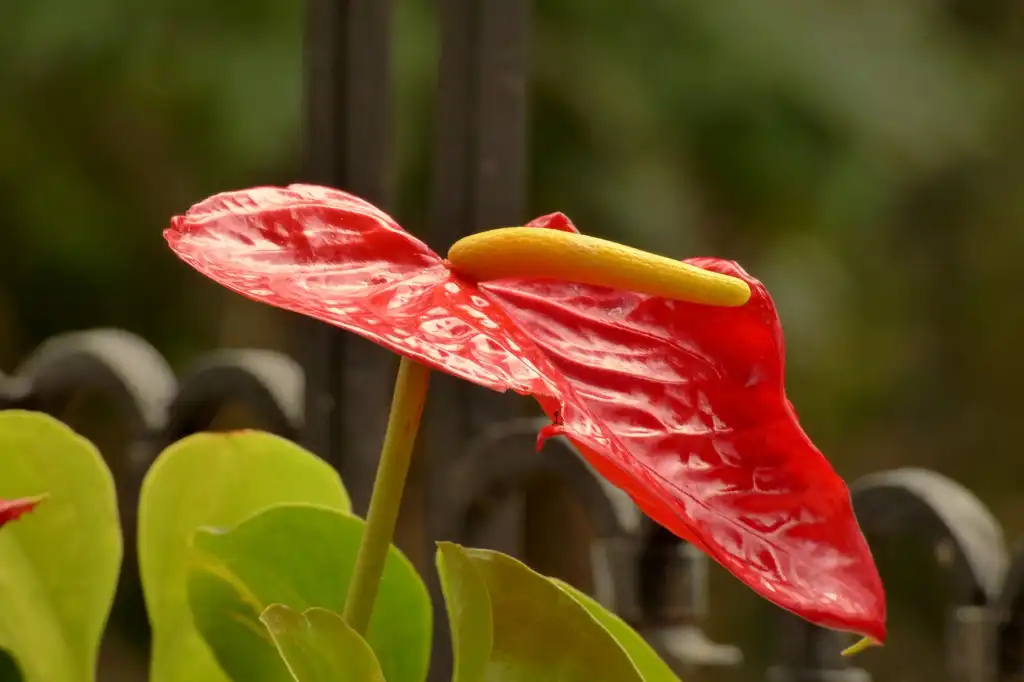
The flowers are small, in a slender (white, green, or yellow) spadix with a spathe below which may be shiny red, white, or other colors. Spathes are heart-shaped and waxy. A spadix, erect, cylindric, often tapering, sometimes twisted; spathe persistent, in right angle to spadix, usually flat, sometimes hooded, erect, spreading or reflexed, margins not overlapping at base, colorful, usually pink to red; scape long, taller than foliage.
White
Gold/Yellow
Red/Burgundy
Green
Leaves
This perennial herb has dark green, heart-shaped, and leathery leaves. Alternate, simple, crowded, cordate to lanceolate, acute, truncate to subcordate base, entire or palmately lobed, peltate, moderately coriaceous; petiole usually long, pulvinate at apex.
Cordate
Lanceolate
Leathery
Stem
Short, erect, sometimes elongate, climbing, with adventitious aerial roots.
Poisonous to Humans
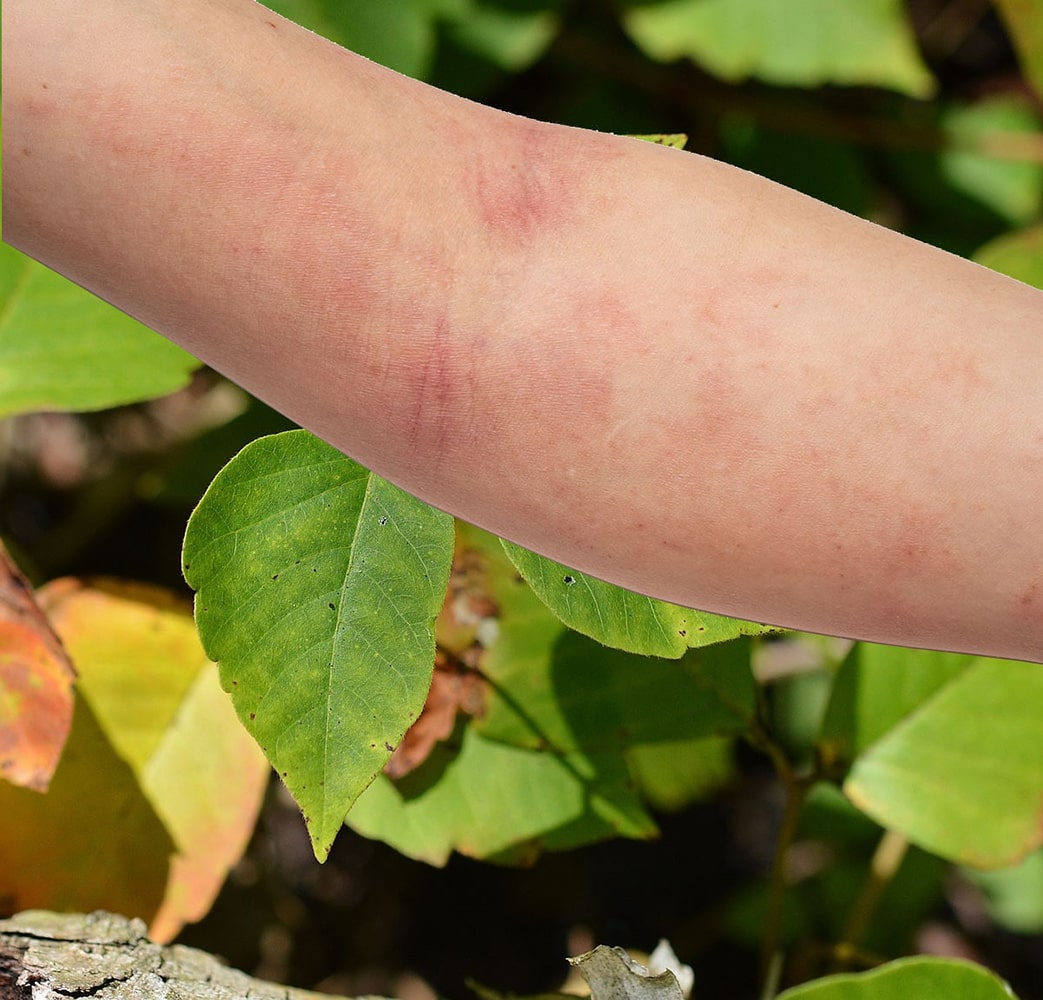
TOXIC ONLY IF LARGE QUANTITIES EATEN. CAUSES SEVERE PAIN IN THE MOUTH IF EATEN! SKIN IRRITATION MINOR OR LASTING ONLY FOR A FEW MINUTES. Poisonous through dermatitis, ingestion, and eye irritant. (Poisonous parts: All parts). Symptoms may include: Irritation of mouth and digestive symptoms if ingested; irritation of skin and eyes following contact with sap.
Calcium oxalate crystals
Seeds
Leaves
Stems
Flowers
Bark
Fruits
Roots
Whole Plant Traits
Herbaceous Perennial
Poisonous
Houseplant
Cultural Conditions
Full sun (6 or more hours of direct sunlight a day)
Partial Shade (Direct sunlight only part of the day, 2-6 hours)
Landscape
Poisonous to Humans
Contact Dermatitis

Anthurium Attributes

Anthurium: Country Or Region Of Origin

Mexico to Tropical America
Anthurium Fruit

Anthurium: Fruit Description

A globose berry.

Anthurium: Fruit Type

Achene
Aggregate
Berry
Capsule
Caryopsis
Drupe
Follicle
Legume
Nut
Pome
Samara
Schizocarp
Siliqua

Anthurium Flowers

Anthurium: Flower Description

The flowers are small, in a slender (white, green, or yellow) spadix with a spathe below which may be shiny red, white, or other colors. Spathes are heart-shaped and waxy. A spadix, erect, cylindric, often tapering, sometimes twisted; spathe persistent, in right angle to spadix, usually flat, sometimes hooded, erect, spreading or reflexed, margins not overlapping at base, colorful, usually pink to red; scape long, taller than foliage.

Anthurium: Flower Color

filter_vintage
Gold/Yellow
filter_vintage
Green
filter_vintage
Red/Burgundy
filter_vintage
White

Anthurium: Flower Inflorescence

Catkin
Corymb
Cyme
Head
Insignificant
Panicle
Raceme
Solitary
Spadix
Spike
Umbel

Anthurium Leaves

Anthurium: Leaf Description

This perennial herb has dark green, heart-shaped, and leathery leaves. Alternate, simple, crowded, cordate to lanceolate, acute, truncate to subcordate base, entire or palmately lobed, peltate, moderately coriaceous; petiole usually long, pulvinate at apex.

Anthurium: Leaf Color

spa
Green

Anthurium: Leaf Type

Compound (Pinnately , Bipinnately, Palmately)
Fronds
Needles
Sheath
Simple

Anthurium: Leaf Arrangement

Alternate
Opposite
Other/more complex
Rosulate
Whorled

Anthurium: Leaf Shape

Acicular
Auriculate
Cordate
Cuneate
Deltoid
Elliptical
Filiform
Lanceolate
Linear
Oblanceolate
Oblong
Obovate
Obtuse
Orbicular
Ovate
Palmasect
Palmatifid
Peltate
Pinnatifid
Pinnatisect
Reniform
Rhomboidal
Spatulate
Subcordate
Subulate

Anthurium: Leaf Margin

Crenate
Crenulate
Dentate
Denticulate
Doubly Crenate
Doubly Dentate
Doubly Serrate
Entire
Lobed
Serrate
Sinuate
Undulate

Anthurium: Hairs Present

No
Yes

Anthurium: Leaf Feel

Fleshy
Glossy
Leathery
Papery
Prickly
Rough
Rubbery
Slippery
Smooth
Soft
Velvety
Waxy

Anthurium Stem

Anthurium: Stem Description

Short, erect, sometimes elongate, climbing, with adventitious aerial roots.

Anthurium: Stem Is Aromatic

No
Yes

Anthurium Poisonous to Humans

Anthurium: Poison Symptoms

TOXIC ONLY IF LARGE QUANTITIES EATEN. CAUSES SEVERE PAIN IN THE MOUTH IF EATEN! SKIN IRRITATION MINOR OR LASTING ONLY FOR A FEW MINUTES. Poisonous through dermatitis, ingestion, and eye irritant. (Poisonous parts: All parts). Symptoms may include: Irritation of mouth and digestive symptoms if ingested; irritation of skin and eyes following contact with sap.

Anthurium: Poison Toxic Principle

Calcium oxalate crystals

Anthurium: Poison Severity

High
Low
Medium

Anthurium: Causes Contact Dermatitis

No
Yes

Anthurium: Poison Part

Bark
Flowers
Fruits
Leaves
Roots
Sap/Juice
Seeds
Stems

Anthurium Whole Plant Traits

Anthurium: Plant Type

Annual
Bulb
Carnivorous
Edible
Epiphyte
Fern
Ground Cover
Herb
Herbaceous Perennial
Houseplant
Mushroom
Native Plant
Ornamental Grasses and Sedges
Perennial
Poisonous
Rose
Shrub
Succulent
Tree
Turfgrass
Vegetable
Vine
Water Plant
Weed
Wildflower

Anthurium Cultural Conditions

Anthurium: Light

Dappled Sunlight (Shade through upper canopy all day)
Deep shade (Less than 2 hours to no direct sunlight)
Full sun (6 or more hours of direct sunlight a day)
Partial Shade (Direct sunlight only part of the day, 2-6 hours)

Anthurium: Soil Drainage

Frequent Standing Water
Good Drainage
Moist
Occasional Flooding
Occasionally Dry
Occasionally Wet
Very Dry

Anthurium Landscape

Anthurium: Landscape Location

Coastal
Container
Hanging Baskets
Houseplants
Lawn
Meadow
Naturalized Area
Near Septic
Patio
Pond
Pool/Hardscape
Recreational Play Area
Riparian
Rock Wall
Slope/Bank
Small Space
Vertical Spaces
Walkways
Woodland

Anthurium: Problems

Allelopathic
Contact Dermatitis
Frequent Disease Problems
Frequent Insect Problems
Invasive Species
Malodorous
Messy
Poisonous to Humans
Problem for Cats
Problem for Children
Problem for Dogs
Problem for Horses
Short-lived
Spines/Thorns
Weak Wood
Weedy