Galanthus elwesii: Country Or Region Of Origin
Balkans, western Turkey
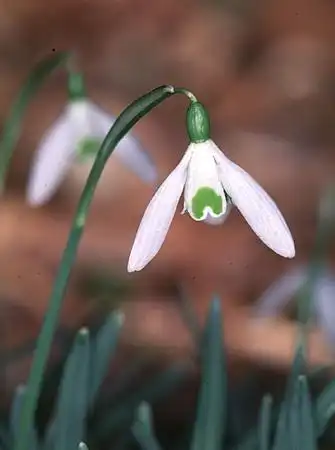
Phonetic Spelling:guh-LAN-thus el-WEZ-ee-eye
Genus:Galanthus
Species:elwesii
Family:Amaryllidaceae
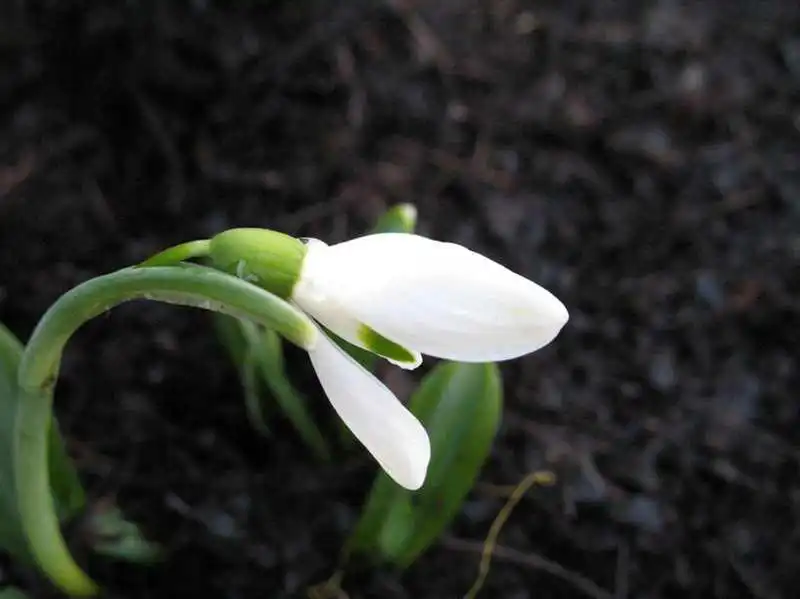
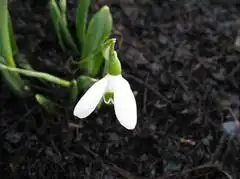
This species is often referred to as the giant snowdrop due to its larger flowers and leaves compared to the more common snowdrop (G. nivalis). It is a bulbous perennial characterized by 2-3 strap-like basal leaves. The plant produces solitary flowers on bare stems, each consisting of six white petals, with the inner segments featuring a distinctive green mark at the tip. Its blooming period occurs from February to March, even in snowy conditions.
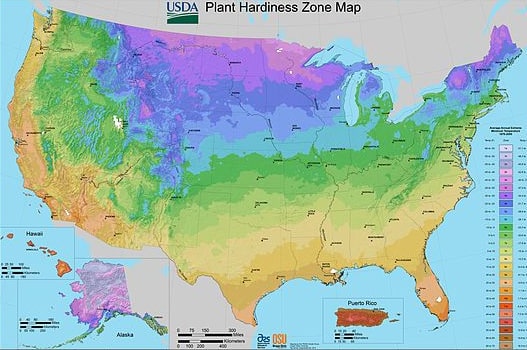
The giant snowdrop thrives in well-drained soil and prefers full sun to partial shade. When grown in partial shade, it requires additional moisture and flourishes particularly well beneath deciduous trees. This plant favors cooler climates and may have a shorter lifespan in regions south of Zone 7; it is susceptible to damage if temperatures drop below 14 degrees Fahrenheit. It readily naturalizes through self-seeding and bulb offsets, potentially forming extensive colonies that can cover up to 400 square feet. For optimal growth, plant them 0-2 inches apart, with a density of 60-400 per square foot, and bury them 5 inches deep.
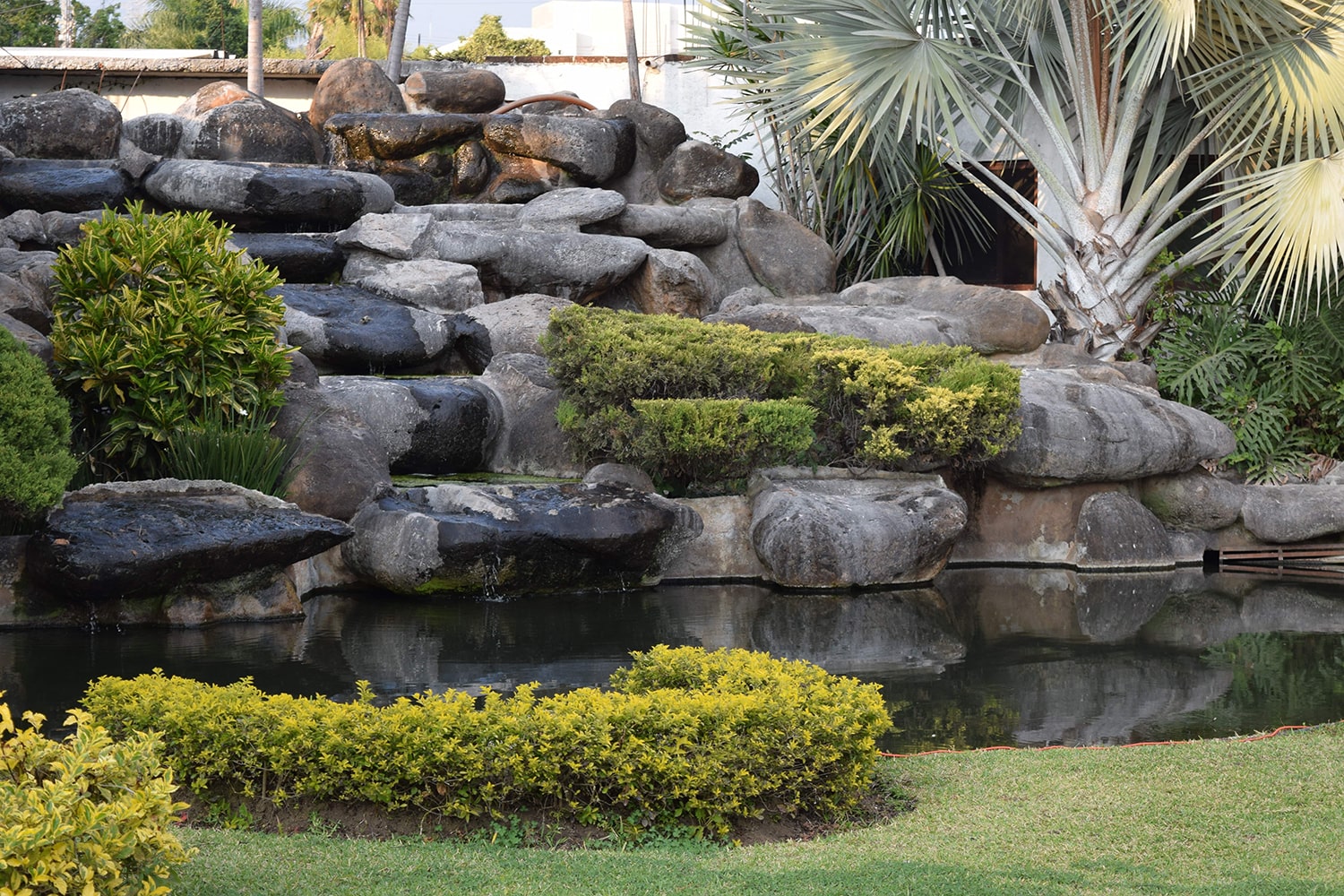
These flowers are best showcased in naturalized settings, such as open woodlands, woodland edges, or lawns beneath large deciduous trees. They can also be effectively incorporated into rock gardens, along pathways, or in front of shrubs.
Galanthus elwesii Feature Summary
Galanthus elwesii Image Gallery