Plant Profile: Hypericum perforatum

Taxonomy: Hypericum perforatum

Names

Common St. John's-wort, Goatweed, Klamath Weed, St. Johns Wort

  • Photo of Hypericum perforatum (Hypericum perforatums)

Phonetic Spelling:hy-PER-ih-kum per-fuh-RAY-tum

Genus:Hypericum

Species:perforatum

Family:Hypericaceae

Origin: Europe

Ecological Role: Enhances wildlife habitats

Important Consideration: May become invasive

Common Locations: Found along roadsides, in fields, and in disturbed areas

Geographic Distribution: Present in the Northwest, Rocky Mountains, Southwest, Southeast, and Northeast regions

Botanical Family: Hypericaceae (Guttifereae)

Identification Tips:

This plant can be a deciduous or evergreen shrub, a small tree, or an herb. The genus Hypericum comprises approximately 400 species, which vary in their blooming periods and cultural needs.

Hypericum perforatum Feature Summary

Hypericum perforatum Image Gallery
Tags

#yellow flowers
#nectar plant
#playground
#children's garden
#pollinator plant
#wildflower garden
#fantz
#problem for cats
#problem for dogs
#problem for horses

Similar Plants

Hypericum perforatum Feature Summary

Attributes
Native Americans have been known to use this plant for medicinal purposes.
Perennial
Wildlife Food Source
Attracts Pollinators
Fruit
A (2)3-5 celled capsule, sometimes fleshy.
Brown/Copper
Flowers
Yellow petals with black dots on margins; bushy stamens. Solitary or cymose, terminal or axillary. Yellow (usually) 5-petaled (rarely 4), 5 sepals (rarely 4); stamens numerous, in bundles or in showy boss;
Gold/Yellow
Spring
Summer
4-5 petals/rays
1-3 inches
Leaves
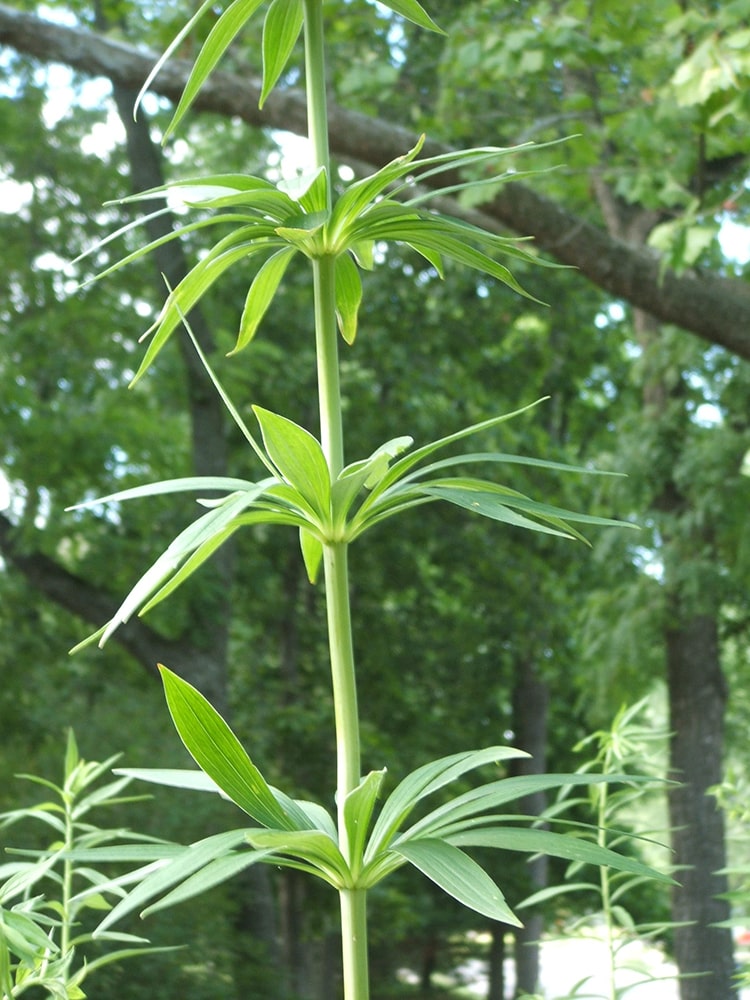
Toothless leaves dotted with tiny translucent or black glands. Opposite or whorled, decussate, simple, entire; sessile or petiole short.
Opposite
Whorled
Stem
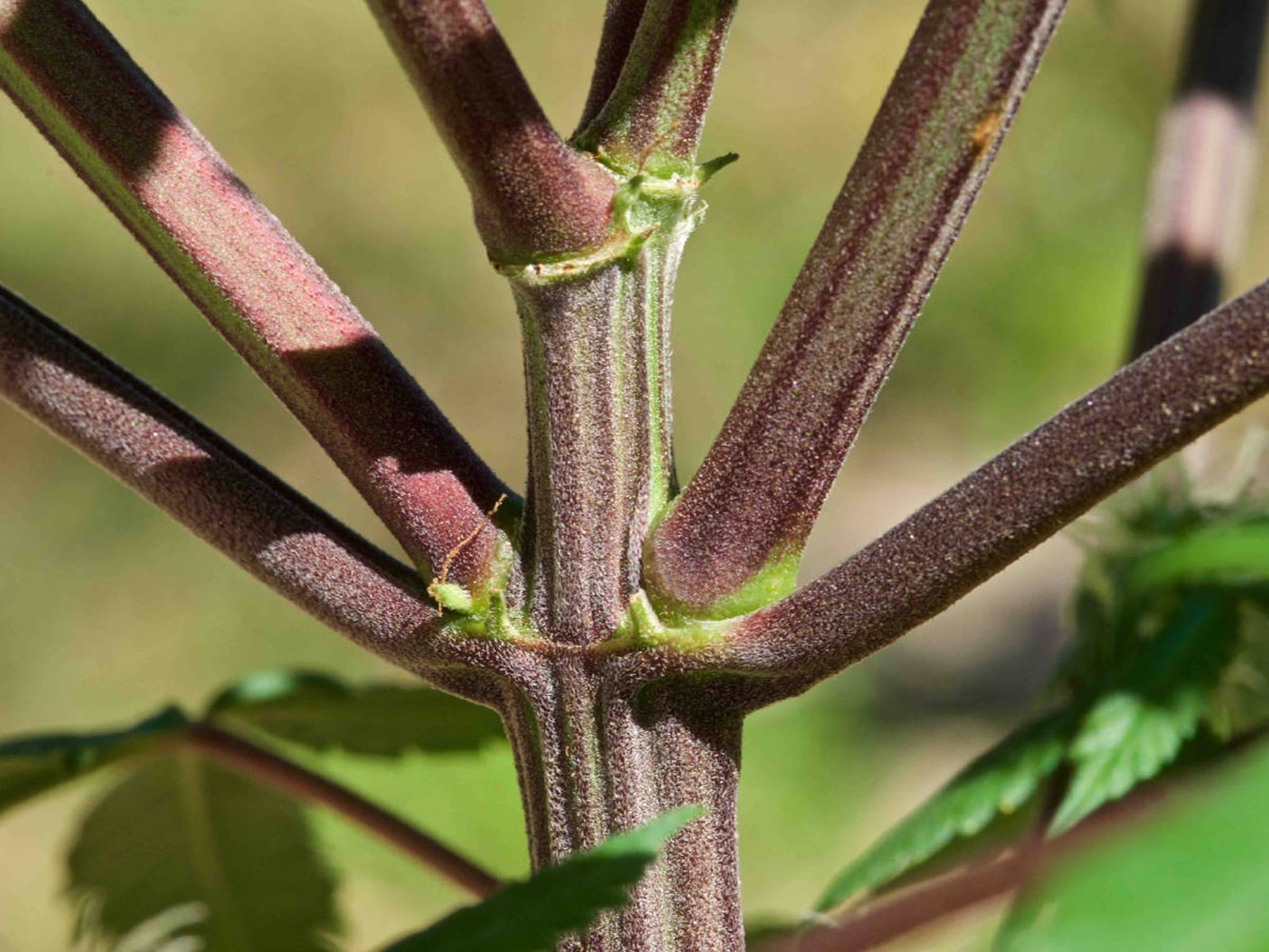
Contain 2 to 4(up to 6) ridges on newer growth, smooth and rounded on older growth.
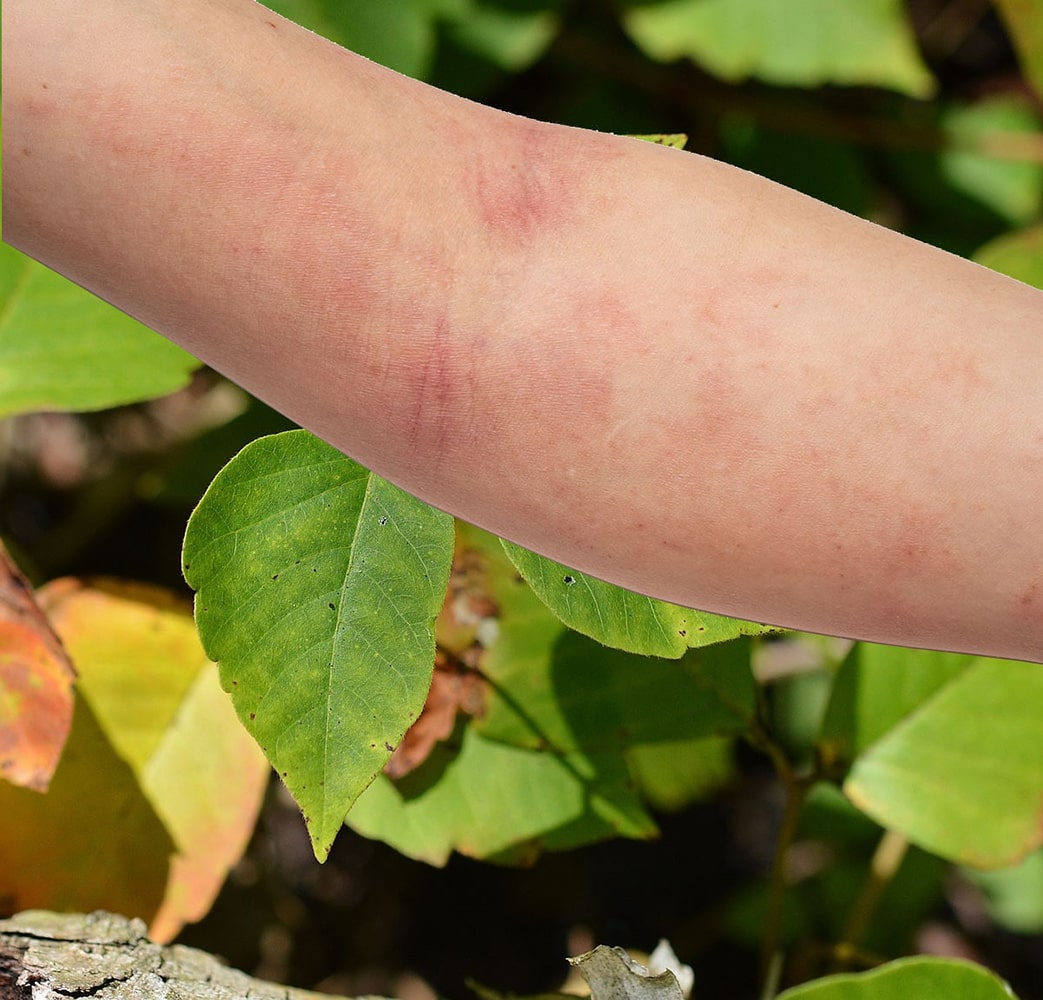
Poisonous to Humans
Photosensitization (ulcerative and exudative dermatitis).
Whole Plant Traits
Perennial
Wildflower
Ground Cover
Spreading
Medium
Cultural Conditions
Good Drainage
Moist
4a
4b
5b
5a
6a
6b
7a
7b
8b
8a
Landscape
Pollinator Garden
Children's Garden
Recreational Play Area
Slope/Bank
Pollinators
Problem for Cats
Problem for Dogs
Problem for Horses

Hypericum perforatum Attributes

Hypericum perforatum: Uses (Ethnobotany)

Native Americans have been known to use this plant for medicinal purposes.

Hypericum perforatum: Life Cycle

Annual
Biennial
Bulb
Perennial
Woody

Hypericum perforatum: Play Value

Attractive Flowers
Attracts Pollinators
Buffer
Colorful
Defines Paths
Easy to Grow
Edible fruit
Fragrance
Pieces Used in Games
Screening
Shade
Sound
Textural
Wildlife Cover/Habitat
Wildlife Food Source
Wildlife Larval Host
Wildlife Nesting
Wind Break
Wind Shimmer

Hypericum perforatum Fruit

Hypericum perforatum: Fruit Description

A (2)3-5 celled capsule, sometimes fleshy.

Hypericum perforatum: Fruit Type

Achene
Aggregate
Berry
Capsule
Caryopsis
Drupe
Follicle
Legume
Nut
Pome
Samara
Schizocarp
Siliqua

Hypericum perforatum: Fruit Color

grass
Brown/Copper

Hypericum perforatum: Display/Harvest Time

Fall
Spring
Summer
Winter

Hypericum perforatum Flowers

Hypericum perforatum: Flower Description

Yellow petals with black dots on margins; bushy stamens. Solitary or cymose, terminal or axillary. Yellow (usually) 5-petaled (rarely 4), 5 sepals (rarely 4); stamens numerous, in bundles or in showy boss;

Hypericum perforatum: Flower Color

filter_vintage
Gold/Yellow

Hypericum perforatum: Flower Inflorescence

Catkin
Corymb
Cyme
Head
Insignificant
Panicle
Raceme
Solitary
Spadix
Spike
Umbel

Hypericum perforatum: Flower Bloom Time

Winter
Spring
Summer
Fall

Hypericum perforatum: Flower Petals

2-3 rays/petals
4-5 petals/rays
6 petals/rays
7 - 20 petals/rays
asymmetrical petals
Bracts
Colored Sepals
fused petals
more than 20 petals/rays
Tepals

Hypericum perforatum: Flower Size

1-3 inches
3-6 inches
< 1 inch
> 6 inches

Hypericum perforatum Leaves

Hypericum perforatum: Leaf Description

Toothless leaves dotted with tiny translucent or black glands. Opposite or whorled, decussate, simple, entire; sessile or petiole short.

Hypericum perforatum: Woody Plant Leaf Characteristics

Broadleaf Evergreen
Deciduous
Needled Evergreen
Semi-evergreen

Hypericum perforatum: Leaf Color

spa
Green

Hypericum perforatum: Leaf Type

Compound (Pinnately , Bipinnately, Palmately)
Fronds
Needles
Sheath
Simple

Hypericum perforatum: Leaf Arrangement

Alternate
Opposite
Other/more complex
Rosulate
Whorled

Hypericum perforatum: Leaf Margin

Crenate
Crenulate
Dentate
Denticulate
Doubly Crenate
Doubly Dentate
Doubly Serrate
Entire
Lobed
Serrate
Sinuate
Undulate

Hypericum perforatum: Hairs Present

No
Yes

Hypericum perforatum Stem

Hypericum perforatum: Stem Description

Contain 2 to 4(up to 6) ridges on newer growth, smooth and rounded on older growth.

Hypericum perforatum: Stem Is Aromatic

No
Yes

Hypericum perforatum Poisonous to Humans

Hypericum perforatum: Poison Symptoms

Photosensitization (ulcerative and exudative dermatitis).

Hypericum perforatum: Poison Toxic Principle

Hypericin

Hypericum perforatum: Poison Severity

High
Low
Medium

Hypericum perforatum: Causes Contact Dermatitis

No
Yes

Hypericum perforatum Whole Plant Traits

Hypericum perforatum: Plant Type

Annual
Bulb
Carnivorous
Edible
Epiphyte
Fern
Ground Cover
Herb
Herbaceous Perennial
Houseplant
Mushroom
Native Plant
Ornamental Grasses and Sedges
Perennial
Poisonous
Rose
Shrub
Succulent
Tree
Turfgrass
Vegetable
Vine
Water Plant
Weed
Wildflower

Hypericum perforatum: Woody Plant Leaf Characteristics

Broadleaf Evergreen
Deciduous
Needled Evergreen
Semi-evergreen

Hypericum perforatum: Habit/Form

Arching
Ascending
Broad
Cascading
Climbing
Clumping
Columnar
Conical
Creeping
Dense
Erect
Horizontal
Irregular
Mounding
Multi-stemmed
Multi-trunked
Open
Oval
Prostrate
Pyramidal
Rounded
Spreading
Vase
Weeping

Hypericum perforatum: Growth Rate

Slow
Medium
Rapid

Hypericum perforatum: Texture

Fine
Medium
Coarse

Hypericum perforatum Cultural Conditions

Hypericum perforatum: Soil Drainage

Frequent Standing Water
Good Drainage
Moist
Occasional Flooding
Occasionally Dry
Occasionally Wet
Very Dry

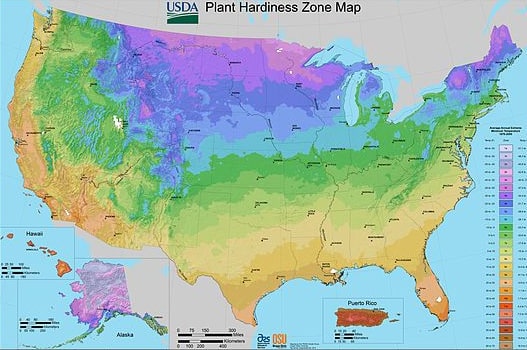
Hypericum perforatum: USDA Plant Hardiness Zone

thermostat
4a
thermostat
4b
thermostat
5a
thermostat
5b
thermostat
6a
thermostat
6b
thermostat
7a
thermostat
7b
thermostat
8a
thermostat
8b

Hypericum perforatum Landscape

Hypericum perforatum: Landscape Theme

Asian Garden
Butterfly Garden
Children's Garden
Cottage Garden
Cutting Garden
Drought Tolerant Garden
Edible Garden
English Garden
Fairy Garden
Garden for the Blind
Native Garden
Nighttime Garden
Pollinator Garden
Rain Garden
Rock Garden
Shade Garden
Water Garden
Winter Garden

Hypericum perforatum: Landscape Location

Coastal
Container
Hanging Baskets
Houseplants
Lawn
Meadow
Naturalized Area
Near Septic
Patio
Pond
Pool/Hardscape
Recreational Play Area
Riparian
Rock Wall
Slope/Bank
Small Space
Vertical Spaces
Walkways
Woodland

Hypericum perforatum: Attracts

Bats
Bees
Butterflies
Frogs
Hummingbirds
Moths
Pollinators
Predatory Insects
Reptiles
Small Mammals
Songbirds
Specialized Bees

Hypericum perforatum: Problems

Allelopathic
Contact Dermatitis
Frequent Disease Problems
Frequent Insect Problems
Invasive Species
Malodorous
Messy
Poisonous to Humans
Problem for Cats
Problem for Children
Problem for Dogs
Problem for Horses
Short-lived
Spines/Thorns
Weak Wood
Weedy