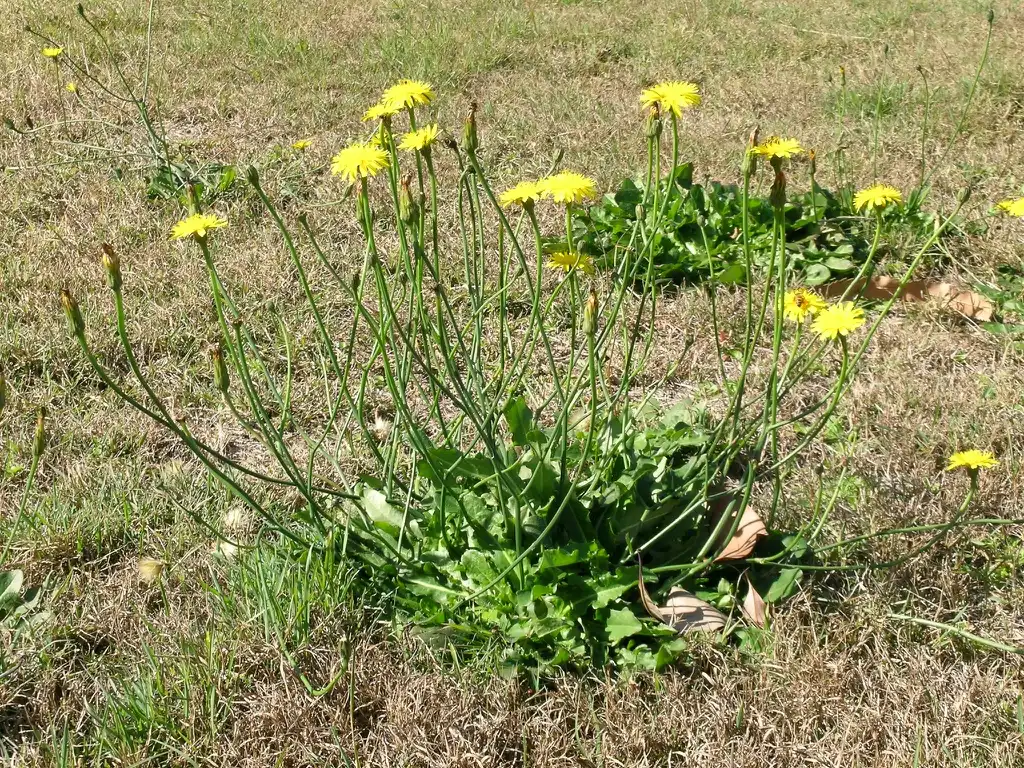
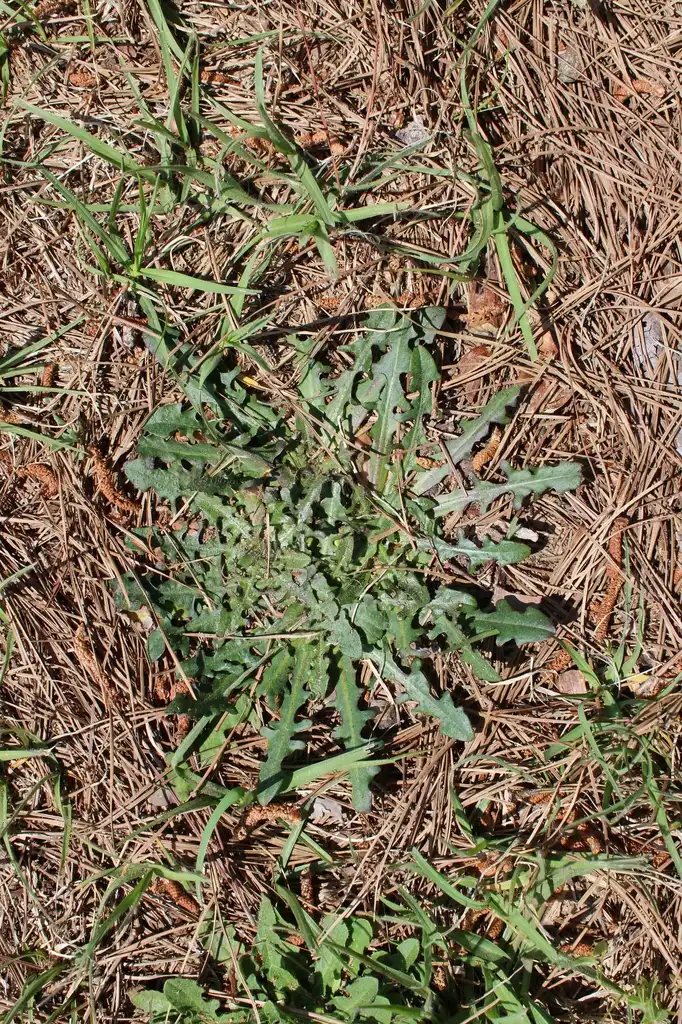
• Photo of Hypochaeris radicata (Hypochaeris radicatas)

Plant Profile: Hypochaeris radicata

Taxonomy: Hypochaeris radicata

Names

Catsear, Cat's Ear, False Dandelion, Flatweed, Hairy Cat's Ear

  • Photo of Hypochaeris radicata (Hypochaeris radicatas)

Phonetic Spelling:hy-poh-KAIR-iss rad-ee-KAY-tuh

Genus:Hypochaeris

Species:radicata

Family:Asteraceae

Cat's Ear, a perennial weed originating from Eurasia and belonging to the aster family, has established itself across every continent except Antarctica. Characterized by a deep taproot and a rosette of leaves at its base, its flowers are often confused with those of dandelions due to their similar wind-dispersed seeds. This plant thrives in a variety of environments, commonly found in lawns, fields, along roadsides, and in any disturbed land.

Adaptable to diverse conditions, Cat's Ear grows well in most soil types, although it typically avoids wetland areas. Each plant can produce a significant number of seeds annually, with the potential for each seed to develop into a mature plant within just two months. In certain regions, it is regarded as an invasive species.

Hypochaeris radicata Feature Summary

Hypochaeris radicata Image Gallery

Tags

#yellow flowers
#fields
#wildflower garden
#problem for horses

Similar Plants

Hypochaeris radicata Feature Summary

Attributes
Leaves can be eaten in salads or cooked in stir-fries. The roots can be roasted and ground for a coffee substitute.
Perennial
Fruit
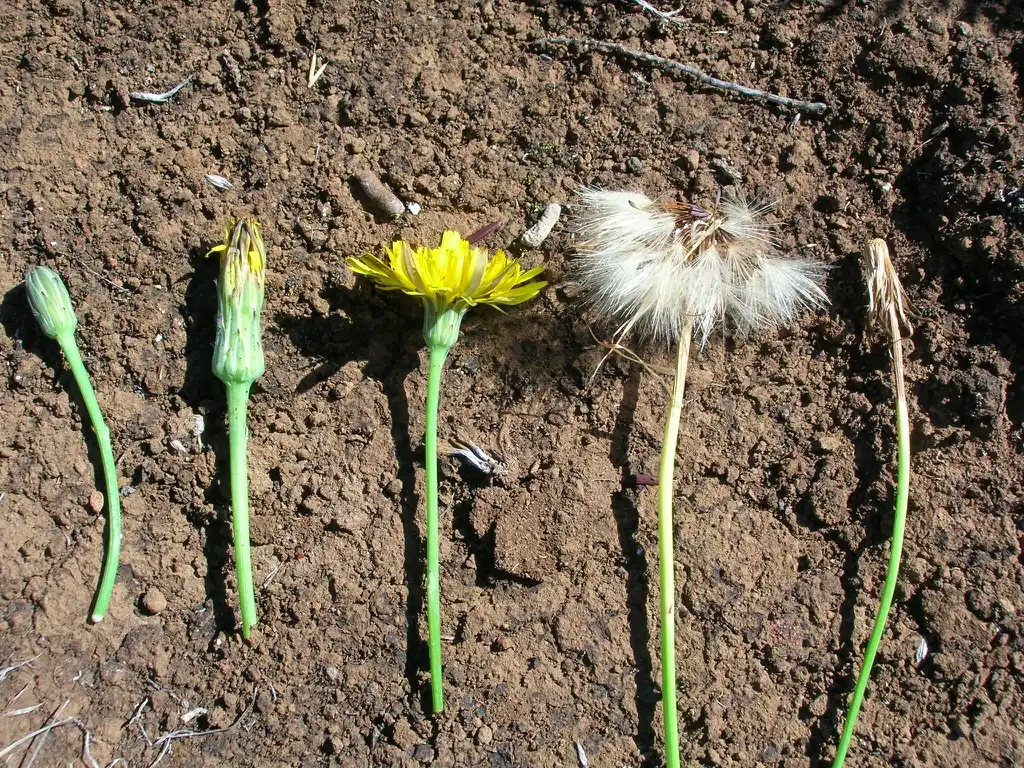
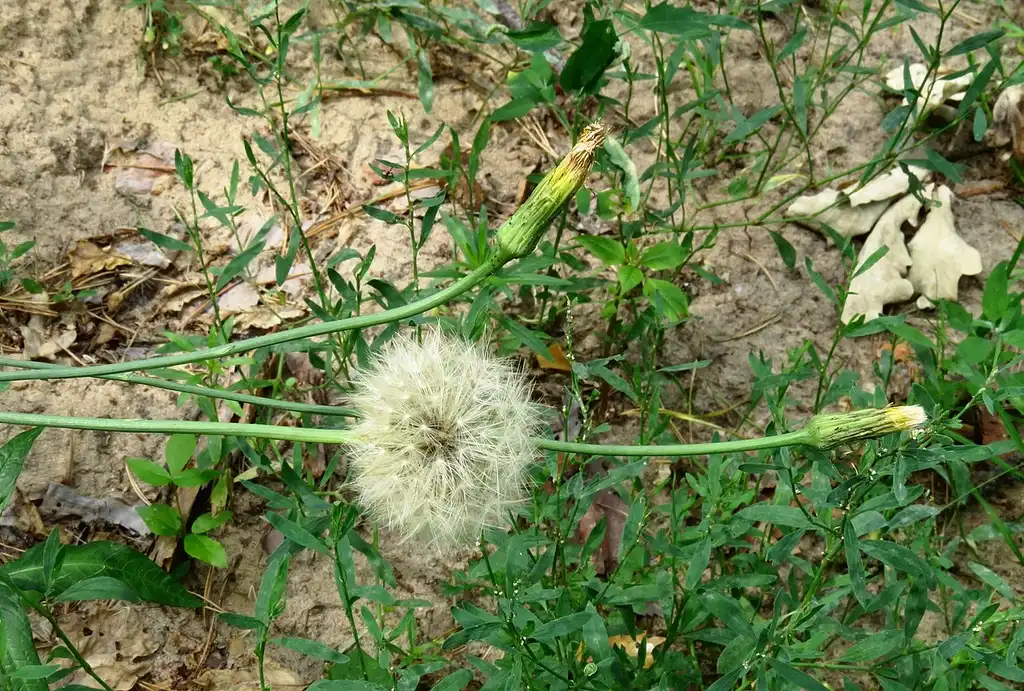
Seeds have a tuft of white hair to float on the wind.
Flowers
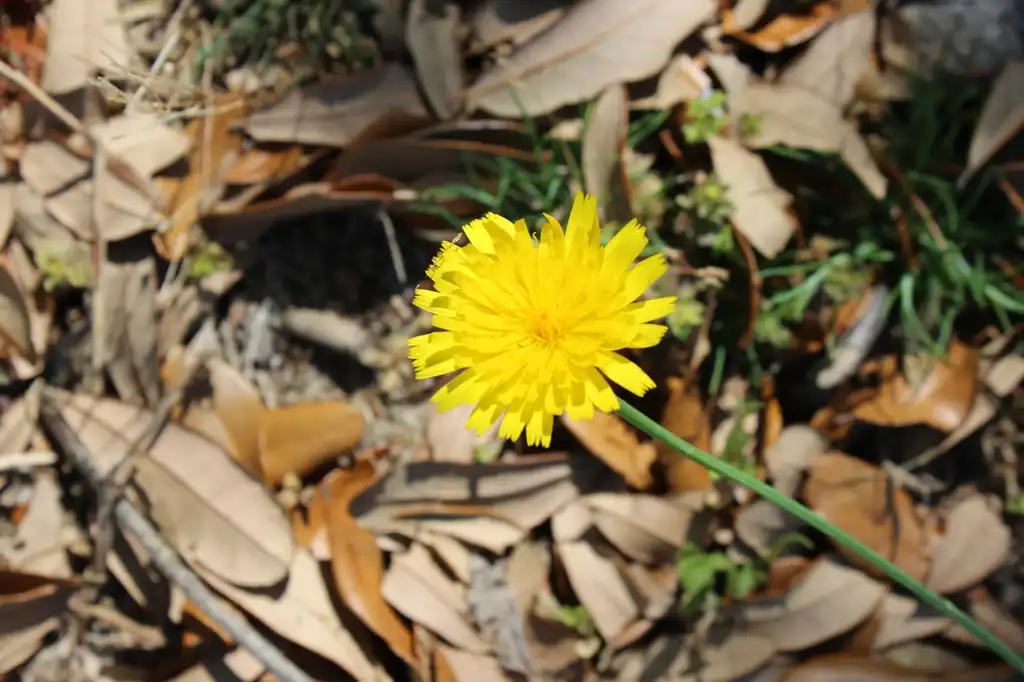
pale yellow flowers with 20-30 rays and green bracts at the base. Blooms mid-summer to early fall.
Gold/Yellow
more than 20 petals/rays
1-3 inches
Leaves
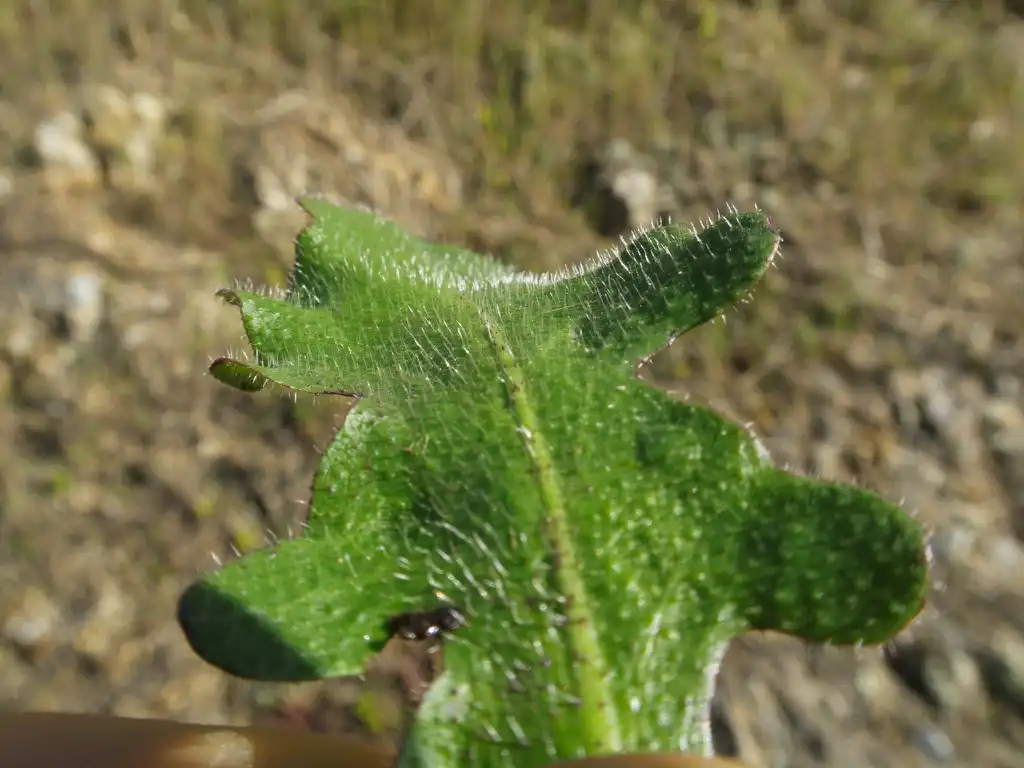
Smooth, wiry, milky stems; basal rosette of dissected, densely hairy leaves up to 6 inches long and 2 inches across.
Pinnatifid
Oblanceolate
Lobed
Dentate
3-6 inches
1-3 inches
Poisonous to Humans
Stringhalt (back legs may have exaggerated flexion, hopping gait)
Whole Plant Traits
Cultural Conditions
Full sun (6 or more hours of direct sunlight a day)
Partial Shade (Direct sunlight only part of the day, 2-6 hours)
Landscape
Butterflies
Bees
Problem for Horses
Weedy

Hypochaeris radicata Attributes

Hypochaeris radicata: Country Or Region Of Origin

Europe to Caucasus
Hypochaeris radicata: Edibility

Leaves can be eaten in salads or cooked in stir-fries. The roots can be roasted and ground for a coffee substitute.

Hypochaeris radicata: Life Cycle

Annual
Biennial
Bulb
Perennial
Woody

Hypochaeris radicata: Recommended Propagation Strategy

Division
Grafting
Layering
Leaf Cutting
Root Cutting
Seed
Stem Cutting

Hypochaeris radicata Fruit

Hypochaeris radicata: Fruit Description

Seeds have a tuft of white hair to float on the wind.

Hypochaeris radicata: Fruit Type

Achene
Aggregate
Berry
Capsule
Caryopsis
Drupe
Follicle
Legume
Nut
Pome
Samara
Schizocarp
Siliqua

Hypochaeris radicata Flowers

Hypochaeris radicata: Flower Description

pale yellow flowers with 20-30 rays and green bracts at the base. Blooms mid-summer to early fall.

Hypochaeris radicata: Flower Color

filter_vintage
Gold/Yellow

Hypochaeris radicata: Flower Bloom Time

Winter
Spring
Summer
Fall

Hypochaeris radicata: Flower Petals

2-3 rays/petals
4-5 petals/rays
6 petals/rays
7 - 20 petals/rays
asymmetrical petals
Bracts
Colored Sepals
fused petals
more than 20 petals/rays
Tepals

Hypochaeris radicata: Flower Size

1-3 inches
3-6 inches
< 1 inch
> 6 inches

Hypochaeris radicata Leaves

Hypochaeris radicata: Leaf Description

Smooth, wiry, milky stems; basal rosette of dissected, densely hairy leaves up to 6 inches long and 2 inches across.

Hypochaeris radicata: Woody Plant Leaf Characteristics

Broadleaf Evergreen
Deciduous
Needled Evergreen
Semi-evergreen

Hypochaeris radicata: Leaf Color

spa
Green

Hypochaeris radicata: Leaf Arrangement

Alternate
Opposite
Other/more complex
Rosulate
Whorled

Hypochaeris radicata: Leaf Shape

Acicular
Auriculate
Cordate
Cuneate
Deltoid
Elliptical
Filiform
Lanceolate
Linear
Oblanceolate
Oblong
Obovate
Obtuse
Orbicular
Ovate
Palmasect
Palmatifid
Peltate
Pinnatifid
Pinnatisect
Reniform
Rhomboidal
Spatulate
Subcordate
Subulate

Hypochaeris radicata: Leaf Margin

Crenate
Crenulate
Dentate
Denticulate
Doubly Crenate
Doubly Dentate
Doubly Serrate
Entire
Lobed
Serrate
Sinuate
Undulate

Hypochaeris radicata: Hairs Present

No
Yes

Hypochaeris radicata: Leaf Length

< 1 inch
1-3 inches
3-6 inches
> 6 inches

Hypochaeris radicata: Leaf Feel

Fleshy
Glossy
Leathery
Papery
Prickly
Rough
Rubbery
Slippery
Smooth
Soft
Velvety
Waxy

Hypochaeris radicata: Leaf Width

< 1 inch
1-3 inches
3-6 inches
> 6 inches

Hypochaeris radicata Poisonous to Humans

Hypochaeris radicata: Poison Symptoms

Stringhalt (back legs may have exaggerated flexion, hopping gait)

Hypochaeris radicata: Poison Toxic Principle

Unknown

Hypochaeris radicata: Poison Severity

High
Low
Medium

Hypochaeris radicata: Causes Contact Dermatitis

No
Yes

Hypochaeris radicata Whole Plant Traits

Hypochaeris radicata: Plant Type

Annual
Bulb
Carnivorous
Edible
Epiphyte
Fern
Ground Cover
Herb
Herbaceous Perennial
Houseplant
Mushroom
Native Plant
Ornamental Grasses and Sedges
Perennial
Poisonous
Rose
Shrub
Succulent
Tree
Turfgrass
Vegetable
Vine
Water Plant
Weed
Wildflower

Hypochaeris radicata: Woody Plant Leaf Characteristics

Broadleaf Evergreen
Deciduous
Needled Evergreen
Semi-evergreen

Hypochaeris radicata: Habit/Form

Arching
Ascending
Broad
Cascading
Climbing
Clumping
Columnar
Conical
Creeping
Dense
Erect
Horizontal
Irregular
Mounding
Multi-stemmed
Multi-trunked
Open
Oval
Prostrate
Pyramidal
Rounded
Spreading
Vase
Weeping

Hypochaeris radicata Cultural Conditions

Hypochaeris radicata: Light

Dappled Sunlight (Shade through upper canopy all day)
Deep shade (Less than 2 hours to no direct sunlight)
Full sun (6 or more hours of direct sunlight a day)
Partial Shade (Direct sunlight only part of the day, 2-6 hours)

Hypochaeris radicata Stem

Hypochaeris radicata: Stem Is Aromatic

No
Yes

Hypochaeris radicata Landscape

Hypochaeris radicata: Attracts

Bats
Bees
Butterflies
Frogs
Hummingbirds
Moths
Pollinators
Predatory Insects
Reptiles
Small Mammals
Songbirds
Specialized Bees

Hypochaeris radicata: Problems

Allelopathic
Contact Dermatitis
Frequent Disease Problems
Frequent Insect Problems
Invasive Species
Malodorous
Messy
Poisonous to Humans
Problem for Cats
Problem for Children
Problem for Dogs
Problem for Horses
Short-lived
Spines/Thorns
Weak Wood
Weedy