Brassica juncea: Uses (Ethnobotany)
Seeds for essential oils
Phonetic Spelling:BRAS-ee-ka JUN-see-uh
Genus:Brassica
Species:juncea
Family:Brassicaceae
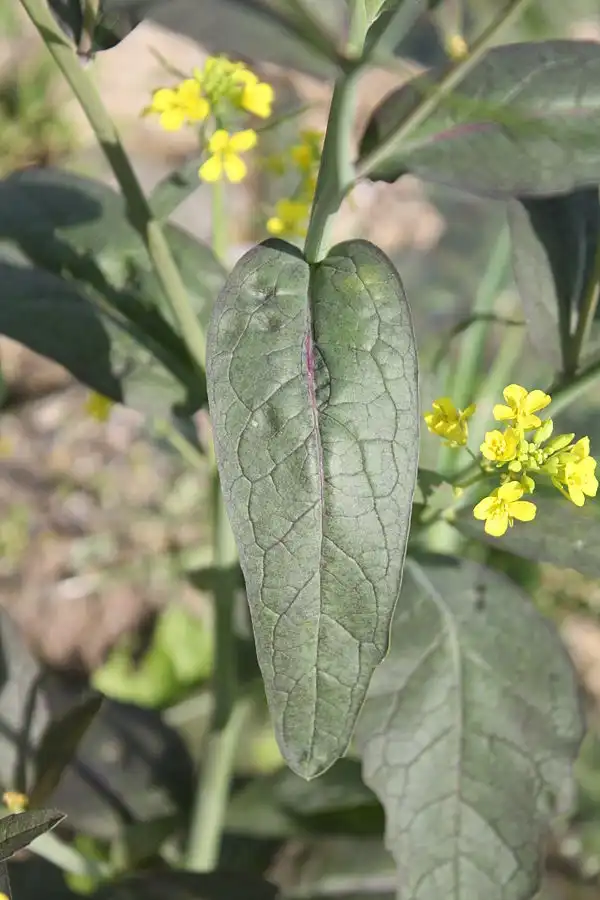
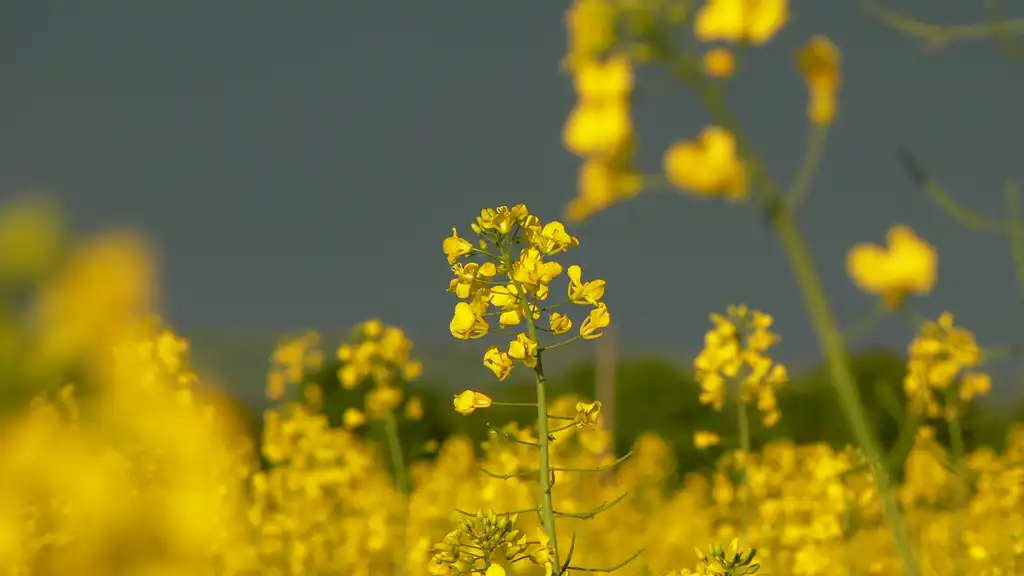
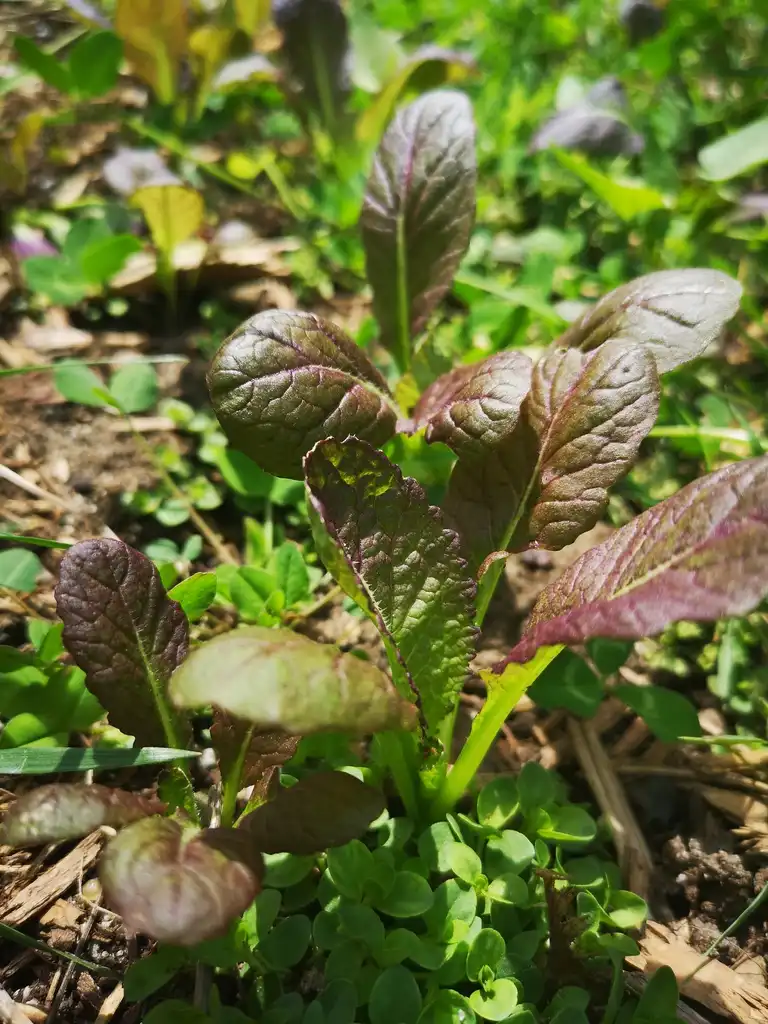
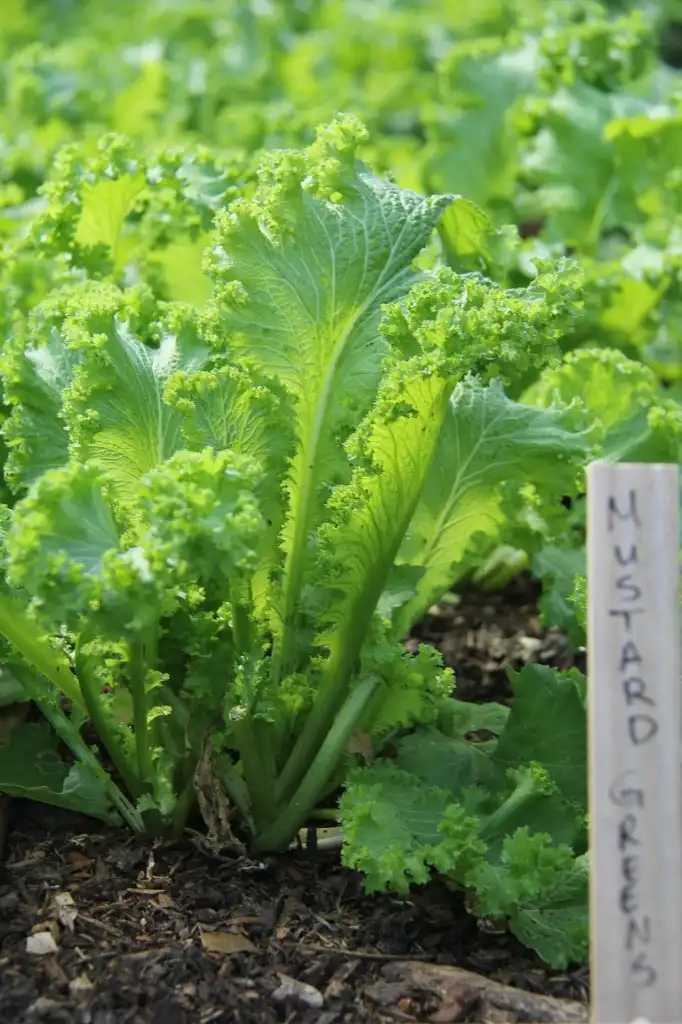
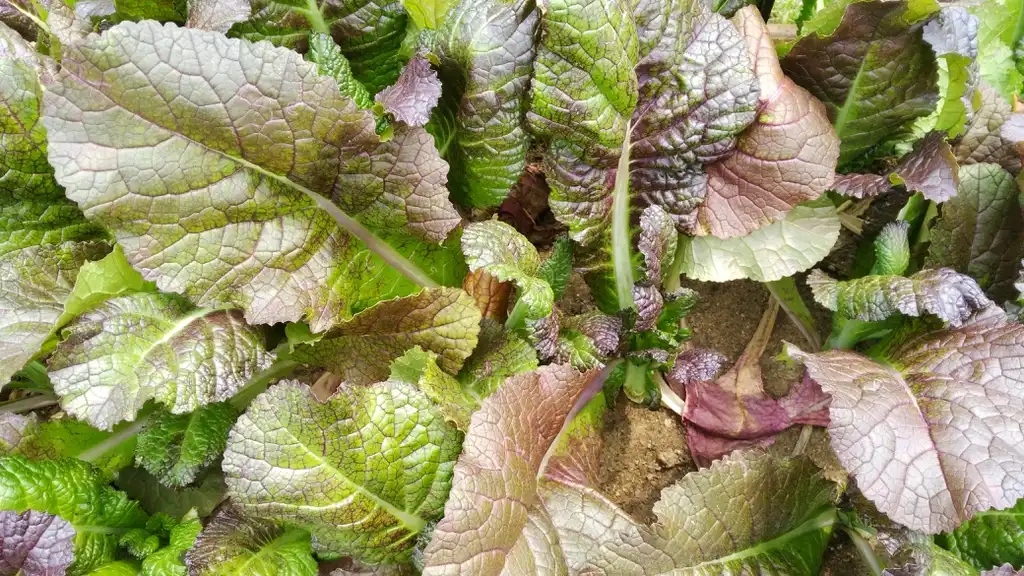
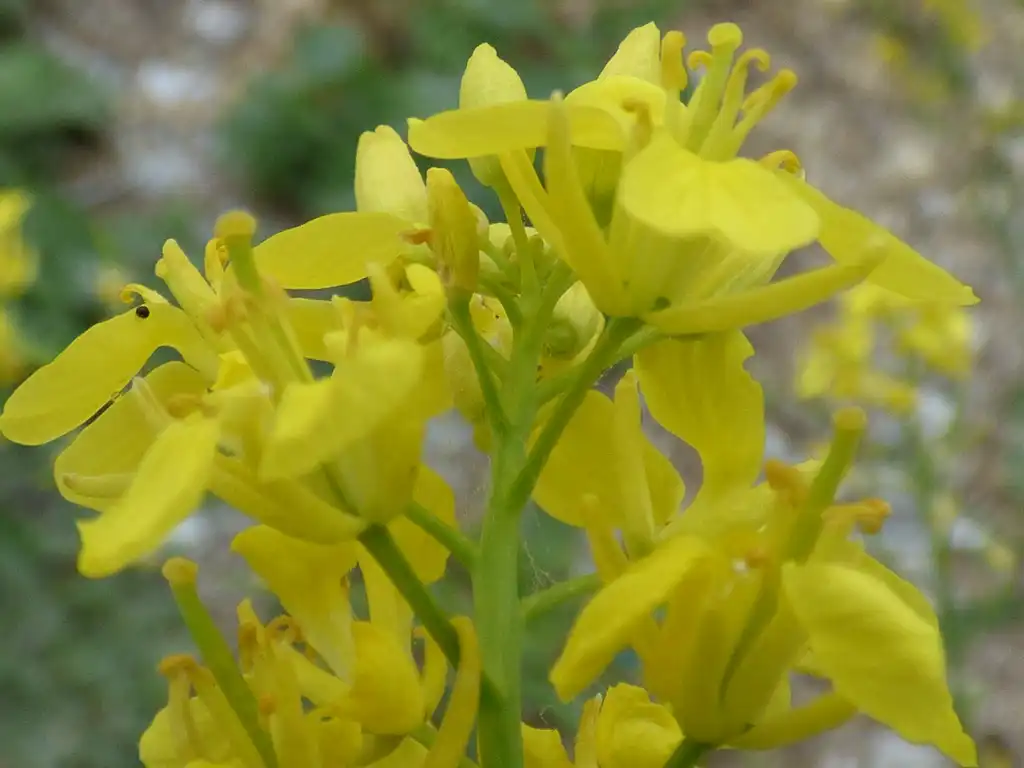
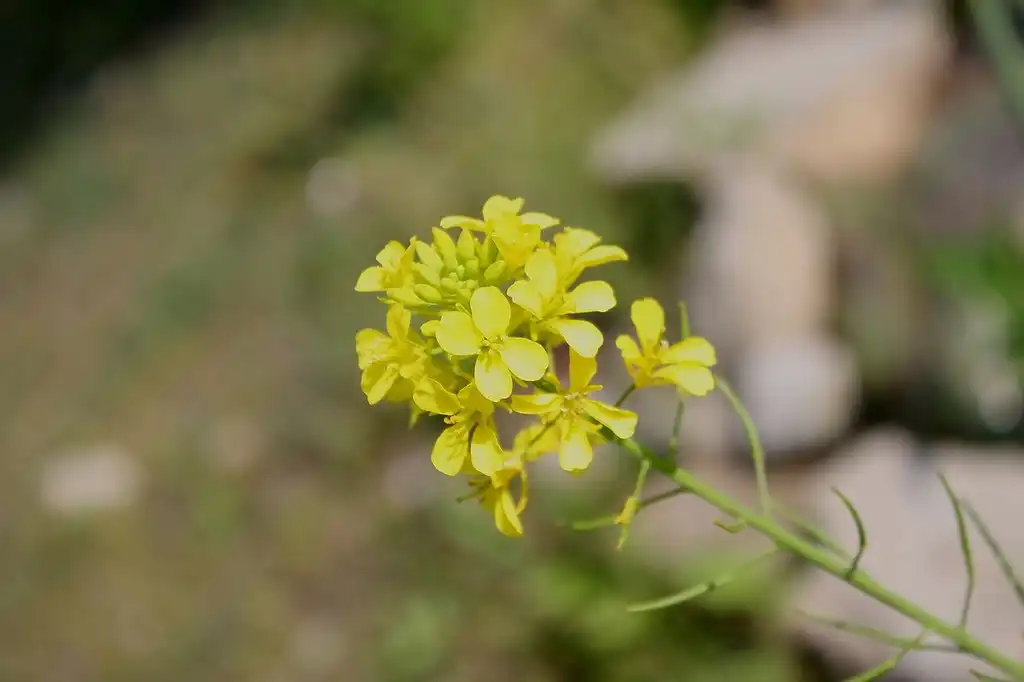
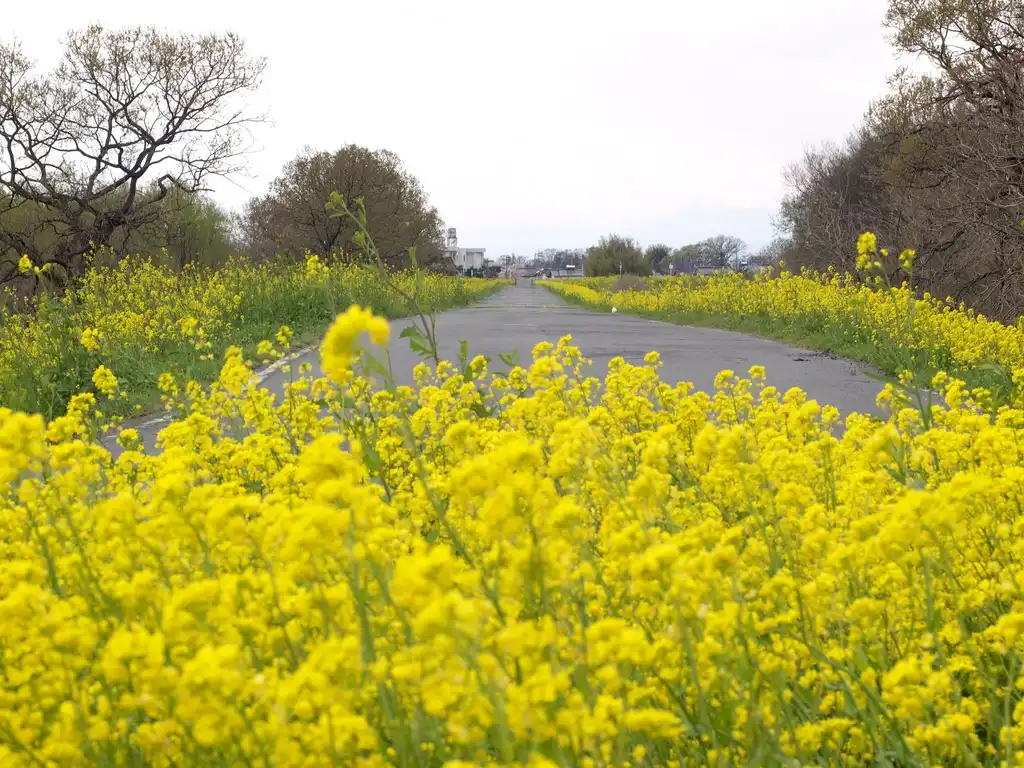
Brassica juncea, commonly known as Brown Mustard, is an annual herb belonging to the cruciferous family. The term "Brassica" is derived from Latin, meaning cabbage. This plant has spread across North America from its origins in Eurasia and is recognized as invasive in certain Midwestern regions. Nevertheless, specific cultivars are cultivated for their leaves and flowers, which impart a distinctively spicy mustard flavor. Young leaves can be enjoyed fresh in salads, while older leaves are typically prepared as cooked greens. Additionally, some regions cultivate it for its pungent seeds.
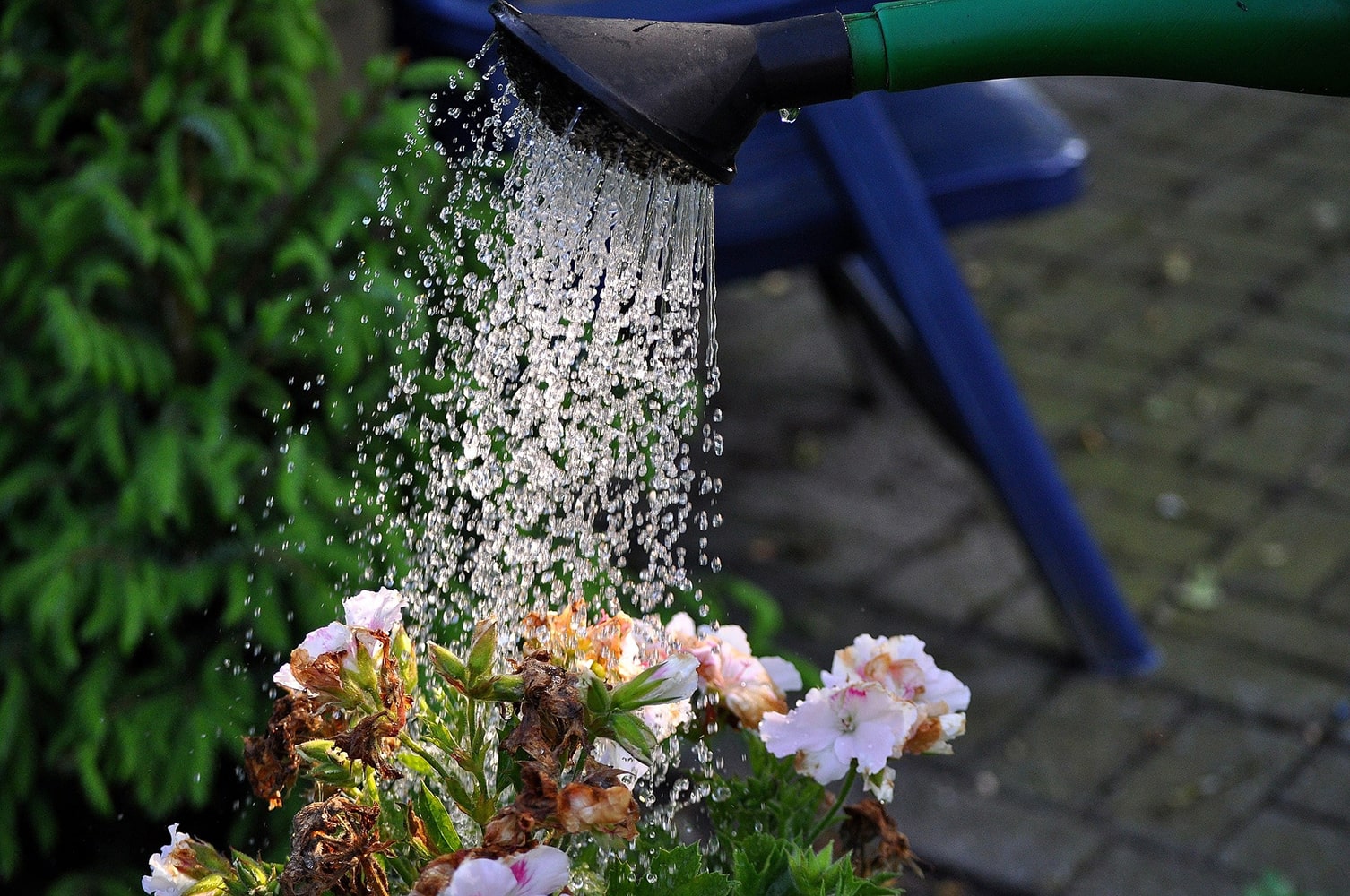
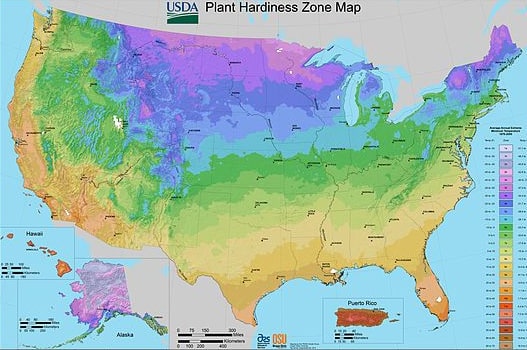
Brown Mustard thrives in full sun to partial shade and prefers well-drained, nutrient-rich soil that remains consistently moist. Watering in the morning allows the plant to dry out before nightfall, thereby minimizing the risk of fungal diseases. As a cool-season crop, it flourishes in the spring and fall, developing a robust flavor during the summer months. Providing some shade during hotter weather is beneficial, particularly for growing tender baby greens. Excessive moisture and temperature fluctuations can lead to a stronger, less palatable flavor. Notably, curly-leaved varieties are more frost-resistant than their straight-leaved counterparts.
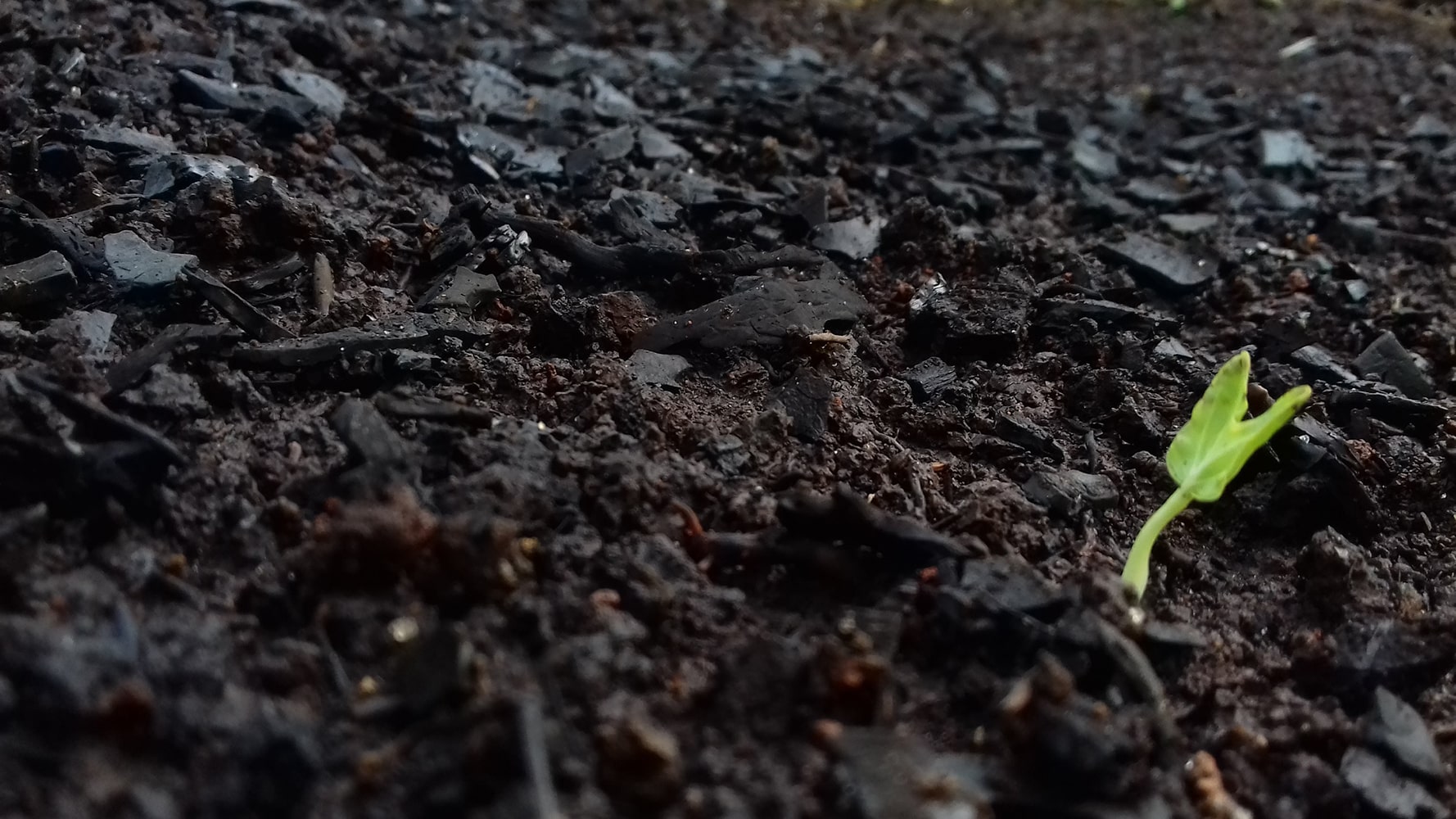
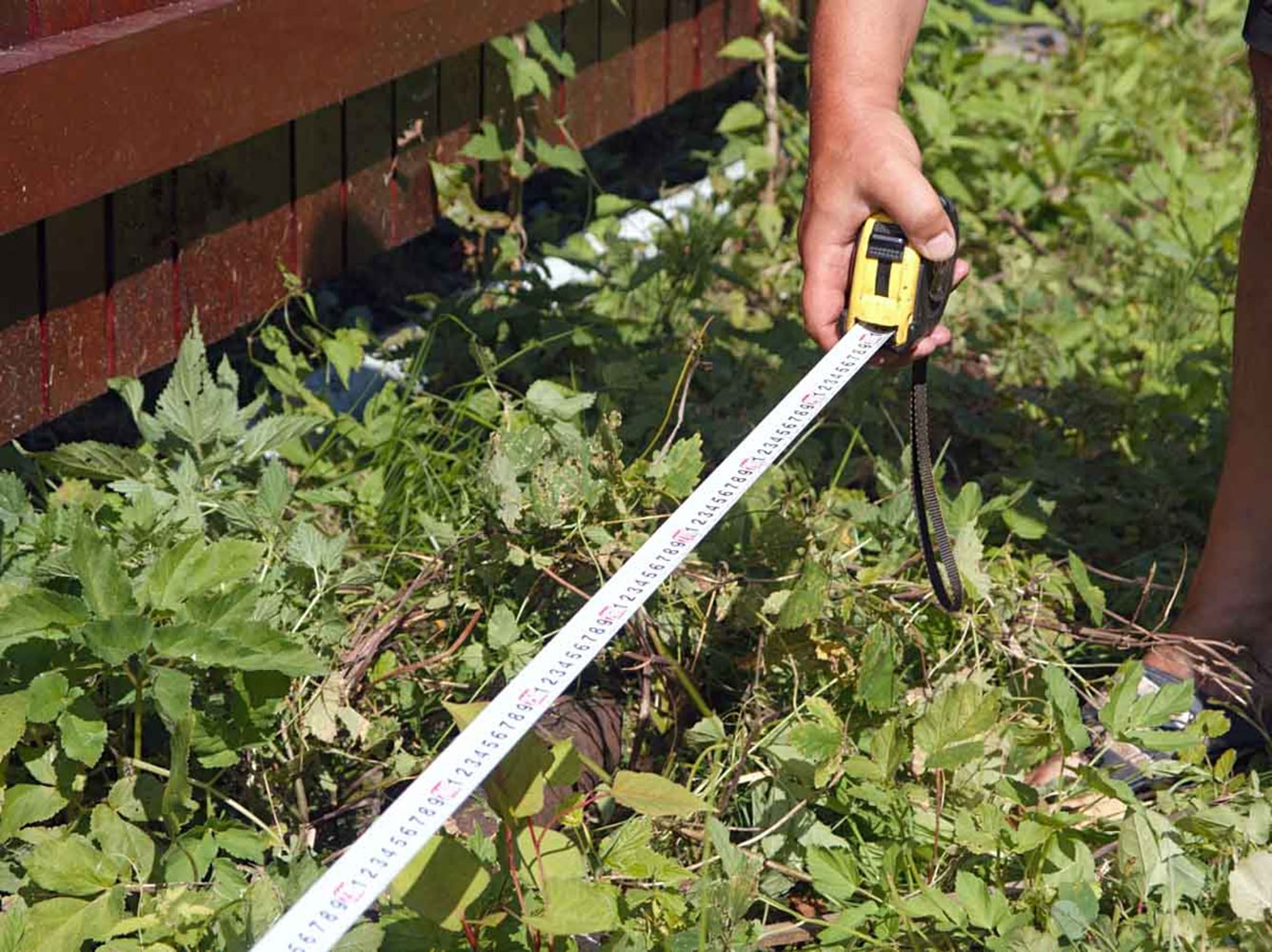
To cultivate Brown Mustard, sow seeds in the spring about three weeks before the last frost or in late summer as temperatures begin to drop. Space the plants six inches apart. Adequate watering—approximately one inch per week—is crucial for healthy root development. The seeds can also be grown in containers, which should be at least three gallons in size and four to six inches deep. For a continuous harvest, new seeds can be sown every two to three weeks. The plants typically reach maturity within 30 to 50 days, allowing for harvesting at either a small "baby" size or a larger, mature size. Baby leaves are best enjoyed raw, while larger leaves benefit from cooking.
Moreover, Brown Mustard shows potential for phytoremediation, as it can tolerate and absorb heavy metals from contaminated soils with ease.
In terms of pests and diseases, it is regarded as a noxious weed in some Midwestern states. Common pests affecting this plant include flea beetles, caterpillars, aphids, slugs, and snails.
Brassica juncea Feature Summary