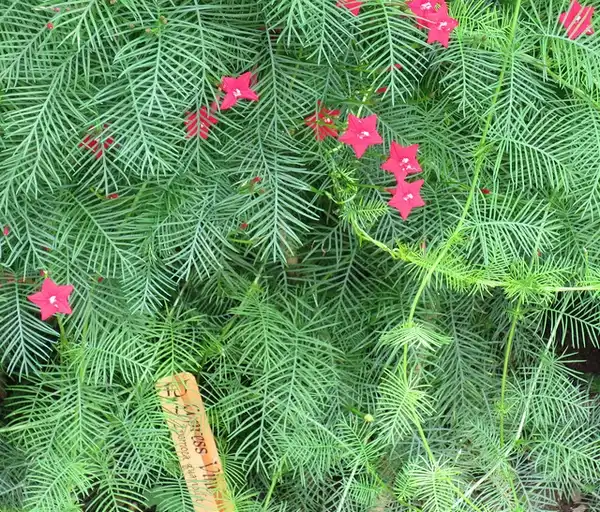
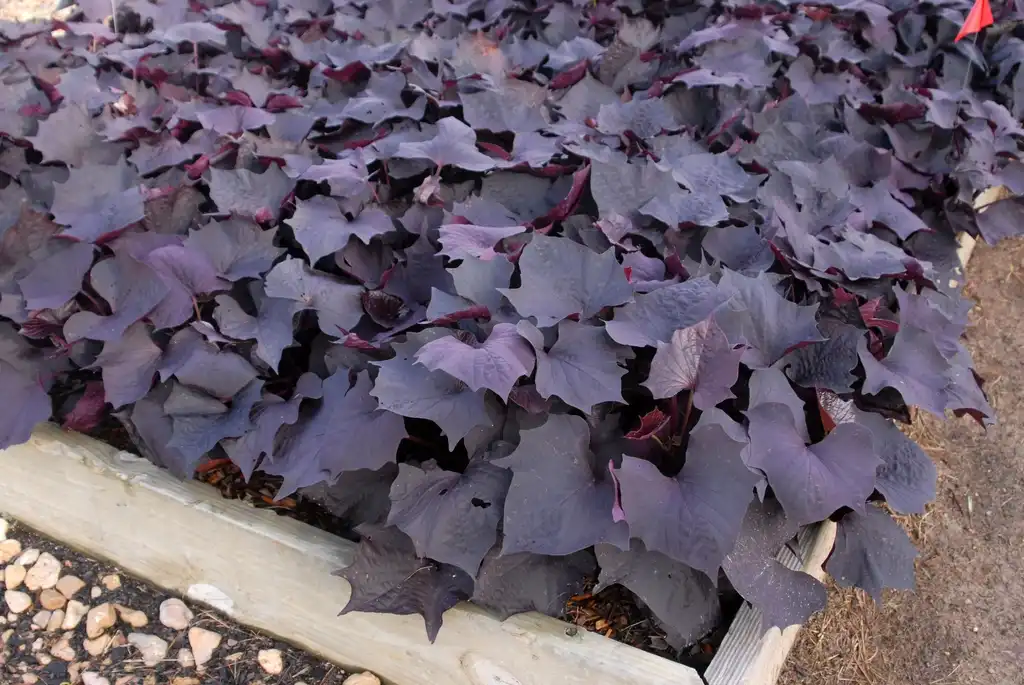
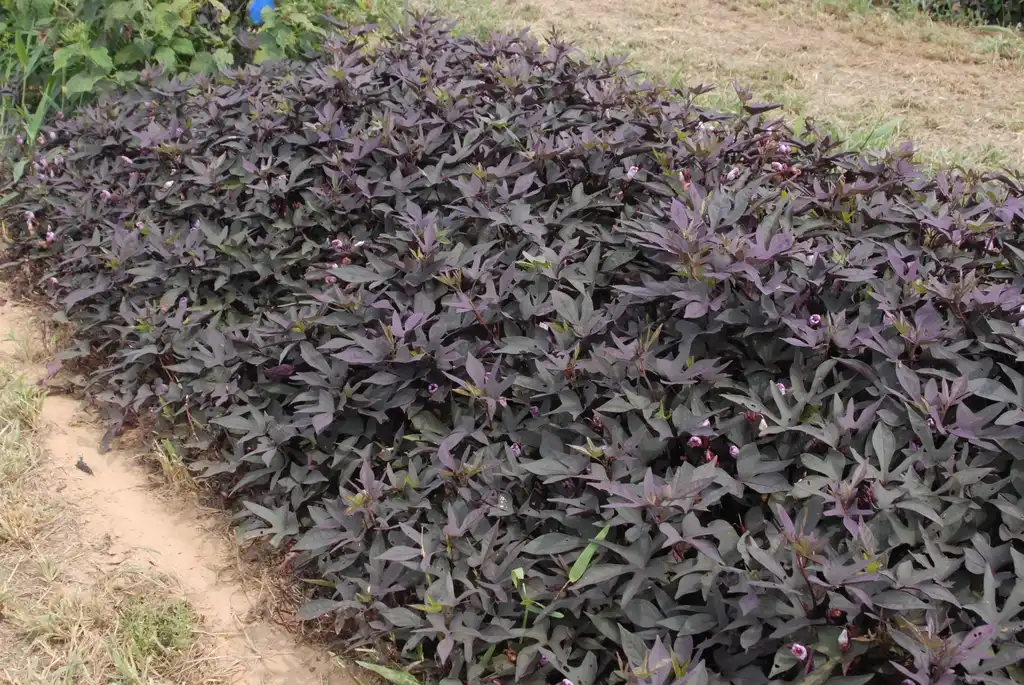
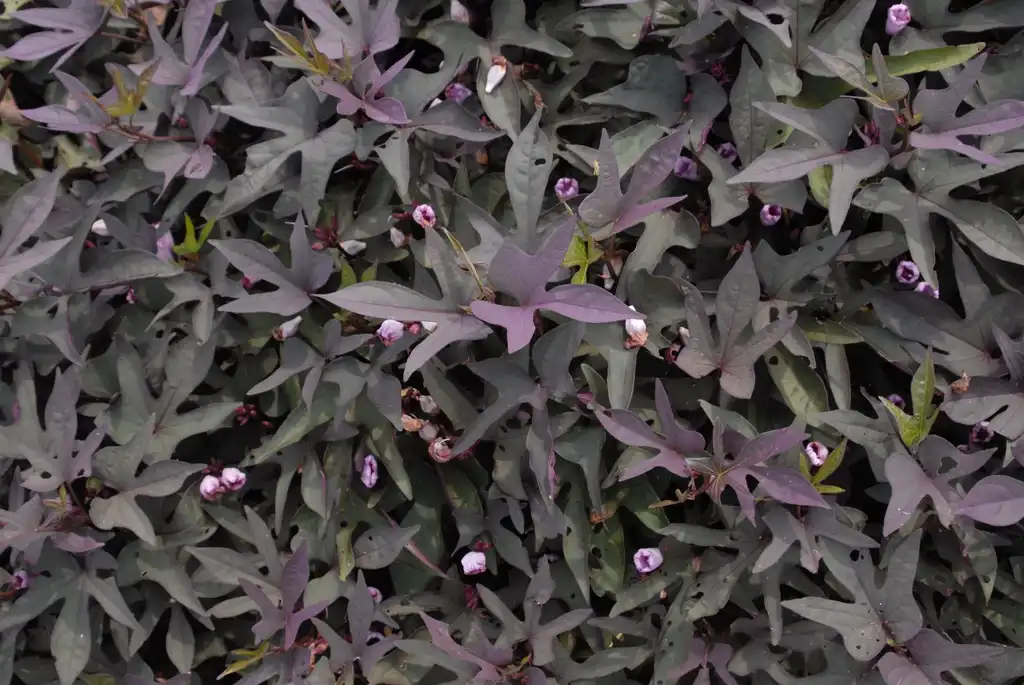
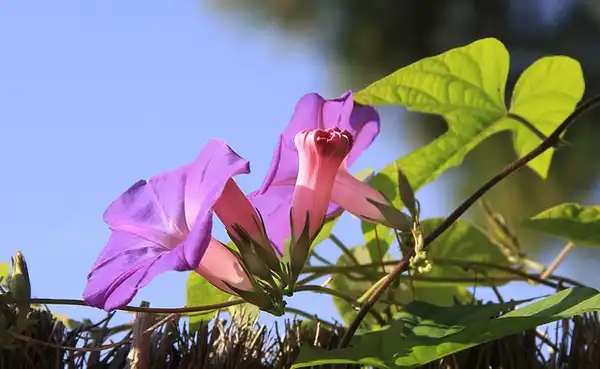
• Photo of Ipomoea (Ipomoeas)

Plant Profile: Ipomoea

Taxonomy: Ipomoea

Names

Cypress Vine, Morning Glory

  • Photo of Ipomoea (Ipomoeas)

Phonetic Spelling:eye-poh-MEE-a

Genus:Ipomoea

Species:

Family:

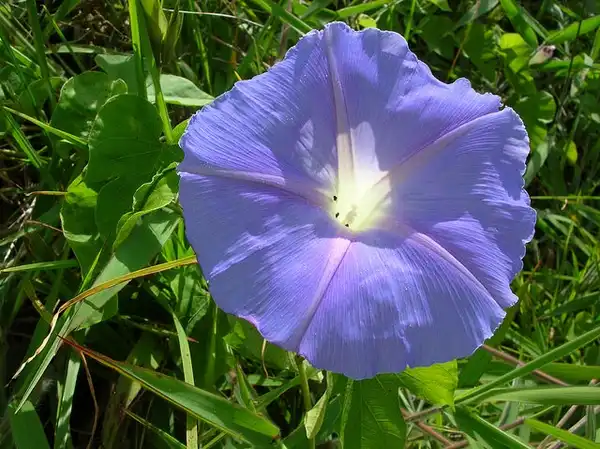
Ipomoea, commonly referred to as Morning Glory, encompasses a group of resilient climbing plants. These vines produce vibrant flowers in shades of pink, lavender, purple, and blue, which bloom each morning and wither by nightfall. They thrive in a variety of soil types, from average to poor, and can flourish in full sun or partial shade. Although they are not perennial and grow from seeds, they are adept at spreading rapidly, returning each year and proving challenging to manage. For successful planting, it is recommended to nick the tough seed coat and soak the seeds overnight prior to sowing. While they are not classified as invasive in North Carolina, they do appear on the USDA Noxious Weed list and in several neighboring states. Some varieties may also be toxic. Besides the morning glory, the Ipomoea family includes cypress vine and various cultivars.

Ipomoea Feature Summary

Ipomoea Image Gallery

Tags

#purple
#red
#white
#poisonous
#full sun tolerant
#annual
#pink flowers
#fall interest
#vines
#summer flowers
#wildflower garden
#problem for cats
#problem for dogs
#problem for horses

Similar Plants

Ipomoea Feature Summary

Flowers
trumpet, funnel-shaped; colors varying from blue through purple to red, pink and white
Pink
Purple/Lavender
White
Blue
fused petals
Funnel
Trumpet
1-3 inches
Poisonous to Humans
Hallucinations, dilated pupils, nausea, vomiting diarrhea, drowsiness, numbness of extremities and muscle tightness
Indole alkaloids, LSD and others
Whole Plant Traits
Annual
Vine
Wildflower
Spreading
Climbing
Medium
Tendrils
Cultural Conditions
Full sun (6 or more hours of direct sunlight a day)
Partial Shade (Direct sunlight only part of the day, 2-6 hours)
Acid (<6.0)
Alkaline (>8.0)
Neutral (6.0-8.0)
Good Drainage
Less than 12 inches
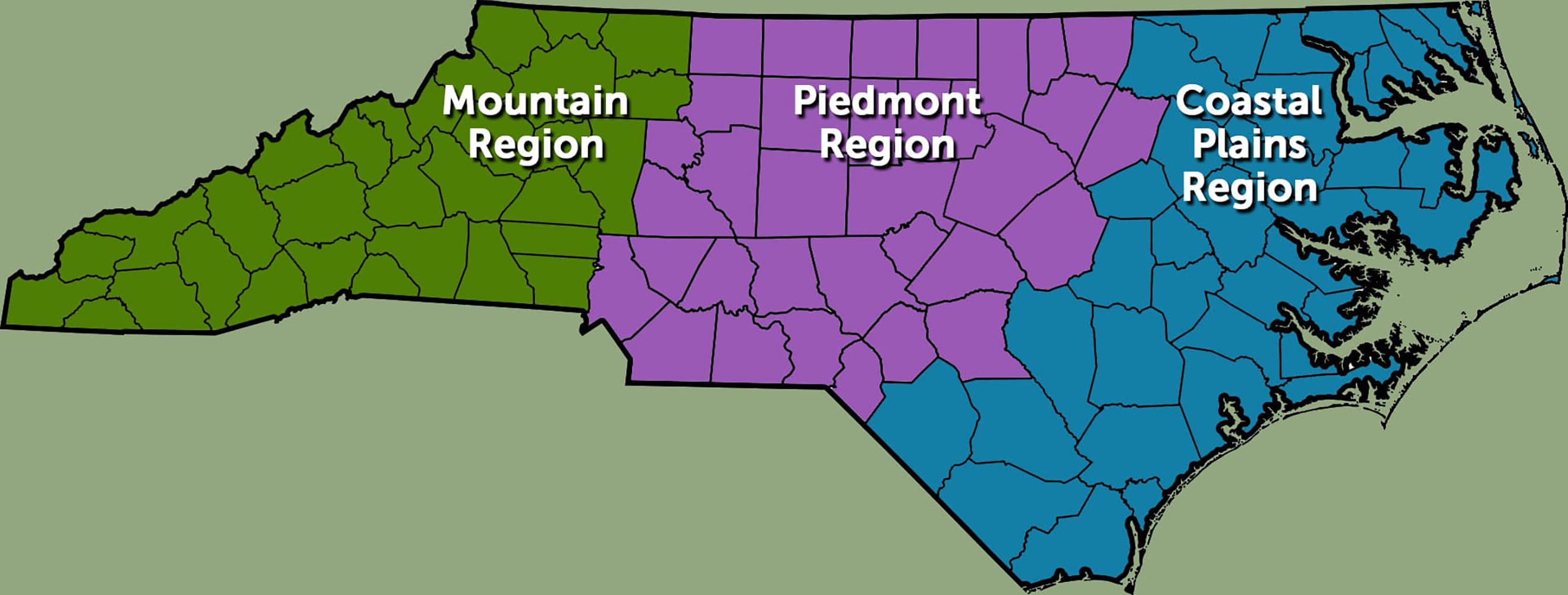
Coastal
Mountains
Piedmont
4a
4b
5b
5a
6a
6b
7a
7b
8b
8a
2a
2b
3a
3b
9a
9b
10a
10b
11a
11b
Landscape
Butterflies
Hummingbirds
Poisonous to Humans
Problem for Cats
Problem for Dogs
Problem for Horses

Ipomoea Attributes

Ipomoea: Uses (Ethnobotany)

Vine
Ipomoea: Country Or Region Of Origin

Mexico

Ipomoea: Wildlife Value

Minimal

Ipomoea: Life Cycle

Annual
Biennial
Bulb
Perennial
Woody

Ipomoea: Recommended Propagation Strategy

Division
Grafting
Layering
Leaf Cutting
Root Cutting
Seed
Stem Cutting

Ipomoea: Climbing Method

Clinging
Scrambler
Tendrils
Twining

Ipomoea Flowers

Ipomoea: Flower Description

trumpet, funnel-shaped; colors varying from blue through purple to red, pink and white

Ipomoea: Flower Color

filter_vintage
Blue
filter_vintage
Pink
filter_vintage
Purple/Lavender
filter_vintage
White

Ipomoea: Flower Bloom Time

Winter
Spring
Summer
Fall

Ipomoea: Flower Petals

2-3 rays/petals
4-5 petals/rays
6 petals/rays
7 - 20 petals/rays
asymmetrical petals
Bracts
Colored Sepals
fused petals
more than 20 petals/rays
Tepals

Ipomoea: Flower Shape

Bell
Cross
Crown
Cup
Dome
Funnel
Irregular
Lipped
Radial
Saucer
Star
Trumpet
Tubular
Urn
Wheel

Ipomoea: Flower Size

1-3 inches
3-6 inches
< 1 inch
> 6 inches

Ipomoea Leaves

Ipomoea: Leaf Description

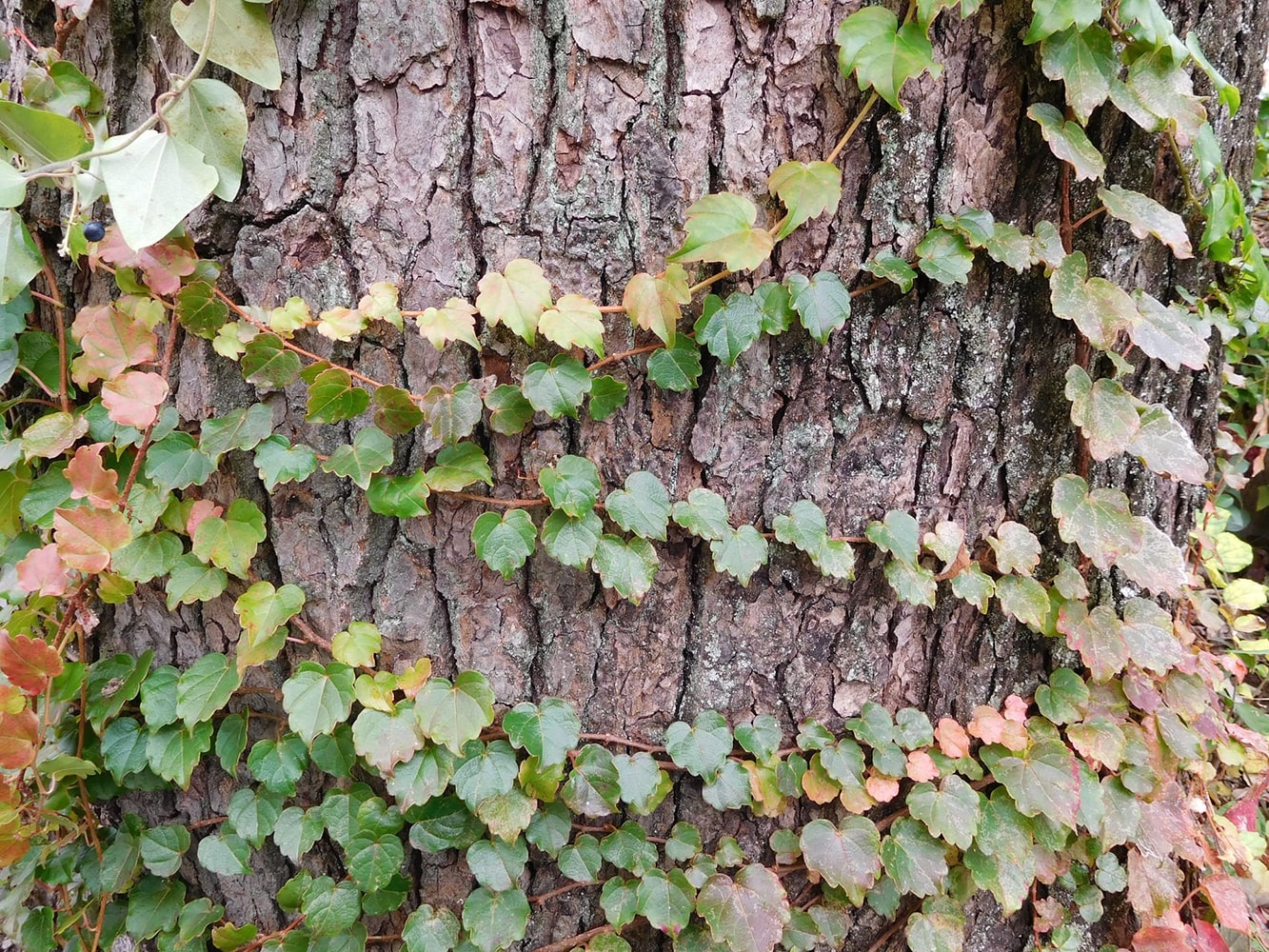
Large heart-shaped

Ipomoea: Woody Plant Leaf Characteristics

Broadleaf Evergreen
Deciduous
Needled Evergreen
Semi-evergreen

Ipomoea: Leaf Color

spa
Green

Ipomoea: Leaf Type

Compound (Pinnately , Bipinnately, Palmately)
Fronds
Needles
Sheath
Simple

Ipomoea: Leaf Arrangement

Alternate
Opposite
Other/more complex
Rosulate
Whorled

Ipomoea: Leaf Shape

Acicular
Auriculate
Cordate
Cuneate
Deltoid
Elliptical
Filiform
Lanceolate
Linear
Oblanceolate
Oblong
Obovate
Obtuse
Orbicular
Ovate
Palmasect
Palmatifid
Peltate
Pinnatifid
Pinnatisect
Reniform
Rhomboidal
Spatulate
Subcordate
Subulate

Ipomoea: Leaf Margin

Crenate
Crenulate
Dentate
Denticulate
Doubly Crenate
Doubly Dentate
Doubly Serrate
Entire
Lobed
Serrate
Sinuate
Undulate

Ipomoea: Hairs Present

No
Yes

Ipomoea: Leaf Feel

Fleshy
Glossy
Leathery
Papery
Prickly
Rough
Rubbery
Slippery
Smooth
Soft
Velvety
Waxy

Ipomoea Poisonous to Humans

Ipomoea: Poison Symptoms

Hallucinations, dilated pupils, nausea, vomiting diarrhea, drowsiness, numbness of extremities and muscle tightness

Ipomoea: Poison Toxic Principle

Indole alkaloids, LSD and others

Ipomoea: Poison Severity

High
Low
Medium

Ipomoea: Causes Contact Dermatitis

No
Yes

Ipomoea: Poison Part

Bark
Flowers
Fruits
Leaves
Roots
Sap/Juice
Seeds
Stems

Ipomoea Whole Plant Traits

Ipomoea: Plant Type

Annual
Bulb
Carnivorous
Edible
Epiphyte
Fern
Ground Cover
Herb
Herbaceous Perennial
Houseplant
Mushroom
Native Plant
Ornamental Grasses and Sedges
Perennial
Poisonous
Rose
Shrub
Succulent
Tree
Turfgrass
Vegetable
Vine
Water Plant
Weed
Wildflower

Ipomoea: Woody Plant Leaf Characteristics

Broadleaf Evergreen
Deciduous
Needled Evergreen
Semi-evergreen

Ipomoea: Habit/Form

Arching
Ascending
Broad
Cascading
Climbing
Clumping
Columnar
Conical
Creeping
Dense
Erect
Horizontal
Irregular
Mounding
Multi-stemmed
Multi-trunked
Open
Oval
Prostrate
Pyramidal
Rounded
Spreading
Vase
Weeping

Ipomoea: Growth Rate

Slow
Medium
Rapid

Ipomoea: Maintenance

Low
Medium
High

Ipomoea: Texture

Fine
Medium
Coarse

Ipomoea: Appendage

Prickles
Spines
Tendrils
Thorns

Ipomoea Cultural Conditions

Ipomoea: Light

Dappled Sunlight (Shade through upper canopy all day)
Deep shade (Less than 2 hours to no direct sunlight)
Full sun (6 or more hours of direct sunlight a day)
Partial Shade (Direct sunlight only part of the day, 2-6 hours)

Ipomoea: Soil pH

Acid (<6.0)
Alkaline (>8.0)
Neutral (6.0-8.0)

Ipomoea: Soil Drainage

Frequent Standing Water
Good Drainage
Moist
Occasional Flooding
Occasionally Dry
Occasionally Wet
Very Dry

Ipomoea: Available Space To Plant

12 inches-3 feet
12-24 feet
24-60 feet
3 feet-6 feet
6-feet-12 feet
Less than 12 inches
more than 60 feet

Ipomoea: NC Region

Coastal
Mountains
Piedmont

Ipomoea: USDA Plant Hardiness Zone

thermostat
10a
thermostat
10b
thermostat
11a
thermostat
11b
thermostat
2a
thermostat
2b
thermostat
3a
thermostat
3b
thermostat
4a
thermostat
4b
thermostat
5a
thermostat
5b
thermostat
6a
thermostat
6b
thermostat
7a
thermostat
7b
thermostat
8a
thermostat
8b
thermostat
9a
thermostat
9b

Ipomoea Stem

Ipomoea: Stem Is Aromatic

No
Yes

Ipomoea Landscape

Ipomoea: Attracts

Bats
Bees
Butterflies
Frogs
Hummingbirds
Moths
Pollinators
Predatory Insects
Reptiles
Small Mammals
Songbirds
Specialized Bees

Ipomoea: Problems

Allelopathic
Contact Dermatitis
Frequent Disease Problems
Frequent Insect Problems
Invasive Species
Malodorous
Messy
Poisonous to Humans
Problem for Cats
Problem for Children
Problem for Dogs
Problem for Horses
Short-lived
Spines/Thorns
Weak Wood
Weedy