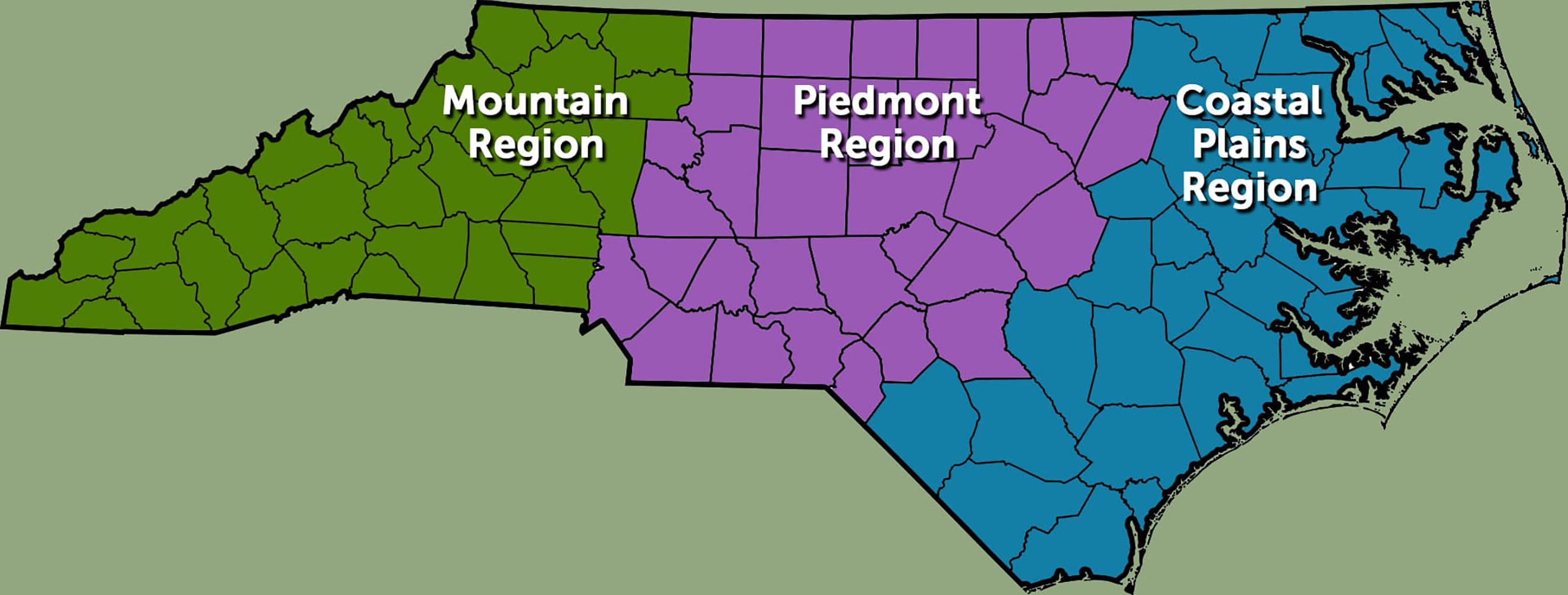
Jeffersonia diphylla: Country Or Region Of Origin
South East Canada to North Central & Eastern U.S.A
Phonetic Spelling:jef-er-SON-ee-ah dy-FIL-uh
Genus:Jeffersonia
Species:diphylla
Family:Berberidaceae
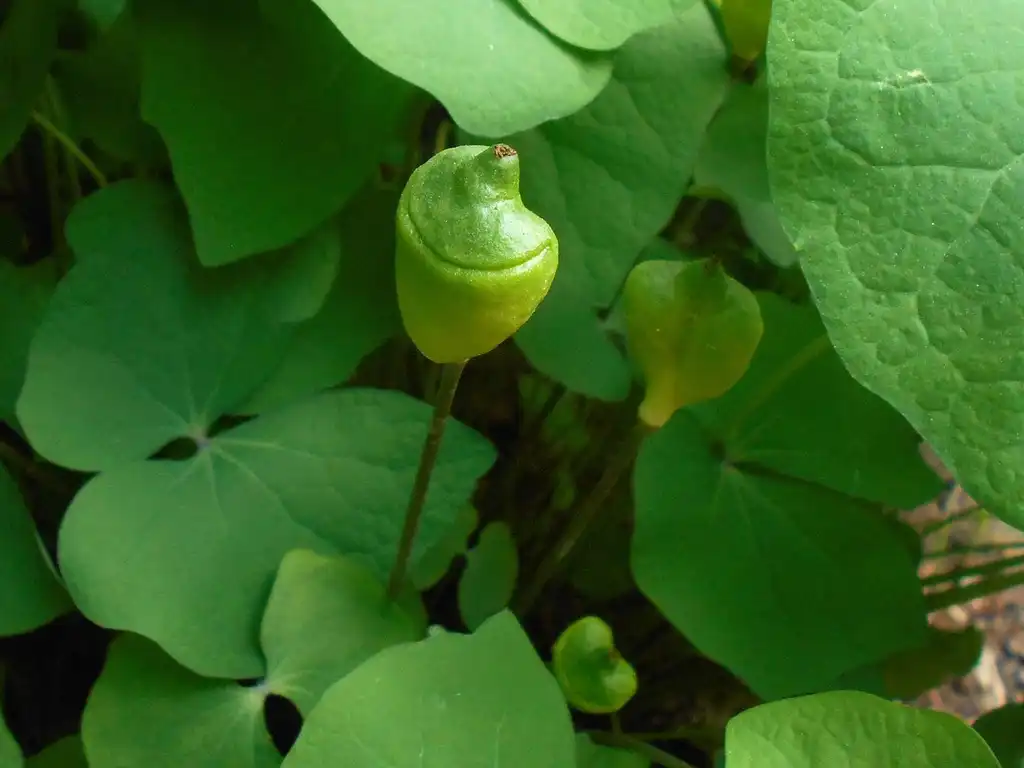
Jeffersonia diphylla, widely recognized as twinleaf, belongs to the Berberidaceae family of flowering plants. This perennial herb showcases white flowers from March to May. Its distinctive star-shaped blooms, featuring eight petals, emerge on stalks devoid of leaves, rising above immature foliage that typically reaches heights of 8 to 12 inches; fully grown plants can attain heights of up to 3 feet. The fruit, shaped like a pear, is dehiscent, meaning it bursts open to release its seeds. The name "twinleaf" is derived from the unique structure of its blue-green leaves, which are divided into two identical lobes at the top of the stems. Indigenous to North America, twinleaf thrives in the shaded environments beneath trees, particularly in the eastern regions of Canada and the United States, spanning from Wisconsin and New York down to North Carolina, Georgia, and Alabama. This plant favors moist, well-drained, acidic soils and typically grows in nutrient-rich forests, often over limestone rocks. In North Carolina, twinleaf is classified as a threatened species.
Jeffersonia diphylla Feature Summary
Jeffersonia diphylla Image Gallery