Juniperus communis 'Compressa': Edibility
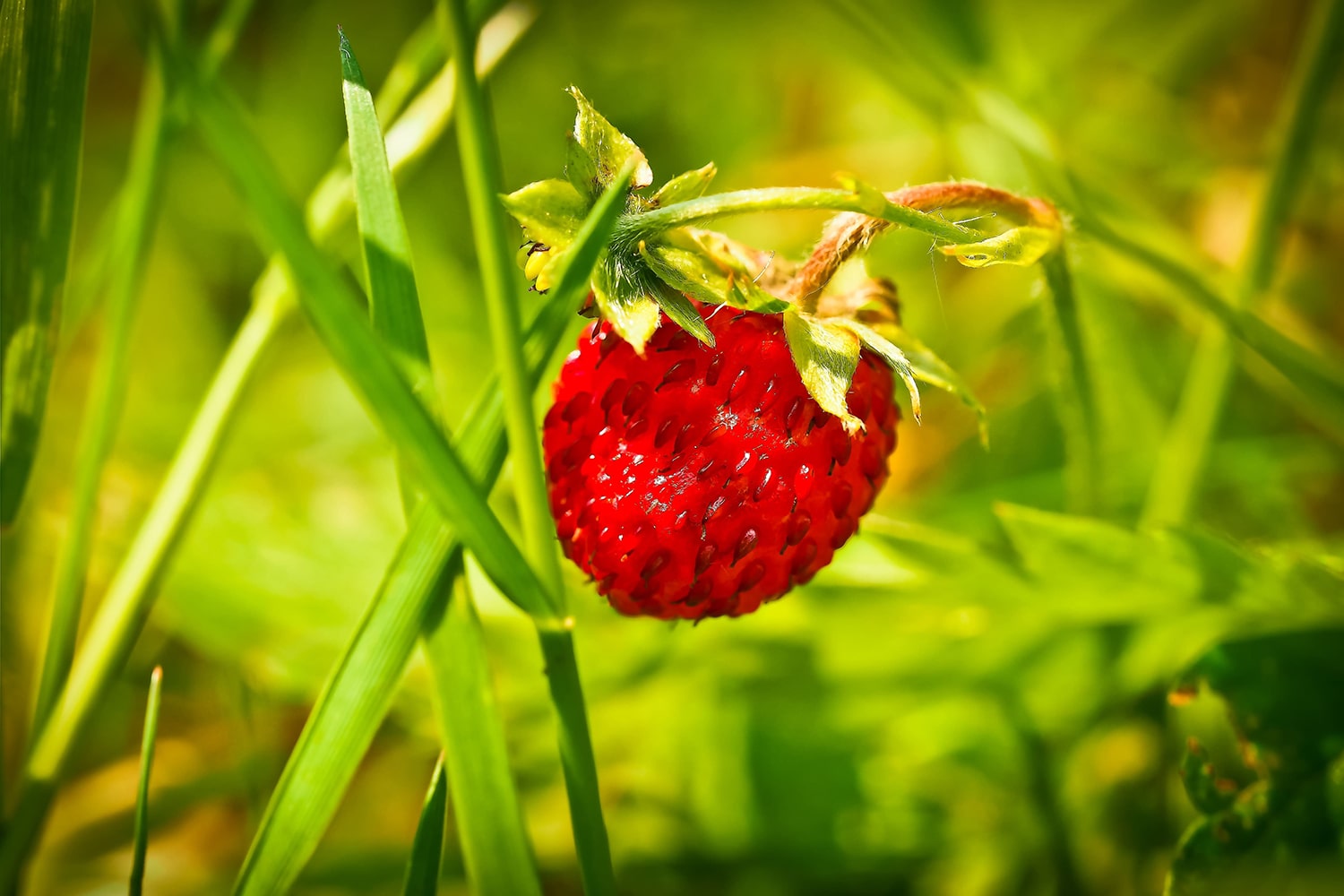
The fruit is edible.
Phonetic Spelling:jew-NIP-er-us KOM-yoo-nis
Genus:Juniperus
Species:communis
Family:Cupressaceae
Juniperus communis, commonly known as common juniper, is a remarkably versatile plant. It thrives in a range of climates, exhibiting resilience to both cold and heat, which contributes to its status as the most widely distributed conifer globally. This species can be found from the Arctic Circle down to North Carolina and across Europe into Asia. Optimal growth occurs in full sunlight with moderate moisture levels.
Typically, common juniper develops as an upright, multi-stemmed shrub reaching heights of up to 3 feet. However, its growth pattern can vary significantly based on environmental conditions. In harsher settings, it may take on a low, spreading form, growing only about 12 inches tall. Conversely, in more favorable conditions, it can grow taller, resembling a tree that can reach heights of up to 45 feet.
The seeds and berries of the juniper are utilized in various ways, most notably as the primary flavoring agent in gin.
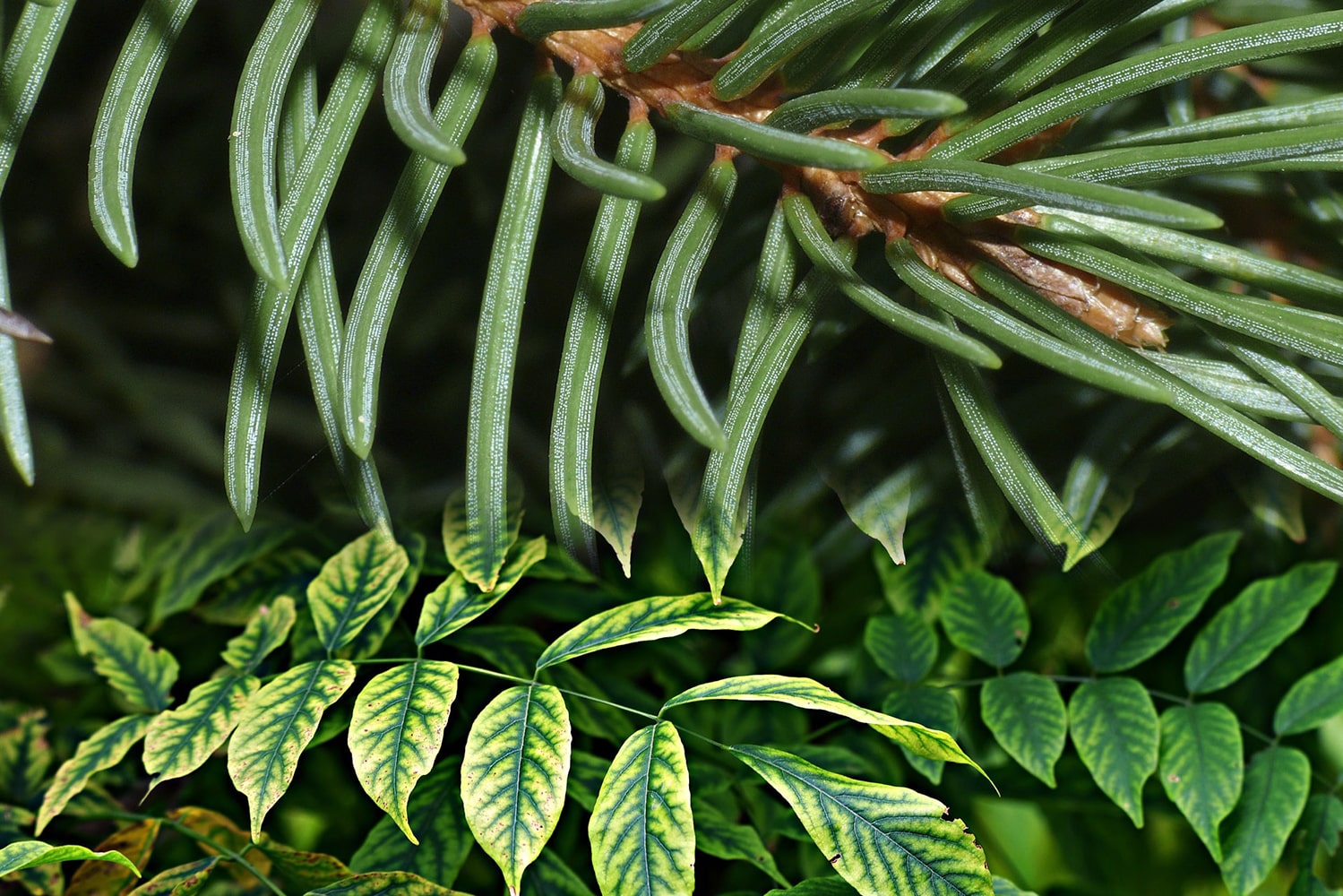
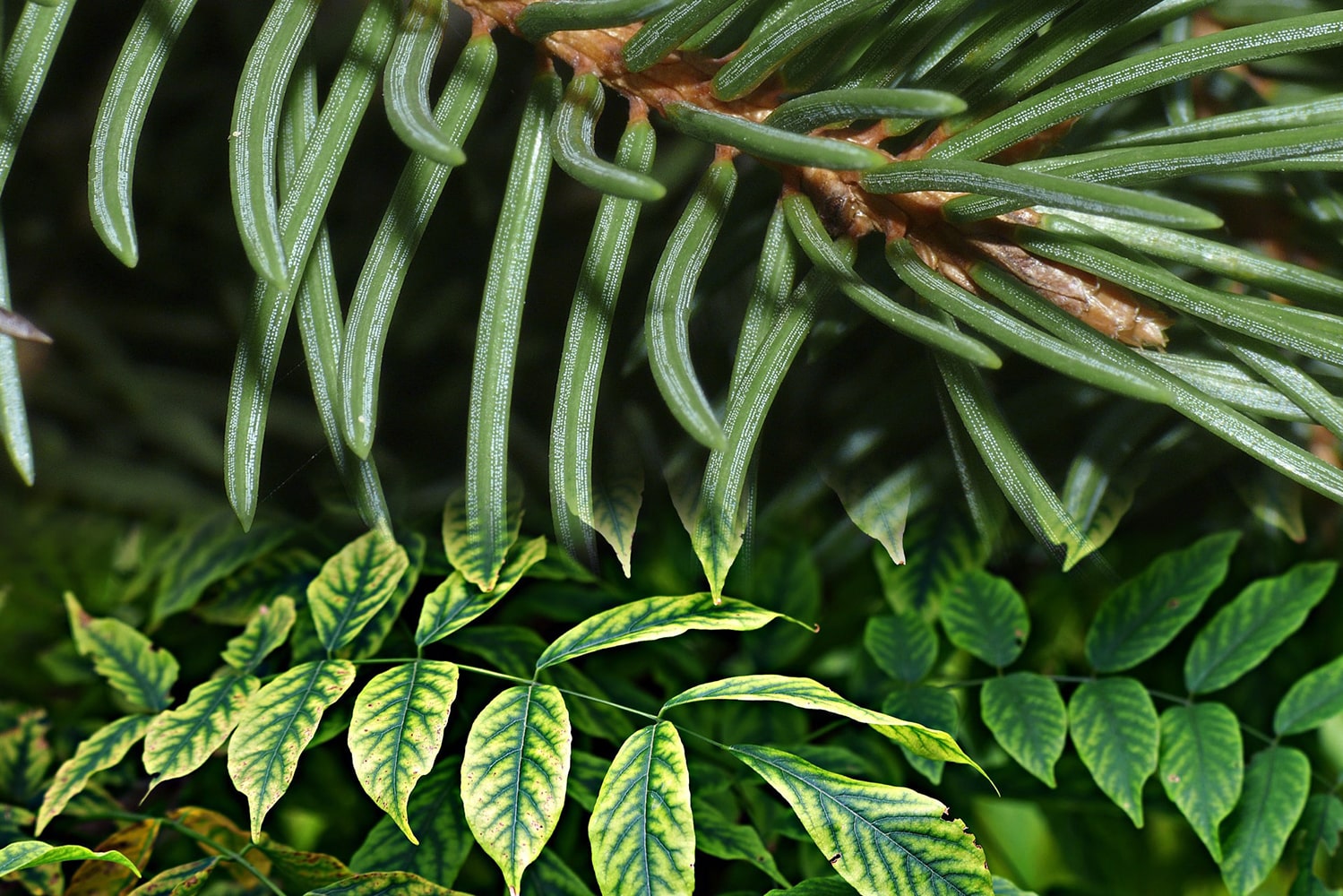
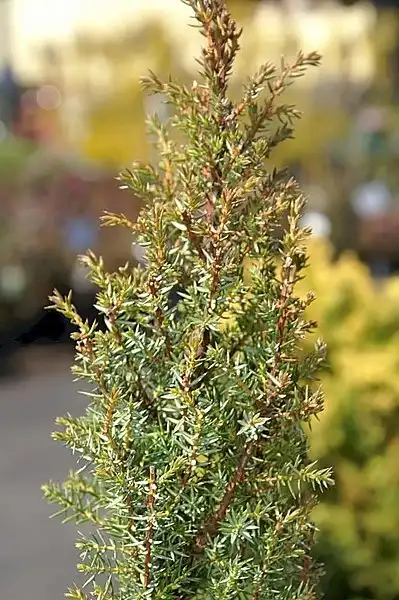
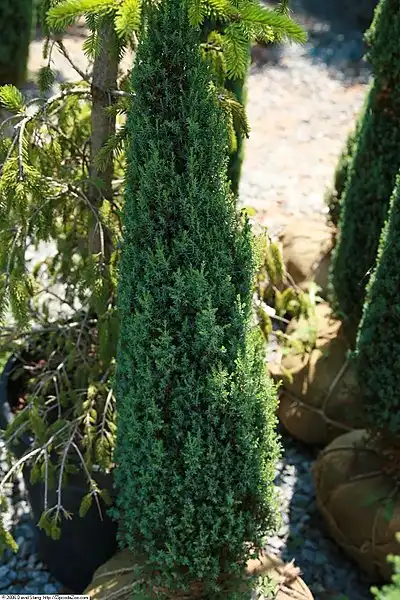
The 'Compressa' variety is a compact, dense shrub characterized by its erect, cone-like shape and narrowly upright branches. Its silvery-blue foliage has a slightly prickly texture. This evergreen typically matures to a height of 2 to 6 feet, with a narrow spread of 1 to 1.5 feet.
In terms of pests and diseases, juniper blight poses a significant threat, while cedar apple rust and wilt are less concerning. Additionally, various insects such as mites, borers, scale, and bagworms can impact the health of this plant.
For further details on Juniperus communis, additional resources are available.
Juniperus communis 'Compressa' Feature Summary
Juniperus communis 'Compressa' Image Gallery