Liquidambar styraciflua 'Rotundiloba': Country Or Region Of Origin
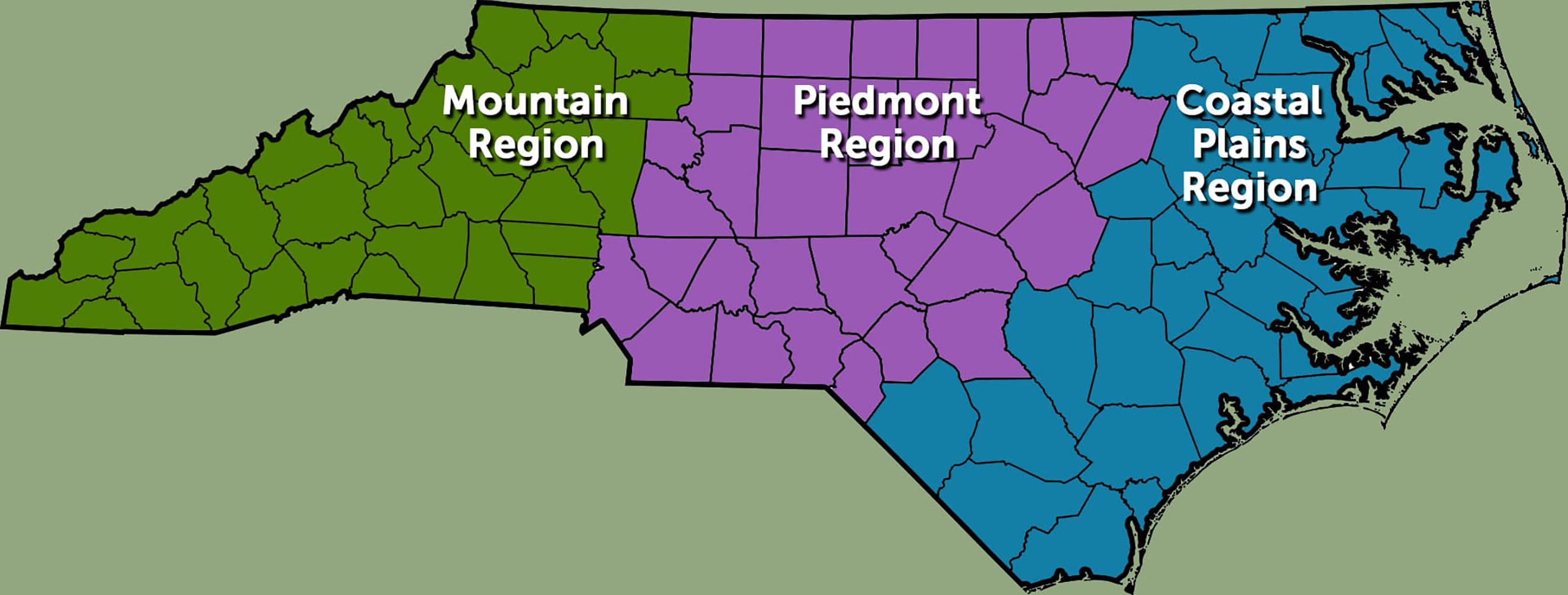
Southeastern US
Phonetic Spelling:lih-kwid-AM-ber sty-ris-IH-floo-uh
Genus:Liquidambar
Species:styraciflua
Family:Hamamelidaceae
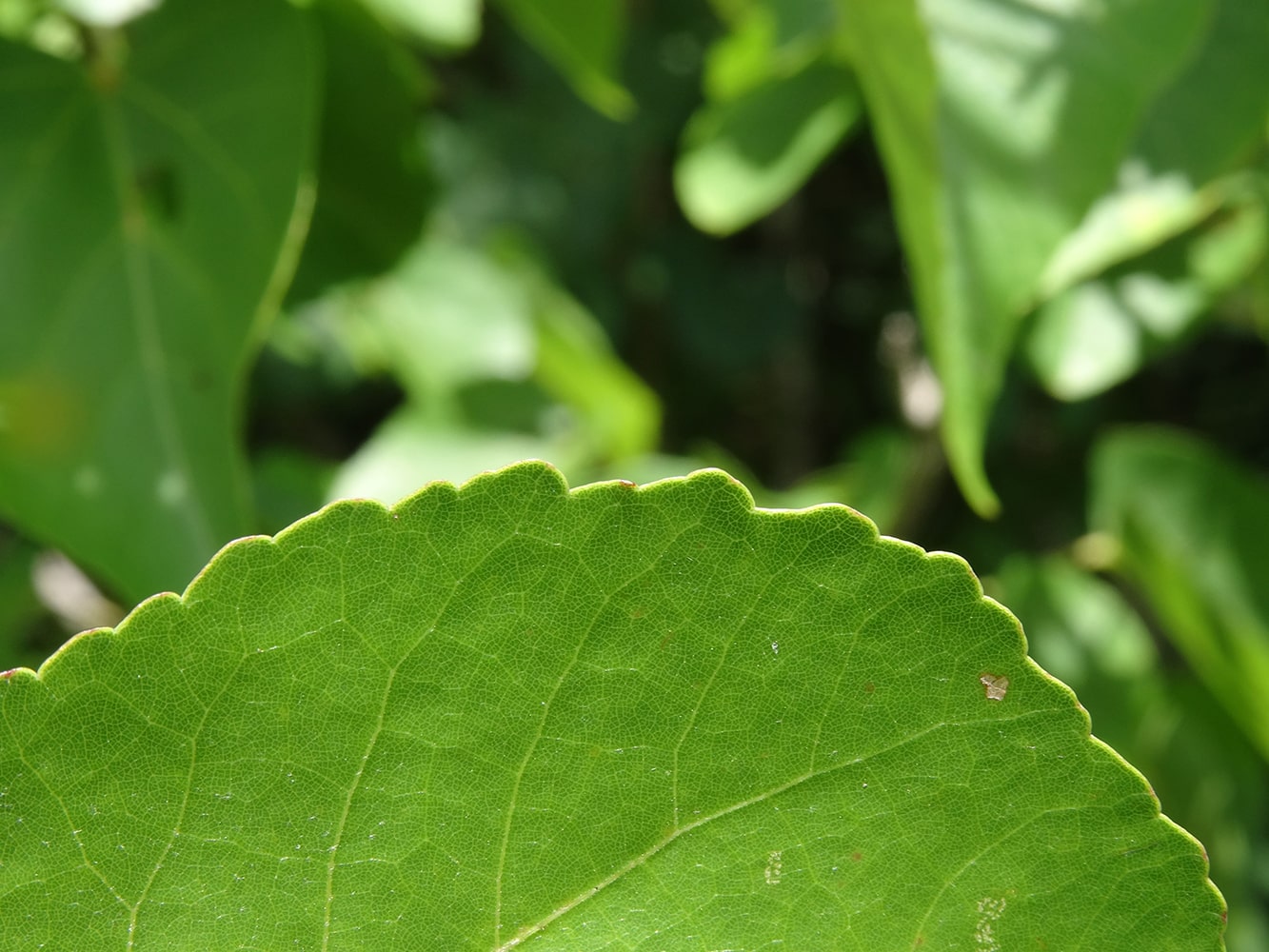
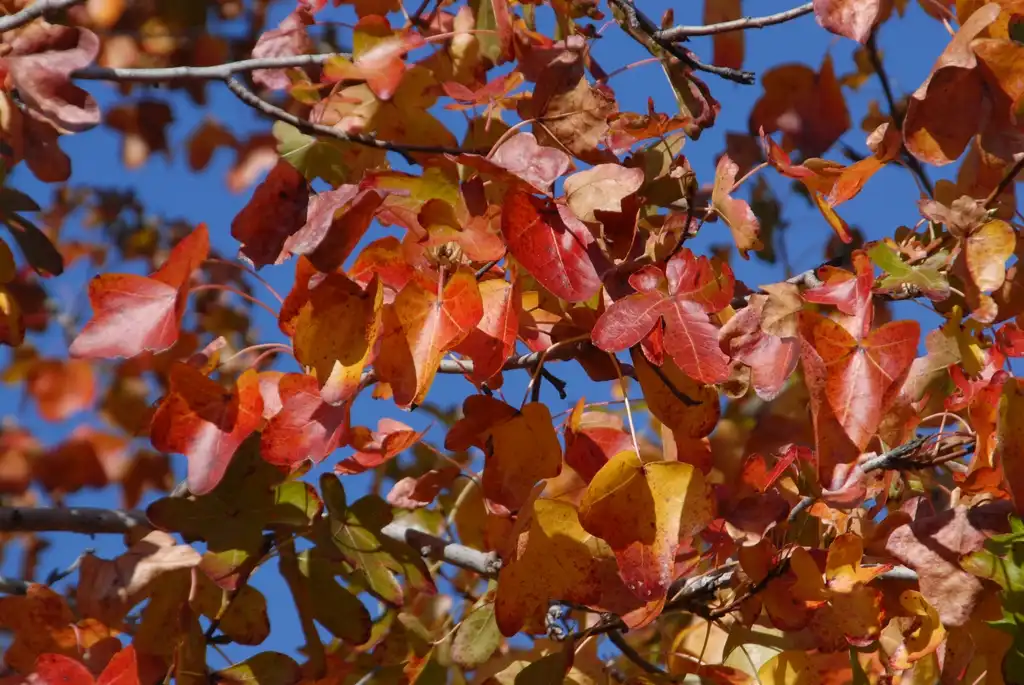
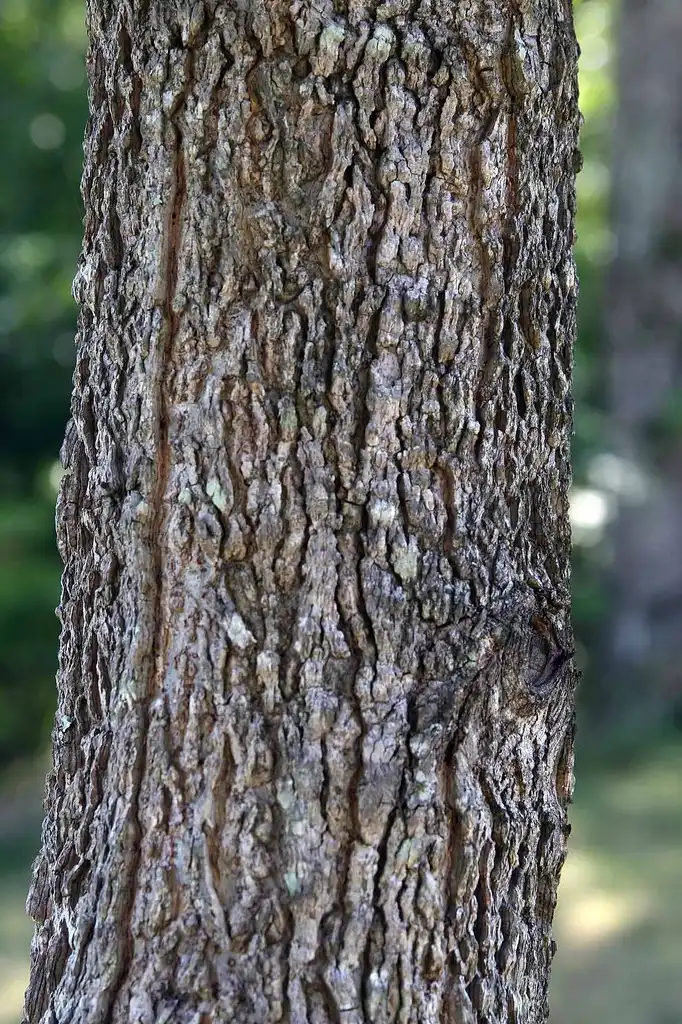
In 1997, J.C. Raulston unveiled the Fruitless Sweetgum tree, a variant that rarely produces the spiky, messy "gumball" fruits characteristic of its parent species. This tree exhibits a slower growth rate and features a more open pyramidal form. While its leaves maintain the same five lobes, their tips are rounded instead of pointed. Additionally, it is less resilient compared to some other species.
The Fruitless Sweetgum thrives in full sun to partial shade and is adaptable to various soil types, including sand, loam, clay, and acidic, well-drained soils. It demonstrates moderate tolerance to drought and salt, reaching heights of up to 75 feet with a spread of 40 feet.
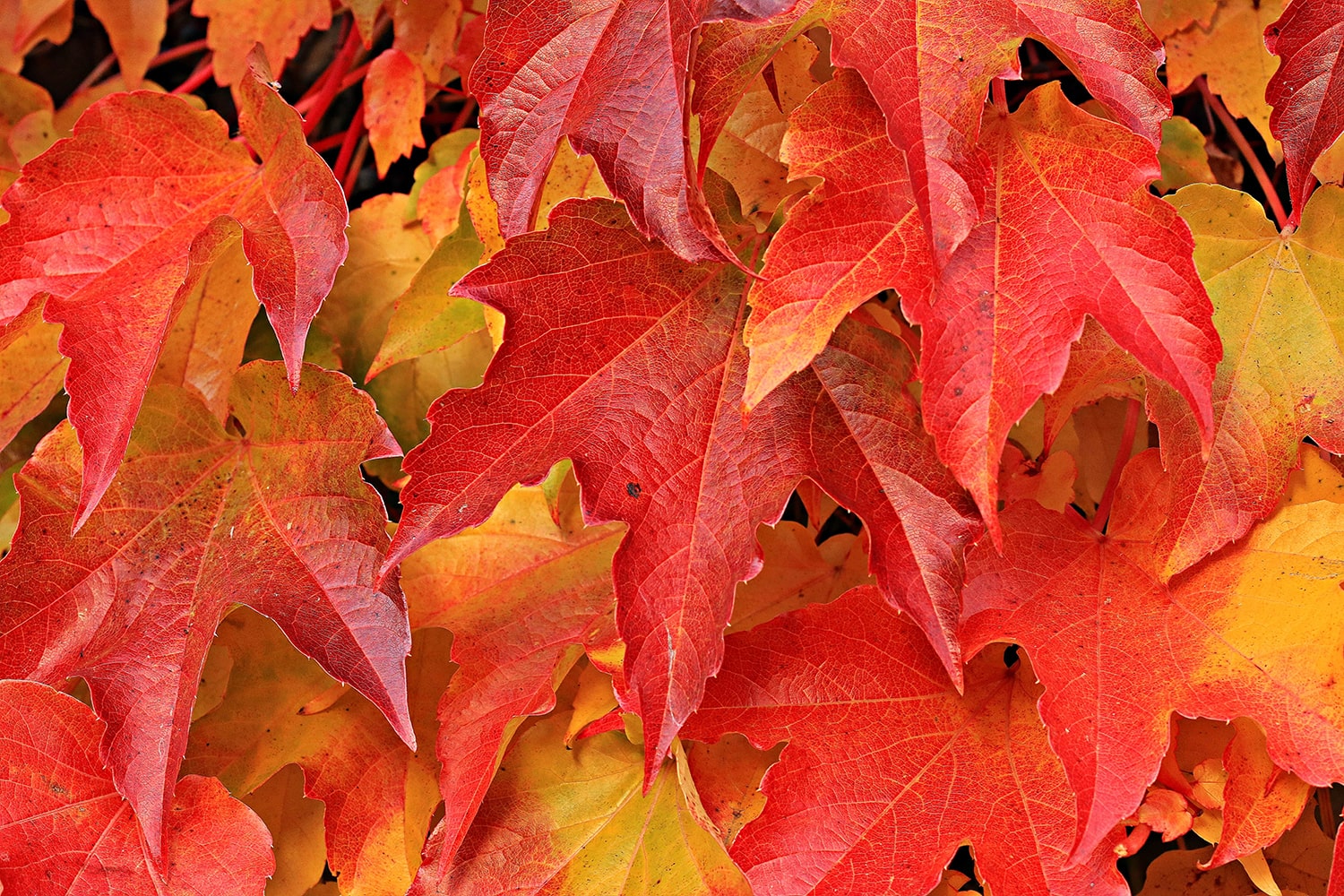
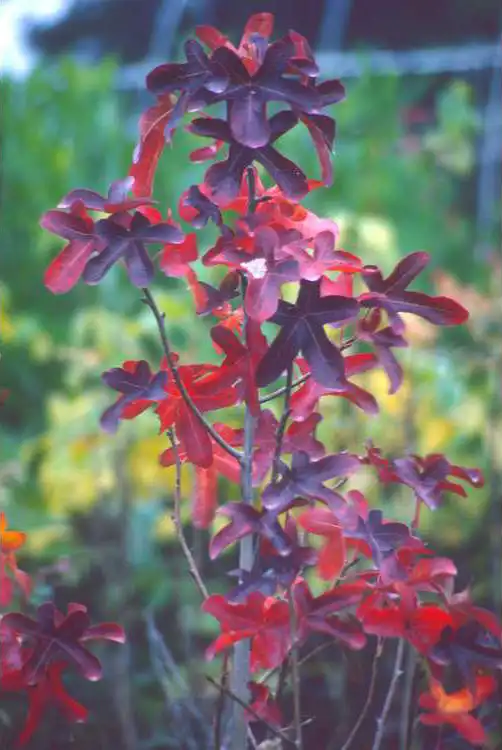
In the fall, the leaves transform into a rich purple hue (in USDA hardiness zones 6 and 7) and continue to display this color into early winter (in USDA hardiness zones 8 and 9). This tree is indigenous to the southeastern United States.
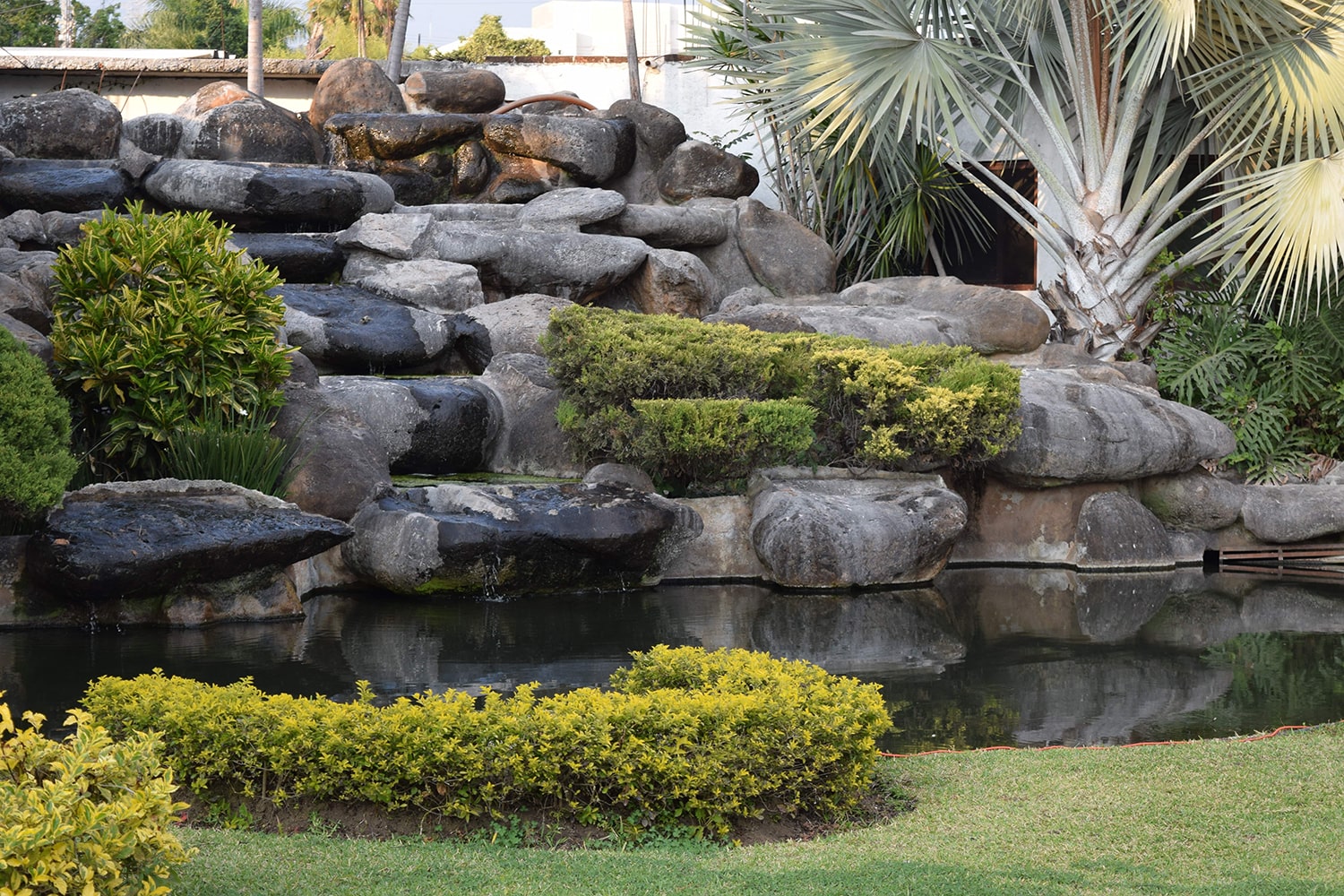
It is suitable for use as a tree in parks or campuses, providing shade for large lawns. However, it is advisable to avoid planting it near driveways or sidewalks due to its aggressive root system.
For further details on Liquidambar styraciflua, please refer to additional resources.
Liquidambar styraciflua 'Rotundiloba' Feature Summary
Liquidambar styraciflua 'Rotundiloba' Image Gallery