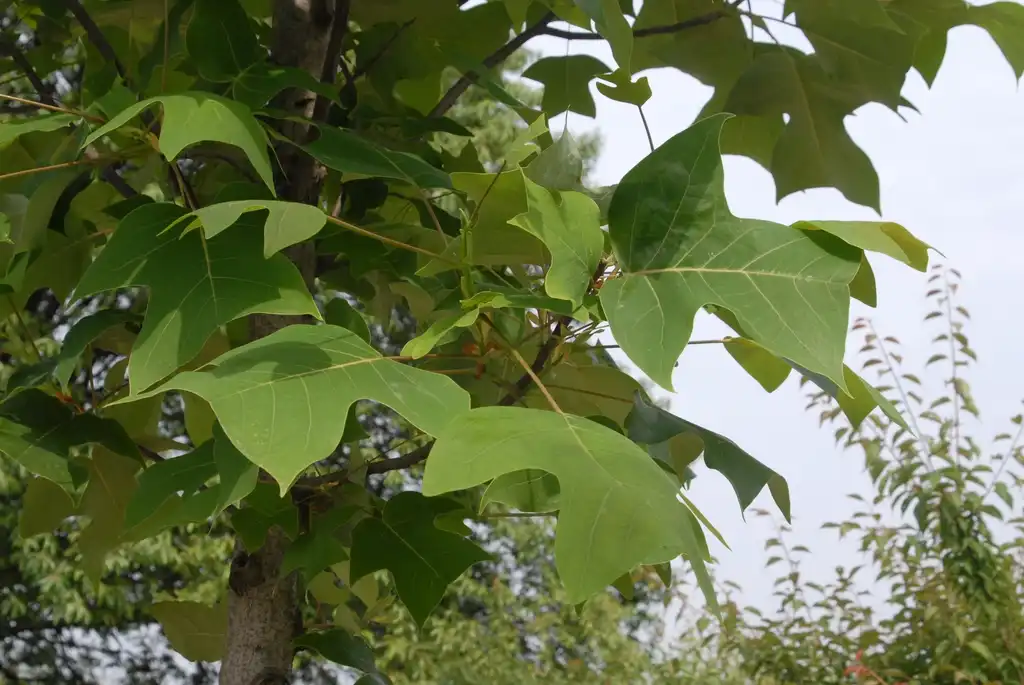
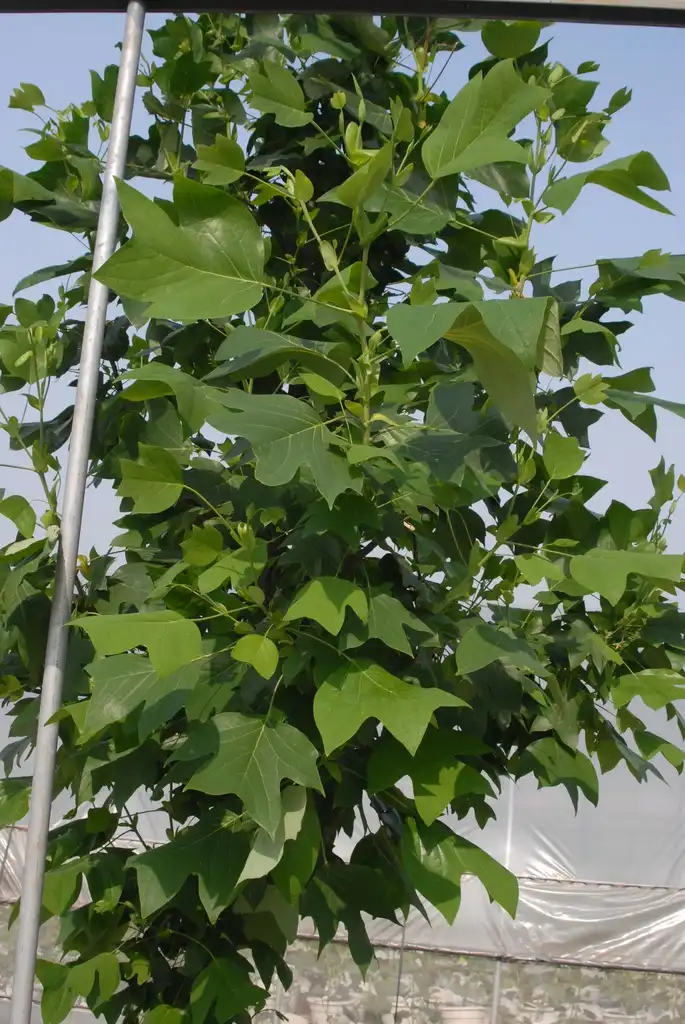
This tree thrives best in well-drained, loamy soil that is rich in organic matter and kept moist, ideally in full sunlight, though it can tolerate some shade. However, it may struggle to survive the winter in the northern regions of USDA Zone 6.
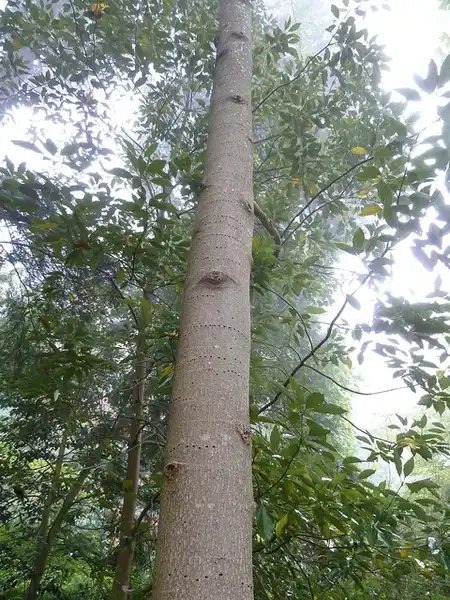
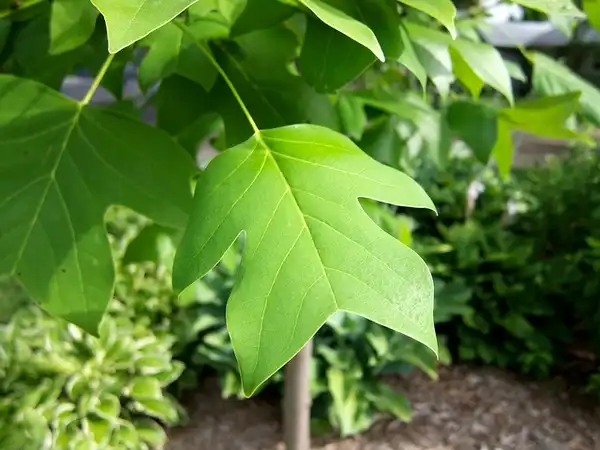
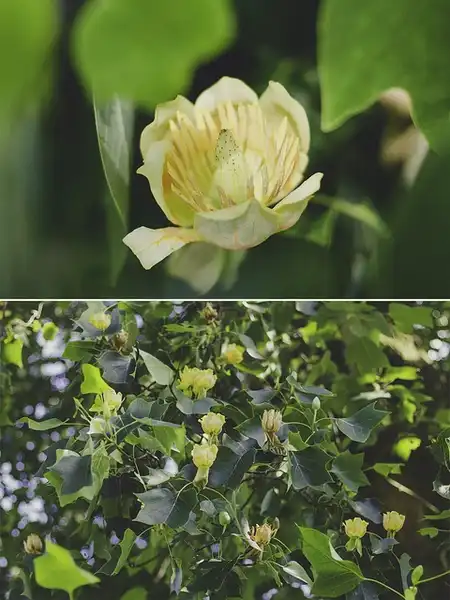
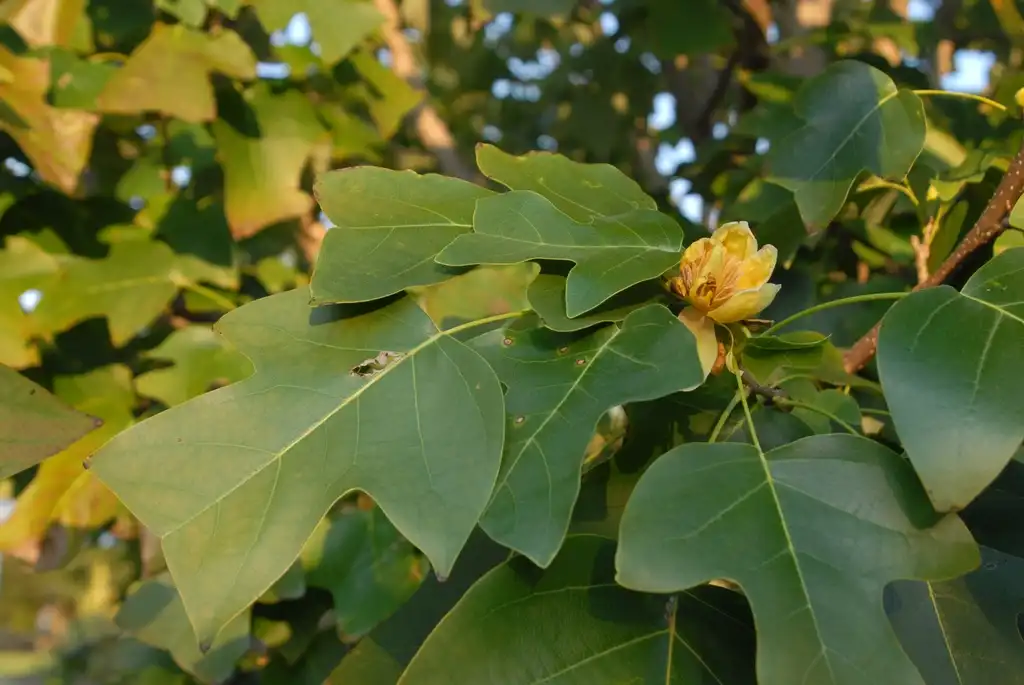
Known as the Chinese tulip tree (Liriodendron chinense), this fast-growing, columnar species typically reaches heights of 50 to 70 feet. It derives its name from its distinctive cup-shaped flowers, reminiscent of tulips and belonging to the same family as magnolias, which bloom from late spring to early summer. While it bears similarities to the native eastern North American Liriodendron tulipifera, the Chinese tulip tree is denser, slightly smaller, and features smaller flowers that lack the orange banding found in its counterpart. Its leaves are more deeply lobed, and it is less cold-hardy. The olive green flowers, measuring up to 1.5 inches long, showcase a yellow base and begin to bloom in May. Due to their timing, the flowers can often go unnoticed until the attractive petals start to fall. Following the flowering period, the tree produces dry, scaly, oblong clusters of brown fruit, each containing numerous winged seeds that disintegrate upon ripening. The bright green lobed leaves transform into a golden yellow in the fall.
This tree is generally free from serious insect or disease issues, although it is advisable to monitor for pests such as aphids, leaf miners, scale, mealybugs, and borers. Potential diseases include verticillium wilt, mold, powdery mildew, and canker. Heavy aphid infestations can lead to honeydew on the leaves, which fosters the growth of sooty mold. The tree's rapid growth and somewhat weak wood make it vulnerable to limb breakage during high winds or heavy snow and ice. Additionally, its shallow root system restricts the types of plants that can be cultivated beneath its canopy.
As a large shade or lawn tree, it is well-suited for expansive landscapes but is generally not recommended for use as a street tree.