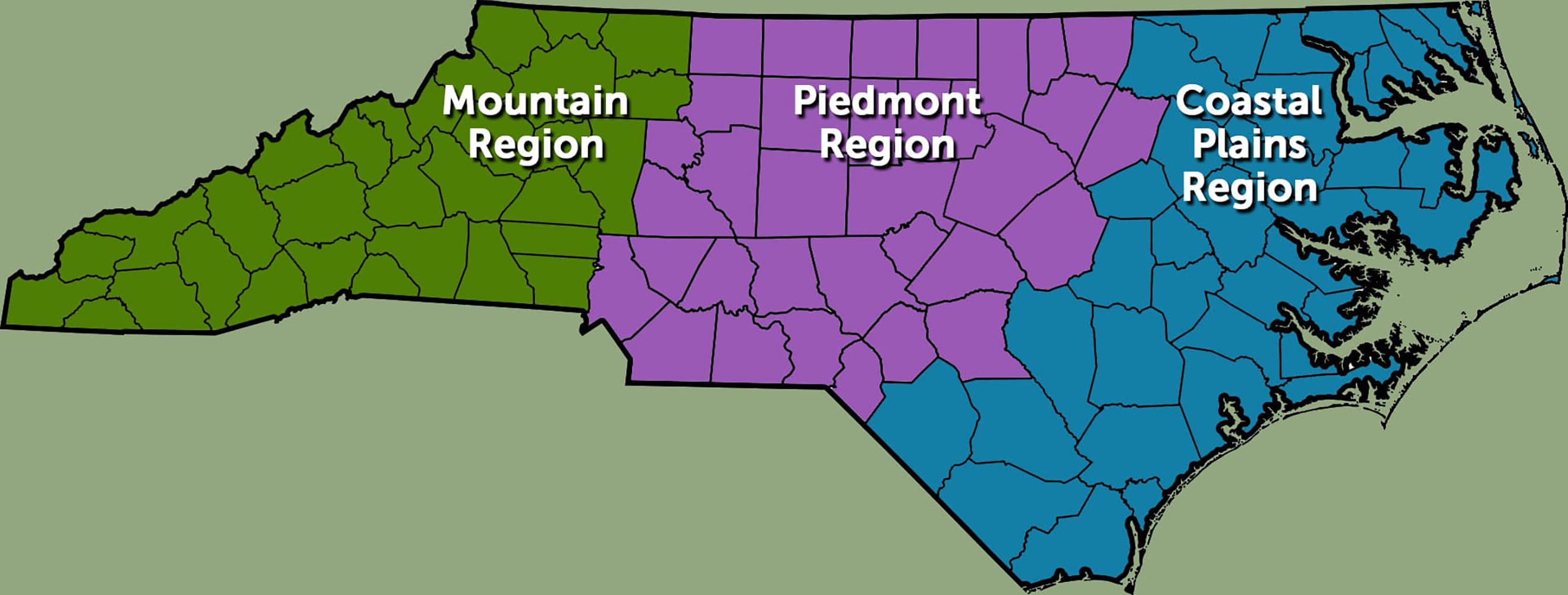
Lobelia cardinalis: Country Or Region Of Origin
Eastern United States
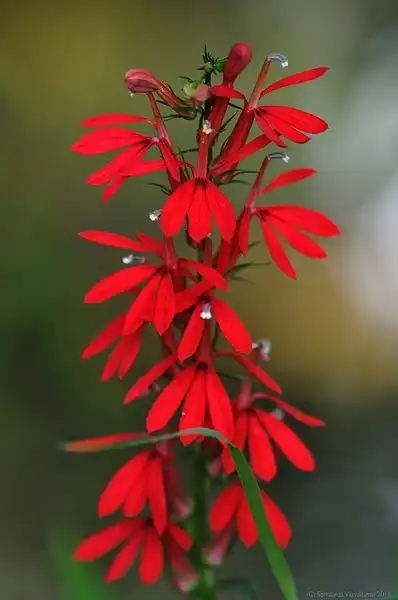
Phonetic Spelling:low-BEE-lee-ah kar-dih-NAL-iss
Genus:Lobelia
Species:cardinalis
Family:Campanulaceae
The Cardinal Flower is a striking herbaceous perennial that can reach heights of 4 to 5 feet. It thrives in rich, medium to wet soil and prefers full sun to partial shade. It's crucial to keep the soil consistently moist, although the plant can withstand short periods of flooding. In northern regions, it can handle full sun, but in the hotter summer climates of the lower Midwest and South, it benefits from some afternoon shade. To protect its root system during cold winters and prevent heaving, applying mulch is recommended, which also aids in moisture retention.
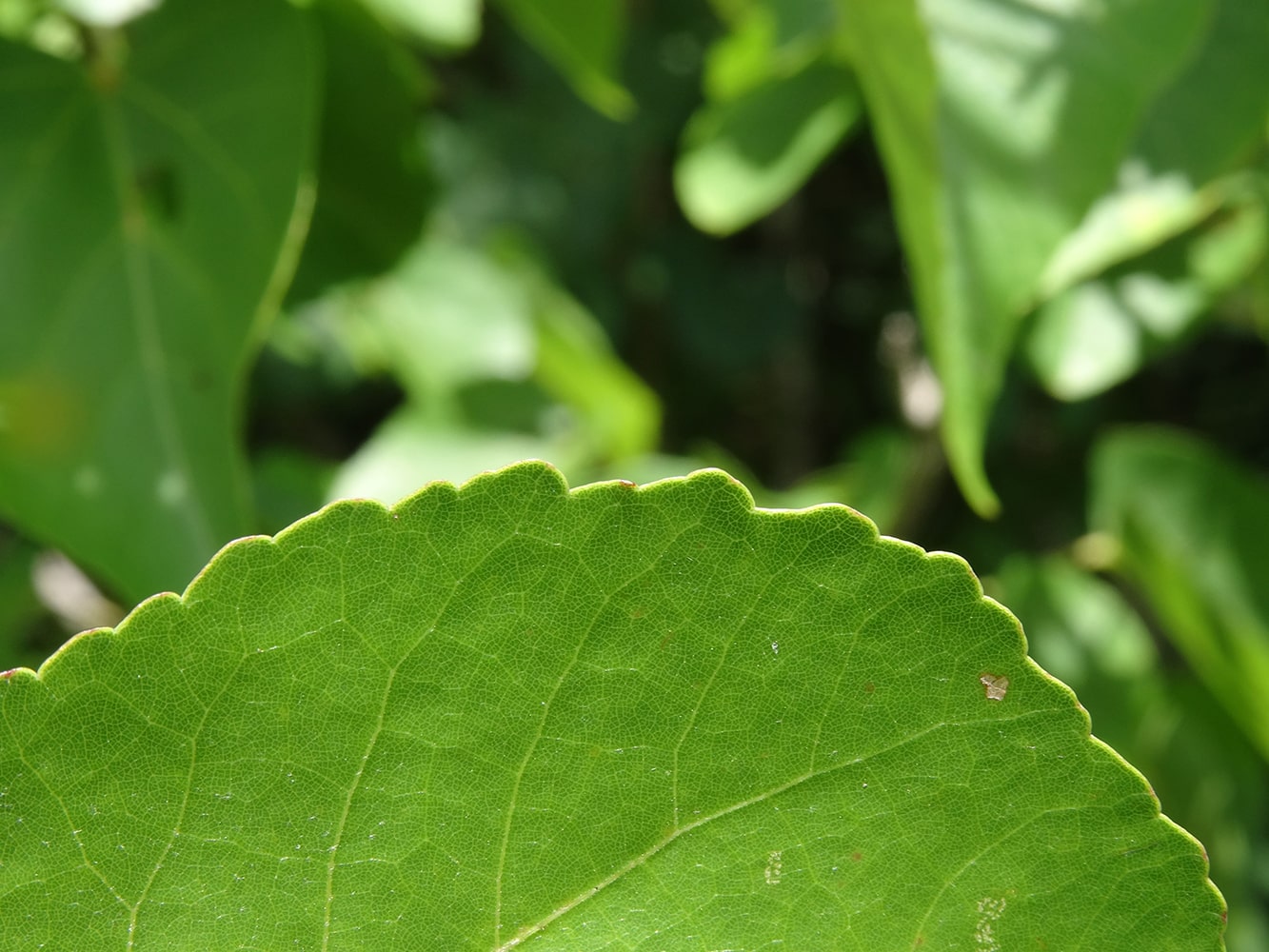
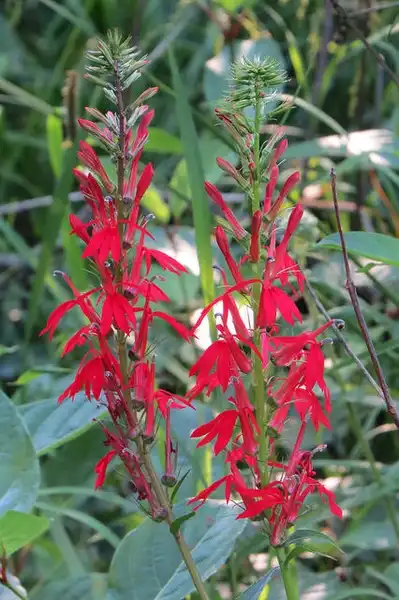
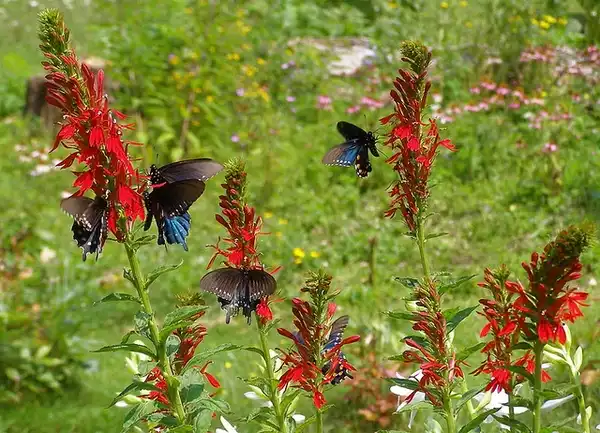
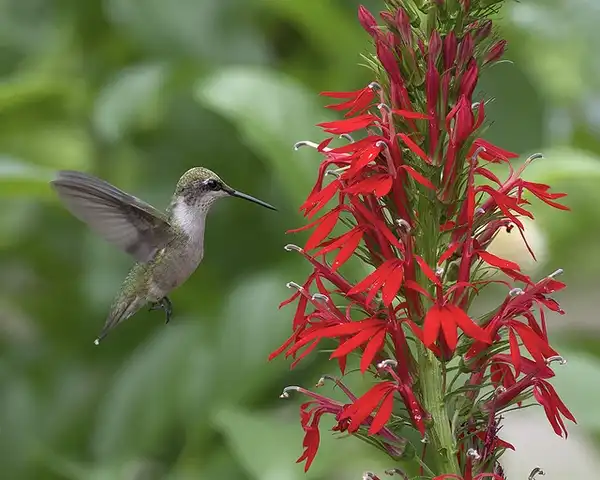
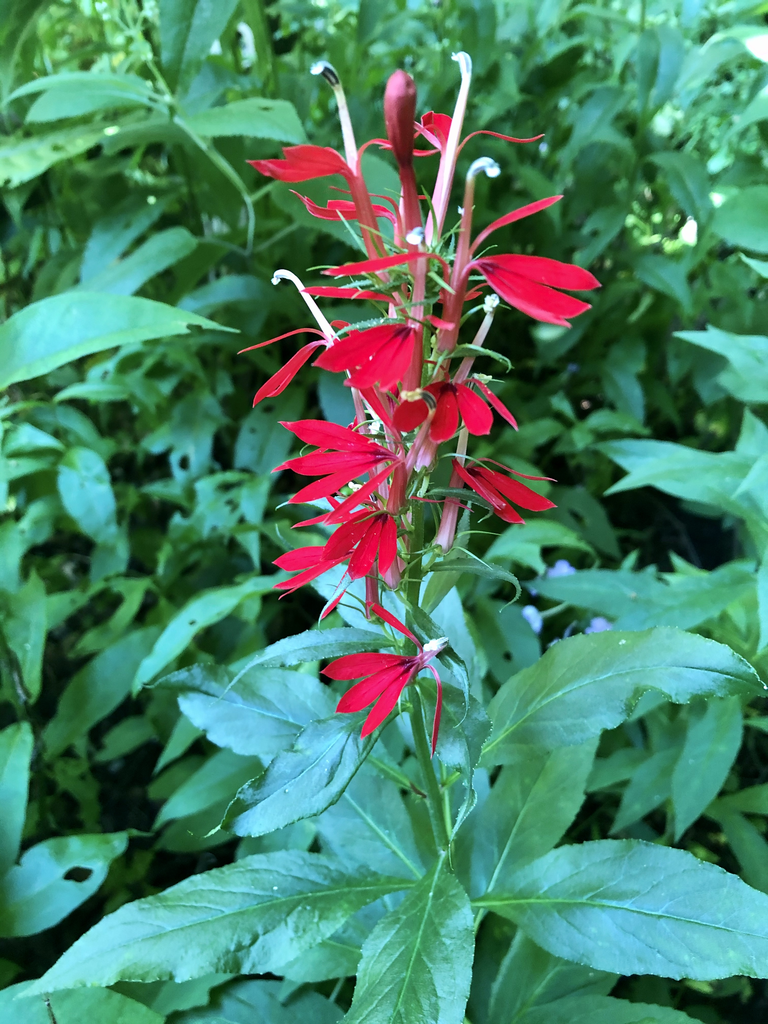
The leaves of the Cardinal Flower are arranged alternately and feature a serrated edge. Its vibrant red flowers begin to bloom in late summer and continue into mid-fall, opening sequentially from the bottom of a tall flower spike to the top.
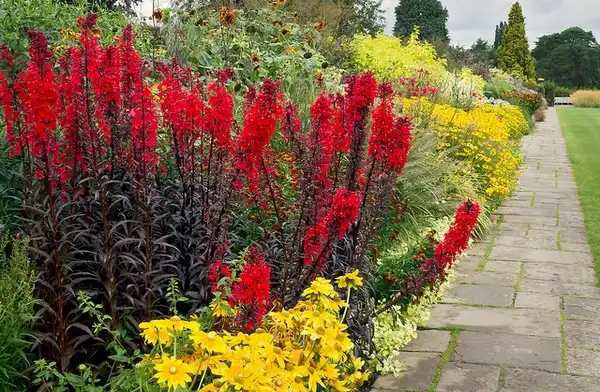
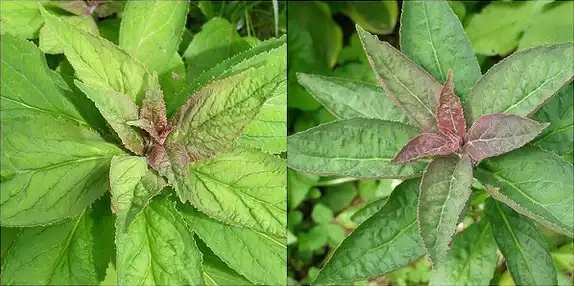
Several hybrid varieties of the Cardinal Flower have been developed, with 'Queen Victoria' being the most well-known, showcasing deep red flowers and bronze-colored leaves. For optimal growth, this plant should be cultivated in a container of at least 1 gallon, using nutrient-rich soil and ensuring 1-3 inches of water is provided over the crown.
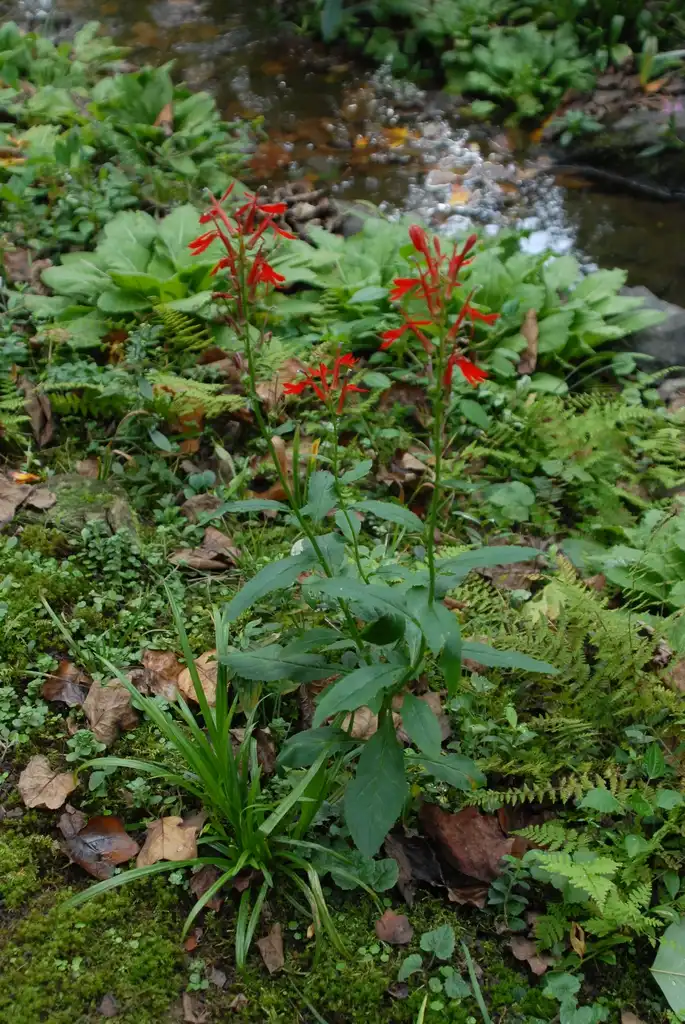
This plant is particularly effective in moist environments such as woodland or shade gardens, wet meadows, and along the edges of streams or ponds, as well as in water and rain gardens. It contributes late summer blooms and adds height to garden borders, provided the soil remains consistently moist.
The common name of this flower is inspired by the red robes traditionally worn by Roman Catholic cardinals.
The Cardinal Flower was honored as the NC Wildflower of the Year in 1982, 1983, and 2001, a recognition managed by the North Carolina Botanical Garden with support from the Garden Club of North Carolina.
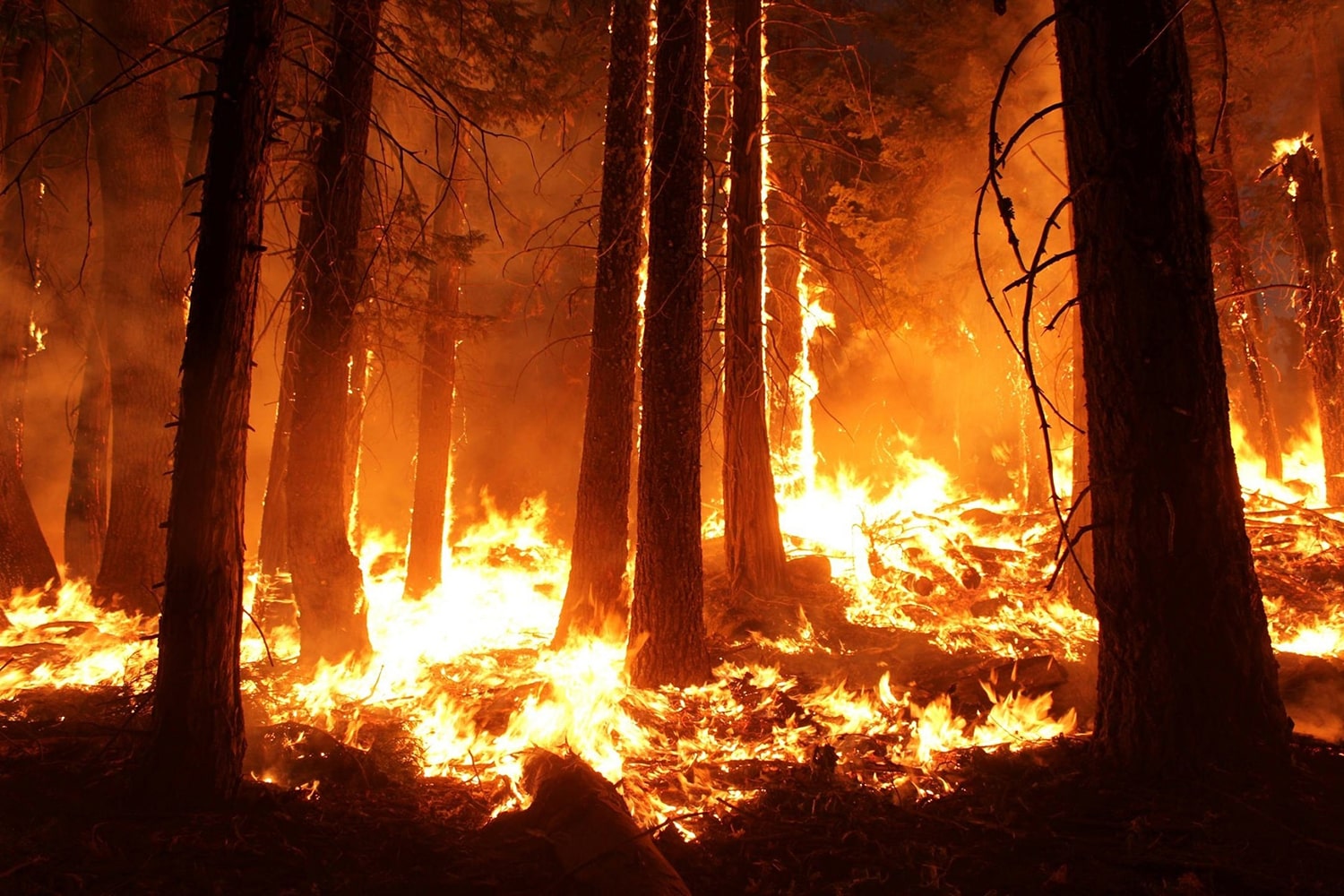
In terms of fire risk, this plant has a medium flammability rating.
Seasons of Interest:
- Blooms: Late Summer/Fall
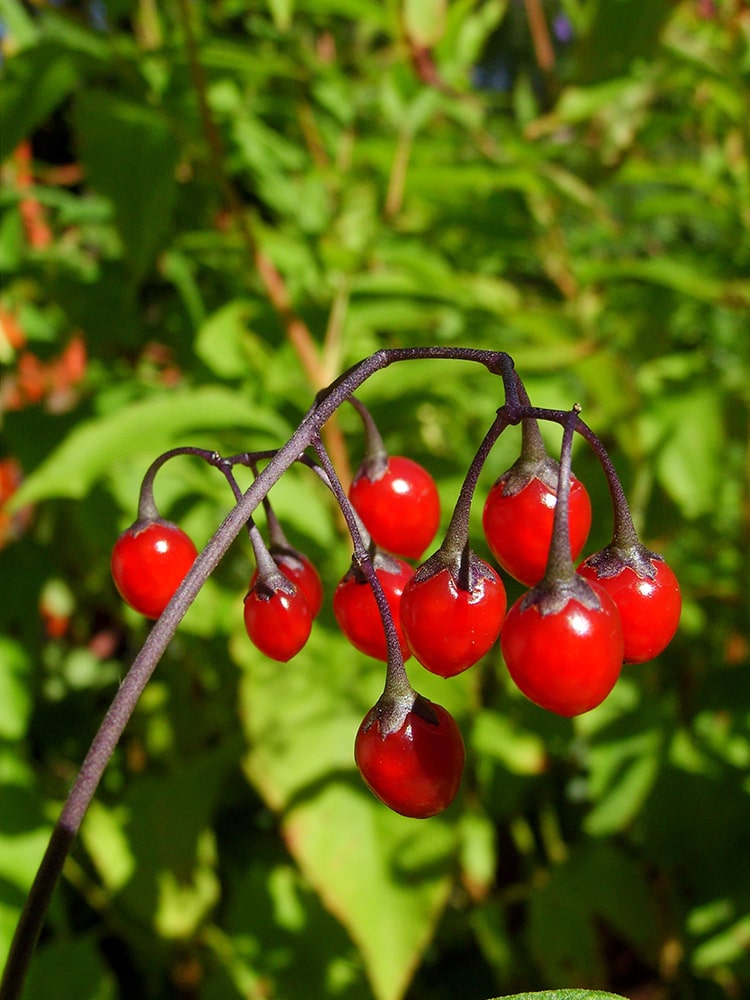
- Nut/Fruit/Seed: Fall
Potential issues include damage to the foliage from snails and slugs. Additionally, the leaves contain alkaloids that are highly toxic to humans if ingested.
For further details on Lobelia, additional resources are available.
Lobelia cardinalis Feature Summary
Lobelia cardinalis Image Gallery