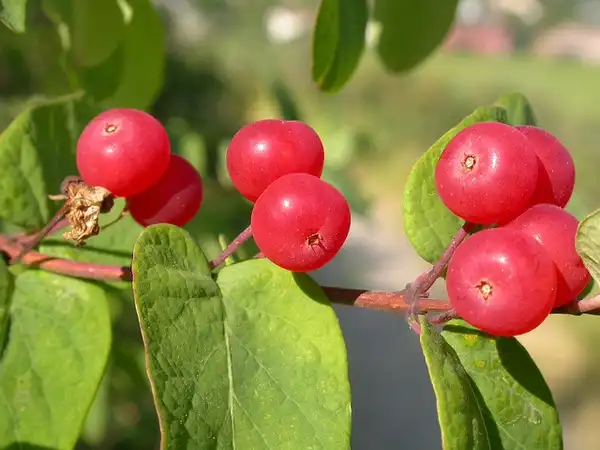
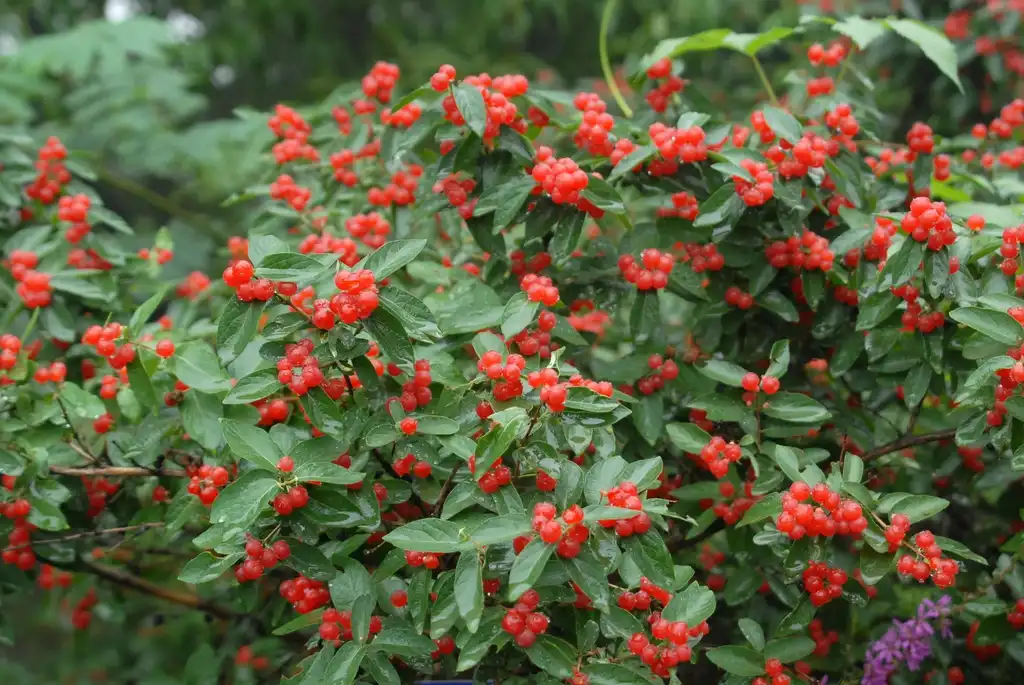

Lonicera tatarica: Country Or Region Of Origin
Siberia and central and eastern Asia
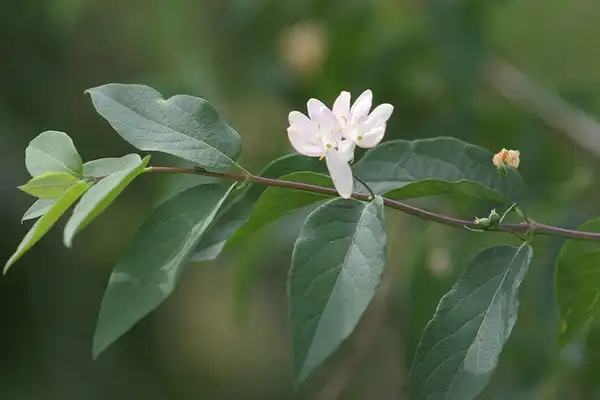
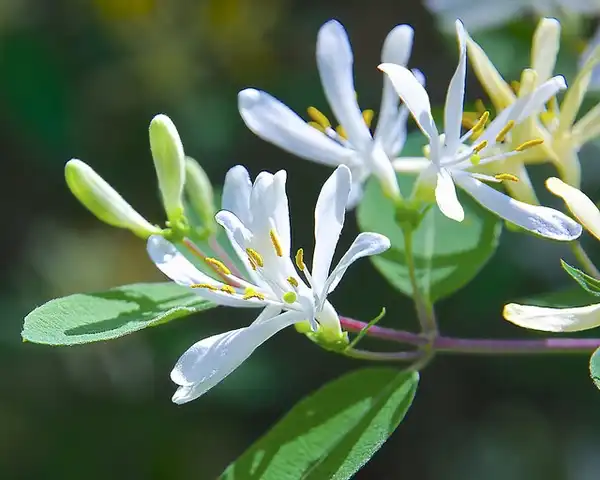
Phonetic Spelling:luh-NIS-er-a tat-TAR-ee-ka
Genus:Lonicera
Species:tatarica
Family:Caprifoliaceae
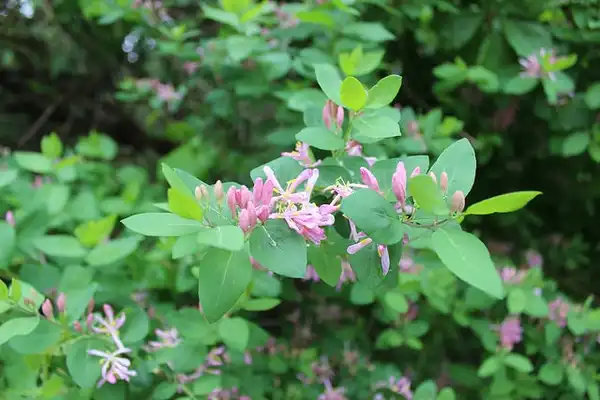
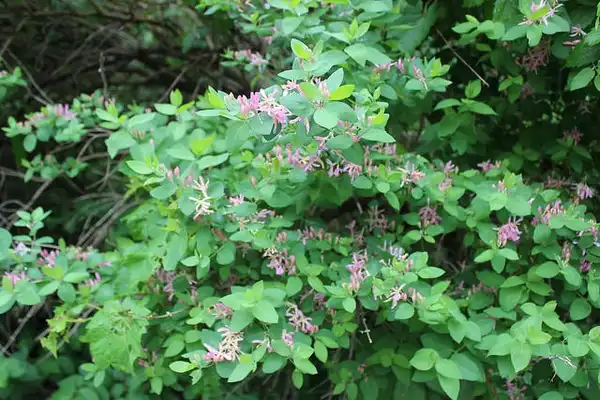
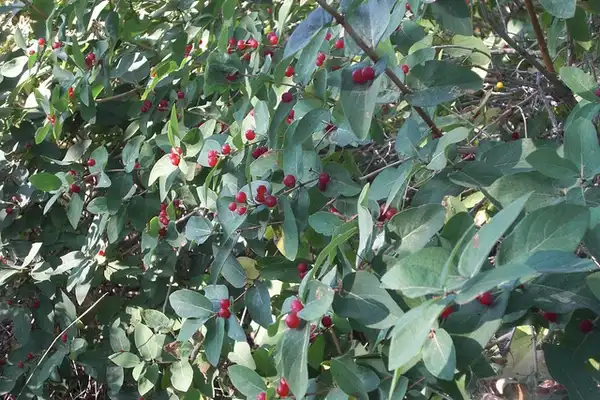
Tatarian Honeysuckle, an invasive shrub originally from Asia, poses a significant threat to various ecosystems by encroaching upon open woodlands, thickets, fence lines, and roadsides. Its rapid spread is facilitated by birds and mammals that disperse its seeds, leading to the formation of dense thickets that can severely limit the growth of native plants and reduce biodiversity. Characterized by its tangled, leggy branches and hollow twigs, this shrub is often among the first to leaf out in spring. It is classified as a noxious weed in multiple states.
The flowers emit a sweet scent typical of honeysuckle. While this species thrives in partial sunlight and prefers moist, fertile, loamy soil, it demonstrates remarkable adaptability to a range of soil types and environmental conditions, flourishing in everything from full sun to shade and in moist to dry, gravelly, or sandy soils.
However, there are potential issues associated with Tatarian Honeysuckle, including witches' broom caused by Russian aphids, leaf spot, powdery mildew, and various blights. Additionally, the plant can grow excessively tall for residential landscapes, making it challenging to prune dead branches, and it tends to self-seed aggressively.
Lonicera tatarica Feature Summary
Lonicera tatarica Image Gallery